Punica Granatum Var. Nana (Dwarf Pomegranate)
Punica granatum var. nana, commonly known as Dwarf Pomegranate, is a delightful and distinct variety of the well-loved pomegranate plant. This miniature.
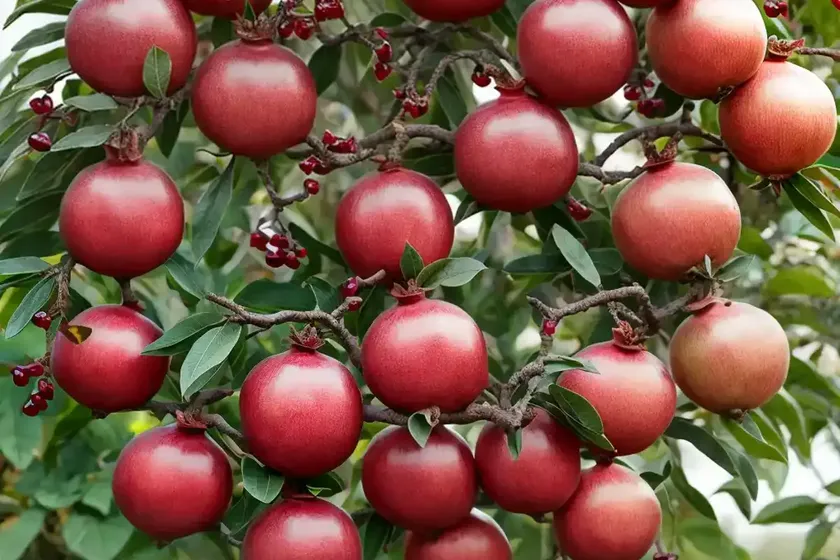
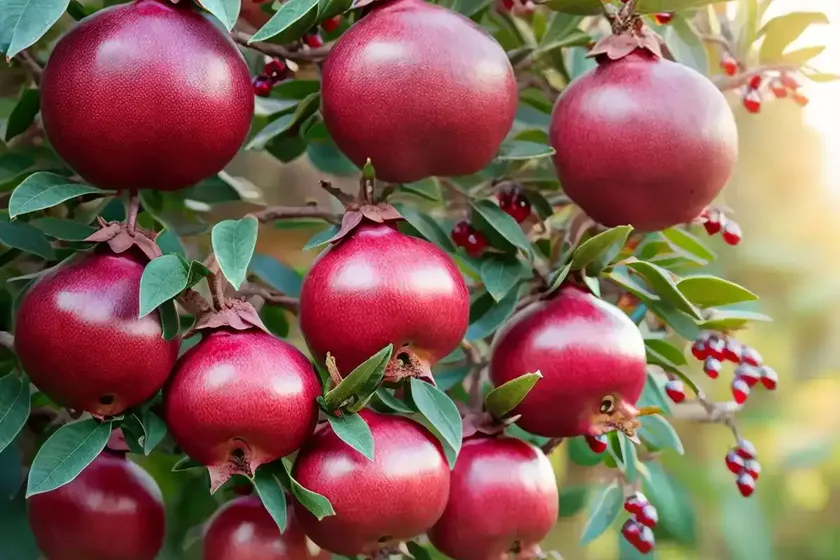
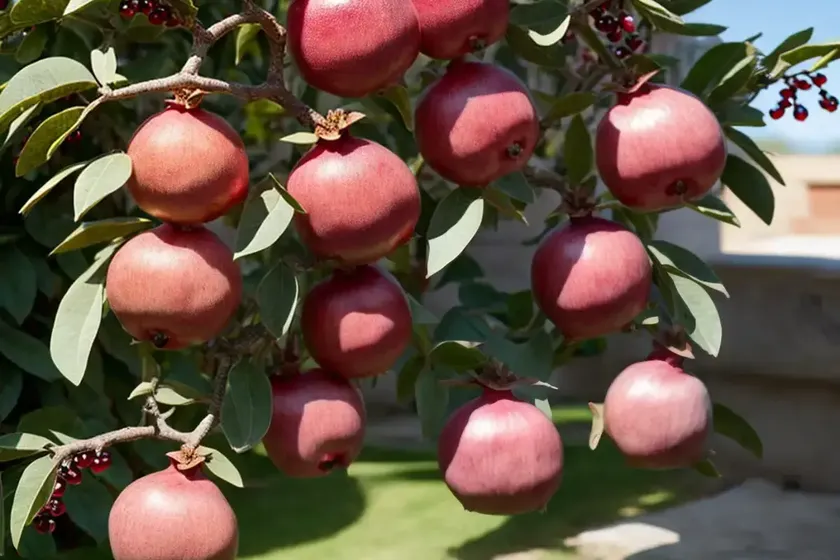
Punica granatum var. nana, commonly known as Dwarf Pomegranate, is a delightful and distinct variety of the well-loved pomegranate plant. This miniature version of the traditional pomegranate tree is gaining popularity among plant enthusiasts for its compact size and ornamental value. In this comprehensive guide, we will explore the unique characteristics of the Dwarf Pomegranate plant, along with its culture, uses, care requirements, and tips for maintaining a healthy and thriving plant. Whether you are a seasoned gardener or a beginner looking to venture into the world of plant care, this guide will equip you with the knowledge and skills to successfully nurture and enjoy the beauty of Punica granatum var. nana.
What is Punica granatum var. nana?
Punica granatum var. nana is a variety of the Punica granatum species, which is commonly known as the pomegranate plant. This dwarf variety is characterized by its small size, making it a perfect choice for container gardening and indoor cultivation. The Dwarf Pomegranate plant shares many of the same attractive features as its larger counterparts, including vibrant flowers and miniature fruits. Its compact nature and ornamental appeal make it an ideal addition to small gardens, patios, or even indoor spaces.
Key Takeaways – Punica granatum var. nana (Dwarf Pomegranate)
Before delving into the intricacies of growing and caring for the Dwarf Pomegranate plant, let’s highlight some key takeaways that capture the essence of this unique and charming variety:
- Suitable for container gardening and indoor cultivation
- Ornamental value with vibrant flowers and miniature fruits
- Compact size, ideal for small gardens and limited spaces
- Requires well-draining soil and adequate sunlight
- Moderate water and fertilizer needs
- Pruning essential for shaping and maintaining plant health
- Propagation through stem cuttings or seeds
Now that we have an overview of the Dwarf Pomegranate plant, let’s explore each aspect of its culture and care in detail.
Culture
Uses
The Punica granatum var. nana, or Dwarf Pomegranate plant, offers a range of uses that make it a versatile and desirable addition to various settings:
- Ornamental Plant: The plant’s vibrant flowers and attractive fruits make it a popular choice for ornamental purposes. It can be grown in gardens, on patios, or as an indoor potted plant to add a touch of color and beauty to the surroundings.
- Bonsai: With its compact size and beautiful foliage, the Dwarf Pomegranate lends itself well to bonsai cultivation. Its natural growth habits, combined with regular pruning, enable enthusiasts to create stunning bonsai specimens.
- Indoor Plant: Due to its size and adaptability, the Dwarf Pomegranate is well-suited for indoor cultivation. It thrives in containers and can be placed in well-lit areas, bringing the beauty of pomegranates indoors.
Water
Proper watering is crucial for the health and vigor of the Punica granatum var. nana. While the plant has moderate water requirements, it is essential to ensure that the soil is well-draining to prevent waterlogging, which can lead to root rot. Here are some key points to consider regarding watering the Dwarf Pomegranate plant:
- Frequency: Water the plant when the top inch of soil feels dry to the touch. This may translate to watering every 7-10 days, depending on environmental conditions and the moisture retention of the soil.
- Watering Technique: Ensure that the water penetrates the root zone thoroughly. A slow, steady watering technique allows the water to reach the roots effectively, promoting healthy growth.
Sunlight
Like its larger counterparts, Dwarf Pomegranate plants thrive in bright, direct sunlight. Adequate sunlight is vital for the plant’s growth, flowering, and fruiting. When cultivating the plant, it is essential to provide the following conditions:
- Placement: Choose a location that receives at least 6-8 hours of direct sunlight daily. Outdoor settings such as patios, balconies, or gardens are ideal, while indoor plants should be placed near a bright window or under grow lights.
- Sun Exposure: The plant benefits from full sun exposure, which aids in flower and fruit production. Insufficient sunlight may lead to reduced flowering and elongated, weaker growth.
Fertilizer
To support the growth and development of the Dwarf Pomegranate, it is beneficial to provide appropriate fertilization. While the plant does not have high fertilizer requirements, regular feeding can enhance its overall health and vigor. Consider the following guidelines for fertilizing the Punica granatum var. nana:
- Fertilizer Type: Use a balanced, slow-release fertilizer designed for flowering and fruiting plants. A formulation with a balanced NPK ratio, along with micronutrients, can provide the necessary nutrition for the plant.
- Application Frequency: Apply fertilizer every 4-6 weeks during the growing season, typically from spring to early fall. Reduce or withhold fertilization during the dormant winter period.
Soil
The choice of soil is a critical factor in ensuring the well-being of the Dwarf Pomegranate plant. Optimal soil conditions contribute to proper drainage, moisture retention, and nutrient availability. Consider the following soil requirements for cultivating Punica granatum var. nana:
- Well-Draining Medium: Use a well-draining potting mix that allows excess water to flow freely while retaining sufficient moisture for the roots. A blend of quality potting soil, perlite, and coarse sand promotes good drainage.
- Soil pH: The ideal pH range for the Dwarf Pomegranate is slightly acidic to neutral, typically between 5.5 to 7.0. Soil testing kits are available to measure and adjust the pH as needed.
Pruning
Pruning is an essential aspect of caring for the Punica granatum var. nana, enabling you to shape the plant, maintain its size, and promote healthy growth. Proper pruning practices also contribute to improved flowering and fruiting. Here’s a guide to effectively prune the Dwarf Pomegranate plant:
- Timing: Prune the plant in late winter or early spring before the onset of new growth. This timing allows the plant to recover from pruning and initiate fresh growth during the active growing season.
- Techniques: Use clean, sharp pruning shears to prune the plant. Remove dead, diseased, or crossing branches, and shape the plant as desired. Pruning can also stimulate the development of new branches and enhance overall plant structure.
Propagation
The propagation of Punica granatum var. nana can be achieved through stem cuttings or seeds. Both methods have their merits, offering enthusiasts the opportunity to propagate and expand their collection of Dwarf Pomegranate plants. Here’s an overview of the propagation techniques:
Stem Cuttings:
- Select a healthy, non-flowering stem from the parent plant, typically in late spring or early summer. The cutting should be around 6 inches in length and include a few leaves.
- Prepare a pot with well-draining, moistened soil. Dip the cut end of the stem in rooting hormone to promote root development.
- Create a planting hole in the soil and insert the cutting, ensuring that at least two nodes are beneath the soil. Gently press the soil around the cutting to secure it in place.
- Place the pot in a warm, bright location, and keep the soil consistently moist. After several weeks, the cutting should develop roots and can be transplanted into a larger container.
Seeds:
- Obtain pomegranate seeds from mature fruits, and allow them to dry for a few days. This helps to break dormancy and enhance germination.
- Fill small pots or seed trays with a well-draining potting mix. Plant the pomegranate seeds approximately 1 inch deep in the soil.
- Water the seeds gently, and place the pots in a warm, sunny location, such as a windowsill or under grow lights.
- Keep the soil consistently moist but not waterlogged. After several weeks, the seeds should germinate, and the seedlings can be transplanted into individual containers.
Container Popularity
The compact size and ornamental appeal of the Dwarf Pomegranate plant make it an increasingly popular choice for container gardening. Whether on patios, balconies, or as an indoor potted plant, the versatility of Punica granatum var. nana in containers allows plant enthusiasts to enjoy its beauty in various settings. When grown in containers, the plant’s compact growth habit and manageable size make it well-suited for small-space gardening and urban environments. Its adaptability to container growth also offers the opportunity for plant enthusiasts to indulge in the art of bonsai cultivation, creating miniature versions of this captivating plant.
Container Common Diseases
While container cultivation offers numerous advantages for the Punica granatum var. nana, it is essential to be mindful of potential diseases that may affect the plant. Proper care and attention can help prevent and manage common diseases that impact Dwarf Pomegranate plants grown in containers. Some of the common diseases to watch out for include:
-
Root Rot: Overwatering and poor drainage can lead to root rot, causing the plant to wilt and exhibit signs of stress. To prevent root rot, ensure that the container has adequate drainage holes, and water the plant sparingly to avoid waterlogging.
-
Powdery Mildew: This fungal disease can affect the foliage of the plant, leading to a powdery white growth on the leaves. To combat powdery mildew, ensure proper air circulation around the plant and consider applying fungicidal treatments as needed.
Disease Diagnosis
In the event that the Dwarf Pomegranate plant shows signs of distress or disease, it is crucial to diagnose the issue accurately to implement suitable remedies. By observing the plant’s symptoms and considering environmental factors, you can effectively diagnose and address potential diseases or stress factors that may affect the plant. Here are some common symptoms and diagnostic considerations for Punica granatum var. nana:
-
Leaf Discoloration: Yellowing or browning of leaves may indicate nutrient deficiencies, overwatering, or stress. Examination of the soil moisture and nutrient levels can help identify potential causes.
-
Fungal Infections: The presence of powdery white growth on the leaves or dark spots may indicate fungal infections such as powdery mildew or leaf spot diseases. Proper ventilation and targeted treatments can help manage fungal issues.
-
Root Issues: Signs of wilting, stunted growth, or root rot may point to underlying root problems. Carefully inspect the root system and adjust watering practices to promote root health.
By paying close attention to the plant’s appearance and conducting a thorough assessment of its growing conditions, you can effectively diagnose and address potential issues that may arise.
Common Pests
The Dwarf Pomegranate plant is susceptible to certain pests that can affect its overall health and vitality. Vigilance and prompt action are essential for managing common pests and preventing infestations that may compromise the well-being of the plant. Here are some common pests to be aware of when caring for Punica granatum var. nana:
-
Aphids: These small, sap-sucking insects can cluster on the new growth of the plant, causing distortion and yellowing of the leaves. Regular inspection and targeted treatments can help control aphid populations.
-
Spider Mites: These tiny arachnids can be problematic, especially in dry and warm environments. Spider mites feed on plant sap, leading to stippled and discolored foliage. Humidity management and treatment with insecticidal soaps can help manage spider mite infestations.
-
Scale Insects: Scale insects can appear as small, raised bumps on the plant’s stems and leaves. They feed on plant juices and excrete a sticky substance known as honeydew. Management techniques include physical removal and targeted insecticidal treatments.
By monitoring the plant regularly and taking proactive measures to address pest issues, you can safeguard the health and vitality of the Dwarf Pomegranate plant.
Botanist’s Tips
As a plant scientist and enthusiast, I am excited to share some valuable tips and insights for successfully growing and caring for Punica granatum var. nana. These botanist’s tips are designed to empower plant enthusiasts with the knowledge and skills to nurture healthy, thriving Dwarf Pomegranate plants. Here are some key tips to consider:
-
Optimal Growing Conditions: Provide the Dwarf Pomegranate plant with well-draining soil, ample sunlight, and moderate watering to create an environment conducive to its growth and development.
-
Pruning Practices: Regular pruning not only helps maintain the plant’s size and shape but also stimulates new growth and enhances flowering. Embrace pruning as a method for promoting overall plant health.
-
Disease Prevention: Implement proactive measures to prevent common diseases, such as ensuring proper drainage, maintaining good air circulation, and practicing healthy watering habits.
-
Pest Management: Stay vigilant for signs of pest activity and address pest issues promptly to prevent infestations that may compromise the plant’s well-being.
-
Container Considerations: When growing the Dwarf Pomegranate in containers, choose pots with adequate drainage, and consider repotting as the plant grows to prevent root binding.
-
Supportive Nutrition: Select a balanced fertilizer and provide essential nutrients to support the plant’s growth, flowering, and fruiting without overfeeding.
-
Observation and Care: Regularly observe the plant for any changes in appearance, growth, or health, and adjust care practices as needed to meet its requirements.
By incorporating these botanist’s tips into your care routine, you can cultivate a thriving and exuberant Punica granatum var. nana that brings joy and beauty to any environment.
Fun Facts
In addition to its captivating nature and ornamental appeal, the Dwarf Pomegranate plant boasts some fascinating attributes that add to its allure and charm. Here are some fun facts about Punica granatum var. nana:
- Historical Significance: Pomegranates have been celebrated in various cultures throughout history and are often associated with symbolism, vitality, and abundance.
- Mythological Ties: Pomegranates have featured prominently in mythology and folklore, often representing fertility, prosperity, and the cycle of life.
- Culinary Delights: While the miniature fruits of Punica granatum var. nana are not typically consumed, larger varieties of pomegranates are prized for their juicy, nutrient-rich arils, which are enjoyed fresh or used in culinary creations.
- Medicinal Traditions: Pomegranates have been revered for their potential health benefits and are rich in antioxidants, vitamins, and minerals, contributing to their status as a superfood.
- Artistic Inspiration: The unique form, vibrant blooms, and distinctive fruits of the Dwarf Pomegranate plant have inspired artists, poets, and creators across diverse mediums.
As you marvel at the beauty and charm of the Dwarf Pomegranate, consider the rich tapestry of history, culture, and natural wonders that contribute to its unique allure.
Links to External Resources
To further enhance your knowledge and understanding of Punica granatum var. nana, here are some valuable external resources that provide in-depth information, insights, and practical tips for growing and caring for the Dwarf Pomegranate plant:
- Royal Horticultural Society – Pomegranate Cultivation
- University of Florida IFAS Extension – Pomegranate Growing in the Home Landscape
- Missouri Botanical Garden – Punica granatum
- American Society for the Prevention of Cruelty to Animals – Plants Safe for Cats
These resources offer a wealth of knowledge and practical guidance, ensuring that you have access to reliable and authoritative information as you embark on your journey of caring for the captivating Punica granatum var. nana.
In conclusion, Punica granatum var. nana, or the Dwarf Pomegranate, is a delightful and charming plant that captivates enthusiasts with its ornamental beauty and compact size. By understanding its culture, care requirements, and unique characteristics, you can successfully cultivate and enjoy the allure of this miniature pomegranate variety. Whether you choose to grow it as an ornamental accent, a bonsai specimen, or a cherished indoor plant, the Dwarf Pomegranate enriches any space with its vibrancy and elegance. With proper care, attention, and a touch of botanical artistry, you can nurture a thriving and exuberant Punica granatum var. nana that adds a touch of natural wonder to your surroundings.
Remember to embrace the journey of plant care with curiosity, patience, and a sense of wonder, as you witness the beauty and resilience of the natural world through the captivating lens of the Dwarf Pomegranate.
The information provided in this blog post is for educational and informational purposes only. It is not intended as a substitute for professional advice or guidance. Always consult with a qualified horticulturist or plant specialist regarding the care and cultivation of specific plant species, including Punica granatum var. nana.


