Punica Granatum (Pomegranate)
Punica granatum, commonly known as pomegranate, is a fruit-bearing deciduous shrub or small tree that belongs to the Lythraceae family. This plant is.
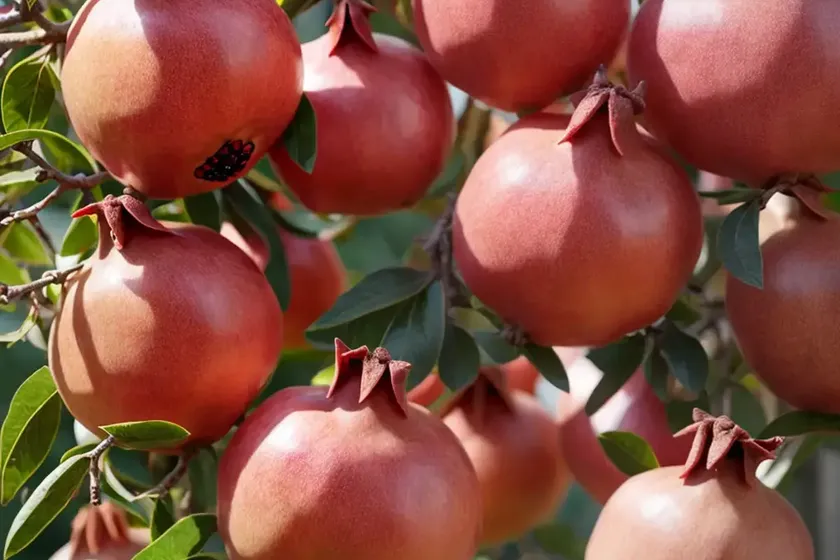
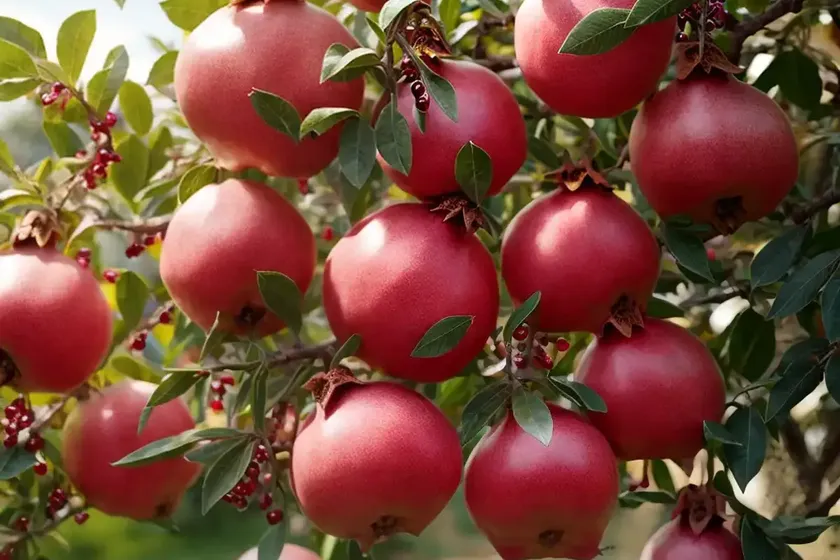
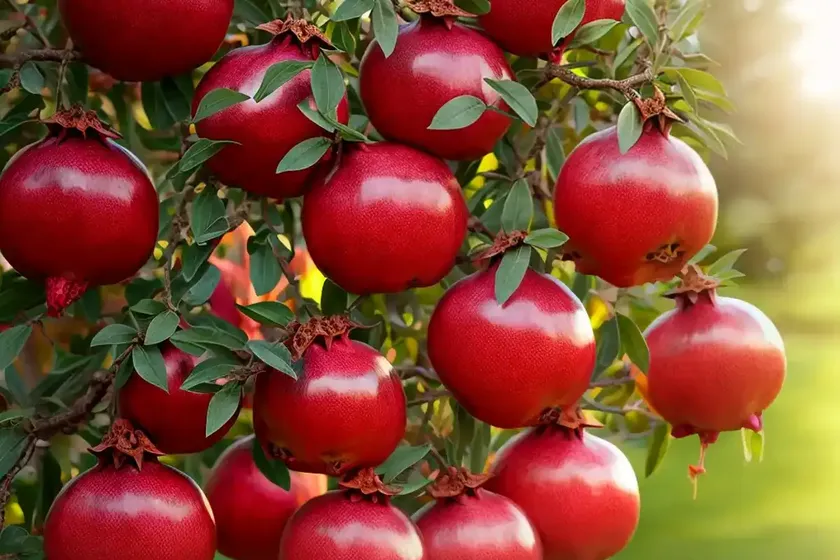
Punica granatum, commonly known as pomegranate, is a fruit-bearing deciduous shrub or small tree that belongs to the Lythraceae family. This plant is highly valued for its delicious and nutritious fruit, as well as for its ornamental appeal. With a rich historical and cultural significance, the Punica granatum has been cultivated and used for various purposes for centuries.
In this comprehensive guide, we will explore the key aspects of Punica granatum, including its culture, uses, preferred growing conditions, maintenance, common diseases and pests, propagation methods, and much more. Whether you are a gardening enthusiast, a plant lover, or someone interested in reaping the health benefits of pomegranates, this guide will provide you with valuable insights and practical tips for successfully growing and caring for Punica granatum.
What is Punica granatum (Pomegranate)?
The botanical name of the pomegranate, Punica granatum, is derived from the Latin words “punicus” which means Carthaginian, and “granatum” which refers to seeds. This nomenclature reflects the historical association of the fruit with ancient Carthage and emphasizes the abundance of seeds contained within the fruit.
Key Takeaways – Punica granatum (Pomegranate)
Before delving into the cultivation and care of Punica granatum, let’s take a look at some key takeaways and aspects of this fascinating plant:
- Botanical Name: Punica granatum
- Common Name: Pomegranate
- Family: Lythraceae
- Type: Deciduous shrub or small tree
- Cultural Significance: Revered for its historical, culinary, and medicinal uses
- Growth Habits: Can be grown as a fruit-bearing plant or as an ornamental shrub
- Fruit Characteristics: Tangy-sweet, rich in antioxidants, and often used in culinary applications and traditional medicine
- Growing Regions: Thrives in warm, arid climates and can be cultivated in subtropical to temperate regions
- Challenges: Susceptible to certain diseases and pests, may require specific care in cooler climates
- Popularity: Widely cultivated for its fruits, used in landscaping for its aesthetic appeal, and valued for its medicinal properties
Now that we have gained an overview of Punica granatum, let’s delve into the specifics of cultivating and caring for this plant.
Culture
Uses
Punica granatum, or pomegranate, is a plant with diverse and valuable uses. From its culinary applications to its medicinal properties and ornamental value, this plant offers a wide range of benefits.
Culinary Uses
Pomegranate fruits are celebrated for their distinct flavor and versatility in various culinary preparations. The vibrant arils, or edible seeds, are a popular addition to salads, desserts, and beverages. Pomegranate juice, known for its refreshing taste and nutritional benefits, is enjoyed both on its own and as an ingredient in cocktails and smoothies. Additionally, pomegranate molasses, a reduction of pomegranate juice, is widely used in Middle Eastern and Mediterranean cuisines to add a sweet-tart flavor to savory dishes.
Medicinal and Health Properties
Punica granatum is renowned for its medicinal properties and health benefits. Rich in antioxidants, vitamins, and phytochemicals, pomegranates have been traditionally used in various cultures to address health concerns. The fruit and its derivatives are believed to possess anti-inflammatory, cardiovascular, and anti-cancer properties, making them a valuable addition to health-conscious diets and natural remedies.
Ornamental and Symbolic Value
Beyond its culinary and medicinal uses, the pomegranate plant holds ornamental significance. Its vibrant, red-orange blossoms and decorative fruits make it a popular choice for landscaping and ornamental gardens. In various cultures, the pomegranate is also associated with symbolism and has been used to represent fertility, abundance, and prosperity.
Water
The water requirements for Punica granatum are moderate, especially during the growing season and fruit development. Adequate moisture is essential for consistent fruit production and overall plant health. However, pomegranate plants are also known for their tolerance to drought once established, making them suitable for arid and semi-arid regions.
Tips for Watering Pomegranate Plants:
- Establishment Phase: Newly planted pomegranate trees should be watered regularly to support root establishment. Deep, thorough watering is preferred over frequent shallow watering.
- Growing Season: During the active growing season, it is advisable to provide consistent moisture to support flower and fruit development. However, well-drained soil is crucial to prevent waterlogging that can lead to root rot.
- Drought Tolerance: Once the pomegranate plant is established, it can withstand dry periods. However, prolonged drought stress can affect fruit quality and yield.
Sunlight
Punica granatum thrives in full sunlight and requires ample exposure to direct sunlight for optimal growth and fruit production. When choosing a location for planting pomegranate trees, it is important to select a site that receives at least 6 to 8 hours of sunlight per day.
Sunlight Requirements for Pomegranate:
- Optimal Exposure: Plant pomegranate trees in a location that receives full sun for the majority of the day. This ensures vigorous growth, encourages flowering, and supports fruit set.
- Southern Exposure: In cooler climates, it is beneficial to choose a south-facing or sunny, sheltered spot to maximize sunlight exposure and promote ripening of fruits.
- Shading Considerations: Avoid planting pomegranate trees in shaded areas or areas with high competition from other large trees or structures, as this can hinder their growth and fruiting capacity.
Fertilizer
Proper fertilization is key to ensuring the healthy growth and fruit production of pomegranate plants. Understanding the nutritional needs of Punica granatum and providing balanced fertilization can significantly enhance the plant’s overall performance.
Fertilization Guidelines for Pomegranate:
- Nutrient Requirements: Pomegranate plants have specific nutrient requirements, including nitrogen, phosphorus, potassium, and micronutrients such as zinc and iron. A soil test can help determine the existing nutrient levels and guide fertilization decisions.
- Timing of Fertilization: Apply fertilizer in early spring before new growth begins, and consider additional applications during the growing season if the plant shows signs of nutrient deficiency or slow growth.
- Fertilizer Types: Use a balanced fertilizer with a ratio of 10-10-10 or similar N-P-K (nitrogen, phosphorus, potassium) formulation. Organic options such as well-rotted compost or aged manure can also provide valuable nutrients to the soil.
Soil
The selection of suitable soil and proper soil management practices are essential for the successful cultivation of Punica granatum. Pomegranate plants thrive in well-drained, slightly acidic to neutral soil with good fertility and structure.
Ideal Soil Conditions for Pomegranate:
- Drainage: Ensure that the soil has excellent drainage to prevent waterlogging, which can lead to root rot and other issues. Raised beds or mounded planting areas can be beneficial in poorly drained soils.
- Texture: Pomegranate plants prefer loamy or sandy loam soils with good aeration and structure. Avoid heavy clay soils that can impede root development and water infiltration.
- Soil pH: Aim for a slightly acidic to neutral soil pH range of 5.5 to 7.5. Conduct a soil pH test and make necessary adjustments using lime or sulfur to achieve the optimal pH for pomegranate cultivation.
Pruning
Pruning is an important aspect of pomegranate plant care, as it helps manage the plant’s growth, rejuvenate older branches, and promote fruiting. Proper pruning practices can also improve air circulation and light penetration within the canopy, reducing the risk of disease and enhancing fruit quality.
Pruning Recommendations for Pomegranate Plants:
- Annual Pruning: Conduct annual pruning during the dormant season, typically in late winter or early spring before the onset of new growth. This is an opportune time to remove dead or diseased wood, thin out crowded branches, and shape the plant.
- Thinning Out Branches: Remove weak, crossing, or excessively dense branches to allow adequate sunlight and airflow within the canopy. This helps reduce the risk of fungal diseases and promotes uniform fruit development.
- Branch Renewal: Encourage new growth and rejuvenation by selectively removing older, non-productive wood. This stimulates the development of healthy, productive shoots and maintains the vigor of the plant.
Propagation
Punica granatum can be propagated through various methods, including seeds, cuttings, and layering. Each propagation technique has its own set of advantages and considerations, allowing growers to select the most suitable method based on their specific needs and resources.
Propagation Methods for Pomegranate:
- Seed Propagation: Growing pomegranate plants from seeds is one of the most common methods. Seeds extracted from ripe fruits can be sown in well-draining seedling mix, and with proper care, they can develop into vigorous young plants. However, keep in mind that seed-grown pomegranate plants may exhibit variability in fruit quality and characteristics.
- Cutting Propagation: Semi-hardwood cuttings taken from healthy, disease-free pomegranate plants can be used to propagate genetically identical clones. Rooting hormone application and appropriate moisture levels enhance the success rate of cutting propagation.
- Layering: Air layering or simple layering can be employed to propagate new pomegranate plants from established branches. This method allows the rooted layer to be separated and transplanted as an independent plant once it has developed adequate roots.
Container Popularity
Pomegranate plants are well-suited for container cultivation, making them a popular choice for home gardeners with limited space or those residing in cooler climates. When grown in containers, pomegranate plants can be provided with tailored growing conditions and protected from extreme weather.
Considerations for Growing Pomegranates in Containers:
- Container Selection: Choose a large, sturdy container with adequate drainage holes to accommodate the vigorous growth of pomegranate plants. Select a container made of durable materials such as terracotta, plastic, or wood.
- Well-Draining Soil Mix: Use a high-quality, well-draining potting mix specifically formulated for fruit-bearing plants. A mix containing perlite, coarse sand, and organic matter provides the necessary aeration and moisture retention for container-grown pomegranates.
- Optimal Placement: Position the potted pomegranate plant in a location that receives full sun exposure. In cooler climates, consider moving the container to a sheltered area or providing winter protection to prevent cold damage.
Common Diseases
Punica granatum is susceptible to certain diseases, including fungal, bacterial, and viral infections. Identifying the symptoms of common pomegranate diseases and implementing appropriate management strategies are crucial for preserving the health and productivity of these plants.
Disease Diagnosis and Management:
- Fungal Diseases: Keep an eye out for signs of powdery mildew, Alternaria fruit rot, and Cercospora fruit spot, which can affect pomegranate foliage and fruits. Fungal diseases can be managed through cultural practices such as adequate spacing, proper pruning, and fungicidal treatments if necessary.
- Bacterial Blight: This bacterial disease can cause leaf spots, dieback, and fruit lesions. Prune affected areas, and consider copper-based bactericides to manage bacterial blight and minimize its spread.
- Viral Infections: Leaf curl virus and other viral pathogens can impact pomegranate plants, resulting in stunted growth and leaf deformation. Prevention through the use of virus-free planting material and controlling insect vectors is crucial in managing viral diseases.
Common Pests
Several insect pests can pose a threat to pomegranate plants, impacting their growth, fruit quality, and overall vitality. Monitoring for pest activity and implementing integrated pest management (IPM) strategies can help mitigate the damage caused by these pests.
Common Pomegranate Pests:
- Aphids: These small, soft-bodied insects feed on plant sap and can cause distorted growth and sooty mold development. Natural predators, insecticidal soaps, and horticultural oils can be used to manage aphid populations.
- Whiteflies: Whiteflies can be problematic for pomegranates, especially in greenhouse or indoor settings. Yellow sticky traps and insecticidal treatments help control whitefly infestations and reduce their impact on plant health.
- Fruit Borers: Larvae of certain moths and beetles can bore into pomegranate fruits, leading to spoilage and reduced marketability. Pheromone traps, timely harvesting, and physical exclusion methods are effective for fruit borer management.
Botanist’s Tips
Advice from Plant Scientists:
- Choose Suitable Varieties: Select pomegranate varieties that are well-adapted to your climate and intended use, whether for fresh consumption or processing into juice and other products.
- Proper Pollination: Consider the pollination requirements of pomegranate plants, as some varieties may benefit from cross-pollination to ensure optimal fruit set and yield.
- Integrated Pest Management: Adopt IPM practices to manage pests and diseases, focusing on cultural, biological, and targeted chemical control measures to minimize environmental impact and protect beneficial organisms.
Fun Facts
Intriguing Trivia about Punica granatum:
- Historical Significance: The pomegranate is steeped in mythology and folklore, with references in ancient Greek, Egyptian, and Mesopotamian cultures. It has been associated with fertility, prosperity, and regeneration in various traditions.
- Symbol of Abundance: Pomegranates have been used as decorative motifs in art, textiles, and architecture, symbolizing abundance and good fortune in many cultures.
- Pomegranate Arils: The edible arils of the pomegranate fruit are typically divided into multiple segments, with each containing a juicy seed surrounded by a translucent, flavorful pulp.
- Longevity and Growth: Pomegranate trees are known for their longevity, with some specimens living for over 200 years. They can thrive in diverse climatic conditions and are appreciated for their resilience.
- Global Distribution: With a history of cultivation spanning thousands of years, pomegranates are grown in regions ranging from the Mediterranean to Central Asia and the Indian subcontinent.
Links to External Resources
To further enrich your knowledge about Punica granatum and explore its diverse aspects, consider exploring the following resources:
- Pomegranate Council – Health and Nutrition
- Pomegranate Varieties – University of California Agriculture and Natural Resources
- Pomegranate Production and Processing – FAO
- Medicinal Uses of Pomegranate – National Center for Biotechnology Information
- Pomegranate Pest Management – University of Florida IFAS Extension
We hope that this comprehensive guide has provided you with valuable insights into the cultivation, uses, and care of Punica granatum (Pomegranate). Whether you are considering growing pomegranates in your garden or simply wish to learn more about this remarkable plant, we encourage you to explore the rich traditions, nutritional benefits, and practical knowledge associated with the pomegranate.
Keywords: Punica granatum benefits, Pomegranate health benefits, Pomegranate tree care, Punica granatum plant, Common pomegranate pests, Punica granatum cultivation, Pomegranate growing tips, Punica granatum uses, Pomegranate juice benefits, Punica granatum medicinal uses.
References:
– “The Pomegranate: A Comprehensive Guide” by ABC Gardening Australia- Read Article
-
“Pomegranate Cultivation and Culture” by the University of California Agriculture and Natural Resources- Read Article
-
“Pomegranate Diseases” by Texas A&M AgriLife Extension- Read Article
-
“Pomegranate Varieties and Characteristics” by the International Society for Horticultural Science- Read Article
-
“Pomegranate: Botany, Horticulture, Breeding” by the Food and Agriculture Organization of the United Nations- Read Article


