Prunus Salicina ‘Santa Rosa’ (Japanese Plum)
Prunus salicina ‘Santa Rosa’, also known as the Japanese Plum ‘Santa Rosa’, is a popular fruit tree that is cherished for its delicious and juicy plums..
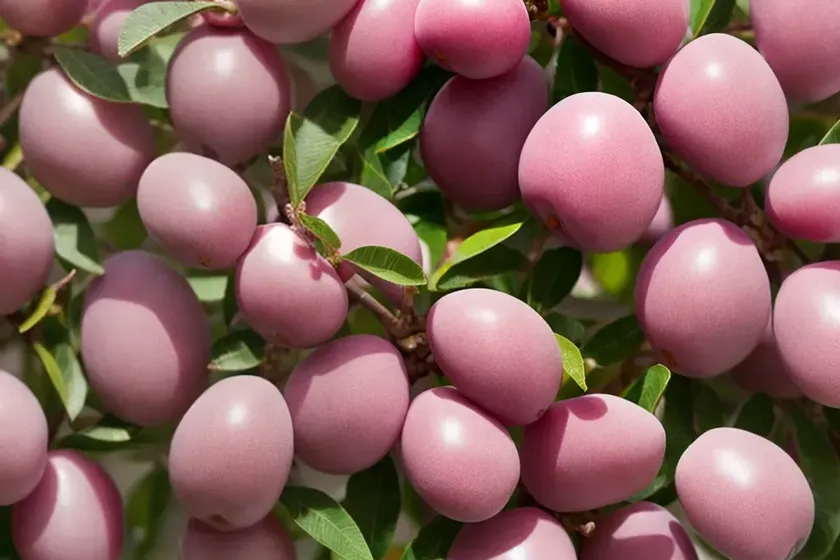
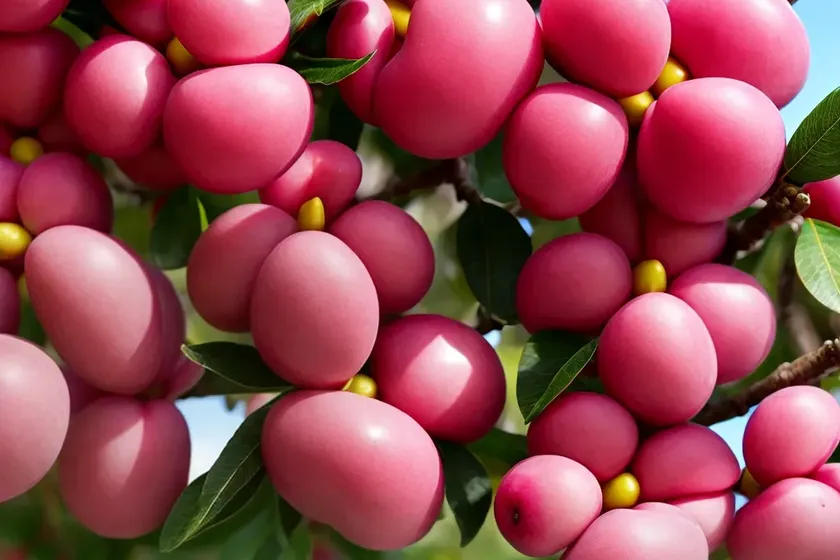
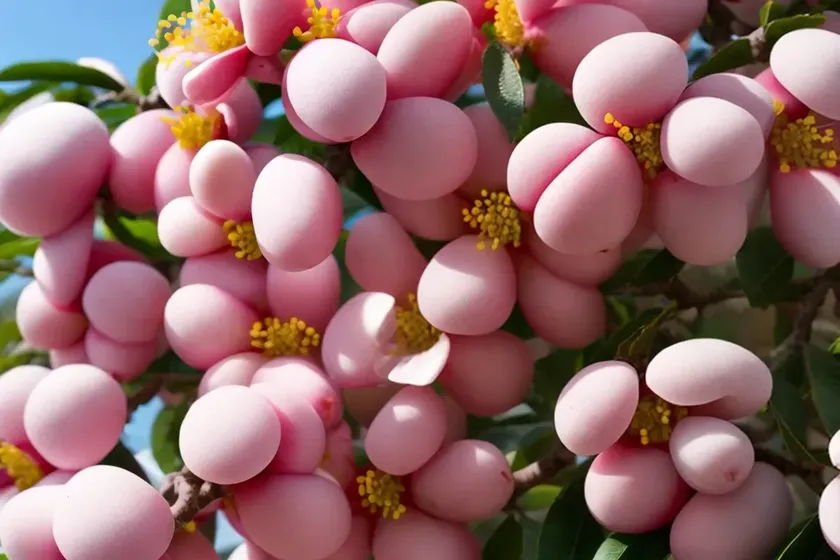
Prunus salicina ‘Santa Rosa’, also known as the Japanese Plum ‘Santa Rosa’, is a popular fruit tree that is cherished for its delicious and juicy plums. This fruit-bearing tree is not only valued for its delectable fruits but also for its ornamental value, making it a versatile addition to gardens and landscapes. In this comprehensive guide, we will delve into the cultivation and care of Prunus salicina ‘Santa Rosa’, exploring its cultural requirements, uses, maintenance, and much more.
What is Prunus salicina ‘Santa Rosa’ (Japanese Plum)?
Prunus salicina ‘Santa Rosa’ is a deciduous fruit tree belonging to the Rosaceae family. It is native to China and has been extensively cultivated in various parts of the world for its fruit production. The ‘Santa Rosa’ cultivar is particularly noteworthy for its excellent flavor, high productivity, and beautiful appearance. The tree typically reaches a moderate size and displays attractive flowers, making it not only a source of delicious fruits but also an ornamental centerpiece in gardens and landscapes.
Key Takeaways – Prunus salicina ‘Santa Rosa’ (Japanese Plum)
Before diving deeper into the cultivation and care of Prunus salicina ‘Santa Rosa’, let’s explore some key takeaways about this fascinating plant:
- Common Name: Japanese Plum ‘Santa Rosa’
- Botanical Name: Prunus salicina ‘Santa Rosa’
- Family: Rosaceae
- Native Region: China
- Fruit Type: Stone Fruit
- Ornamental Value: Yes
- Hardiness: Suitable for USDA Hardiness Zones 5-9
The Japanese Plum ‘Santa Rosa’ exemplifies the perfect combination of practical fruit production and aesthetic appeal, making it a sought-after addition to horticultural spaces.
Culture
Uses
The Prunus salicina ‘Santa Rosa’ has multiple uses, serving both practical and ornamental purposes. Its primary uses include:
- Fruit Production: The tree is primarily cultivated for the delicious and succulent plums it yields.
- Ornamental Value: Apart from its fruit-bearing qualities, the tree’s appealing flowers, and overall aesthetic make it a valuable ornamental feature in gardens and landscapes.
Water
Proper watering is essential for the healthy growth and fruit production of Prunus salicina ‘Santa Rosa’. The tree generally requires regular watering, especially during periods of drought or when grown in containers. Sufficient moisture is crucial for consistent fruit development and overall plant vigor.
Sunlight
Prunus salicina ‘Santa Rosa’ thrives in full sunlight, requiring at least 6-8 hours of direct sunlight daily for optimal growth and fruiting. Adequate sunlight exposure is vital for flowering, fruit set, and the development of flavorful plums.
Fertilizer
A balanced fertilizer regimen is beneficial for promoting the growth and fruiting of Prunus salicina ‘Santa Rosa’. Fertilize the tree in early spring with a complete, slow-release fertilizer to provide essential nutrients for the upcoming growing season. Additionally, a second application in late spring or early summer can support the tree’s fruit development.
Soil
The Japanese Plum ‘Santa Rosa’ prefers well-draining, fertile soil with a slightly acidic to neutral pH. Loamy or sandy loam soils are particularly suitable for its cultivation. Good soil structure and fertility are vital for the tree’s overall health, fruit yield, and resistance to diseases and pests.
Pruning
Pruning plays a crucial role in shaping the growth of Prunus salicina ‘Santa Rosa’ and promoting optimal fruit production. Employ the following pruning practices to ensure the tree’s health and productivity:
- Regular Pruning: Conduct annual pruning during the dormant season to remove dead or diseased branches, improve air circulation, and maintain the tree’s shape.
- Thinning: Thin out crowded branches to allow better light penetration and air circulation, leading to more robust and flavorful fruit development.
- Training: Train the tree’s branches to create an open and balanced canopy, enhancing fruit quality and ease of maintenance.
Propagation
The propagation of Prunus salicina ‘Santa Rosa’ is commonly carried out through grafting or budding techniques. Successful propagation methods typically involve the use of healthy, disease-free scion wood grafted onto suitable rootstocks. Grafting ensures that the desirable characteristics of the ‘Santa Rosa’ cultivar are preserved and propagated, leading to consistent fruit quality and tree performance.
Container Popularity
Prunus salicina ‘Santa Rosa’ is well-suited for container cultivation, allowing enthusiasts with limited gardening space to enjoy the beauty and bounty of this fruit tree. Its compact size, ornamental appeal, and fruiting capability make it a popular choice for container gardening. When grown in containers, ensure adequate space, proper drainage, and regular maintenance to support the tree’s growth and fruit production.
Common Diseases
While Prunus salicina ‘Santa Rosa’ is generally relatively resistant to diseases, it can be susceptible to certain fungal and bacterial pathogens. Common diseases that may affect the tree include:
- Brown Rot: A fungal disease leading to fruit rot and cankers, particularly prevalent during periods of high humidity. Good sanitation and fungicidal applications can help manage brown rot.
- Shot Hole Disease: Caused by a bacterial pathogen, this disease results in the formation of shot holes on leaves, leading to defoliation. Proper sanitation and resistant cultivars can aid in the prevention of shot hole disease.
- Leaf Curl: This fungal disease causes debilitating deformities in the leaves, reducing the tree’s vigor and fruit production. Applying fungicides during the dormant season can mitigate leaf curl.
Disease Diagnosis
Proper diagnosis of potential diseases affecting Prunus salicina ‘Santa Rosa’ is crucial for implementing effective management strategies. Consult with a plant pathologist or extension service if you observe abnormal symptoms on the tree, such as leaf discoloration, fruit rot, or cankers. Accurate diagnosis enables targeted treatment and preventive measures to safeguard the tree’s health.
Common Pests
Various pests have the potential to inflict damage on Prunus salicina ‘Santa Rosa’, affecting its growth and fruit quality. Noteworthy pests include:
- Aphids: These small, sap-sucking insects can cause leaf distortion and reduce the tree’s overall vigor. Natural predators, insecticidal soaps, and horticultural oils can help manage aphid infestations.
- Plum Curculio: This notorious pest inflicts damage by laying eggs in developing fruit, resulting in deformities and premature drop. Physical barriers and insecticide applications can deter plum curculio infestations.
- Scale Insects: Scale infestations can impede the tree’s growth and weaken its overall condition. Targeted insecticidal treatments and horticultural oils can assist in controlling scale insect populations.
Vigilance and prompt action are essential in managing potential pest issues, safeguarding the health and productivity of Prunus salicina ‘Santa Rosa’.
Botanist’s Tips
Here are some valuable tips from botanists and horticultural experts to optimize the cultivation and care of Prunus salicina ‘Santa Rosa’:
- Cross-Pollination: To ensure prolific fruit set, consider planting multiple Prunus salicina cultivars or other compatible plums nearby to facilitate cross-pollination.
- Sanitation Practices: Maintain good sanitation by promptly removing fallen leaves, fruit, and prunings to minimize disease pressure and pest habitats.
- Winter Protection: In regions with harsh winters, protect the tree from frost damage by providing appropriate insulation and ensuring adequate cold hardiness.
Implementing these expert recommendations can contribute to the successful growth, fruiting, and overall well-being of Prunus salicina ‘Santa Rosa’.
Fun Facts
As we explore the captivating world of Prunus salicina ‘Santa Rosa’, let’s uncover some intriguing fun facts about this delightful fruit tree:
- The ‘Santa Rosa’ cultivar was developed by the legendary horticulturist Luther Burbank in the late 19th century, showcasing his renowned expertise in plant breeding.
- Japanese Plum ‘Santa Rosa’ is considered a self-fertile variety, capable of setting fruit on its own, although cross-pollination can enhance yield and fruit quality.
- Prunus salicina ‘Santa Rosa’ plums are renowned for their exceptional taste, with a perfect balance of sweetness and acidity, rendering them ideal for fresh consumption, preserves, and culinary endeavors.
Links to External Resources
Explore the following external resources for additional insights and information on Prunus salicina ‘Santa Rosa’:
With a wealth of knowledge and practical guidelines, you are equipped to embark on the rewarding journey of cultivating and caring for Prunus salicina ‘Santa Rosa’, the esteemed Japanese Plum. Whether you are drawn to its delectable fruits or enchanting blossoms, this remarkable tree promises to enrich your horticultural pursuits.
By delving into the intricacies of Prunus salicina ‘Santa Rosa’ and providing comprehensive insights into its cultivation and care, this guide aims to empower plant enthusiasts and horticulturists with the knowledge required to nourish and cherish this exquisite fruit-bearing tree. Whether you are an avid gardener, a fruit aficionado, or a landscape enthusiast, the versatile attributes of the Japanese Plum ‘Santa Rosa’ are sure to captivate and inspire your botanical endeavors.


