Prunus Salicina ‘Methley’ (Japanese Plum)
Prunus salicina ‘Methley’, commonly known as Japanese Plum ‘Methley’, is a captivating fruit-bearing tree with great cultural and landscape significance..
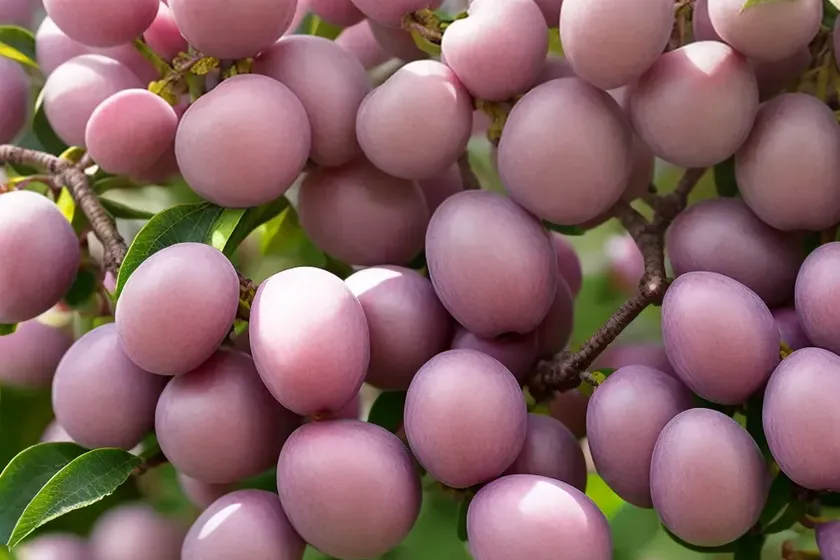
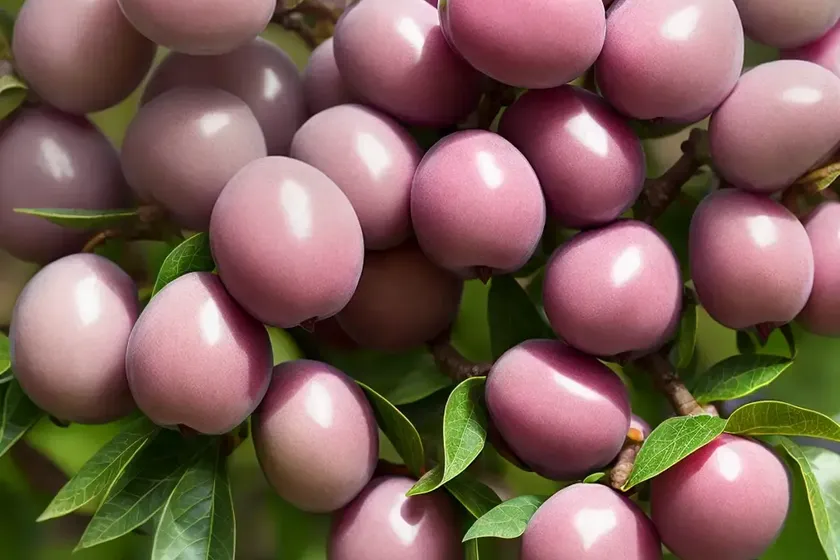

Prunus salicina ‘Methley’, commonly known as Japanese Plum ‘Methley’, is a captivating fruit-bearing tree with great cultural and landscape significance. This highly esteemed cultivar is widely appreciated by gardeners and farmers for its exquisite beauty and delectable fruit production. In this comprehensive guide, we will delve into the characteristics, cultivation, uses, and maintenance of Prunus salicina ‘Methley’ to empower enthusiasts and professionals with valuable insights into this remarkable plant.
What is Prunus salicina ‘Methley’ (Japanese Plum)?
Prunus salicina ‘Methley’ belongs to the family Rosaceae and is a deciduous fruit tree originating from Asia. It is renowned for its vibrant flowers, luscious fruits, and ornamental value, making it an excellent addition to orchards, landscapes, and gardens. The Methley Plum variety is particularly favored for its high-quality fruit that is suitable for fresh consumption, preserves, and culinary applications.
Key Takeaways – Prunus salicina ‘Methley’ (Japanese Plum)
Before we delve into the details of growing and caring for Prunus salicina ‘Methley’, let’s highlight some of the key takeaways associated with this captivating cultivar.
- Cultivar Name: Prunus salicina ‘Methley’
- Common Name: Japanese Plum ‘Methley’
- Characteristics: Exquisite blossoms, flavorful fruit, and ornamental foliage
- Growth Requirements: Sunlight, water, soil, and fertilizer considerations
- Cultural and Culinary Uses: Landscape ornamentation and fruit production
With these key points in mind, let’s proceed to explore the nuances of cultivating and nurturing Prunus salicina ‘Methley’ to maximize its potential in various environments.
Culture
Understanding the cultural requirements of Prunus salicina ‘Methley’ is essential for fostering its growth and ensuring optimal fruit production. From soil considerations to pruning techniques, each aspect contributes to the overall well-being of this cultivar.
Uses
The Japanese Plum ‘Methley’ offers a myriad of uses that make it a prized addition to horticultural and agricultural settings. Its primary uses include:
- Fruit Production: Abundant harvests of succulent plums for fresh consumption and culinary purposes.
- Landscape Ornamentation: Aesthetically pleasing blossoms and foliage for enhancing garden and orchard landscapes.
- Wildlife Attraction: Serving as a valuable resource for pollinators and other wildlife.
Water
Proper hydration is crucial for the healthy development of Prunus salicina ‘Methley’. While it exhibits a degree of drought tolerance once established, consistent watering is vital during its early stages and fruit development. Aim to provide regular, deep waterings to ensure adequate moisture levels for robust growth and fruiting.
Sunlight
As a sun-loving plant, the Japanese Plum ‘Methley’ thrives in full sunlight. Positioning it in a location with ample sunlight exposure is pivotal for stimulating flowering, fruit set, and overall vigor. Aim to provide at least 6-8 hours of direct sunlight daily for optimal performance.
Fertilizer
Fertilization plays a pivotal role in supporting the nutrient requirements of Prunus salicina ‘Methley’. A balanced fertilizer application in early spring, prior to the onset of new growth, can enhance its overall vitality and fruit production. Consider using a fertilizer formulated specifically for fruit trees to provide the essential nutrients for robust development.
Soil
The soil composition directly impacts the health and productivity of Prunus salicina ‘Methley’. Well-draining, fertile soil with a slightly acidic to neutral pH is ideal for promoting vigorous growth and fruiting. Additionally, incorporating organic matter into the soil can improve its structure and fertility, contributing to the overall well-being of the plant.
Pruning
Adhering to a consistent pruning regimen is essential for shaping the growth of Prunus salicina ‘Methley’, promoting air circulation, and facilitating fruit production. Prune during the dormant season to remove dead or diseased wood, promote new growth, and maintain an open canopy for adequate sunlight penetration.
Propagation
The propagation of Prunus salicina ‘Methley’ can be achieved through various methods, including seed propagation, grafting, and budding. Each technique offers unique advantages and considerations, allowing for the propagation of this cultivar in different settings and with varying success rates.
Container Popularity
While Prunus salicina ‘Methley’ is commonly cultivated in orchards and landscapes, it also exhibits a degree of adaptability to container cultivation. The compact size of certain cultivars and their ornamental value make them suitable for container gardening, allowing enthusiasts with limited space to appreciate the beauty and fruitfulness of this remarkable plant.
Common Diseases
Prunus salicina ‘Methley’ is susceptible to various diseases that can hinder its growth and fruit production if left unmanaged. Understanding the common diseases and their associated symptoms is crucial for implementing effective preventive and remedial measures to safeguard the health of the plant.
Disease Diagnosis
Identifying and diagnosing diseases affecting Prunus salicina ‘Methley’ is a critical aspect of proactive plant care. Common diseases that may afflict this cultivar include:
- Brown Rot: Characterized by the presence of brown, mummified fruit and twig cankers.
- Leaf Spot: Manifests as dark spots on the foliage, potentially leading to defoliation and reduced vigor.
- Powdery Mildew: Notable for the powdery white growth on leaves and shoots, impacting overall plant health.
Careful monitoring of the plant’s overall health and prompt recognition of disease symptoms are imperative for implementing targeted management strategies.
Common Pests
Several pests pose a threat to the well-being of Prunus salicina ‘Methley’, requiring vigilant monitoring and appropriate pest management practices to mitigate potential damage. By understanding the typical pests and their behaviors, proactive measures can be implemented to minimize the impact of infestations.
Pest Control
Effective pest control measures are instrumental in safeguarding the health and fruitfulness of Japanese Plum ‘Methley’. Common pests that may affect this cultivar include:
- Aphids: Sap-sucking insects that can distort new growth and impact overall vigor.
- Plum Curculio: Notorious for causing fruit damage, resulting in reduced quality and yield.
- Scale Insects: Typically present on stems and foliage, impacting plant health and vitality.
Implementing integrated pest management practices that encompass cultural, mechanical, and biological controls can effectively mitigate pest pressure and preserve the well-being of the plant.
Botanist’s Tips
Armed with insights from plant scientists and horticultural experts, here are some valuable tips for cultivating and caring for Prunus salicina ‘Methley’ to optimize its growth and fruit production:
- Pollination: Consider planting compatible pollinators to ensure efficient and abundant fruit set.
- Winter Care: Provide adequate protection during winter to safeguard against frost damage and cold injury.
- Mulching: Apply a layer of organic mulch around the base of the tree to conserve moisture and regulate soil temperature.
These expert recommendations can significantly contribute to the success of cultivating and nurturing this captivating cultivar.
Fun Facts
Uncover intriguing and captivating facts that showcase the charm and appeal of Prunus salicina ‘Methley’:
- The Methley Plum variety is renowned for its early fruiting, often yielding ripe plums in early summer.
- The vibrant blossoms of Japanese Plum ‘Methley’ not only enhance its ornamental value but also attract pollinators to the garden.
These fun facts add an enriching dimension to the appreciation of this exceptional cultivar.
Links to External Resources
For further exploration and in-depth knowledge about Prunus salicina ‘Methley’, here are some valuable external resources:
- University of California Agricultural and Natural Resources – Prunus salicina (Japanese Plum)
- National Gardening Association – Growing Japanese Plums
- Missouri Botanical Garden – Prunus salicina ‘Methley’ Plant Profile
These resources offer a wealth of information, insights, and practical guidance for enthusiasts and professionals alike.
In conclusion, Prunus salicina ‘Methley’ stands as a captivating and valuable cultivar with its sublime blossoms, delectable fruits, and ornamental allure. By embracing the cultural requirements, understanding common issues, and implementing best practices, enthusiasts and professionals can foster the exceptional growth and fruitfulness of this remarkable Japanese Plum variety. Whether in orchards, gardens, or container settings, the allure of Prunus salicina ‘Methley’ continues to enchant and inspire, underscoring its enduring appeal in horticultural and agricultural landscapes.
By nurturing an understanding of the intricacies and nuances of Prunus salicina ‘Methley’, enthusiasts and professionals can embark on a rewarding journey of cultivating, appreciating, and benefiting from the exceptional qualities and attributes of this esteemed cultivar.


