Prunus Persica ‘Redhaven’ (Peach)
Prunus persica ‘Redhaven’, commonly known as the Redhaven peach, is a popular and widely grown fruit tree in many parts of the world. This article is a.
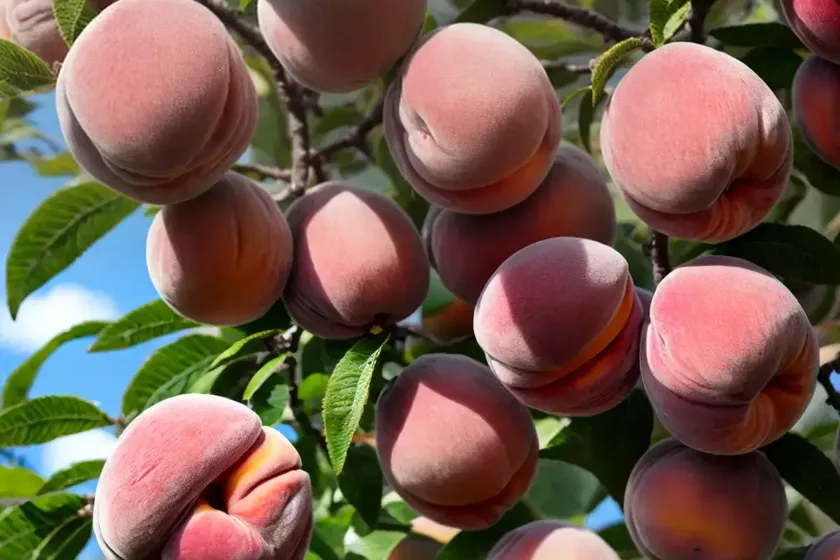
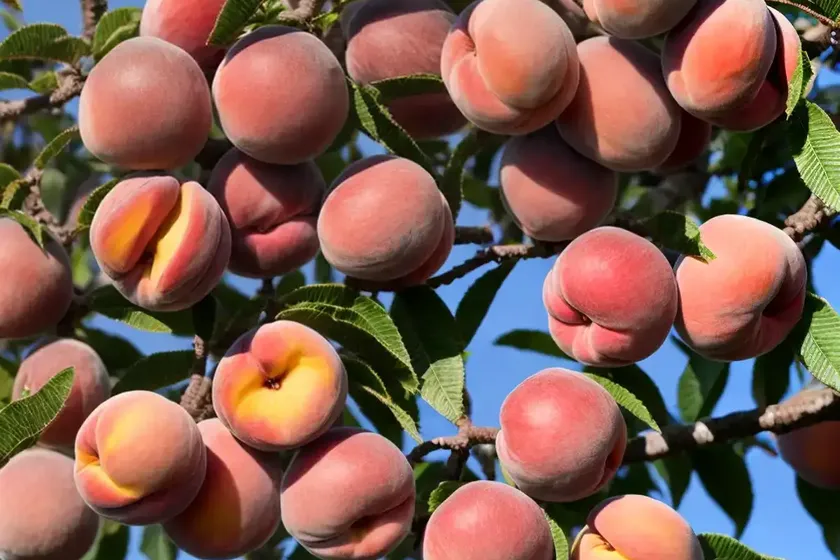
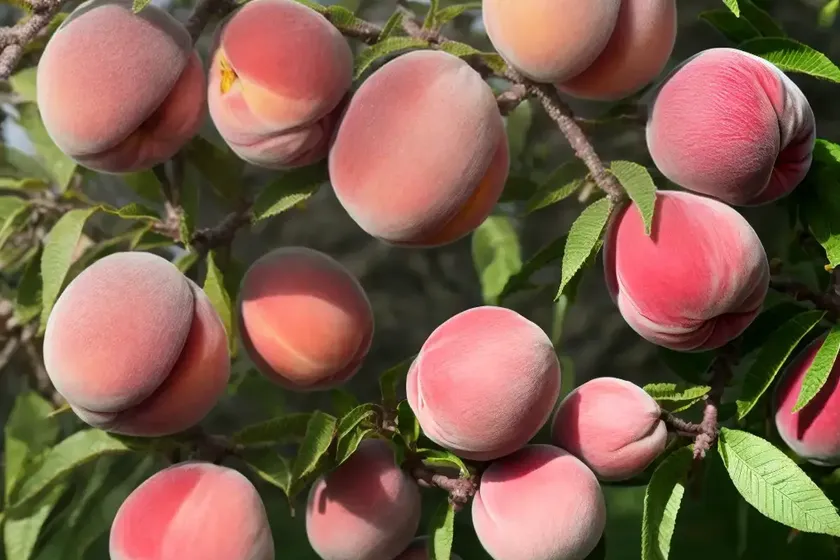
Prunus persica ‘Redhaven’, commonly known as the Redhaven peach, is a popular and widely grown fruit tree in many parts of the world. This article is a comprehensive guide to understanding the various aspects of growing and caring for Prunus persica ‘Redhaven’ peach trees.
What is Prunus persica ‘Redhaven’ (Peach)?
Prunus persica ‘Redhaven’ is a deciduous tree that belongs to the Rosaceae family. It is primarily cultivated for its delicious, juicy fruits. The Redhaven peach tree is known for its attractive pink blossoms in spring and its flavorful and tender fruit, which ripens in mid-summer. It is a self-pollinating variety, making it an excellent choice for home orchards and small-scale commercial production.
Key Takeaways – Prunus persica ‘Redhaven’ (Peach)
Culture
- Origin: The Redhaven peach was first developed at the Michigan State University in the 1940s and has since become one of the most popular peach varieties in the United States.
- Maturity: It typically reaches maturity within three to four years after planting.
- Fruit: The Redhaven peach is a delicious, sweet-tasting fruit that is widely enjoyed fresh, canned, or used in various culinary applications.
Uses
- Culinary Uses: The fruits are consumed fresh and are also used in preserves, desserts, and beverages.
- Ornamental: The tree itself is an attractive addition to the landscape, especially during the spring when it is adorned with fragrant pink blossoms.
Water
- Watering Requirements: Newly planted trees require regular watering, and mature trees benefit from deep, infrequent watering during dry periods. A consistent moisture level must be maintained, especially during the fruit development stage.
Sunlight
- Sun Exposure: The Redhaven peach tree thrives in full sun, requiring at least 6-8 hours of direct sunlight per day for optimal growth and fruit production.
Fertilizer
- Fertilizer Needs: Regular applications of balanced fertilizer in early spring and late fall are essential to support vigorous growth, flowering, and fruiting.
Soil
- Soil Conditions: Well-drained, fertile soil with a slightly acidic pH is ideal for the Redhaven peach tree.
Pruning
- Pruning Techniques: Annual pruning is necessary to maintain an open-center shape, facilitate air circulation, and remove dead or diseased wood.
Propagation
- Propagation Methods: Redhaven peach trees are commonly propagated through bud grafting onto suitable rootstocks, which ensures uniformity and strong root systems.
Container
- Container Gardening: While Redhaven peach trees can be grown in containers, it is essential to select large, sturdy containers and provide adequate support for branches bearing heavy fruit loads.
Popularity
- Gardeners’ Favorite: It is a favored choice among home gardeners, orchardists, and commercial fruit growers due to its flavorful fruits and relatively low chilling requirement.
Common Diseases
- Disease Susceptibility: Redhaven peach trees are susceptible to diseases such as peach leaf curl, brown rot, and bacterial spot, especially in regions with high humidity.
Disease Diagnosis
- Symptom Identification: Learning to identify common peach tree diseases’ symptoms can help in implementing timely management and control measures.
Common Pests
- Pest Infestation: Redhaven peach trees may be affected by various pests, including aphids, scale insects, and peach tree borers, requiring vigilant monitoring and integrated pest management approaches.
Botanist’s Tips
- Regular monitoring of the tree for signs of disease or pest infestation is crucial for maintaining tree health and fruit quality.
- Proper pruning and training methods should be employed to shape the tree and manage its fruit-bearing capacity.
Fun Facts
- The Redhaven peach was one of the first varieties to exhibit significant resistance to leaf curl, a common fungal disease affecting peach trees.
- The name “Redhaven” is derived from the deep red blush that develops on the fruit’s skin as it ripens.
For detailed information on each of the above topics, please continue reading the corresponding sections below.
Prunus persica ‘Redhaven’ Care
Growing Prunus persica ‘Redhaven’
The Redhaven peach tree is relatively easy to grow and maintain. Optimal care and cultivation practices can ensure healthy growth and abundant fruit production. Here’s a comprehensive guide to caring for your Prunus persica ‘Redhaven’ peach tree:
Prunus persica ‘Redhaven’ Pruning Tips
Pruning is an essential aspect of maintaining the health and productivity of the Redhaven peach tree. Proper pruning techniques promote fruiting and limit disease susceptibility. Here are some key pruning tips for Redhaven peach trees:
- Prune during the dormant season to remove dead or diseased branches, shape the tree, and promote healthy fruit-bearing wood.
- Use sharp, sterile pruning tools to make clean cuts and avoid damaging the tree.
Prunus persica ‘Redhaven’ Fertilizer Needs
A well-balanced fertilizer application is crucial in providing essential nutrients for the vigorous growth and development of Redhaven peach trees. Here are some fertilizer tips specific to Prunus persica ‘Redhaven’:
- Apply a complete fertilizer with a balanced N-P-K ratio in early spring before bud break and in late fall after leaf drop to support overall tree health.
- Follow soil test recommendations to determine specific nutrient requirements.
Prunus persica ‘Redhaven’ Disease Prevention
Preventing diseases is key to maintaining the vitality and productivity of Redhaven peach trees. Implementing proactive disease prevention measures can significantly reduce the risk of infections. Here are some effective disease prevention strategies for Prunus persica ‘Redhaven’:
- Choose disease-resistant cultivars and rootstocks when establishing new peach orchards or home plantings.
- Apply preventive fungicidal sprays as recommended, especially during periods of high humidity.
Prunus persica ‘Redhaven’ Pest Control
Controlling pests is essential for preserving fruit quality and overall tree health. Integrated pest management (IPM) practices are valuable in managing pest populations while minimizing environmental impact. Here are effective pest control measures specific to Prunus persica ‘Redhaven’:
- Monitor tree limbs, foliage, and fruit for signs of pest activity regularly.
- Implement biological control methods, such as introducing beneficial insects, to suppress pest populations.
Prunus persica ‘Redhaven’ Watering Requirements
Proper irrigation is critical for ensuring the health and productivity of Redhaven peach trees. Understanding the watering needs and implementing appropriate watering practices are essential for successful peach cultivation. Here are some key watering requirements for Prunus persica ‘Redhaven’:
- Newly planted trees require consistent moisture, and regular deep watering should be provided to promote root establishment.
- Adjust irrigation frequency and duration based on weather conditions and the tree’s growth stage.
Choosing Prunus persica ‘Redhaven’ for Your Garden
The Redhaven peach tree’s desirable characteristics make it an excellent choice for home gardens, orchards, and commercial fruit production. When considering Prunus persica ‘Redhaven’ for your garden, it’s essential to evaluate the following factors:
- Climate suitability
- Soil and water availability
- Space and sunlight requirements
Prunus persica ‘Redhaven’ Companion Plants
Strategic planting of companion plants can offer numerous benefits to Redhaven peach trees, including improved pest management, enhanced soil fertility, and effective space utilization. Here are some suitable companion plants for Prunus persica ‘Redhaven’:
- Nitrogen-fixing cover crops, such as clover or vetch, can enhance soil fertility and structure.
- Compatible fruit trees, such as apple or apricot, can serve as beneficial pollinators and provide aesthetic diversity.
Prunus persica ‘Redhaven’ Soil Conditions
Optimal soil conditions are fundamental for supporting the growth and fruiting of Redhaven peach trees. Understanding the specific soil requirements and making necessary amendments contribute to overall tree health. Here are some key soil conditions for Prunus persica ‘Redhaven’:
- Well-drained soil with moderate fertility and a slightly acidic pH (6.0-6.5) is ideal for Redhaven peach trees.
- Conduct soil tests to assess nutrient levels and pH and make appropriate adjustments based on test results.
Prunus persica ‘Redhaven’ Sun Exposure
Adequate sunlight is essential for promoting robust growth, flowering, and fruit set in Redhaven peach trees. Understanding the sun exposure needs and optimizing planting locations can significantly impact tree performance. Here are some critical considerations for sun exposure in Prunus persica ‘Redhaven’:
- Plant Redhaven peach trees in locations that receive at least 6-8 hours of direct sunlight daily to ensure optimal growth and fruit production.
- Avoid planting in shaded or low-lying areas prone to frost pockets or poor air circulation.
Prunus persica ‘Redhaven’ Planting Guide
Proper planting practices are crucial for ensuring the establishment and long-term success of Redhaven peach trees. Following a comprehensive planting guide can help maximize tree health and fruit yield. Here are essential steps to consider when planting Prunus persica ‘Redhaven’:
- Select well-drained, fertile soil and a suitable planting site with optimal sunlight exposure.
- Dig a planting hole twice as wide as the root system and at a depth that allows the graft union to sit above the soil level.
Prunus persica ‘Redhaven’ Propagation Methods
Various propagation methods are employed to propagate Prunus persica ‘Redhaven’ peach trees, each with specific advantages and considerations. In addition to traditional propagation through seeds, other common methods include:
- Grafting onto compatible rootstocks
- Tissue culture propagation for mass production of genetically uniform plants
Prunus persica ‘Redhaven’ Harvest Season
The Redhaven peach’s harvest season typically occurs in mid-summer, marking the fruition of months of care and cultivation. Recognizing the optimal harvest time and implementing proper harvesting techniques are essential for enjoying fully ripe, flavorful fruits. Here are some key aspects to consider during the harvest season for Prunus persica ‘Redhaven’:
- Monitor fruit ripeness by observing color changes and conducting fruit maturity tests, such as firmness and soluble solids content measurements.
- Harvest fruits carefully to avoid bruising and handle them gently to maintain quality during storage and consumption.
Prunus persica ‘Redhaven’ Winter Protection
Protecting Redhaven peach trees during the winter months is crucial, especially in regions prone to frost and freezing temperatures. Implementing appropriate winter protection measures can safeguard the tree from cold injury and ensure its vigor and productivity. Here are some effective strategies for winter protection of Prunus persica ‘Redhaven’:
- Mulch around the base of the tree to insulate roots and regulate soil temperature.
- Install tree wraps or covers to shield the trunk from extreme temperature fluctuations and sunscald.
Prunus persica ‘Redhaven’ Container Gardening
While traditionally grown in orchards and home gardens, Redhaven peach trees can also be cultivated in containers, making them suitable for urban and small-space environments. Here are essential considerations for successful Prunus persica ‘Redhaven’ container gardening:
- Select large, sturdy containers with drainage holes and provide adequate support for the tree as it grows and bears fruit.
- Use well-draining potting mix and implement regular irrigation and fertilization to support tree growth and fruit development.
Prunus persica ‘Redhaven’ Landscaping Ideas
In addition to its fruit-bearing attributes, the Redhaven peach tree can be a valuable addition to landscaping, contributing ornamental and practical benefits. Here are some creative landscaping ideas utilizing Prunus persica ‘Redhaven’:
- Plant Redhaven peach trees in strategic locations to provide shade and aesthetic appeal while also yielding delicious fruits for culinary use.
- Incorporate Redhaven peach trees into mixed fruit and ornamental tree plantings to create visually appealing and productive landscapes.
Prunus persica ‘Redhaven’ Blossom Color
The blossoms of Prunus persica ‘Redhaven’ are a beautiful and distinctive feature that adds charm and vibrancy to the landscape. Understanding the blossom color and its significance can enhance one’s appreciation of the tree’s ornamental value. Here are some key points about the blossom color of Prunus persica ‘Redhaven’:
- Redhaven peach blossoms exhibit a vibrant pink color, creating a striking display in early spring and attracting pollinators to the orchard or garden.
- The blossoms’ color transition serves as a visual indicator of the tree’s progression from dormancy to active growth and the onset of the fruiting season.
Prunus persica ‘Redhaven’ Fruit Size
The fruit size of Prunus persica ‘Redhaven’ is an important consideration for both commercial growers and home gardeners. Understanding the expected fruit size and implementing appropriate cultural practices contribute to achieving desirable fruit characteristics. Here are some key points about the fruit size of Prunus persica ‘Redhaven’:
- Redhaven peach fruits typically reach medium to large sizes, with individual fruits weighing approximately 150-200 grams.
- Consistent thinning of fruits during the growing season can enhance fruit size and quality by reducing competition among developing fruits.
Do you want to get more valuable insights? Continue reading the article, and gain comprehensive knowledge on the prized Prunus persica ‘Redhaven’ peach tree.
At this point, should the reader want to continue, the article will delve into additional topics, including flavor profile, juicing, canning recipes, drying methods, organically grown practices, and much more.


