Prunus Persica ‘Harvester’ (Peach)
Prunus persica ‘Harvester’, commonly known as the Harvester peach, is a popular cultivar within the Prunus persica species. This deciduous tree is prized.
What is Prunus persica ‘Harvester’?
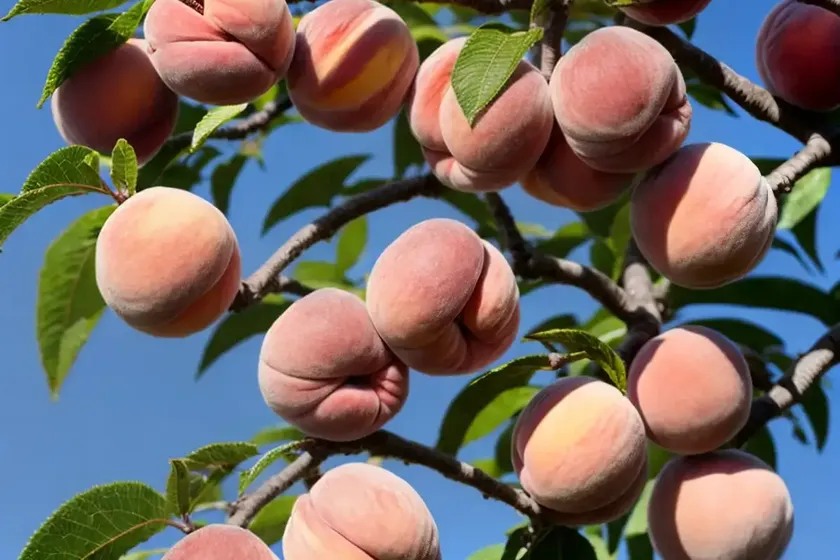
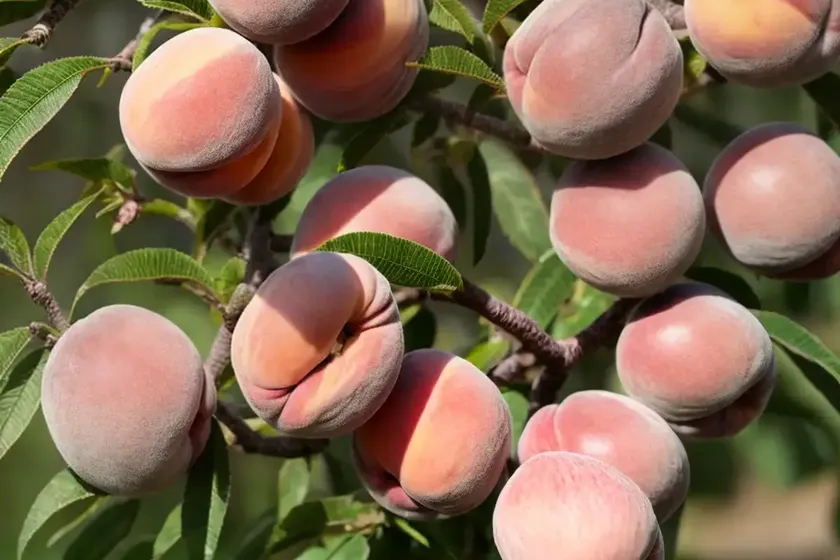
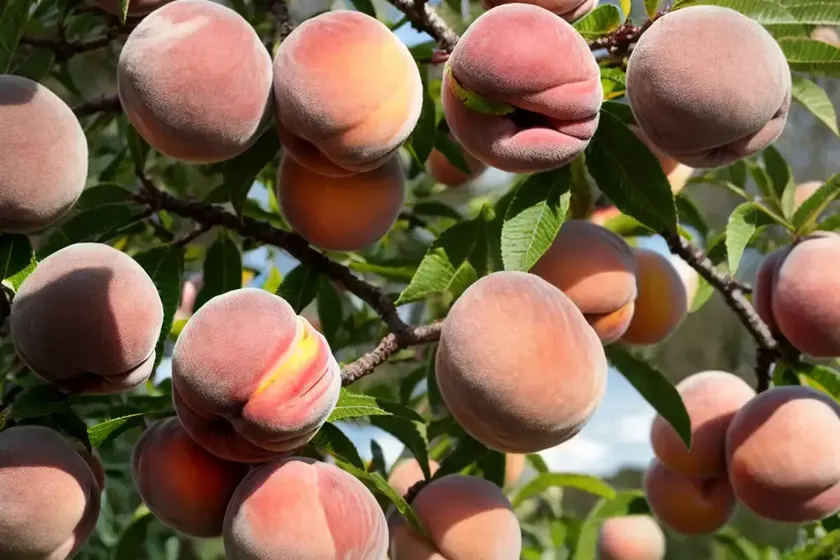
Prunus persica ‘Harvester’, commonly known as the Harvester peach, is a popular cultivar within the Prunus persica species. This deciduous tree is prized for its delicious, juicy fruits and is widely cultivated in temperate regions. The Harvester peach tree is known for its excellent productivity, making it a favorite among home gardeners and commercial growers alike.
Key Takeaways – Prunus persica ‘Harvester’ (Peach)
Before delving deeper into the characteristics and care tips for the Prunus persica ‘Harvester’, let’s explore some key takeaways about this remarkable peach variety.
- Botanical Name: Prunus persica ‘Harvester’
- Common Name: Harvester peach
- Cultivar: Harvester
- Family: Rosaceae
- Fruit Type: Stone Fruit
- USDA Hardiness Zones: 5-9
- Mature Height: 15-25 feet
- Mature Spread: 15-25 feet
- Sunlight: Full sun
- Soil: Well-drained, fertile loamy soil
- Fruit Harvest: Mid-season
- Disease Resistance: Good
- Pest Resistance: Good
- Common Uses: Fresh eating, canning, baking, and preserving
- Landscape Value: Ornamental flowering and fruiting tree
Culture
Cultivating the Prunus persica ‘Harvester’ involves understanding its specific requirements in terms of water, sunlight, fertilizer, soil, and pruning.
Water
Proper watering is crucial for the healthy growth and fruit production of the Harvester peach tree. While it is important to keep the soil consistently moist, it is equally essential to ensure good drainage to prevent waterlogged conditions.
Sunlight
Harvester peach trees thrive in full sun, requiring at least 6-8 hours of direct sunlight daily. Adequate sunlight promotes the tree’s overall health and contributes to the development of flavorful, juicy fruits.
Fertilizer
Fertilizing the Prunus persica ‘Harvester’ is necessary to support its growth and fruiting. A balanced fertilizer applied in early spring and again in late spring can provide the tree with essential nutrients for optimal performance.
Soil
The Harvester peach prefers well-drained, fertile loamy soil. Amending the soil with organic matter such as compost can improve its texture and nutrient content, promoting the tree’s vigor and fruit production.
Pruning
Proper pruning is essential for maintaining the health, shape, and productivity of the Prunus persica ‘Harvester’ tree. Regular pruning, typically performed in late winter to early spring, helps manage the tree’s size, promote air circulation, and remove diseased or damaged branches.
Propagation
The propagation of Prunus persica ‘Harvester’ can be achieved through various methods, including budding, grafting, and rooting hardwood cuttings. These techniques allow growers to propagate desirable traits and produce new trees with the same genetic characteristics as the parent plant.
Container Popularity
While Prunus persica ‘Harvester’ is primarily grown in orchards and home landscapes, it can also thrive in suitable containers. Container cultivation is an excellent option for individuals with limited space, allowing them to enjoy the beauty and productivity of the Harvester peach on patios, balconies, or small gardens.
Container Common Diseases
When growing the Prunus persica ‘Harvester’ in containers, it is essential to be vigilant about potential diseases that may affect the tree. While container cultivation can provide some protection against soil-borne diseases, proper care and maintenance are still necessary to prevent common issues such as root rot and fungal infections.
Disease Diagnosis
Identifying and diagnosing diseases affecting the Prunus persica ‘Harvester’ is crucial for implementing timely and effective control measures. Common peach tree diseases such as peach leaf curl, brown rot, and powdery mildew can impact the Harvester variety, requiring proactive management strategies to mitigate their effects.
Common Pests
In addition to diseases, the Prunus persica ‘Harvester’ may also face threats from various pests, including aphids, scales, mites, and borers. Regular monitoring and implementing integrated pest management (IPM) practices can help prevent pest infestations and minimize damage to the tree and its fruits.
Botanist’s Tips
For individuals fascinated by the cultivation and care of Prunus persica ‘Harvester’, here are some expert tips to enhance the success of growing and enjoying this delightful peach variety:
- Thinning Fruits: Thinning the developing fruits on the Harvester peach tree can improve fruit size and quality while reducing the risk of branch breakage due to excessive fruit load.
- Winter Protection: Providing winter protection, such as wrapping the trunk to prevent sunscald and protecting the tree from temperature fluctuations, can help maintain the tree’s vigor and health during the dormant season.
- Pollination Enhancement: To ensure abundant fruit set, consider planting pollinator-friendly plants near the Harvester peach tree to attract beneficial pollinators such as bees and butterflies.
Fun Facts
Delving into the world of Prunus persica ‘Harvester’ peach trees reveals some fascinating and delightful facts that showcase the allure and versatility of this beloved fruit-bearing tree:
- Ancient Symbolism: Peaches have been associated with longevity, immortality, and good fortune in various cultures, adding a mystical and symbolic dimension to the fruit’s appeal.
- Versatile Culinary Uses: From succulent fresh eating to flavorful jams, preserves, and even wine production, the Harvester peach offers a spectrum of culinary possibilities, enriching both sweet and savory dishes with its luscious flavor.
- Ornamental Beauty: In addition to its delectable fruits, the Harvester peach tree graces the landscape with a spectacle of blossoms in spring, adorning gardens with delicate, fragrant flowers that captivate the senses.
Links to External Resources
For further exploration of Prunus persica ‘Harvester’ and related topics, consider visiting the following external resources:
- Peach Trees: Planting and Care of Peach Trees
- University of California Integrated Pest Management Program: Peaches
- The American Phytopathological Society: Peach Diseases
- Peach Cultivation Guide by the Food and Agriculture Organization of the United Nations
The multifaceted aspects of the Prunus persica ‘Harvester’ encompass its cultural significance, horticultural care, culinary value, and ornamental appeal, making it a cherished presence in gardens and orchards worldwide. By understanding and appreciating the specific requirements and unique traits of this peach variety, plant enthusiasts and growers can cultivate thriving, productive trees while savoring the exceptional fruits and ornamental beauty they offer.


