Prunus Persica ‘Golden Jubilee’ (Peach)
Prunus persica ‘Golden Jubilee’, commonly known as the peach tree, is a beautiful and productive fruit tree that has been cultivated for centuries. In this.
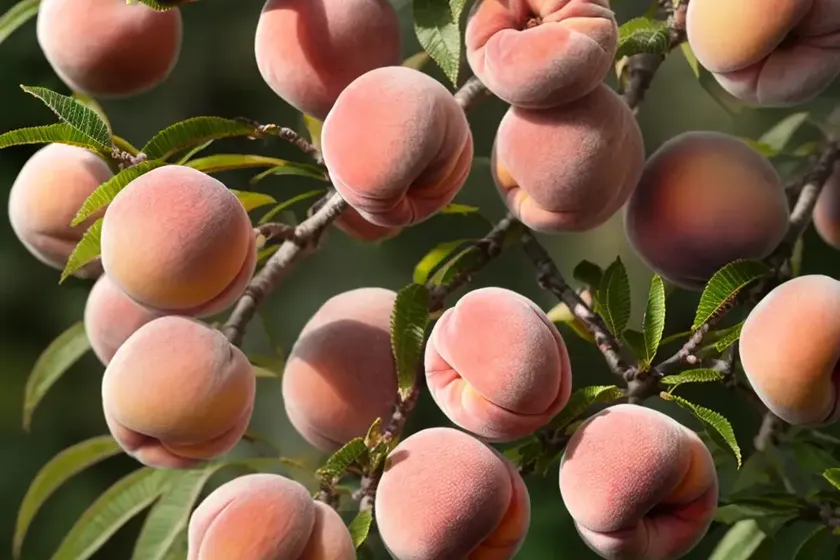
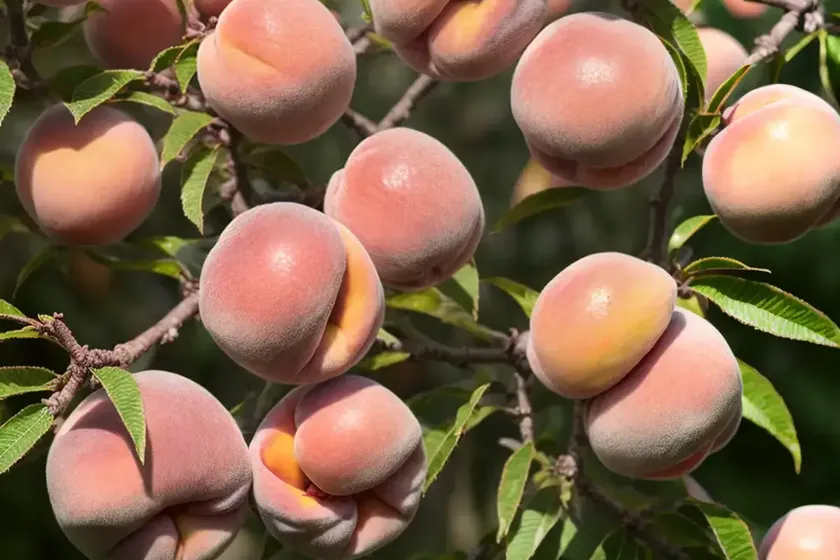
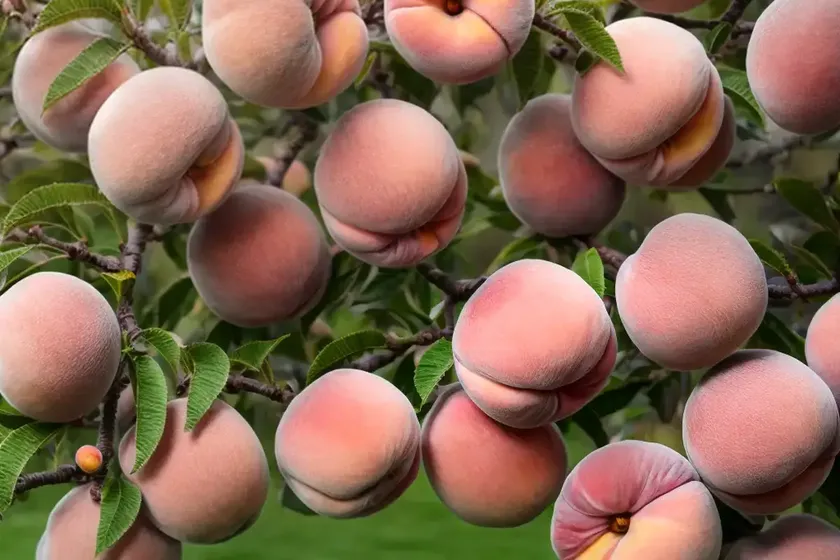
Prunus persica ‘Golden Jubilee’, commonly known as the peach tree, is a beautiful and productive fruit tree that has been cultivated for centuries. In this comprehensive guide, we will delve into the origins, characteristics, cultivation, and maintenance of the Prunus persica ‘Golden Jubilee’ variety. From its growth habits and care tips to its disease resistance and culinary uses, this guide will offer valuable insights for both novice and experienced gardeners.
What is Prunus persica ‘Golden Jubilee’?
Prunus persica ‘Golden Jubilee’ is a deciduous tree belonging to the Rosaceae family. It is renowned for its luscious and sweet fruits, which are a favorite among many fruit enthusiasts. The peach tree is characterized by its attractive blossoms in spring, followed by the emergence of vibrant, juicy fruits in summer.
Key Takeaways
Before we delve into the specific details of Prunus persica ‘Golden Jubilee’, let’s highlight some key takeaways about this peach variety.
- Description: A deciduous tree with attractive blooms and delectable fruits
- Origin: Cultivated for centuries, with origins traced back to China
- Characteristics: Luscious fruits, attractive blossoms, and moderate size
- Care Tips: Requires adequate sunlight, well-drained soil, and regular pruning
- Culinary Uses: Fruits are suitable for fresh consumption, baking, and canning
- Disease Resistance: Exhibits moderate resistance to common peach diseases
- Pests: Susceptible to certain pests, requiring vigilant monitoring and management
Now that we have an overview of Prunus persica ‘Golden Jubilee’, let’s explore its cultivation, uses, and maintenance in detail.
Cultivation of Prunus persica ‘Golden Jubilee’
The successful cultivation of Prunus persica ‘Golden Jubilee’ begins with understanding its specific environmental requirements and growth habits. Whether you are planning to plant it in your garden, orchard, or a container, paying attention to its cultural needs is essential for ensuring healthy growth and bountiful harvests.
Uses
Prunus persica ‘Golden Jubilee’ is primarily cultivated for its exquisite fruits, but its uses extend beyond just its culinary applications. Here are some common uses of the peach tree:
- Fruit Production: The tree yields abundant, flavorful peaches, suitable for fresh consumption, baking, and preserving.
- Ornamental Purposes: With its showy blossoms and attractive foliage, the peach tree is often planted for its aesthetic appeal in landscapes and gardens.
Water
Watering Needs:
– Prunus persica ‘Golden Jubilee’ has moderate water requirements, especially during the growing season and fruit development.
– Adequate watering is crucial to ensure optimal fruit development and overall tree health.
Water Conservation:
– Implement water conservation practices, such as mulching and efficient irrigation methods, to minimize water usage while meeting the tree’s moisture needs.
Sunlight
Sunlight Requirements:
– Full sun exposure is essential for the healthy growth and fruit production of Prunus persica ‘Golden Jubilee’.
– Choose a planting location that receives at least 6-8 hours of direct sunlight daily for optimal results.
Fertilizer
Fertilization Requirements:
– The peach tree benefits from regular fertilization, especially in the early spring before new growth begins.
– Use a balanced fertilizer with a higher ratio of nitrogen to promote healthy foliage and fruit development.
Soil
Soil Preferences:
– Well-drained, loamy soil with a slightly acidic to neutral pH range is ideal for Prunus persica ‘Golden Jubilee’.
– Avoid waterlogged or compacted soils, as they can lead to root rot and other issues.
Pruning
Pruning Guide:
– Regular pruning is essential to maintain the tree’s shape, improve air circulation, and enhance fruit production.
– Prune in late winter or early spring before the onset of new growth, removing dead or diseased branches and shaping the tree as needed.
Propagation
Propagation Methods:
– Prunus persica ‘Golden Jubilee’ can be propagated through methods such as softwood cuttings, hardwood cuttings, and grafting.
– Select healthy, disease-free plant material for successful propagation endeavors.
Container Popularity
Container Cultivation:
– Due to its moderate size and attractive appearance, Prunus persica ‘Golden Jubilee’ is suitable for container cultivation in spacious pots or containers.
– Ensure adequate drainage in the container and provide regular care to support the tree’s growth in a confined environment.
Common Diseases and Pest Management
While Prunus persica ‘Golden Jubilee’ is a resilient tree, it is susceptible to certain diseases and pests that can impact its overall health and productivity. Identifying and addressing these issues promptly is crucial for maintaining the tree’s vigor and fruit quality.
Common Diseases
Disease Diagnosis:
– Prunus persica ‘Golden Jubilee’ may be prone to diseases such as brown rot, peach leaf curl, and powdery mildew.
– Regular monitoring for symptoms such as fruit rot, distorted leaves, or powdery growth can aid in early disease detection.
Disease Prevention
Disease Resistance:
– Select disease-resistant peach tree varieties when available, as they offer improved resilience against common peach diseases.
– Implement cultural practices such as proper sanitation, adequate airflow, and timely fungicide applications to minimize disease incidence.
Common Pests
Pest Identification:
– Prunus persica ‘Golden Jubilee’ can be affected by pests such as aphids, scale insects, and peach tree borers.
– Vigilant inspection of foliage, fruits, and trunk can help in identifying pest infestations early on.
Pest Management:
– Utilize integrated pest management strategies, including biological controls, horticultural oils, and insecticidal treatments, to manage pest populations effectively.
Botanist’s Tips for Prunus persica ‘Golden Jubilee’
To ensure the successful cultivation and maintenance of Prunus persica ‘Golden Jubilee’, consider the following tips provided by botanists and experienced horticulturists:
- Planting Location: Choose a site with well-drained soil, full sunlight, and adequate airflow to promote healthy tree growth.
- Regular Monitoring: Inspect the tree for signs of diseases, pests, and nutrient deficiencies regularly to address issues promptly.
- Pruning Techniques: Practice proper pruning techniques to maintain an open canopy, remove deadwood, and encourage fruiting wood development.
- Fertilization Schedule: Follow a consistent fertilization schedule, tailored to the tree’s specific needs and growth stage, for optimal nutrient uptake.
- Watering Practices: Provide consistent moisture during critical growth stages, avoiding waterlogged or excessively dry conditions.
Fun Facts about Prunus persica ‘Golden Jubilee’
As we explore the captivating world of Prunus persica ‘Golden Jubilee’, it’s fascinating to uncover some intriguing and delightful aspects of this beloved fruit tree:
- The peach tree belongs to the genus Prunus, which includes cherries, apricots, and almonds, among other species.
- In some cultures, peaches symbolize longevity, prosperity, and immortality, often incorporated into art, literature, and folklore.
- The attractive blossoms of the peach tree are not only visually pleasing but also serve as a vital nectar source for pollinators.
Now, let’s delve deeper into the specific aspects of Prunus persica ‘Golden Jubilee’, covering its growth habits, fruit quality, culinary uses, and more.
Links to External Resources
- University of California, Agriculture and Natural Resources: Peaches – Cultivars and Culture
- North Carolina State University Extension: Peach Diseases and Their Management
- The Ohio State University Extension: Peach Insect Pests and Their Management
In the world of plant cultivation, knowledge serves as the foundation for successful outcomes. Let’s explore the multifaceted aspects of Prunus persica ‘Golden Jubilee’ and the valuable insights it offers to both enthusiasts and horticulture professionals.
Prunus persica ‘Golden Jubilee’, commonly known as the peach tree, exhibits a remarkable array of characteristics that make it a cherished addition to orchards, landscapes, and gardens. From its growth habits and ornamental features to its fruit quality and seasonal changes, this section will provide an in-depth look at the prominent characteristics of this beloved fruit tree.
Growth Habits
The growth habits of Prunus persica ‘Golden Jubilee’ play a pivotal role in defining its overall structure, productivity, and ornamental appeal. Understanding the tree’s growth patterns and habits enables gardeners to implement appropriate care strategies and optimize its performance.
Tree Height
Mature Height:
– Prunus persica ‘Golden Jubilee’ typically attains a mature height of 15 to 25 feet, forming a moderately sized tree that is suitable for smaller orchards or home gardens.
Growth Rate:
– The peach tree exhibits a moderate to fast growth rate, particularly during the initial years following establishment.
Leaf Color and Shape
Leaf Coloration:
– The foliage of the peach tree features vibrant, glossy green leaves that offer a refreshing contrast to its pink or white blossoms during the spring season.
Leaf Shape:
– The leaves are lanceolate or oblong in shape, showcasing a slender form with serrated edges.
Ornamental Features
Blossoms:
– Prunus persica ‘Golden Jubilee’ produces showy, fragrant blossoms in varying shades of pink and white, creating a visually striking display during the spring season.
Fall Foliage Color:
– While primarily valued for its spring blossoms and summer fruits, the peach tree may exhibit subtle yellow or bronze hues in its foliage as autumn approaches.
Fruit Quality and Seasonal Changes
The hallmark of Prunus persica ‘Golden Jubilee’ lies in its exceptional fruit quality, which undergoes a captivating transformation throughout the growing season. Understanding the nuances of its fruiting habits and ripening process is imperative for optimizing harvest timing and fruit utilization.
Fruit Ripening Time
Ripening Period:
– The fruits of Prunus persica ‘Golden Jubilee’ typically ripen in mid to late summer, progressing from green to vibrant shades of yellow or red as they reach full maturity.
Harvesting Tips:
– Harvest the fruits when they attain a rich coloration, exhibit a slight give upon gentle pressure, and release easily from the branch.
Fruit Size and Flavor
Fruit Dimensions:
– The peaches of Prunus persica ‘Golden Jubilee’ are medium to large in size, offering generous, succulent flesh within their velvety skins.
Flavor Profile:
– The fruits boast a luscious, sweet flavor with subtle tangy undertones, making them ideal for fresh consumption and various culinary applications.
Culinary Uses and Nutritional Benefits
Beyond their visual and gustatory appeal, the fruits of Prunus persica ‘Golden Jubilee’ hold significant value in the culinary realm, offering a range of delightful flavors and beneficial nutrients.
Culinary Applications:
– The peaches can be enjoyed fresh, sliced into salads, baked into pies, preserved in jams and chutneys, or incorporated into flavorful desserts.
Nutritional Benefits:
– Peaches are a rich source of vitamins A and C, dietary fiber, and antioxidants that contribute to overall health and well-being.
Landscape Uses and Wildlife Attraction
The peach tree extends its influence beyond just the realm of fruit production, offering aesthetic and ecological advantages that enhance diverse landscapes and support local wildlife populations.
Garden Design Ideas
Aesthetic Appeal:
– Prunus persica ‘Golden Jubilee’ serves as a captivating focal point in garden beds, along property borders, or within orchard settings, adding a touch of elegance and seasonal interest.
Companion Planting:
– Pair the peach tree with complementary flowering plants, ornamental grasses, or shrubs to create visually stunning landscape compositions.
Wildlife Attraction
Pollinator Support:
– The blossoms of the peach tree attract pollinators such as bees, butterflies, and other beneficial insects, contributing to biodiversity and ecosystem health.
Fruiting Season:
– As the fruits mature and ripen, they provide a valuable food source for birds, squirrels, and other wildlife species, fostering ecological balance within the local environment.
Seasonal Changes and Hardiness
Prunus persica ‘Golden Jubilee’ undergoes dynamic transformations throughout the seasons, each phase offering unique visual and functional attributes that contribute to its overall appeal and adaptability.
Fall Foliage Color
Foliage Transition:
– While not the primary highlight of the tree, the foliage of Prunus persica ‘Golden Jubilee’ may exhibit subtle changes in coloration, with hints of yellow, orange, or red as autumn approaches.
Fall Foliage Appeal:
– The slight color transitions in the leaves add a subtle but appealing dimension to the tree’s aesthetic presence in the landscape.
Winter Care and Cold Tolerance
Winter Hardiness:
– The peach tree demonstrates good cold tolerance, particularly when exposed to temperatures within its recommended hardiness zone range.
Winter Maintenance:
– Prioritize winter pruning, inspecting for cold-induced damage, and ensuring sufficient mulching to protect the roots during the dormant season.
Conclusion
Prunus persica ‘Golden Jubilee’, the revered peach tree, encompasses a tapestry of characteristics, each contributing to its allure and practical merits in horticultural and ecological contexts. From its vibrant blossoms and delectable fruits to its seasonal transitions and landscape contributions, the peach tree stands as a testament to nature’s diverse and bountiful offerings.
As we celebrate the multifaceted attributes of Prunus persica ‘Golden Jubilee’, we invite you to explore its presence in orchards, gardens, and beyond, embracing the beauty, flavors, and ecological value it bestows upon the world.
References
- University of California, Agriculture and Natural Resources: Peaches – Cultivars and Culture
- North Carolina State University Extension: Peach Diseases and Their Management
- The Ohio State University Extension: Peach Insect Pests and Their Management
- Missouri Botanical Garden: Prunus persica ‘Golden Jubilee’
- University of Florida IFAS Extension: Peach Growing in the Florida Home Landscape
- Royal Horticultural Society: Peaches and Nectarines – RHS Gardening
By incorporating both scientific insights and practical applications, this guide aims to deepen your appreciation for the splendid Prunus persica ‘Golden Jubilee’ and its enduring presence in the realm of horticulture and natural beauty.


