Prunus Persica ‘Contender’ (Peach)
The Prunus persica ‘Contender’, commonly known as the peach tree, is a delightful addition to any garden or orchard. With its sweet, juicy fruit and.
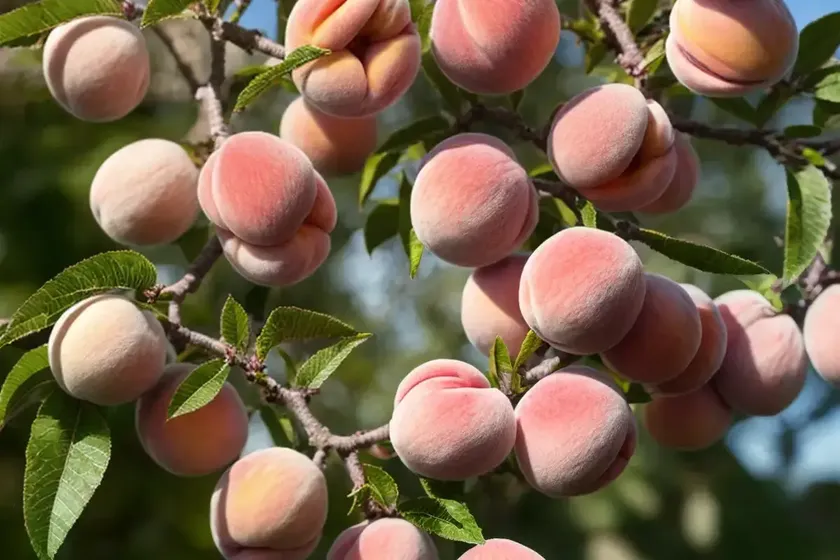
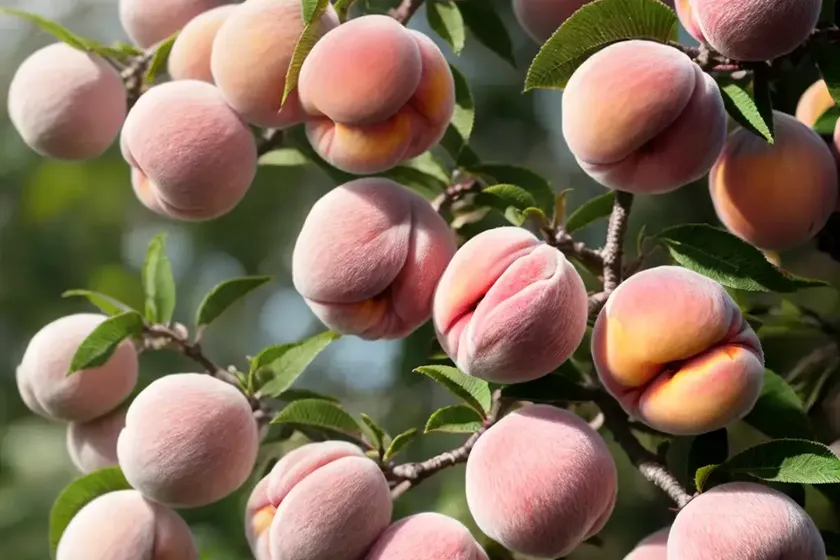
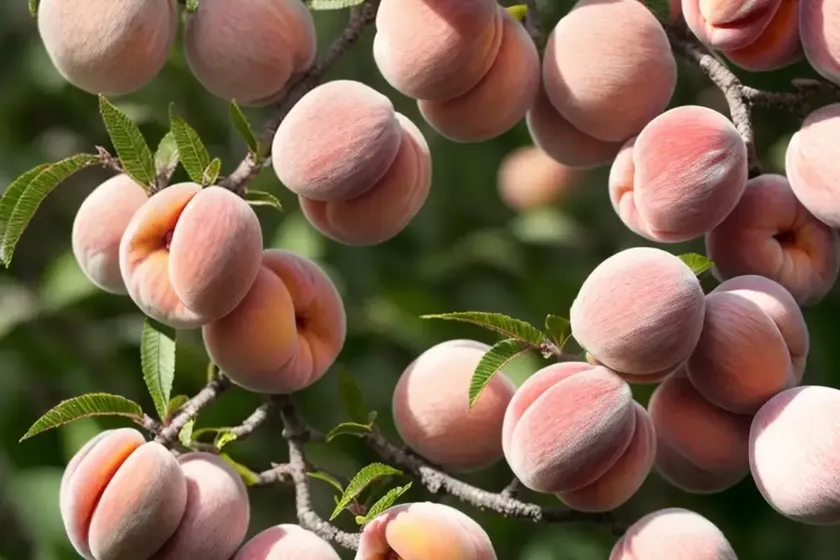
The Prunus persica ‘Contender’, commonly known as the peach tree, is a delightful addition to any garden or orchard. With its sweet, juicy fruit and beautiful blossoms, this tree is a favorite among home gardeners and professional orchardists alike. In this comprehensive guide, we will explore the cultural aspects, uses, and maintenance of the Prunus persica ‘Contender’ peach tree. From planting to harvesting, we will delve into every aspect of caring for this delightful and fruitful tree.
What is Prunus persica ‘Contender’ (Peach)?
Prunus persica, commonly known as the peach tree, is a deciduous tree that belongs to the Rosaceae family. It is native to the region of Northwest China between the northern slopes of the Kunlun Mountains and the Tarim Basin, where it was first domesticated and cultivated. The ‘Contender’ variety is especially renowned for its disease resistance and cold hardiness, making it a popular choice for home gardeners and commercial orchardists in colder climates.
The Prunus persica ‘Contender’ features beautiful pink blossoms in the spring, followed by delicious and sweet fruits in the summer. It is a relatively small tree, making it suitable for a wide range of garden sizes and types. The peaches produced by this tree are highly flavorful and are suitable for fresh consumption, canning, and baking.
Key Takeaways – Prunus persica ‘Contender’ (Peach)
Before delving into the specifics of the Prunus persica ‘Contender’ peach tree, let’s highlight some key takeaways for easy reference.
- Cultural Name: Prunus persica ‘Contender’ (Peach)
- Category: Fruit-bearing tree
- Family: Rosaceae
- Characteristics: Disease-resistant, cold-hardy, and small-sized
- Fruit Season: Summer
- Uses: Fresh consumption, canning, and baking
- Special Features: Beautiful pink blossoms in spring
Now, let’s explore the various aspects of cultivating and caring for the Prunus persica ‘Contender’ peach tree.
Culture
When it comes to cultivating the Prunus persica ‘Contender’ peach tree, understanding its cultural needs is essential. From soil preferences to sunlight requirements, each aspect plays a crucial role in the overall health and productivity of the tree.
Water
Proper watering is crucial for the healthy growth and fruit production of the Prunus persica ‘Contender’ tree. While the tree is relatively drought-tolerant once established, adequate moisture is crucial, especially during the flowering and fruiting stages. Deep, infrequent watering is preferable to frequent, shallow watering to encourage the development of a strong root system. During periods of drought, supplemental watering is essential to prevent stress and maintain fruit quality.
Sunlight
The Prunus persica ‘Contender’ peach tree thrives in full sunlight. As a general guideline, it requires at least 6-8 hours of direct sunlight daily to ensure optimal growth and fruit production. When selecting a site for planting, choose a location that receives ample sunlight throughout the day, especially during the growing season. Insufficient sunlight can result in poor fruit production and increased susceptibility to diseases.
Fertilizer
Proper fertilization is essential for the Prunus persica ‘Contender’ peach tree to support its growth, blossoming, and fruit development. A balanced fertilizer, such as a 10-10-10 or 8-8-8 blend, is suitable for peach trees. It’s advisable to perform a soil test to determine specific nutrient deficiencies and adjust the fertilizer application accordingly. In general, fertilization in late winter or early spring before the growing season begins is recommended. Additionally, a light application of fertilizer in late summer can help support the tree’s overall health and prepare it for the winter months.
Soil
The Prunus persica ‘Contender’ peach tree thrives in well-draining soil with a slightly acidic pH level ranging between 6.0 and 6.5. Loamy or sandy loam soils are particularly suitable for peach trees due to their excellent drainage properties. Before planting, it’s beneficial to amend the soil with organic matter, such as compost or well-rotted manure, to improve its structure and fertility. Additionally, incorporating a layer of mulch around the base of the tree can help conserve moisture, regulate soil temperature, and suppress weed growth.
Pruning
Proper pruning is essential for maintaining the health, shape, and productivity of the Prunus persica ‘Contender’ peach tree. Pruning should be conducted during the dormant season, typically in late winter or early spring before the emergence of new growth. Here are some key pruning techniques and considerations for the ‘Contender’ variety:
- Structural Pruning: This involves shaping the young tree to develop a strong framework of scaffold branches. It’s important to remove any competing or crossing branches to ensure an open canopy and optimal sunlight penetration.
- Thinning: Thinning of the branches and blossoms is essential to prevent overcrowding and promote fruit development. This process involves removing excess branches and blossoms to allow for adequate airflow and light penetration.
- Deadwood Removal: Regularly inspect the tree for dead, damaged, or diseased wood, and promptly remove it to prevent the spread of diseases and maintain the tree’s overall health.
- Height Control: For home gardeners with space restrictions, controlling the height of the peach tree through appropriate pruning can be beneficial. This encourages easier maintenance and harvesting.
Propagation
Propagation of the Prunus persica ‘Contender’ peach tree can be achieved through several methods, including seed propagation, cuttings, and grafting. While seed propagation can be unpredictable due to the genetic variability of the resulting seedlings, it is a simple and cost-effective method. However, for the ‘Contender’ variety, propagation through cuttings or grafting onto compatible rootstocks is preferred to maintain the desired characteristics and disease resistance.
Container Popularity
The Prunus persica ‘Contender’ peach tree is also well-suited for container cultivation, making it an excellent choice for urban gardens, patios, and small spaces. When growing the ‘Contender’ variety in a container, it’s crucial to select a large container with adequate drainage holes to prevent waterlogging. Additionally, regular monitoring of moisture levels and fertilization is essential, as container-grown plants are more prone to fluctuations in soil moisture and nutrient availability.
Common Diseases
Despite being relatively disease-resistant, the Prunus persica ‘Contender’ peach tree is susceptible to certain diseases, especially under unfavorable growing conditions. Here are some common diseases that may affect the ‘Contender’ variety:
- Peach Leaf Curl (Taphrina deformans): This fungal disease causes distorted and reddened leaves in the spring, leading to reduced fruit production and overall tree vigor. Preventative measures, such as dormant season fungicide applications and proper sanitation, can help manage this disease effectively.
- Brown Rot (Monilinia fructicola): Brown rot affects the blossoms, twigs, and fruits of the peach tree, leading to the development of brown, fuzzy lesions and rapid fruit decay. Pruning to improve airflow, timely fruit harvest, and fungicide applications are key strategies for brown rot management.
Disease Diagnosis
Diagnosing diseases in the Prunus persica ‘Contender’ peach tree involves careful observation of the foliage, fruits, and overall tree health. It’s essential to monitor for any unusual symptoms, such as leaf discoloration, spots, or deformities, as well as changes in fruit appearance and texture. Additionally, consulting with a plant pathology expert or local agricultural extension service can provide valuable insights into accurate disease diagnosis and management strategies.
Common Pests
In addition to diseases, the Prunus persica ‘Contender’ peach tree is susceptible to various pests that can affect its growth and fruit quality. Some common pests that may infest the ‘Contender’ variety include:
- Peach Tree Borer (Synanthedon exitiosa): The larvae of this moth species bore into the trunk and branches of the peach tree, resulting in wilting, dieback, and overall decline. Preventative measures, such as proper pruning, applying insecticidal trunk sprays, and maintaining tree vigor, are crucial for peach tree borer management.
- Aphids: These sap-sucking insects can infest the foliage and tender shoots of the peach tree, leading to stunted growth and honeydew excretion. Natural predators, such as ladybugs and lacewings, can help control aphid populations, and selective insecticidal applications can be employed if necessary.
Botanist’s Tips
For optimal care and maintenance of the Prunus persica ‘Contender’ peach tree, consider the following botanist’s tips:
– Observation: Regularly monitor the tree for any signs of diseases, pests, or nutrient deficiencies, and take prompt action to address any issues.
– Pruning Techniques: Learn and apply appropriate pruning techniques, such as thinning and deadwood removal, to promote the tree’s overall health and fruit production.
– Soil Testing: Conduct periodic soil tests to assess nutrient levels and pH, and adjust fertilization practices based on the results to ensure balanced soil fertility.
Fun Facts
- The ‘Contender’ variety is renowned for its cold hardiness, making it a popular choice for regions with harsh winters.
- Peaches are classified as “stone fruits,” belonging to the same family as cherries, plums, and apricots.
- The peach tree has been cultivated for over 2,000 years and is highly regarded for its delicious fruits and ornamental value.
Now that we’ve covered the cultural aspects, disease and pest management, and propagation techniques of the Prunus persica ‘Contender’ peach tree, let’s explore some additional resources and external links for further information.
Links to External Resources
For further information on Prunus persica ‘Contender’ (Peach) and related topics, the following external resources are highly informative and valuable:
1. University of California Agriculture and Natural Resources – Backyard Orchard: Peach
2. Texas A&M AgriLife Extension – Peaches in Texas
3. Penn State College of Agricultural Sciences – Managing Diseases of Home Fruit Trees
4. University of Georgia Extension – Pruning Peaches, Nectarines, and Plums
5. University of Florida IFAS Extension – Peach Orchard Establishment and Young Tree Care
In conclusion, the Prunus persica ‘Contender’ peach tree is a delightful and rewarding addition to any garden or orchard. With proper care, attention to cultural needs, and proactive disease and pest management, this small-sized fruit-bearing tree can thrive and provide an abundance of sweet and juicy peaches for years to come. Whether you’re a home gardener or an orchardist, the ‘Contender’ variety offers both ornamental beauty and delicious fruit, making it a truly versatile and cherished tree in horticulture.


