Prunus Persica ‘Belle Of Georgia’ (Peach)
Prunus persica ‘Belle of Georgia’, commonly known as the Belle of Georgia peach, is a popular peach tree cultivar that is appreciated for its delectable.
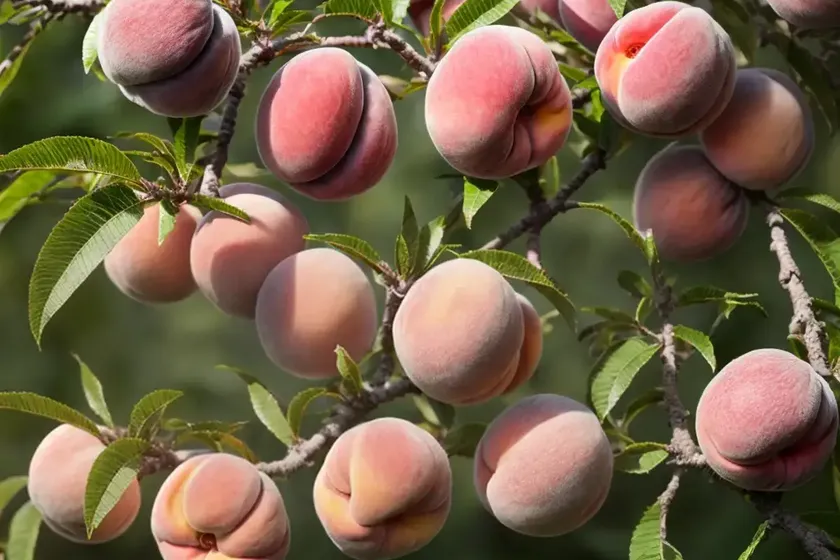
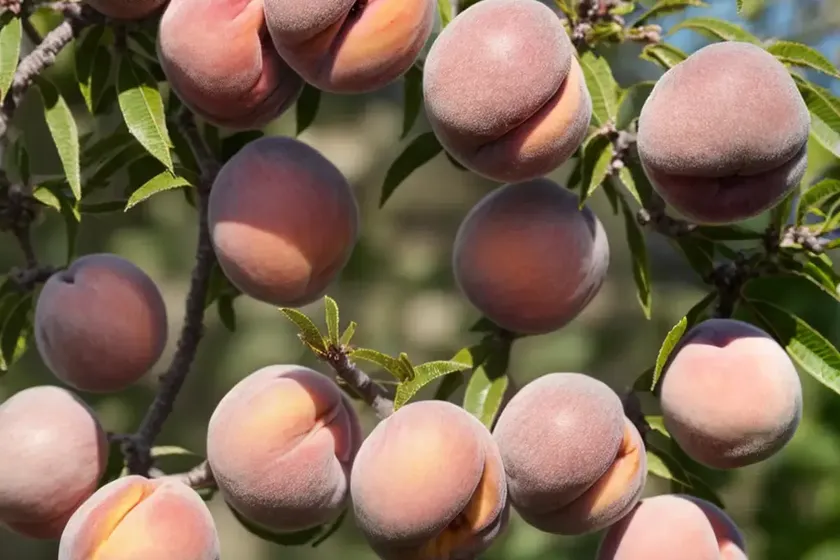
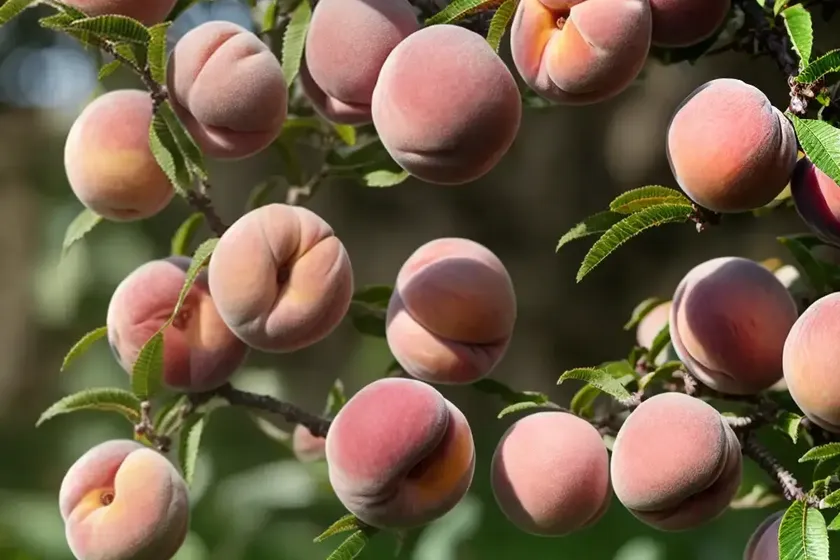
Prunus persica ‘Belle of Georgia’, commonly known as the Belle of Georgia peach, is a popular peach tree cultivar that is appreciated for its delectable fruits and ornamental value in gardens and orchards. This article aims to provide a comprehensive guide to understanding and cultivating this variety, covering its cultural requirements, uses, pruning, propagation, common diseases, and more.
What is Prunus persica ‘Belle of Georgia’?
Prunus persica ‘Belle of Georgia’ is a deciduous tree that belongs to the Rosaceae family. It is native to China and has been cultivated for its succulent, juicy fruits across the globe. This cultivar is particularly prized for its large and sweet peaches, making it a favorite among home gardeners and commercial growers alike.
Key Takeaways – Prunus persica ‘Belle of Georgia’ (Peach)
Before delving into the specifics of cultivating the Belle of Georgia peach, let’s explore the key takeaways associated with this plant, including its characteristics, care requirements, and common issues related to its cultivation.
- Characteristics of Prunus persica ‘Belle of Georgia’
- Large, sweet peaches
- Deciduous tree
- Ornamental blossoms and foliage
-
Vigorous growth habit
-
Growing Prunus persica ‘Belle of Georgia’
- Moderate care requirements
- Suitable for home gardens and orchards
-
Cold hardy
-
Belle of Georgia peach tree care
- Adequate water and sunlight
- Fertilization as per schedule
-
Pruning for optimal fruit production
-
Prunus persica ‘Belle of Georgia’ peach facts
- Known for its excellent fruit quality
- Self-pollinating variety
-
High yields under favorable conditions
-
Pest management for Prunus persica ‘Belle of Georgia’
- Susceptible to specific pests
- Proper monitoring and treatment essential
Now, let’s delve deeper into the various aspects of cultivating and caring for the Prunus persica ‘Belle of Georgia’ peach.
Culture
Cultivating the Belle of Georgia peach involves understanding its cultural requirements, which encompass aspects such as water, sunlight, fertilizer, soil, and pruning.
Uses
The Belle of Georgia peach offers versatile uses, primarily centered around its delicious fruits. The ripe peaches are commonly enjoyed fresh, and they can also be used in various culinary applications, including pies, jams, and preserves. Additionally, the ornamental value of the tree, with its attractive blossoms and foliage, makes it a desirable addition to landscape designs.
Water
Proper irrigation is crucial for the healthy growth and fruit production of the Belle of Georgia peach tree. During the growing season, it is essential to ensure that the tree receives regular watering, especially during dry periods. However, it is equally important to avoid overwatering, as excessively wet conditions can lead to root rot and other issues.
Sunlight
Sunlight is another vital factor for the successful cultivation of the Belle of Georgia peach. This cultivar thrives in full sun, requiring at least 6-8 hours of direct sunlight daily for optimal growth and fruit development. Adequate sunlight exposure contributes to the tree’s overall vigor and enhances the sweetness and coloration of the fruits.
Fertilizer
Fertilization plays a significant role in sustaining the health and productivity of the Belle of Georgia peach tree. A balanced fertilizer, such as a 10-10-10 NPK formulation, can be applied in early spring before the onset of new growth. Additional applications may be necessary based on soil conditions and the tree’s overall nutrient requirements.
Soil
The soil composition and quality impact the tree’s ability to thrive and produce high-quality fruits. Well-draining, loamy soil that is rich in organic matter is ideal for cultivating the Belle of Georgia peach. It is essential to avoid waterlogged or compacted soils, as they can impede root development and lead to various issues, including nutrient deficiencies and poor fruit yields.
Pruning
Pruning is an essential practice for maintaining the health, shape, and fruiting potential of the Belle of Georgia peach tree. Proper pruning techniques, including the removal of dead or diseased wood, shaping the canopy, and thinning out excessive growth, can contribute to improved air circulation, light penetration, and fruit quality. Pruning is typically performed during the dormant season to promote vigorous regrowth and fruiting in the subsequent season.
Propagation
The propagation of the Belle of Georgia peach can be achieved through various methods, including seed propagation, grafting, and budding. Each approach has its unique attributes and considerations, influencing the success and characteristics of the propagated trees. Grafting onto suitable rootstocks is a popular method for ensuring the desirable traits and performance of the parent tree in the propagated specimens.
Container Popularity
While the Belle of Georgia peach is commonly grown in orchards and home gardens, the concept of container gardening has gained popularity among enthusiasts. Cultivating this peach cultivar in containers offers the advantage of mobility, allowing individuals with limited garden space to enjoy the beauty and bounty of this fruit tree on patios, balconies, and other confined areas.
Container Common Diseases
When growing the Belle of Georgia peach in containers, certain diseases may pose a threat to the tree’s health and productivity. Common container-related diseases include root rot, powdery mildew, and bacterial spot. Monitoring the tree for early signs of disease and implementing appropriate preventive measures are vital for sustaining its well-being in a containerized environment.
Disease diagnosis
Diagnosing diseases affecting the Belle of Georgia peach involves recognizing characteristic symptoms, such as leaf discoloration, spotting, wilting, or unusual growths. Additionally, conducting a thorough assessment of environmental conditions, cultural practices, and potential pest infestations can aid in accurately identifying and addressing the specific disease affecting the tree.
Common pests
The Belle of Georgia peach is susceptible to various pests that can impact its growth and fruit quality. Common pests include aphids, scale insects, fruit flies, and caterpillars. Regular monitoring, timely intervention, and the implementation of integrated pest management strategies are crucial for mitigating pest populations and protecting the tree from significant damage.
Botanist’s Tips
As a plant scientist with a passion for cultivating fruit trees, I offer the following tips for successfully growing and caring for the Belle of Georgia peach:
-
Choose a suitable planting site: Select a location with well-draining soil, ample sunlight, and adequate space for the tree to reach its mature size.
-
Monitor water requirements: Consistent and appropriate irrigation, especially during the fruit development stage, is essential for preventing water stress and promoting optimal fruit quality.
-
Implement proper pruning: Regular pruning, particularly during the dormant season, is essential for maintaining the tree’s structure, promoting fruit-bearing wood, and enhancing overall vigor.
-
Monitor for diseases and pests: Regularly inspect the tree for signs of diseases, pest infestations, or other issues, and take prompt action to address them effectively.
-
Harvest at the right time: Timing the harvest of Belle of Georgia peaches is crucial for capturing the fruits at their peak ripeness, flavor, and juiciness.
Fun Facts
To enrich your knowledge and appreciation of the Belle of Georgia peach, here are some intriguing fun facts about this remarkable cultivar:
-
The Belle of Georgia peach was developed in the late 19th century and has remained a beloved variety among peach enthusiasts for its exceptional flavor and size.
-
The tree produces beautiful pink blossoms in spring, adding a delightful ornamental element to gardens and landscapes.
-
A single Belle of Georgia peach tree can yield an abundant harvest of luscious fruits under favorable growing conditions, rewarding growers with an ample supply of fresh peaches.
-
This peach variety is renowned for its self-pollinating nature, allowing it to set fruit without requiring a separate pollinator tree in close proximity.
Links to External Resources
To further enhance your understanding of the Prunus persica ‘Belle of Georgia’ peach and its cultivation, the following external resources offer valuable insights and guidance:
- University of Georgia Extension: Growing Peaches in Georgia
- North Carolina State University: Peach Production Guide
- University of California Agriculture and Natural Resources: Home Orchard: Peaches
- The American Phytopathological Society: Peach Diseases
By exploring these resources, you can gain a more comprehensive understanding of the cultural practices, pest management strategies, and disease prevention methods relevant to cultivating the Belle of Georgia peach.
In conclusion, the Prunus persica ‘Belle of Georgia’ peach stands as a delightful addition to orchards, gardens, and landscapes, offering delectable fruits and ornamental charm. Understanding its cultural requirements, care practices, and potential issues equips growers with the knowledge to nurture and enjoy the bountiful harvests provided by this exceptional peach tree cultivar.
Remember, with proper attention and care, the Belle of Georgia peach can thrive and reward you with an abundance of juicy, delectable peaches year after year.
Disclaimer: The information provided in this article is for educational purposes and does not substitute professional advice. It is essential to consult local gardening experts and extension services for region-specific recommendations and guidelines.


