

All About Prunus cerasus ‘Meteor’ (Tart Cherry)
Prunus cerasus, commonly known as sour cherry or tart cherry, is a species of Prunus native to Europe and southwest Asia. It is known for its distinctive tart flavor and is widely used in culinary applications, particularly in the production of cherry pies, jams, and preserves. One popular cultivar of Prunus cerasus is ‘Meteor,’ which is celebrated for its exceptional qualities and unique characteristics. In this comprehensive guide, we will explore all aspects of Prunus cerasus ‘Meteor,’ including its culture, uses, care, and maintenance.
Key Takeaways – Prunus cerasus ‘Meteor’ (Tart Cherry)
Before delving into the detailed aspects of Prunus cerasus ‘Meteor,’ let’s highlight some key takeaways about this tart cherry variety:
- ‘Meteor’ is a cultivar of Prunus cerasus, known for its outstanding hardiness and disease resistance.
- This tart cherry tree is prized for its ornamental value, with beautiful blossoms in spring and attractive foliage throughout the growing season.
- ‘Meteor’ cherries are suitable for culinary use, boasting a rich, tangy flavor that is ideal for a variety of cooking and baking applications.
- When it comes to care and maintenance, ‘Meteor’ cherries thrive in well-drained soil and require adequate sunlight and water to flourish.
- This cultivar is often grown in containers, making it an excellent choice for small gardens and urban landscapes.
Now, let’s explore the various aspects of Prunus cerasus ‘Meteor’ in detail.
Plant Name: Prunus cerasus ‘Meteor’ (Tart Cherry)
What is Prunus cerasus ‘Meteor’ (Tart Cherry)?
Prunus cerasus ‘Meteor’ is a cultivar of the sour cherry species, Prunus cerasus. It is renowned for its exceptional hardiness and disease resistance, making it a popular choice for home gardeners and commercial growers alike. ‘Meteor’ cherries are prized not only for their fruit but also for their ornamental value, as the tree produces beautiful blossoms in spring and exhibits attractive foliage throughout the growing season.
Culture
Uses
The uses of Prunus cerasus ‘Meteor’ are multifaceted, ranging from culinary applications to ornamental value:
-
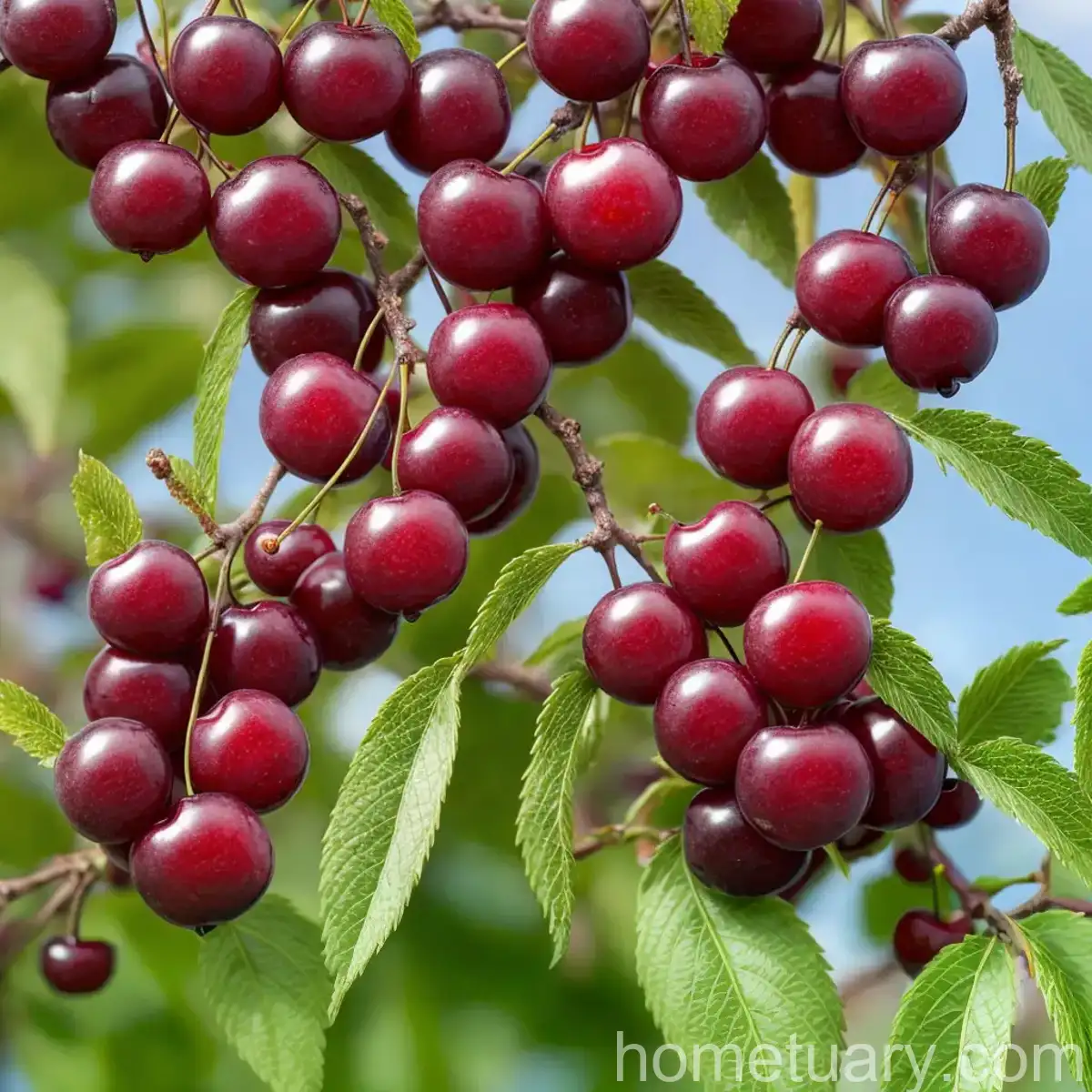
Culinary Uses: The fruit of ‘Meteor’ cherries is characterized by its tart, tangy flavor, making it ideal for use in pies, jams, preserves, and other culinary creations. The vibrant red color of the cherries adds visual appeal to a variety of dishes.
-
Ornamental Value: In addition to its fruit-bearing capabilities, the ‘Meteor’ cherry tree is valued for its ornamental qualities. It produces beautiful clusters of white flowers in spring, creating a stunning display. Furthermore, the tree’s foliage adds aesthetic interest to garden landscapes throughout the year.
Water
Water is essential for the healthy growth and development of Prunus cerasus ‘Meteor.’ Adequate moisture levels are particularly crucial during the tree’s establishment phase and in periods of dry weather. When watering ‘Meteor’ cherry trees, it is vital to ensure that the soil is consistently moist but not waterlogged. Deep, infrequent watering is generally recommended to encourage the development of a robust root system.
Sunlight
Prunus cerasus ‘Meteor’ thrives in full sunlight, requiring approximately 6-8 hours of direct sunlight per day for optimal growth and fruit production. Adequate exposure to sunlight is essential for the development of flavorful, high-quality cherries. When selecting a planting location for ‘Meteor’ cherry trees, it is advisable to choose a site with ample sunlight and good air circulation.
Fertilizer
Fertilization plays a significant role in promoting the health and productivity of Prunus cerasus ‘Meteor’ trees. A balanced fertilizer specifically formulated for fruit trees can be applied in early spring, prior to the emergence of new growth. Additionally, organic amendments such as compost or well-rotted manure can be incorporated into the soil to provide essential nutrients and improve soil fertility.
Soil
The selection of suitable soil is crucial for the successful cultivation of Prunus cerasus ‘Meteor.’ Well-drained, loamy soil with a slightly acidic to neutral pH is generally recommended for cherry trees. Furthermore, it is important to avoid excessively compacted or waterlogged soil, as these conditions can negatively impact root health and overall tree vigor. Conducting a soil test can provide valuable insights into the composition and pH of the soil, allowing for targeted amendments as needed.
Pruning
Pruning is an essential aspect of cherry tree care, contributing to tree health, shape, and fruit production. Proper pruning of Prunus cerasus ‘Meteor’ involves the removal of dead, damaged, or diseased wood, as well as the implementation of shaping cuts to maintain a desirable tree form. Additionally, selective thinning of branches can facilitate adequate air circulation and light penetration within the tree canopy, promoting overall vigor and fruit quality.
Propagation
The propagation of Prunus cerasus ‘Meteor’ can be achieved through various methods, including seed propagation, grafting, and cutting propagation. Grafting onto suitable rootstock is a common approach for propagating cherry trees, allowing for the production of genetically identical trees with desirable traits. Propagation via hardwood cuttings can also be successful, particularly when performed during the dormant season with appropriate rooting hormone treatment.
Container Popularity
Due to its compact size and ornamental appeal, Prunus cerasus ‘Meteor’ is well-suited for container cultivation. Growing ‘Meteor’ cherry trees in containers offers several advantages, including the ability to accommodate limited garden spaces, facilitate mobility, and provide an opportunity for urban and patio gardening. When growing in containers, it is essential to select a well-draining potting mix and provide adequate care to support the tree’s growth and productivity.
Common Diseases
Prunus cerasus ‘Meteor’ may be susceptible to certain diseases that can impact tree health and fruit production. Common cherry tree diseases to be mindful of include:
-
Brown Rot: Caused by the fungus Monilinia fructicola, brown rot can lead to the decay of blossoms, fruit, and shoots. Implementing proper sanitation and fungicidal treatments can help manage this disease.
-
Cherry Leaf Spot: This fungal disease, caused by Blumeriella jaapii, manifests as round, purple spots on cherry leaves. Maintaining good air circulation and applying fungicides as needed can assist in disease control.
-
Powdery Mildew: Powdery mildew, often caused by Podosphaera clandestina, can affect cherry trees, resulting in the development of powdery white growth on leaves and shoots. Cultural practices and fungicidal treatments can aid in managing this disease.
Disease Diagnosis
Timely and accurate diagnosis of cherry tree diseases is crucial for implementing effective management strategies. Symptoms such as leaf discoloration, wilting, cankers, or abnormal growth should be carefully observed, and if necessary, samples can be submitted to diagnostic laboratories for professional analysis. Working with local extension services or arborists can also provide valuable guidance in identifying and addressing potential disease issues.
Common Pests
Prunus cerasus ‘Meteor’ may be vulnerable to various pests that can affect tree vitality and fruit quality. Common cherry tree pests to be aware of include:
-
Aphids: These sap-sucking insects can infest cherry trees, leading to distorted growth and the production of sticky honeydew. Natural predators and insecticidal treatments can help manage aphid populations.
-
Cherry Fruit Flies: The larvae of cherry fruit flies can cause damage to cherry fruits by tunneling inside and compromising their quality. Monitoring and applying appropriate controls can aid in preventing infestations.
-
Japanese Beetles: These voracious feeders can defoliate cherry trees if left unchecked. Vigilant monitoring and the use of traps or insecticides can assist in controlling Japanese beetle populations.
Botanist’s Tips
To ensure the successful cultivation of Prunus cerasus ‘Meteor’ and other cherry tree varieties, consider the following botanist’s tips:
-
Site Selection: Choose a well-drained, sunny location for planting ‘Meteor’ cherry trees, prioritizing soil conditions and exposure that promote healthy growth.
-
Pruning Practices: Implement regular pruning and shaping of cherry trees to maintain tree structure, enhance air circulation, and promote fruit production.
-
Integrated Pest Management: Embrace integrated pest management (IPM) principles to address pest issues, utilizing cultural, biological, and chemical control methods as appropriate.
-
Soil Health: Prioritize soil health and fertility through the addition of organic matter, regular soil testing, and targeted fertilization practices.
Fun Facts
- The tart cherries produced by ‘Meteor’ trees are not only prized for their culinary value but also for their potential health benefits, as they are rich in antioxidants and other beneficial compounds.
- ‘Meteor’ cherry trees are capable of bearing fruit at a relatively young age, providing an early and rewarding harvest for growers.
- The vibrant blossoms of ‘Meteor’ cherries serve as valuable pollinator attractants, supporting the health and diversity of local pollinator populations.
Links to External Resources
For additional information on Prunus cerasus ‘Meteor’ and cherry tree cultivation, refer to the following resources:
In conclusion, Prunus cerasus ‘Meteor’ stands as a delightful addition to home gardens, offering a harmonious blend of ornamental beauty and delectable fruit. By understanding its cultural requirements, disease management strategies, and care considerations, enthusiasts and horticulturists can foster the growth and vitality of ‘Meteor’ cherry trees, savoring the rewards of this exceptional cultivar.
Keywords: Prunus cerasus, Tart Cherry, Meteor Cherry, Cherry Tree, Fruit-bearing Plants, Prunus Genus, Cherry Cultivars, Tart Cherries for Gardening, Meteor Cherry Tree, Prunus cerasus Meteor, Fruit Trees for Landscapes, Ornamental Cherry Trees, Flowering Cherry Trees, Edible Cherry Varieties, Hardy Fruit Trees, Dwarf Cherry Trees, Grafting Cherry Trees, Cherry Tree Care, Sour Cherries, Hybrid Cherry Trees, Prunus cerasus Varieties, Cherry Tree Diseases, Prunus Tree Species, Prunus cerasus Cultivation, Meteor Cherry Benefits, Tart Cherry Recipes, Small Cherry Trees, Prunus cerasus Meteor Characteristics, Growing Cherry Trees, Tart Cherries Nutrition, Meteor Cherry Tree Facts, Cherry Tree Pollination, Prunus cerasus Cultivars, Cherry Tree Pests, Tart Cherry Health Benefits, Prunus cerasus Meteor Information, Cherry Tree Pruning, Gardening with Tart Cherries, Meteor Cherry Tree Care, Botanical Name of Tart Cherry, Cherry Blossoms, Tart Cherry Antioxidants, Meteor Cherry Tree Maintenance, Prunus cerasus Hybrid Varieties, Tart Cherry Uses, Meteor Cherry Tree Propagation, Cherry Tree Varieties, Prunus cerasus Cultivation Tips, Meteor Cherry Tree Disease Resistance, Tart Cherry Tree Planting Guide.


