Prunus Cerasus ‘Montmorency’ (Tart Cherry)
In the world of fruit-bearing trees, Prunus cerasus ‘Montmorency’, commonly known as the Tart Cherry, holds a special place. The Montmorency cherry is an.
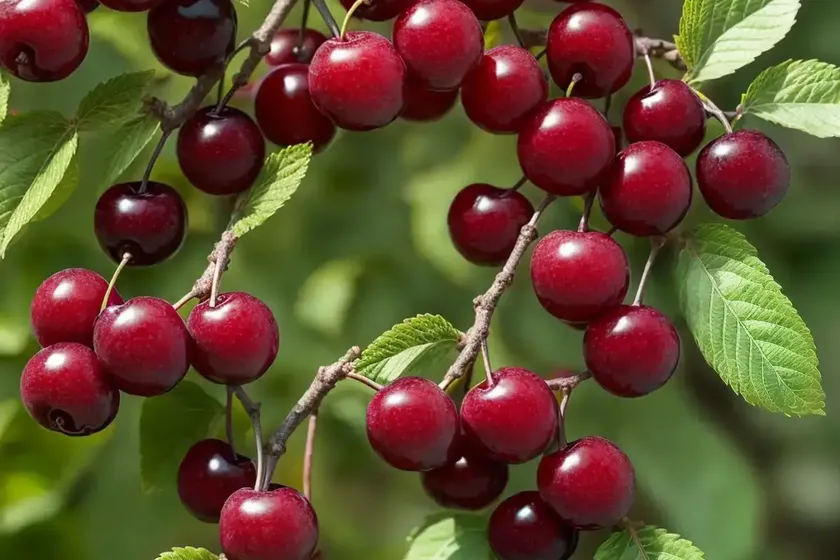
In the world of fruit-bearing trees, Prunus cerasus ‘Montmorency’, commonly known as the Tart Cherry, holds a special place. The Montmorency cherry is an edible cherry variety with a unique sour taste that has made it a favorite among growers and consumers alike. In this comprehensive guide, we will delve into the cultivation, care, and characteristics of this remarkable plant.
What is Prunus Cerasus ‘Montmorency’?
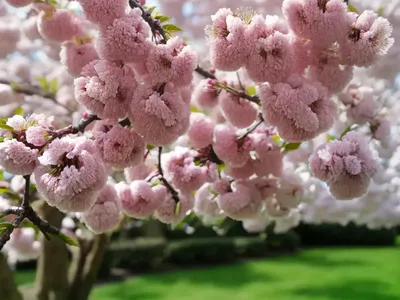
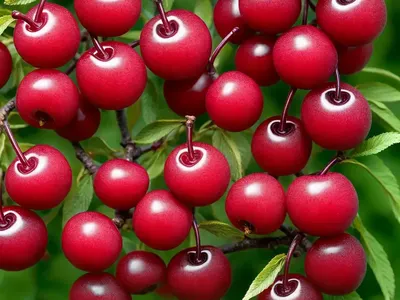
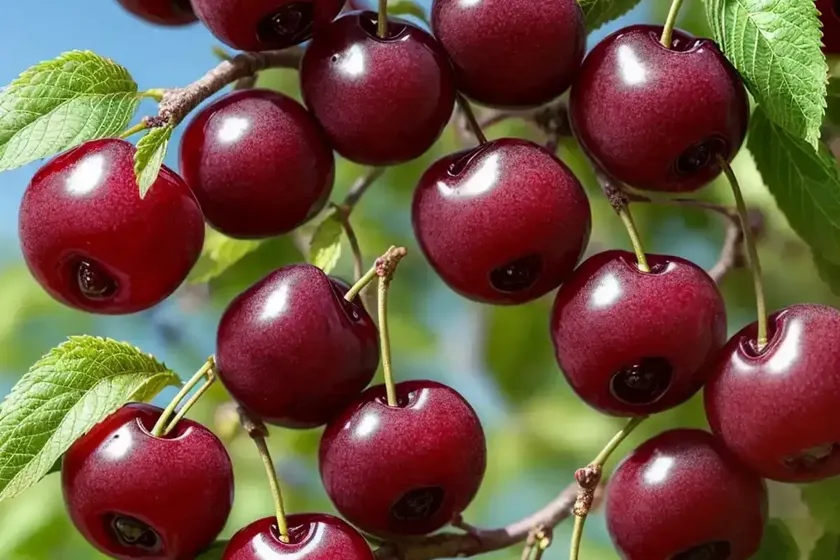
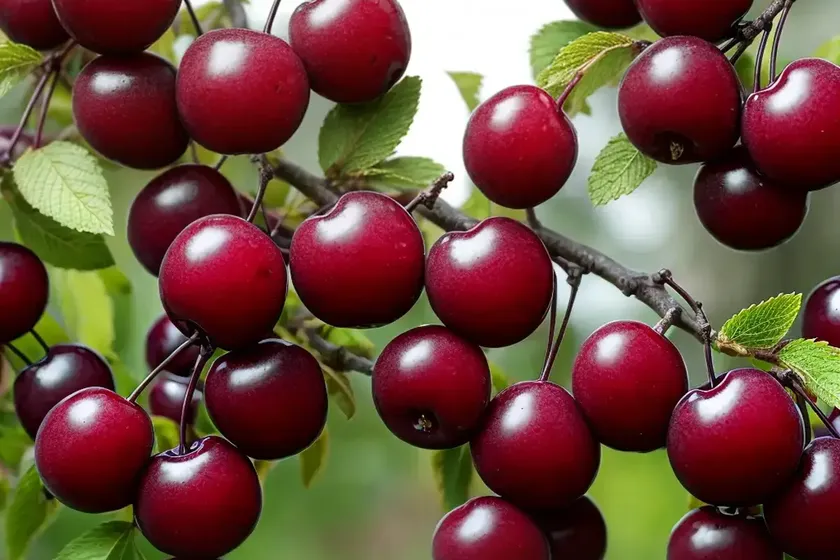
Prunus cerasus ‘Montmorency’ is a cultivar of sour cherry that belongs to the family Rosaceae. Its origins can be traced back to France, where it was first cultivated in the 18th century. The Montmorency cherry tree is renowned for its vibrant pink-white blossoms in spring, and its bright, tangy fruits that ripen to a deep red color in the summer. The tart cherries are widely used in culinary applications, including jams, pies, juices, and various other delicious preparations.
Key Takeaways – Prunus Cerasus ‘Montmorency’ (Tart Cherry)
Before we delve into the specifics of cultivating and caring for Montmorency cherries, let’s outline the key takeaways that will be covered in this guide:
- Description of Prunus cerasus ‘Montmorency’ (Tart Cherry)
- Cultivation and growth of Montmorency cherry trees
- Pruning techniques for optimal growth
- Soil, water, and sunlight requirements
- Fertilization guidelines
- Propagation methods
- Common diseases and pests
- Interesting facts and fun trivia
Now, let’s explore each of these aspects in detail.
Description of Prunus Cerasus ‘Montmorency’ (Tart Cherry)
Montmorency cherries are well-known for their distinctive characteristics and culinary uses. Here’s a closer look at the description of the Prunus cerasus ‘Montmorency’:
Prunus Cerasus Cultivar
The Prunus cerasus ‘Montmorency’ is a popular cultivar of the sour cherry, scientifically classified as Prunus cerasus. It is valued for its excellent fruit quality and adaptability to different growing conditions.
Montmorency Cherry
The Montmorency cherry, also known as the Montmorency tart cherry, is celebrated for its sour flavor and vibrant red color when ripe. It is a favored ingredient in various culinary dishes and food products.
Tart Cherry Tree
The tart cherry tree, or Prunus cerasus ‘Montmorency’ tree, is a deciduous fruit-bearing tree that produces an abundance of tart cherries during the summer months. It is characterized by its lovely blossoms in spring and lush foliage in summer.
Fruit-Bearing Tree
As a member of the Rosaceae family, the Montmorency cherry tree belongs to a group of fruit-bearing trees that includes apples, pears, and other stone fruits.
Edible Cherry Variety
While Montmorency cherries may be too tart to be enjoyed raw, they are a prized edible cherry variety used extensively in cooking, baking, and preservation.
Sour Cherry Cultivar
The designation as a sour cherry cultivar emphasizes the tartness of the Montmorency cherries, which adds a unique flavor profile to culinary creations.
That concludes our overview of the description of Prunus cerasus ‘Montmorency’. Now, let’s move on to the cultivation and growth requirements for this exceptional fruit tree.
Cultivation
Cultivating Prunus cerasus ‘Montmorency’ requires careful attention to its cultural needs, including water, sunlight, fertilizer, soil, and pruning. By understanding and providing for these needs, growers can ensure a healthy and bountiful cherry harvest. Let’s explore each of these aspects in detail:
Water
Adequate water is essential for the healthy growth of Montmorency cherry trees, especially during the growing season and fruit development. However, it’s important to avoid waterlogging, as excess moisture can lead to root rot and other issues. Proper irrigation management is critical for the overall health and productivity of the trees.
Sunlight
Montmorency cherry trees thrive in full sun, requiring at least 6-8 hours of direct sunlight daily. Adequate sunlight is crucial for fruit production and the overall vigor of the tree. Selecting a sunny location for planting is key to ensuring optimal growth and fruiting.
Fertilizer
Fertilizing Montmorency cherry trees at the right time and with appropriate nutrients is essential for supporting healthy growth and fruit development. The application of a balanced fertilizer in early spring, before the trees start blooming, can provide the necessary nutrients for a productive harvest.
Soil
The soil requirements for Prunus cerasus ‘Montmorency’ include well-drained, loamy soil with good fertility. The pH level should be slightly acidic, ideally ranging between 6.0 and 6.8, to support optimal nutrient uptake by the trees. Conducting a soil test can help determine the soil’s pH and nutrient levels, guiding any necessary amendments.
Pruning
Pruning tart cherry trees, including Montmorency cherries, is vital for maintaining tree health, shaping the canopy, and promoting fruiting wood. Proper pruning techniques, such as removing dead or diseased branches and thinning out excessive growth, can improve air circulation and sunlight penetration within the tree, reducing the risk of diseases.
Propagation
Montmorency cherry trees can be propagated through various methods, including grafting and hardwood cuttings. Grafting onto suitable rootstocks is a common practice to propagate desired cherry cultivars while imparting specific growth characteristics and disease resistance.
Popularity
The popularity of Prunus cerasus ‘Montmorency’ has continued to grow over the years, driven by its exceptional fruit quality and versatile uses in culinary applications. The cherries are highly sought after for their distinct tart flavor, making them a favorite ingredient in pies, tarts, jams, and beverages. Additionally, the Montmorency cherry’s potential health benefits and antioxidant properties have contributed to its rising popularity among health-conscious consumers.
Common Diseases
Like all cultivated plants, Montmorency cherry trees are susceptible to certain diseases that can impact their growth and fruit production. Understanding these common diseases and their management is crucial for maintaining the health and vitality of the trees. Let’s take a look at some of the common diseases that can affect Prunus cerasus ‘Montmorency’ and their diagnosis:
Disease Diagnosis
Diagnosing diseases in Montmorency cherry trees involves carefully observing and identifying symptoms such as leaf discoloration, wilting, cankers, and fruit abnormalities. Certain diseases, such as cherry leaf spot (Blumeriella jaapii) and brown rot (Monilinia fructicola), are prevalent in cherry orchards and require proactive management strategies to mitigate their impact.
Common Pests
In addition to diseases, Montmorency cherry trees can also be affected by various pests that feed on the foliage, fruit, and other plant parts. It’s essential to monitor for common pests and implement appropriate pest management measures to protect the trees from damage. Some of the typical pests that can affect Prunus cerasus ‘Montmorency’ include the cherry fruit fly (Rhagoletis cingulata), Japanese beetles (Popillia japonica), and aphids.
Botanist’s Tips
As a plant scientist and botanist, I have had the opportunity to study and work with a wide range of plant species, including fruit-bearing trees like Prunus cerasus ‘Montmorency’. Based on my experience and expertise, here are some valuable tips for cultivating and caring for Montmorency cherry trees:
- Select a well-drained, sunny location for planting Montmorency cherry trees to ensure optimal growth and fruit production.
- Prune the trees annually during dormancy to remove dead or diseased wood and shape the canopy for improved sunlight penetration and air circulation.
- Monitor for signs of common diseases and pests, and promptly address any issues to prevent their spread and minimize damage to the trees.
Fun Facts
To round off our exploration of Prunus cerasus ‘Montmorency’, here are some fascinating and fun facts about the tart cherry and its cultivation:
- Montmorency cherries are one of the most widely grown tart cherry varieties in the United States, with Michigan being a significant producer of these cherries.
- The distinctive tart flavor of Montmorency cherries is attributed to their high levels of anthocyanins and other antioxidants, which contribute to their potential health benefits.
- Tart cherry juice made from Montmorency cherries has gained attention for its purported anti-inflammatory properties and potential role in supporting exercise recovery.
Links to External Resources
For additional information and resources on Prunus cerasus ‘Montmorency’ (Tart Cherry), you can explore the following links:
- Michigan State University Extension – Montmorency Cherries
- University of Maine – Growing Cherries in Maine
- The Ohio State University – Tart Cherry Production Guide
- USDA Agricultural Research Service – Cherries and Health: A Review
In conclusion, Prunus cerasus ‘Montmorency’ (Tart Cherry) is a remarkable fruit tree with a rich history, exceptional culinary uses, and valuable health attributes. By understanding its cultural requirements, addressing common challenges, and leveraging the botanist’s tips, growers can successfully cultivate and enjoy the bountiful harvest of Montmorency cherries.
With its vibrant blooms, abundant fruits, and culinary versatility, the Montmorency cherry stands as a testament to the beauty and bounty of nature’s offerings. Whether you’re an avid gardener or simply appreciate the joys of fresh, flavorful produce, the tart cherry tree is a delightful addition to any garden or orchard, promising seasons of color, flavor, and the simple pleasures of growing your own fruit.
I hope this comprehensive guide has provided valuable insights and practical guidance for anyone interested in the unique world of Prunus cerasus ‘Montmorency’ and the intricacies of tart cherry cultivation.
Happy growing!
Researcher and Plant Scientist