

Prunus avium ‘Rainier’ (Sweet Cherry): A Comprehensive Guide
Prunus avium ‘Rainier’, commonly known as sweet cherry, is a delightful and valuable addition to any garden or orchard. This deciduous tree is renowned for its delicious fruit, stunning blossoms, and ornamental value. In this comprehensive guide, we will delve into the culture, uses, and maintenance of Prunus avium ‘Rainier’, along with tips from botanists, common diseases, and pest management. Whether you are a seasoned gardener or a novice enthusiast, this article aims to equip you with the knowledge to nurture and enjoy this delightful species.
What is Prunus avium ‘Rainier’ (Sweet Cherry)?
Prunus avium ‘Rainier’ is a cultivar of the species Prunus avium, which belongs to the family Rosaceae. Originating in the United States, this sweet cherry tree has gained popularity globally due to its exceptional fruit quality and aesthetic appeal. It is widely cultivated for its large, yellow-skinned fruit with a red blush, exceptional sweetness, and minimal tartness.
Key Takeaways – Prunus avium ‘Rainier’ (Sweet Cherry)
Upon exploring the multifaceted aspects of Prunus avium ‘Rainier’, we will pay attention to the following key areas:
-
Culture: Understanding the best practices for cultivating Prunus avium ‘Rainier’.
-
Uses: Exploring the diverse ways in which the sweet cherry tree can be utilized.
-
Water: Identifying the water requirements essential for optimal growth.
-
Sunlight: Understanding the sunlight needs of the tree.
-
Fertilizer: Learning about the essential nutrients and fertilization schedule for Prunus avium ‘Rainier’.
-
Soil: Discussing the ideal soil conditions for cultivating sweet cherry trees.
-
Pruning: Exploring the significance of pruning and best practices for maintaining the tree’s health.
-
Propagation: Understanding the methods employed for propagating Prunus avium ‘Rainier’.
-
Container Popularity: Analyzing the potential and challenges of growing sweet cherry trees in containers.
-
Common Diseases: Identifying prevalent diseases affecting Prunus avium ‘Rainier’ and their management.
-
Common Pests: Understanding the pests that pose a threat to sweet cherry trees and effective control measures.
-
Botanist’s Tips: Gaining insights and tips from experienced botanists on growing and caring for Prunus avium ‘Rainier’.
-
Fun Facts: Delighting in intriguing and captivating facts about the sweet cherry tree.
-
Links to External Resources: Providing additional references for further exploration of Prunus avium ‘Rainier’.
Culture
Cultivating Prunus avium ‘Rainier’ necessitates attention to various aspects of care, including water, sunlight, soil, and fertilization. Proper cultural practices are crucial for ensuring the tree’s vitality and bountiful fruit production.
Water
Adequate and consistent watering is vital for the health and productivity of sweet cherry trees. While they are relatively tolerant of drought conditions, consistent moisture is essential, especially during the fruit development stages. A general guideline for watering established sweet cherry trees is to provide approximately 1 inch of water per week, either through natural precipitation or irrigation.
Sunlight
Sweet cherry trees thrive in full sunlight, requiring a minimum of 6-8 hours of direct sunlight per day for optimal growth and fruit production. Selecting a planting site with ample sunlight exposure is crucial for ensuring healthy and productive trees.
Fertilizer
Understanding the nutritional requirements of sweet cherry trees is imperative for providing them with the essential nutrients for robust growth and fruit development. A balanced fertilizer with a higher ratio of nitrogen and a lower ratio of phosphorus and potassium is generally recommended for sweet cherry trees. A complete fertilizer application in early spring, before bud break, can provide the necessary nutrients for the growing season.
Soil
Prunus avium ‘Rainier’ thrives in well-draining, loamy soil with a slightly acidic to neutral pH (6.0-7.0). It is essential to ensure that the soil is not compacted, as this can impede root development and water infiltration. Additionally, incorporating organic matter into the soil can enhance its structure and fertility, providing an optimal growing medium for sweet cherry trees.
Uses
The uses of Prunus avium ‘Rainier’ extend beyond its delectable fruit. From ornamental value to culinary delight, the sweet cherry tree offers various applications in different contexts, enriching landscapes and culinary experiences alike.
Culinary Use
The primary use of Prunus avium ‘Rainier’ lies in its delectable and prized fruit. With large, succulent cherries characterized by their distinctive yellow and red hues, the fruit is a favorite for fresh consumption. Its exceptional sweetness and low acidity make it a popular choice for dessert preparations, preserves, and culinary creations.
Ornamental Value
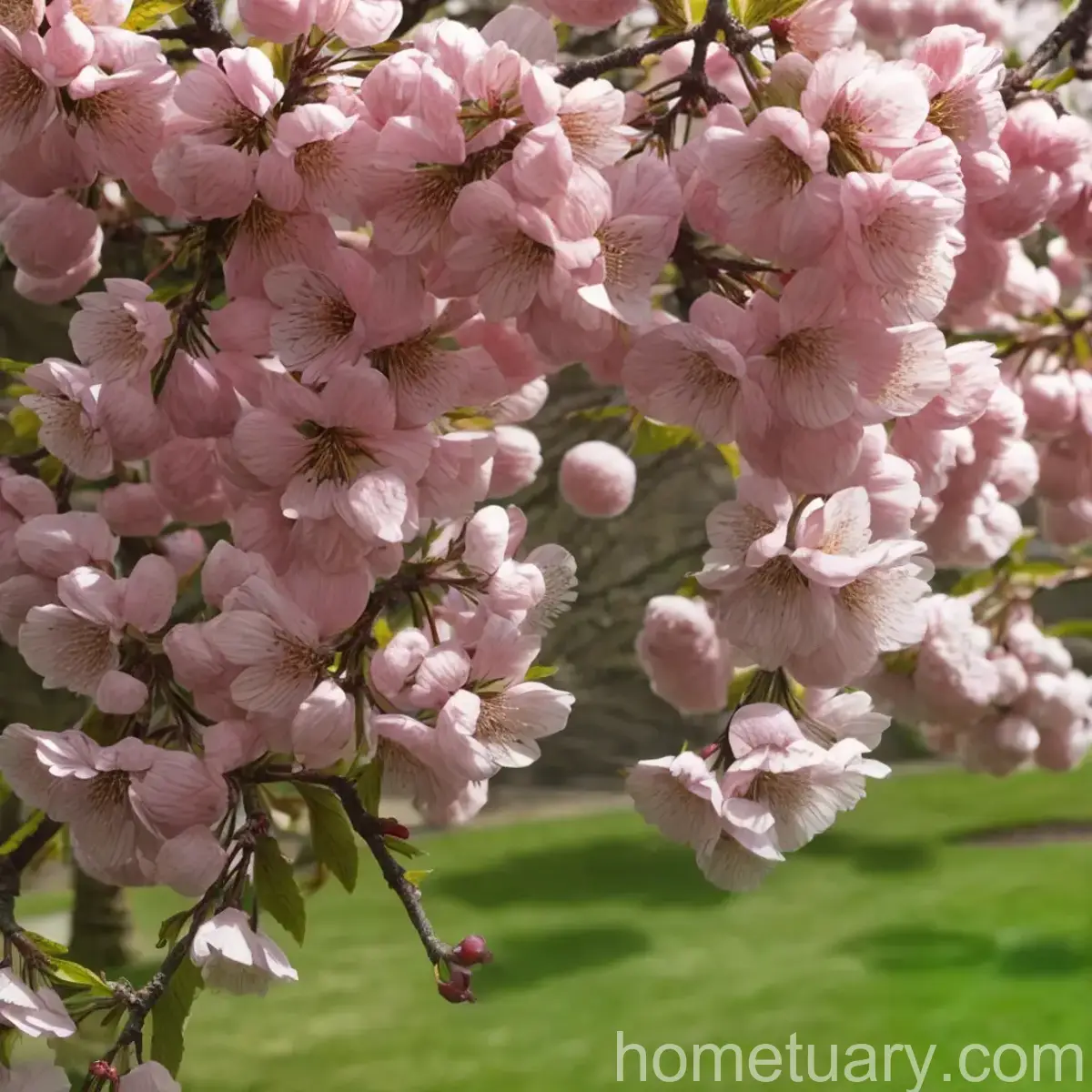
In addition to its fruit-bearing significance, sweet cherry trees contribute to the aesthetic appeal of landscapes and gardens. Their delicate blossoms, characterized by clusters of white flowers, adorn the tree in early spring, creating a breathtaking display of natural beauty. The ornamental value of Prunus avium ‘Rainier’ extends beyond its fruit-bearing capacity, adding grace and charm to any environment.
Pruning
Proper pruning plays a crucial role in maintaining the health, structure, and productivity of Prunus avium ‘Rainier’. Pruning is essential for promoting air circulation, light penetration, and the development of strong, fruit-bearing branches.
Pruning Timing
The ideal time for pruning sweet cherry trees is during the dormant season, typically in late winter to early spring. Conducting pruning operations during this period minimizes the risk of disease transmission and ensures rapid wound healing in preparation for the upcoming growing season.
Pruning Objectives
When pruning Prunus avium ‘Rainier’, several objectives should be kept in mind:
-
Removing Dead or Diseased Wood: Eliminating dead, damaged, or diseased wood is critical for preventing the spread of pathogens and enhancing the tree’s overall health.
-
Thinning Overcrowded Branches: Thinning out crowded or crossing branches facilitates adequate airflow and light penetration within the canopy, reducing the risk of disease and promoting fruit development.
-
Promoting Structural Strength: Training the tree to develop a strong, well-structured framework enhances its ability to support heavy fruit loads and withstand environmental stresses.
Pruning Techniques
When pruning sweet cherry trees, it is essential to utilize proper techniques to achieve the desired results while minimizing the risk of stress or injury to the tree. Some key pruning techniques include:
-
Heading Back: Removing a portion of the terminal growth to encourage lateral branching and denser growth.
-
Thinning: Selectively removing entire branches to open up the canopy and promote light infiltration and airflow.
-
Directional Pruning: Pruning to direct the growth of branches away from the center of the tree and towards more desirable positions.
Propagation
The propagation of Prunus avium ‘Rainier’ can be achieved through various methods, each with its unique advantages and considerations. Propagation enables the expansion of sweet cherry tree populations, preservation of desirable cultivars, and experimentation with novel genetic combinations.
Grafting
Grafting is a widely employed method for propagating Prunus avium ‘Rainier’, especially for preserving the unique characteristics of specific cultivars. The use of rootstocks compatible with the desired scion cultivar facilitates the creation of new trees with identical traits to the parent plant. Several grafting techniques, such as whip and tongue grafting, T-budding, and cleft grafting, can be utilized for successful propagation.
Seed Propagation
Propagation through seeds offers an opportunity for creating genetic diversity and exploring novel traits within the genus Prunus. However, it is essential to recognize that seed-grown sweet cherry trees may exhibit variations in fruit quality and characteristics compared to their parent plants. As a result, seed propagation is often employed for breeding purposes and the development of new cultivars.
Container Popularity
Growing Prunus avium ‘Rainier’ in containers presents unique opportunities and challenges, enabling individuals with limited space to cultivate this delightful species while necessitating attention to specific cultural practices to ensure its vigor and productivity.
Container Selection
When choosing containers for growing sweet cherry trees, it is crucial to select ones that provide ample space for root development, drainage holes to prevent waterlogging, and durability to withstand seasonal changes. Additionally, containers should be large enough to accommodate the tree’s growth while offering stability and support.
Soil Considerations
Utilizing well-draining, nutrient-rich soil is essential for container-grown Prunus avium ‘Rainier’. Employing a high-quality potting mix specifically formulated for fruit trees can provide the necessary structure, aeration, and fertility to support the tree’s growth and fruiting capacity.
Watering and Nutrient Management
Container-grown sweet cherry trees may require more frequent watering compared to their counterparts in the ground, as containers can dry out more rapidly. Monitoring soil moisture levels and providing consistent, adequate irrigation is crucial for supporting the tree’s growth and fruit development. Additionally, regular fertilization with a balanced, slow-release fertilizer can supply the essential nutrients required for sustained growth and fruit production.
Common Diseases
Despite their resilience, sweet cherry trees are susceptible to various diseases that can compromise their health and productivity. Familiarizing oneself with common diseases and their management is critical for maintaining the vitality of Prunus avium ‘Rainier’.
Brown Rot (Monilinia fructicola)
Brown rot is a prevalent fungal disease affecting sweet cherry trees, characterized by the development of brown, mummified fruit and twig cankers. Warm, humid conditions are conducive to the proliferation of brown rot, making proper sanitation, fungicidal sprays, and removal of infected plant material crucial for disease management.
Leaf Spot (Blumeriella jaapii)
Leaf spot, caused by the fungus Blumeriella jaapii, results in the formation of small, dark lesions on the leaves of sweet cherry trees, potentially leading to premature defoliation and reduced fruit quality. Implementing cultural practices that enhance air circulation, such as proper pruning, and employing fungicidal treatments can aid in managing leaf spot.
Powdery Mildew (Podosphaera clandestina)
Powdery mildew infestations can lead to the development of powdery, white fungal growth on the surfaces of sweet cherry leaves, ultimately impacting the tree’s photosynthetic capacity. Regular scouting for early symptoms, implementation of tolerant cultivars, and the application of appropriate fungicidal sprays can assist in managing powdery mildew.
Disease Diagnosis
The identification of diseases affecting Prunus avium ‘Rainier’ involves careful observation of symptoms, assessment of environmental conditions, and, when necessary, laboratory analysis to confirm the presence of specific pathogens.
Symptom Recognition
Recognizing the characteristic symptoms associated with common sweet cherry diseases, such as fruit rot, leaf lesions, or powdery growth, is essential for initiating timely disease management measures. Symptoms such as twig cankers, wilting foliage, and abnormal fruit development can serve as indicators of underlying disease issues.
Environmental Assessment
Assessing the prevailing environmental conditions, including temperature, humidity levels, and air circulation, can provide insights into the potential for disease development and spread. Certain diseases, such as powdery mildew and brown rot, thrive in warm, humid environments, necessitating tailored management strategies.
Laboratory Analysis
When disease symptoms are ambiguous or when precise identification is essential for effective management, submitting samples to diagnostic laboratories for pathogen identification can be invaluable. Laboratory analysis facilitates the identification of causative agents, enabling the implementation of precise, targeted control measures.
Common Pests
Pests pose a recurring threat to the health and productivity of sweet cherry trees, necessitating vigilant monitoring and effective management strategies to minimize their impact.
Cherry Fruit Fly (Rhagoletis cingulata)
The cherry fruit fly is a significant pest of sweet cherry trees, with the larvae of the fly causing internal fruit damage, manifesting as brown, discolored patches within the flesh. Employing monitoring traps, timely insecticide applications, and fruit sanitation practices can aid in managing cherry fruit fly infestations.
Western Cherry Fruit Fly (Rhagoletis indifferens)
Similar to the cherry fruit fly, the western cherry fruit fly poses a threat to sweet cherry crops, with the potential to cause substantial yield losses. Implementing preventive measures, such as the use of fine mesh exclusion netting and regulated insecticide applications, is crucial for managing the western cherry fruit fly.
Aphids
Aphids, including species such as the green peach aphid (Myzus persicae), can infest sweet cherry trees, leading to distorted foliage, honeydew production, and potential virus transmission. Employing natural predators, such as lady beetles, parasitic wasps, or targeted insecticidal treatments, can aid in managing aphid populations.
Botanist’s Tips
Experienced botanists provide valuable insights into the cultivation and care of Prunus avium ‘Rainier’, offering practical tips and advice based on their expertise and observations.
Tip 1: Thorough Site Selection
When selecting a site for planting sweet cherry trees, ensure that the location receives ample sunlight, offers good air circulation, and is well-draining to promote optimal growth and fruit production.
Tip 2: Vigilant Disease Monitoring
Regular monitoring for signs of common diseases, such as leaf spot or fruit rot, enables timely intervention and minimizes the impact of potential disease outbreaks on the tree’s health.
Tip 3: Consistent Watering Regimen
Establish a consistent watering regimen to maintain adequate soil moisture levels, especially during critical stages such as fruit development, to support healthy growth and fruit quality.
Tip 4: Prudent Pruning Practices
Implement a structured pruning regimen to promote a well-balanced canopy, enable light penetration, and encourage the development of fruit-bearing branches for sustained productivity.
Fun Facts
Delighting in captivating and intriguing facts about sweet cherry trees adds to the appreciation and fascination for this remarkable species.
Fact 1: Parentage of ‘Rainier’
Prunus avium ‘Rainier’ is a product of the crossbreeding of the ‘Bing’ and ‘Van’ cherry varieties, resulting in its unique and prized characteristics.
Fact 2: Pollination Requirements
Sweet cherry trees, including Prunus avium ‘Rainier’, often require cross-pollination with compatible cultivars for optimal fruit set, making them an excellent choice for home orchards with diverse cherry varieties.
Fact 3: Blossom Aesthetics
The delicate, white blossoms of Prunus avium ‘Rainier’ not only attract pollinators but also contribute to the visual splendor of gardens and orchards, marking the arrival of spring with their ethereal beauty.
Fact 4: Seasonal Harvest
The harvest season for Prunus avium ‘Rainier’ typically occurs in late spring to early summer, providing a bountiful supply of delectable cherries for culinary enjoyment.
Links to External Resources
For further exploration of Prunus avium ‘Rainier’ and related topics, the following external resources are valuable references:
- Sweet Cherries: Growing Tree Fruits – University of Minnesota Extension
- Prunus avium – Rainier Cherry – California Rare Fruit Growers, Inc.
- Cherry Diseases and Pests – University of Minnesota Extension
- Cherry Fruit Fly Management – Oregon State University Extension Service
Conclusion
Prunus avium ‘Rainier’, as a representation of the broader Prunus avium species, offers a captivating blend of aesthetic beauty and culinary delight. By understanding its cultural requirements, uses, disease management strategies, and the tips provided by seasoned botanists, enthusiasts and orchardists can ensure the health and productivity of this remarkable fruit tree. Whether grown in home gardens, commercial orchards, or containers, the sweet cherry tree enriches landscapes and palates alike, contributing to the charm and diversity of horticultural endeavors.


