Prostrate Knotweed (Polygonum Aviculare)
As a plant scientist, I have always been fascinated by the diverse array of flora that grace our planet. Each plant species has its own unique set of.
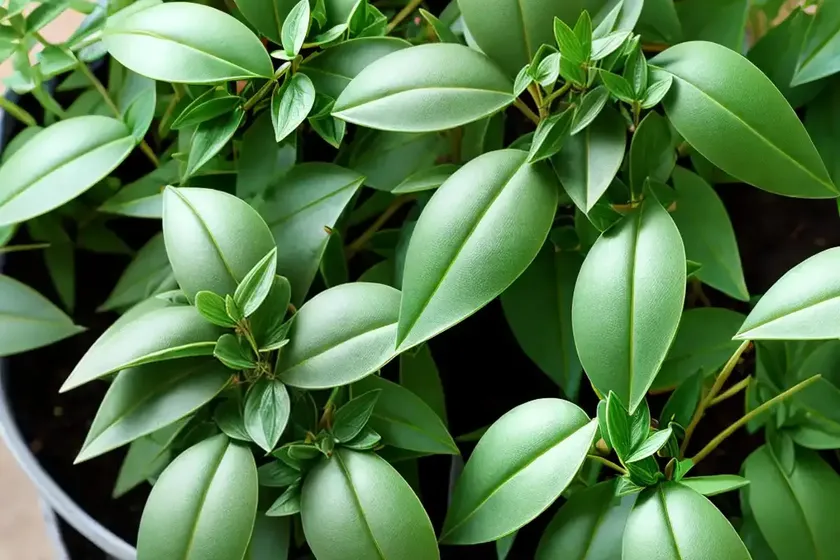
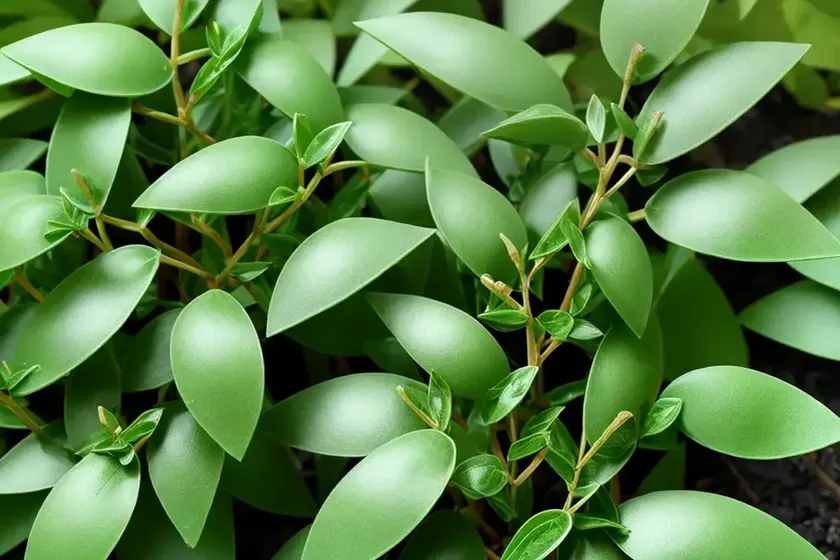

As a plant scientist, I have always been fascinated by the diverse array of flora that grace our planet. Each plant species has its own unique set of characteristics, uses, and ecological significance. In this blog post, we will delve into the intriguing world of Prostrate Knotweed (Polygonum Aviculare), a tenacious groundcover with a wealth of cultural, horticultural, and ecological benefits.
What is Prostrate Knotweed (Polygonum Aviculare)?
Prostrate Knotweed, scientifically known as Polygonum Aviculare, is a low-growing, herbaceous plant that belongs to the Polygonaceae family. This adaptable species is native to Europe and has since established itself in various parts of the world, including North America, Asia, and Australia. It thrives in a wide range of habitats, from disturbed urban areas to agricultural landscapes, showcasing its resilience and adaptability.
Polygonum Aviculare Characteristics
- Height: Typically grows to a height of 10-40 cm.
- Leaves: The leaves are narrow and lance-shaped, arranged alternately along the stems.
- Flowers: Delicate, small, and inconspicuous, with greenish-white to pink hues.
- Fruit: Produces small, rounded seeds enclosed within triangular-shaped fruits.
With its prostrate growth habit and ability to spread rapidly, Prostrate Knotweed is often sought after for its ground-covering properties, making it a popular choice for erosion control and landscape management.
Key Takeaways – Prostrate Knotweed (Polygonum Aviculare)
Before delving further into the various aspects of Prostrate Knotweed, let’s take a moment to outline the key takeaways of this remarkable plant:
- Cultural Uses: Prostrate Knotweed has historical and cultural significance, with traditional uses in ethnomedicine and folklore.
- Water: It displays moderate drought tolerance and thrives in well-drained soil.
- Sunlight: This resilient plant can adapt to a variety of light conditions, from full sun to partial shade.
- Fertilizer: Generally undemanding in terms of nutrient requirements, thriving in average to poor soils.
- Soil: It exhibits versatility in soil adaptation, from sandy to clay soils, and is tolerant of various pH levels.
- Pruning: Minimal pruning requirements, making it a low-maintenance groundcover option.
- Propagation: Easily propagated from seeds or stem cuttings, contributing to its widespread distribution.
- Container Popularity: Suitable for container gardening, adding ornamental value to outdoor spaces.
In the subsequent sections, we will explore each of these aspects in detail to shed light on the cultivation, uses, and management of Prostrate Knotweed.
Culture
Uses
Throughout history, Prostrate Knotweed has found application in a range of cultural practices and traditions. From herbal remedies to culinary uses, this versatile plant has carved out a place in various cultural contexts. Let’s delve into some of the notable uses of Polygonum Aviculare:
Medicinal Properties
In traditional ethnomedicine, various parts of Prostrate Knotweed have been utilized to address minor ailments and promote wellness. The herb has been employed in folk medicine for its astringent, anti-inflammatory, and diuretic properties. The leaves and stems have been used in poultices and infusions to alleviate skin irritations and promote wound healing.
Its historical use as a medicinal herb underscores its potential contributions to traditional medicine and highlights its resilience in surviving through centuries of human cultural practices.
Culinary Uses
While not as widely recognized as its medicinal applications, Prostrate Knotweed has also been historically used in culinary preparations, particularly in certain regional cuisines. The young shoots and leaves of the plant are edible and can be incorporated into salads, soups, and stir-fries.
It’s important to exercise caution and seek proper guidance when foraging wild plants for culinary purposes, ensuring accurate identification and understanding of the plant’s potential allergenic or toxic properties.
Water
Prostrate Knotweed exhibits moderate drought tolerance, making it well-suited for arid and semi-arid regions. While it can adapt to dry conditions, providing regular watering during extended periods of drought can help ensure healthy growth and vitality. In water-scarce environments, the plant’s ability to thrive with minimal irrigation is especially valuable, contributing to its potential use as a sustainable landscaping option.
Sunlight
One of the remarkable features of Prostrate Knotweed is its adaptability to varying light conditions. Whether it’s basking in full sunlight or thriving in shaded areas, this resilient plant demonstrates its versatility by flourishing in diverse environments. This attribute makes it an excellent choice for landscaping projects that encompass a range of light exposures, providing the flexibility to thrive in both sunny open spaces and shaded nooks.
Fertilizer
In terms of fertilizer requirements, Prostrate Knotweed is generally undemanding, thriving in average to poor soils with minimal supplementation. This inherent resilience and adaptability to nutrient-poor environments underscore its potential for low-input landscaping and ornamental plantings. While offering some supplemental nutrients may boost growth in nutrient-deprived soils, the plant’s ability to perform well without extensive fertilization enhances its appeal for sustainable and low-maintenance landscaping.
Soil
Prostrate Knotweed displays remarkable adaptability to various soil types, ranging from sandy to clay soils. Its ability to thrive in diverse soil textures and compositions expands its potential applications in landscaping and horticulture. Additionally, the plant exhibits tolerance to a wide range of soil pH levels, further underscoring its versatility and capacity to thrive in diverse soil conditions.
Pruning
As a low-growing groundcover, Prostrate Knotweed typically requires minimal pruning, contributing to its appeal for low-maintenance landscaping solutions. Occasional removal of dead or damaged stems may be beneficial to maintain a tidy appearance and promote healthy growth. However, its inherent prostrate growth habit and spreading nature make it an excellent choice for areas where low-maintenance vegetation is desired.
Propagation
The propagation of Prostrate Knotweed is relatively straightforward and can be accomplished through the following methods:
- Seed Propagation: The plant produces abundant seeds encased in small, triangular fruits. These seeds can be collected and sown in well-prepared soil, providing optimal conditions for germination and establishment.
- Stem Cuttings: Stem cuttings can also be utilized for propagating Prostrate Knotweed. Select healthy, non-flowering stems and root them in a suitable growing medium to initiate new plants.
The ease of propagation contributes to the widespread distribution of Polygonum Aviculare and its capacity to naturalize in diverse environments.
Container Popularity
Prostrate Knotweed is well-suited for container gardening, adding ornamental value to outdoor spaces. Whether used as a standalone feature in a container or combined with other compatible plants to create dynamic arrangements, the plant’s adaptability to container growth enhances its versatility in horticultural and landscaping applications.
The portability and decorative appeal of container-grown Prostrate Knotweed make it an attractive option for urban gardens, balconies, patios, and other confined settings. Its low-maintenance nature further underscores its suitability for container gardening, appealing to both novice and experienced gardeners alike.
Common Diseases
Prostrate Knotweed is relatively resilient in the face of disease pressures, exhibiting a degree of natural resistance to certain common pathogens. While it may encounter some disease issues under specific environmental conditions, it generally maintains robust health and vigor, contributing to its appeal as a hardy groundcover option.
Disease Diagnosis
In the event of potential disease symptoms or anomalous plant behavior, it is essential to conduct a thorough assessment to accurately diagnose the underlying issue. Common symptoms of disease in Prostrate Knotweed may include leaf discoloration, wilting, stunted growth, or abnormal lesions.
To determine the specific ailment affecting the plant, it is advisable to consult with a plant health professional and facilitate diagnostic evaluations. Utilizing reputable diagnostic laboratories and facilities can aid in promptly identifying and addressing any suspected diseases, bolstering efforts to maintain plant health and vitality.
Common Pests
Prostrate Knotweed demonstrates a degree of resistance to pest infestations, owing to its robust constitution and adaptive capabilities. While it may encounter occasional pest pressures, the plant typically exhibits resilience against common pests that target other vegetation.
Botanist’s Tips
As a plant scientist, I offer the following tips for the successful cultivation and management of Prostrate Knotweed:
- Site Selection: When integrating Prostrate Knotweed into landscaping projects, consider the specific requirements of the plant and select suitable sites with optimal conditions for its growth.
- Maintenance Practices: Emphasize minimal maintenance and sustainable management practices to capitalize on the plant’s inherent characteristics and minimize the need for intensive upkeep.
- Companion Planting: Explore companion planting strategies that leverage the beneficial attributes of Prostrate Knotweed and complement its growth habits with compatible plant species.
Fun Facts
To shed light on the fascinating attributes of Prostrate Knotweed (Polygonum Aviculare), here are some intriguing fun facts about this versatile groundcover:
- The plant’s scientific name, Polygonum Aviculare, is derived from the Latin words “polygonum,” meaning “many knees,” and “aviculare,” signifying “pertaining to birds.” This nomenclature reflects the species’ propensity to grow in a spreading, sprawling manner and its association with bird habitats.
- In some cultural traditions, Prostrate Knotweed has been regarded as a symbol of resilience and adaptability, drawing parallels to its characteristics as a hardy, flexible groundcover.
- The plant’s historical ethnobotanical uses span a wide array of applications, ranging from traditional medicine to culinary preparations, underscoring its diverse cultural significance.
Links to External Resources
Explore the diverse facets of Prostrate Knotweed (Polygonum Aviculare) through reputable external resources:
- Plant Profile – USDA Plants Database
- Invasive Species Compendium – CABI
- Ethnobotanical Database – Plants for a Future
- Landscaping with Native Plants – Lady Bird Johnson Wildflower Center
- Horticultural Techniques and Best Practices – Royal Horticultural Society (RHS)
In conclusion, Prostrate Knotweed (Polygonum Aviculare) emerges as a versatile groundcover imbued with cultural significance, ecological adaptability, and horticultural potential. Its resilience, ease of cultivation, and diverse applications make it an intriguing subject of study for plant enthusiasts, horticulturists, and conservationists alike. As we continue to explore the dynamic world of plants, Prostrate Knotweed stands as a testament to the rich tapestry of flora that shapes our natural landscapes.


