Princess Flower (Tibouchina Urvilleana)
Princess Flower (Tibouchina urvilleana), with its stunning violet-purple flowers and velvety leaves, is a captivating plant that has captivated the hearts.
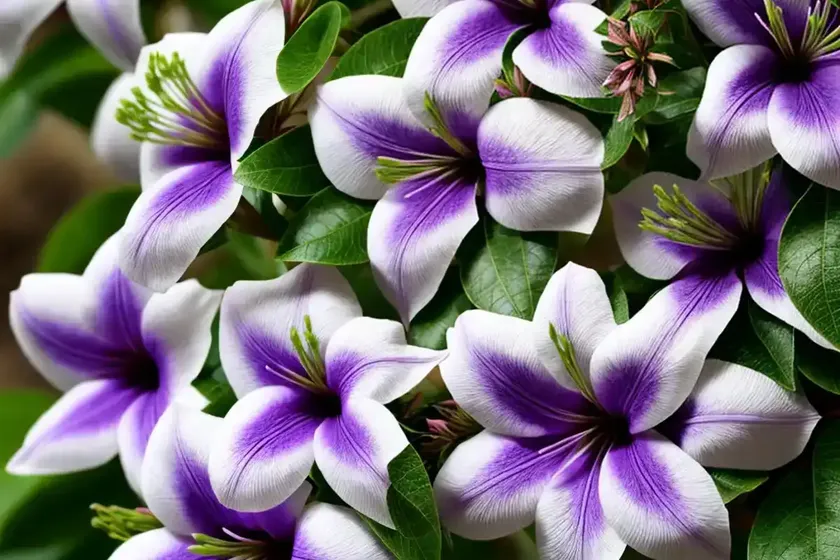
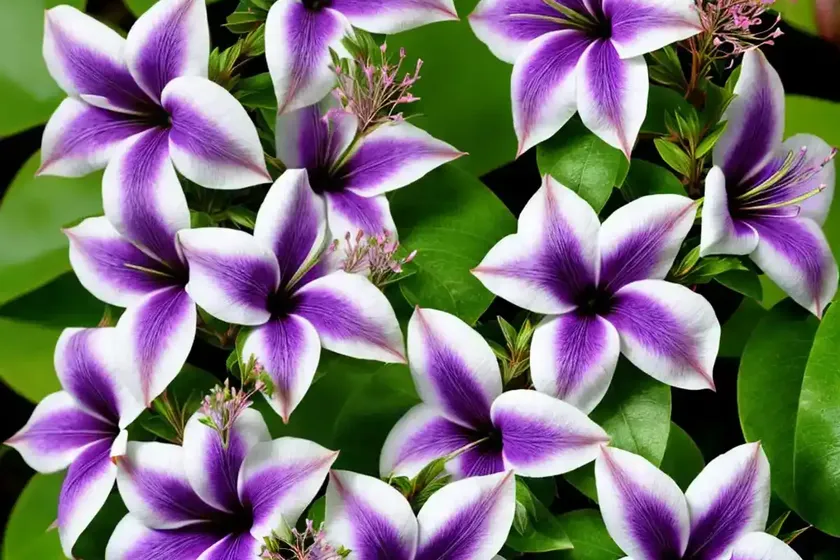
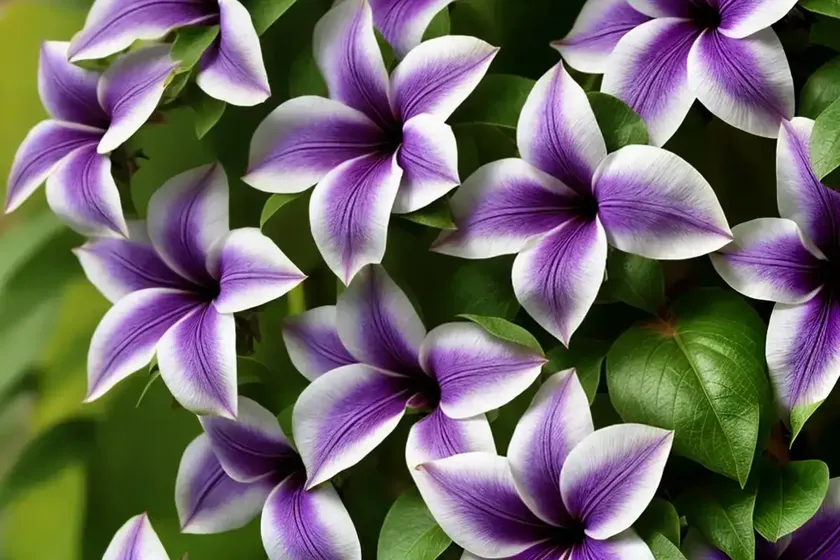
Princess Flower (Tibouchina urvilleana), with its stunning violet-purple flowers and velvety leaves, is a captivating plant that has captivated the hearts of many garden enthusiasts. This tropical shrub, native to Brazil, belongs to the family Melastomataceae and is prized for its ornamental appeal and relatively low-maintenance requirements.
In this comprehensive guide, we will delve deeply into the world of Princess Flower, covering everything from its cultural requirements and uses to its growth habits, care needs, and potential diseases and pests. Whether you’re a seasoned gardener or a novice plant enthusiast, this guide will equip you with the knowledge needed to cultivate and care for the magnificent Princess Flower.
What is Princess Flower (Tibouchina urvilleana)?
Princess Flower, scientifically known as Tibouchina urvilleana, is a tropical evergreen shrub that is noted for its brilliant display of purple flowers and deep green, velvety leaves. This plant is native to the rainforests of Brazil, and it thrives in warm, humid environments, making it a popular choice for tropical and subtropical gardens as well as indoor cultivation in cooler climates.
Tibouchina urvilleana is characterized by its upright growth habit, reaching heights of 6 to 8 feet (1.8 to 2.4 meters), and its attractive, broad leaves, which add to its visual appeal even when it’s not in bloom. The standout feature, however, is its vibrant clusters of flowers, which can illuminate any garden with their striking hue.
Key Takeaways – Princess Flower (Tibouchina urvilleana)
Before we delve into the details of Princess Flower cultivation and care, let’s outline some key takeaways about this captivating plant:
- Scientific Name: Tibouchina urvilleana
- Common Name: Princess Flower
- Family: Melastomataceae
- Native Habitat: Brazil
- Growth Habit: Upright shrub
- Flower Color: Violet-purple
- Foliage: Velvety, deep green leaves
- Uses: Ornamental, landscaping, container gardening
- Hardiness: Suitable for USDA hardiness zones 9-11
Now that we have a foundational understanding of Princess Flower, let’s explore the specific cultural requirements and care tips necessary to foster its growth and ensure its continued vibrancy.
Culture
The successful cultivation of Princess Flower relies on providing it with the right environmental conditions, including the right balance of water, sunlight, soil, and fertilizer. Understanding these cultural requirements is crucial for optimizing the plant’s growth and flowering potential.
Water
In its natural habitat, Princess Flower thrives in consistently moist but well-draining soil. When cultivating Tibouchina urvilleana, it’s essential to maintain a balanced approach to watering to prevent root rot without allowing the soil to dry out completely.
Watering Guidelines:
- Regular Watering: During the growing season, ensure that the plant receives regular watering, especially during dry spells. Aim to keep the soil consistently moist but not waterlogged.
- Monitor Soil Moisture: Check the soil moisture levels regularly to gauge the plant’s watering needs. If the top inch of soil feels dry to the touch, it’s time to water.
- Reduce Watering in Winter: In colder months when the plant’s growth slows down, reduce watering to prevent waterlogged soil. Allow the soil to dry out slightly between waterings, but do not let it become bone dry.
Sunlight
Princess Flower thrives in bright, indirect light and appreciates a sheltered location that offers protection from harsh midday sun. Sufficient sunlight is essential for promoting robust growth and encouraging the plant to produce an abundance of its signature blooms.
Sunlight Requirements:
- Partial Sun to Partial Shade: Ideally, position Princess Flower in a location that receives partial sun to partial shade. It benefits from receiving morning sunlight but should be shielded from intense afternoon sun.
- Indoor Cultivation: If grown indoors, place the plant near a bright, east- or west-facing window where it can receive adequate indirect sunlight. Consider supplementing with artificial grow lights if natural light is limited.
Fertilizer
To support Princess Flower’s growth and flowering, providing a balanced fertilizer at the right intervals is crucial. Fertilizing the plant helps supplement the nutrients available in the soil, promoting healthy foliage and vibrant blooms.
Fertilizing Guidelines:
- Balanced Fertilizer: Use a balanced, water-soluble fertilizer formulated for flowering plants. A fertilizer with an N-P-K ratio of 10-10-10 or similar is suitable for Princess Flower.
- Frequency: Apply fertilizer every 4 to 6 weeks during the growing season, from spring to early fall. Reduce or cease fertilization in late fall and winter when the plant’s growth slows.
Soil
The right soil composition is paramount to the overall health and vigor of Princess Flower. The ideal soil blend for Tibouchina urvilleana is one that provides adequate drainage while retaining sufficient moisture to keep the plant hydrated.
Soil Requirements:
- Well-Draining Soil: Plant Princess Flower in well-draining soil that prevents water from pooling around the roots. A mix of organic matter, such as compost or peat moss, can improve soil structure and drainage.
- Acidic Soil pH: Princess Flower prefers slightly acidic soil with a pH range of 5.5 to 6.5. A soil pH test kit can help monitor and adjust the pH level as needed to ensure it falls within the optimal range.
Pruning
Regular pruning is an essential aspect of Princess Flower care, as it helps maintain the plant’s shape, encourages compact growth, and stimulates prolific blooming. Proper pruning techniques can also remove dead or diseased wood, promoting overall plant health.
Pruning Guidelines:
- Timing: Prune Princess Flower in late winter or early spring before the new growth begins. Avoid heavy pruning in the fall or early winter, as it can diminish the plant’s ability to withstand colder temperatures.
- Remove Spent Flowers: Deadhead faded or spent flowers regularly to promote continuous blooming and prevent the plant from expending energy on seed production.
- Trimming Leggy Growth: If the plant becomes leggy or overgrown, selectively trim back long, straggly stems to encourage bushier, more compact growth.
Propagation
For those looking to expand their collection of Princess Flower or share its beauty with others, propagation offers a means to create new plants from existing ones. Tibouchina urvilleana can be propagated through several methods, including stem cuttings and seed propagation.
Propagation Methods:
- Stem Cuttings: Take 4- to 6-inch (10- to 15-centimeter) stem cuttings from healthy, established plants. Remove the lower leaves, dip the cut end in rooting hormone, and plant the cutting in a well-draining rooting medium. Keep the medium consistently moist until the cutting roots.
- Seed Propagation: Harvest seeds from mature Princess Flower fruits and sow them in a seed-starting mix. Maintain the right levels of warmth and moisture to encourage germination and seedling growth.
Container Popularity
The versatile nature of Princess Flower makes it well-suited for container cultivation, allowing gardeners to enjoy its beauty on patios, balconies, or even indoors. When grown in containers, Princess Flower can be easily moved to sheltered locations during cold spells and provides a stunning focal point in outdoor living spaces.
Container Guidelines:
- Size and Drainage: Choose a container that provides ample space for the plant’s root system to expand. Ensure the container has drainage holes to prevent waterlogging and root rot.
- Quality Potting Mix: Use a well-draining potting mix with a balanced blend of soil, peat moss, and perlite. Aim for a mix that retains moisture without becoming waterlogged.
Common Diseases
While Princess Flower is relatively resilient, it is susceptible to certain diseases that can affect its overall health and vigor. Understanding these common diseases and their telltale signs is essential for prompt diagnosis and treatment.
Disease Diagnosis:
- Powdery Mildew: Look for a powdery, white fungal growth on the leaves and stems. Powdery mildew can hinder photosynthesis and weaken the plant if left untreated.
- Leaf Spot: Identification of circular, brown spots on the leaves may indicate the presence of leaf spot disease. Over time, the spots can enlarge and cause leaf yellowing and defoliation if not addressed.
- Root Rot: Symptoms of root rot include wilting, yellowing leaves, and a general decline in the plant’s health. Check the roots for signs of decay and apply corrective measures promptly.
Common Pests
In addition to diseases, Princess Flower may also fall victim to certain pests that can compromise its growth and appearance. Vigilance is key to identifying and managing these pests before they infest the plant extensively.
Common Pests:
- Aphids: These small, soft-bodied insects congregate on the undersides of leaves and excrete honeydew, which can attract sooty mold and weaken the plant.
- Spider Mites: Spider mites are tiny arachnids that feed on plant sap, leading to stippled, discolored leaves. They thrive in warm, dry conditions and can multiply rapidly if left unchecked.
- Whiteflies: Whiteflies are small, moth-like insects that congregate on the undersides of leaves. Their feeding can cause leaf yellowing and eventually lead to leaf drop.
Botanist’s Tips
As a plant scientist, I have observed Princess Flower in various environmental conditions and have gathered valuable insights into cultivating and caring for this mesmerizing plant. Here are some expert tips to help you optimize the growth and resilience of Tibouchina urvilleana in your garden or indoor spaces:
Expert Tips:
- Protection from Hot Afternoon Sun: Shield Princess Flower from intense afternoon sun, as excessive heat can scorch the leaves and cause stress to the plant.
- Consistent Moisture: Maintain consistent soil moisture, avoiding fluctuations between waterlogged and dry conditions to promote healthy growth and flowering.
- Overwintering Indoors: In regions with cold winters, consider overwintering Princess Flower indoors to protect it from frost and cold temperatures, especially for potted plants.
Fun Facts
Before we conclude this comprehensive guide, let’s explore some fascinating and lesser-known facts about Princess Flower that add to its allure and appeal in gardens and landscapes:
- Globetrotting Plant: Princess Flower has found homes in various tropical and subtropical regions worldwide, where it has become a beloved addition to botanical gardens and private landscapes.
- Butterfly Magnet: The vibrant, nectar-rich flowers of Tibouchina urvilleana attract an array of butterflies, adding dynamic movement and color to garden spaces.
- Medicinal Uses: In its native Brazil, Princess Flower has been traditionally used for its purported medicinal properties, with extracts from the plant believed to possess certain health benefits.
- Ornamental Diversity: While the classic purple-flowered variety is the most popular, Princess Flower is also available in different cultivars, offering variations in flower color and plant size.
Links to External Resources
For further in-depth information on Princess Flower (Tibouchina urvilleana), its cultivation, and care, consider exploring the following links to external resources:
- Princess Flower Plant Care Tips
- Tibouchina urvilleana: A Gardeners’ Guide
- Growing Princess Flower Indoors
- Tibouchina urvilleana: Cultural Guidelines
- Princess Flower Pests and Diseases Control
Wrapping Up
In conclusion, Princess Flower (Tibouchina urvilleana) is a captivating plant with enchanting blooms and lush foliage, making it a prized addition to gardens, landscapes, and indoor spaces. By understanding its cultural requirements, including water, sunlight, soil, and fertilizer, as well as its pruning, propagation, and potential pests and diseases, gardeners can ensure the continued vibrancy and beauty of this remarkable plant.
Whether you’re drawn to its ornamental value, its ability to attract pollinators, or its adaptability to container gardening, Princess Flower offers a wealth of possibilities for gardeners seeking to enhance their outdoor spaces with a touch of tropical allure. With the insights and tips provided in this guide, you’re well-equipped to embark on a rewarding journey of cultivating and caring for the magnificent Princess Flower, ushering in its splendor and elegance into your botanical realm. Happy gardening!
For more information, visit Plant & Gardening Guide.


