Princess-flower (Tibouchina Urvilleana)
As a plant scientist, I am thrilled to delve into the captivating world of the Tibouchina Urvilleana, also known as the Princess-Flower. This blog post.
As a plant scientist, I am thrilled to delve into the captivating world of the Tibouchina Urvilleana, also known as the Princess-Flower. This blog post aims to provide a comprehensive guide to the care, cultivation, and management of this stunning plant. Whether you are a seasoned plant enthusiast or a novice gardener, there is something intriguing and rewarding about understanding the intricate needs of this species. Without further ado, let’s embark on this horticultural journey and uncover the beauty and complexity of the Princess-Flower.
What is the Princess-Flower (Tibouchina Urvilleana)?
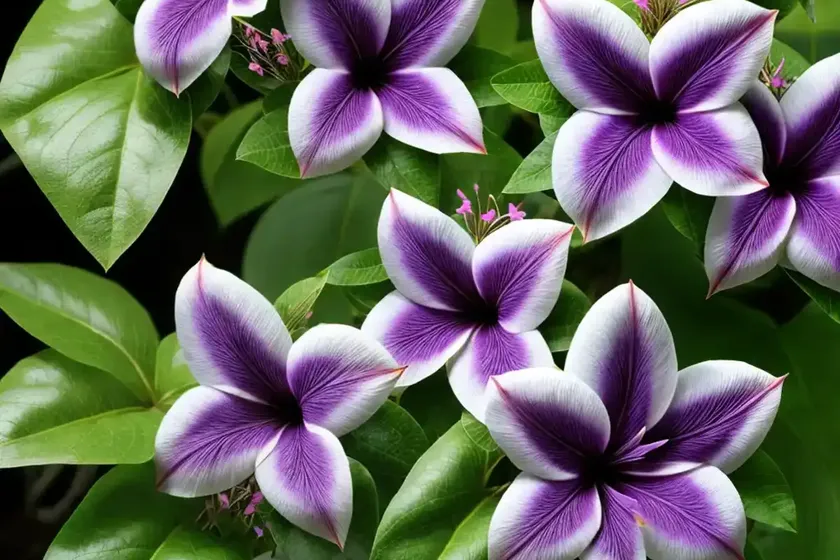
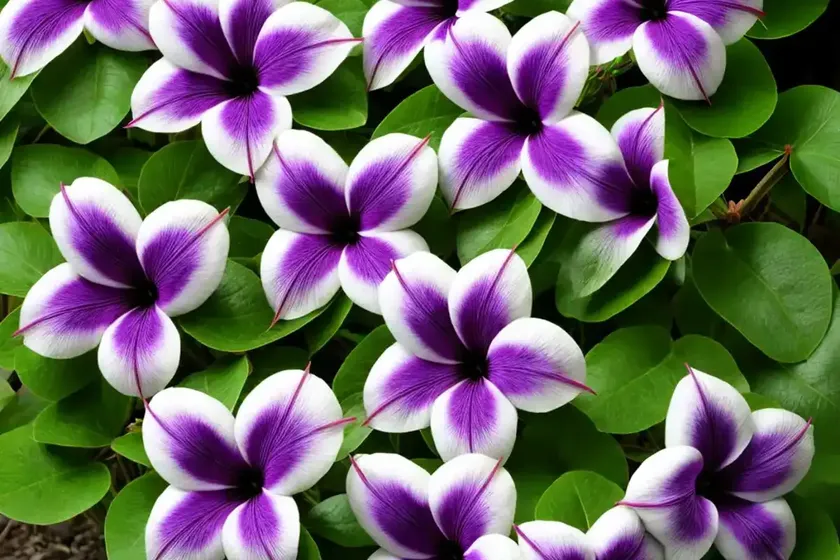
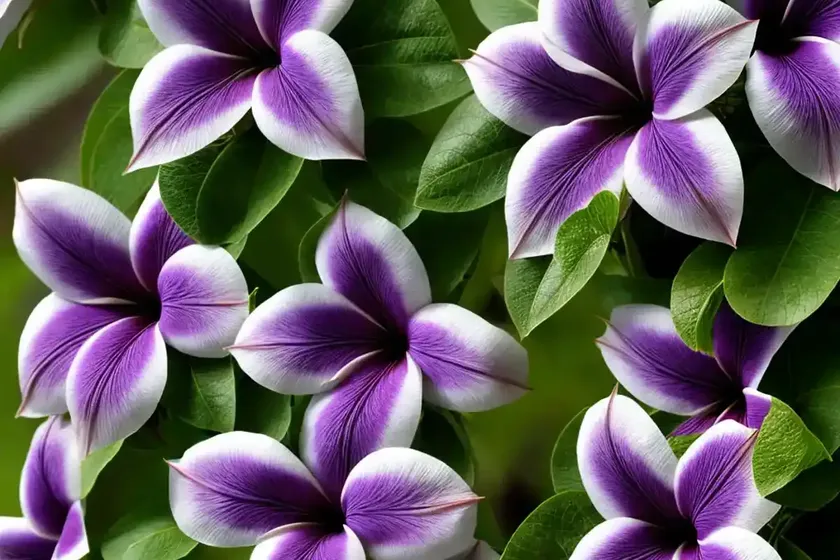
Princess-Flower, scientifically known as Tibouchina Urvilleana, is a mesmerizing evergreen shrub that belongs to the Melastomataceae family. Originating from Brazil, this plant is cherished for its striking purple flowers and velvety foliage, which adds a dash of elegance to any garden or landscape. The Princess-Flower is renowned for its vibrant blooms, creating a spectacle of color and beauty in the late summer and fall seasons.
The appeal of the Princess-Flower extends beyond its visual allure, as it boasts several cultural uses, making it a versatile and desirable addition to horticultural landscapes. With proper care and attention, this plant thrives in various settings, enlightening the surroundings with its radiant presence. Throughout this guide, we will explore the key aspects of caring for the Princess-Flower, including its water, sunlight, fertilizer, soil, pruning, propagation, and container requirements.
Key Takeaways – Princess-Flower (Tibouchina Urvilleana)
Before we delve into the specifics of its care and cultivation, here is an overview of the key takeaways related to the Princess-Flower:
- Common Name: Princess-Flower
- Scientific Name: Tibouchina Urvilleana
- Family: Melastomataceae
- Native Region: Brazil
- Cultural Uses: Ornamental
- Flowering Season: Late summer to fall
- Foliage: Evergreen, velvety texture
Now that we have set the stage, let’s embark on understanding the intricacies of Princess-Flower care and cultivation.
Culture
Cultivating Princess-Flower plants involves creating an environment that mimics their native habitat, ensuring optimal growth and health. Let’s explore the cultural aspects crucial to the thriving of Tibouchina Urvilleana.
Uses
The Princess-Flower is primarily cultivated for its ornamental purposes, gracing gardens, landscapes, and indoor spaces with its vibrant blooms and lush foliage. Its visual appeal and adaptability make it a popular choice for adding color and elegance to various settings.
Water
Proper watering is essential for the well-being of Princess-Flowers, ensuring that they receive adequate moisture without being waterlogged. Here are the watering needs and guidelines for Tibouchina Urvilleana:
- Watering Needs: Princess-Flowers prefer evenly moist soil, especially during the growing season. It is essential to water them regularly, allowing the soil to dry slightly between waterings.
- Watering Frequency: During periods of active growth, water the plants whenever the top inch of the soil feels dry to the touch. In hot and dry conditions, more frequent watering may be necessary to prevent stress and wilting.
- Watering Technique: Apply water at the base of the plant, ensuring that it reaches the root zone. Avoid overhead watering, as it can lead to foliage diseases and inefficient moisture delivery.
Sunlight
Proper sunlight exposure is crucial for the health and blooming of Princess-Flower plants. Understanding the sunlight requirements is imperative for creating an ideal growing environment for Tibouchina Urvilleana:
- Sunlight Needs: Princess-Flowers thrive in a location with bright, indirect sunlight. They benefit from morning sun and partial shade during the hottest parts of the day, especially in regions with intense sun exposure.
- Sunlight Duration: Aim to provide the plants with approximately 4-6 hours of sunlight per day, ensuring that they receive the necessary light for robust growth and flowering.
- Sunlight Protection: In areas with scorching sun or heat, it is essential to shield the plants from intense afternoon sunlight, as excessive exposure can lead to leaf scorch and stress.
Fertilizer
Proper fertilization is integral to promoting vigorous growth and prolific flowering in Princess-Flowers. Understanding the fertilizer requirements and application techniques is vital for nurturing healthy and vibrant plants:
- Fertilizer Type: Use a balanced, slow-release fertilizer formulated for flowering shrubs and apply it according to the manufacturer’s instructions. Look for a fertilizer with a higher phosphorus content to encourage blooming.
- Fertilizing Schedule: Feed Princess-Flower plants with a suitable fertilizer in the early spring as new growth emerges. Additionally, provide a second application following the initial bloom to support continued flowering and overall vitality.
- Fertilizer Distribution: Evenly distribute the fertilizer around the root zone of the plants, avoiding direct contact with the stems and foliage. Water the plants after fertilization to facilitate nutrient uptake.
Soil
Creating an optimal soil environment is crucial for Princess-Flower plants to thrive and flourish. Understanding the ideal soil composition and characteristics is essential for promoting healthy growth:
- Soil Type: Princess-Flowers thrive in well-draining, slightly acidic soil with a pH range between 5.5 and 6.5. A loamy, nutrient-rich soil mix with good aeration is beneficial for their root development and overall health.
- Soil Composition: Incorporate organic matter such as compost or peat moss into the soil to enhance its fertility and moisture-retention capabilities. This aids in creating a conducive growing medium for Tibouchina Urvilleana.
- Soil Moisture: Ensure that the soil maintains consistent moisture without becoming waterlogged. Regularly check the soil moisture levels and adjust the watering frequency based on environmental conditions and the plant’s needs.
Pruning
Pruning is an integral aspect of Princess-Flower care, contributing to shape control, rejuvenation, and flowering promotion. Understanding the pruning techniques and schedule is crucial for maintaining the plants’ health and aesthetics:
- Pruning Time: Princess-Flowers benefit from light pruning after the flowering period to remove spent blooms and shape the plants. Additionally, perform any necessary corrective pruning to eliminate damaged or crossing branches.
- Pruning Technique: Use sharp, clean pruning shears to make precise cuts, ensuring minimal damage to the plants. Trim the stems just above a node or bud to encourage branching and new growth.
- Pruning Frequency: Conduct regular maintenance pruning to keep the plants tidy and well-shaped. Avoid heavy pruning, especially in the fall, as it can potentially reduce the following season’s flowering.
Propagation
Propagation opens up opportunities to expand your Princess-Flower collection and propagate new plants from existing ones. Understanding the propagation methods and best practices is essential for successful reproduction:
- Propagation Techniques: Princess-Flowers can be propagated through stem cuttings taken from healthy, actively growing plants. Select non-flowering shoots and root them in a well-draining potting medium to initiate new plant growth.
- Rooting Hormones: Consider using a rooting hormone to enhance the success rate of the cuttings’ root development. This aids in stimulating root growth and improving the overall propagation process.
- Propagation Timing: Spring and early summer are ideal times for propagating Princess-Flower cuttings, as the plants are actively growing, resulting in faster establishment and root development.
Container Popularity
The Princess-Flower’s adaptability to container growth makes it a popular choice for adding a touch of elegance to patios, balconies, and indoor spaces. The captivating blooms and lush foliage of Tibouchina Urvilleana make it an ideal candidate for container cultivation.
Common Diseases
Like all plants, Princess-Flowers are susceptible to certain diseases that can hinder their growth and vitality. Understanding the common diseases and their management is essential for maintaining healthy plants:
- Disease Susceptibility: Princess-Flowers may be prone to fungal diseases such as powdery mildew and leaf spot, especially in humid or poorly ventilated conditions. Additionally, root rot can occur in waterlogged or poorly drained soil.
- Disease Prevention: Implement proper cultural practices, including maintaining good air circulation, avoiding overhead watering, and providing adequate spacing between plants to reduce the risk of fungal diseases.
- Disease Management: If signs of fungal diseases are observed, consider using fungicidal treatments according to the manufacturer’s instructions to mitigate the spread and impact of the diseases.
Disease Diagnosis
Diagnosing and identifying plant diseases is crucial for implementing targeted management strategies and preventing widespread damage. Understanding the symptoms and characteristics of common diseases aids in prompt intervention and resolution:
- Powdery Mildew: Identifiable by the presence of white, powdery growth on the foliage, powdery mildew can distort and weaken the affected plant parts, compromising its overall health.
- Leaf Spot: Leaf spot diseases manifest as dark or discolored spots on the foliage, often accompanied by yellowing or browning of the affected areas. These diseases can lead to defoliation and reduced vigor.
- Root Rot: Root rot symptoms include wilting, yellowing foliage, and stunted growth, often with a foul odor emanating from the affected roots. Inspect the root system for signs of rot and decay to diagnose this condition.
Common Pests
Pests can pose a significant threat to the well-being of Princess-Flower plants, causing damage to the foliage, stems, and blooms. Identifying and addressing common pests is crucial for preserving the plants’ health and vitality:
- Aphids: These small, soft-bodied insects feed on the plant’s sap, causing distortion and yellowing of the foliage. Aphids can be controlled through insecticidal soaps or horticultural oils, disrupting their feeding and reproductive cycles.
- Spider Mites: Spider mites are microscopic pests that thrive in hot, dry conditions, leading to webbing and stippling on the foliage. Miticides and increased humidity levels can help manage spider mite infestations effectively.
Botanist’s Tips
As a plant scientist, I have gathered essential tips and recommendations for the successful care and cultivation of Princess-Flower plants. These insights stem from horticultural expertise and practical experience, aiming to guide enthusiasts and gardeners towards achieving thriving and vibrant Tibouchina Urvilleana specimens:
- Monitor Soil Moisture: Regularly assess the soil moisture levels to prevent under or over-watering, as maintaining optimal moisture is crucial for the plants’ health.
- Promote Air Circulation: Ensure adequate air circulation around the plants to minimize the risk of fungal diseases and maintain optimal growing conditions.
- Inspect for Pests: Routinely inspect the plants for signs of pest infestation, addressing any issues promptly to prevent widespread damage.
- Mulch Application: Apply a layer of organic mulch around the base of the Princess-Flower plants to conserve soil moisture, suppress weed growth, and enhance soil fertility.
Fun Facts
As we delve into the realm of Princess-Flower plants, it is always fascinating to uncover intriguing and delightful facts about these captivating specimens. Here are some fun facts about Tibouchina Urvilleana to spark your curiosity and appreciation for this enchanting plant:
- The vibrant purple blooms of Princess-Flowers are a magnet for pollinators, attracting butterflies and bees to their nectar-rich flowers.
- In its native habitat of Brazil, the Princess-Flower is celebrated for its ornamental beauty and is often incorporated into landscape designs and gardens for its visual allure.
- Princess-Flowers belong to the diverse Melastomataceae family, which comprises numerous species known for their striking flowers and ornamental value.
With the key cultural, care, and disease management aspects of Princess-Flower plants explored, it is essential to supplement this knowledge with external resources and expert insights. I have compiled a list of external links that delve deeper into Princess-Flower care and cultivation to aid enthusiasts and gardeners in their horticultural endeavors.
Links to External Resources
- Royal Horticultural Society (RHS) – Growing Tibouchina
- University of Florida – Tibouchina spp.: Princess Flower, Glory Bush
- Missouri Botanical Garden – Tibouchina Urvilleana
- Texas A&M University – Tibouchina Urvilleana
- American Society for the Prevention of Cruelty to Animals (ASPCA) – Tibouchina Urvilleana
With this comprehensive guide and additional external resources, enthusiasts and gardeners can embark on their Princess-Flower journey equipped with the knowledge and insights necessary to nurture and cherish these captivating plants. May the beauty and resilience of Tibouchina Urvilleana inspire and delight all who embrace the art and science of horticulture.
As a plant scientist, I have taken a deep dive into the captivating world of the Princess-Flower (Tibouchina Urvilleana), providing a comprehensive guide to its care, cultivation, and common diseases. By incorporating key takeaways, cultural insights, and expert recommendations, this blog post aims to equip enthusiasts and gardeners with the knowledge necessary to nurture and celebrate the ornamental beauty of Princess-Flower plants. Moreover, the inclusion of external resources serves to further enrich the reader’s understanding and appreciation of Tibouchina Urvilleana.


