The Beautiful Primula pulverulenta (Candelabra Primrose)
Gardening and caring for plants can bring a sense of joy and fulfillment to many people. There is something truly special about nurturing a living organism and watching it thrive. One particular plant that is known for its beauty and charm is the Primula pulverulenta, also known as the Candelabra Primrose. In this comprehensive guide, we will delve into the world of Primula pulverulenta, exploring its cultural significance, care requirements, and much more.
What is Primula pulverulenta (Candelabra Primrose)?
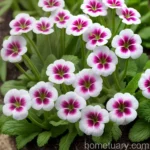
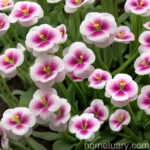
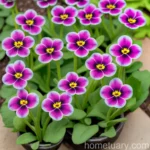
Primula pulverulenta, commonly referred to as the Candelabra Primrose, is a stunning perennial plant that belongs to the Primulaceae family. This species of Primula is native to the Himalayas and western China, where it is often found in damp woodland areas, near streams and on forest margins. The Candelabra Primrose is characterized by its showy, tiered clusters of colorful flowers that rise above the lush green foliage, creating a striking and picturesque display.
Key Takeaways
Primula pulverulenta, also known as the Candelabra Primrose, has a range of characteristics and requirements that make it a unique and captivating plant. Below are some key takeaways about this delightful species:
- Scientific Name: Primula pulverulenta
- Common Name: Candelabra Primrose
- Family: Primulaceae
- Native Habitat: Himalayas and western China
- Characteristic Feature: Showy tiered clusters of colorful flowers
Now that we have an overview of this fascinating plant, let’s delve into the various aspects of caring for Primula pulverulenta.
Culture of Primula pulverulenta
Understanding the culture and natural habitat of Primula pulverulenta is essential for successfully cultivating and caring for this plant. The Candelabra Primrose thrives in environments that mimic its native conditions, which include cool, moist, and shaded areas. Recreating these conditions is crucial for ensuring the health and vitality of Primula pulverulenta.
Uses
The Candelabra Primrose is primarily grown for ornamental purposes, adding a burst of color and charm to shaded garden areas. Its stunning floral display makes it a popular choice for woodland gardens, shaded borders, and damp areas. Additionally, Primula pulverulenta can be used to attract pollinators, adding vibrancy and life to the garden.
Water
Primula pulverulenta has moderate water needs, requiring consistently moist soil to thrive. Adequate moisture is crucial for the plant’s overall health and flowering performance. When watering, it is important to ensure that the soil is well-drained to prevent waterlogging, which can lead to root rot and other complications.
Sunlight
As a plant that naturally grows in shaded woodland areas, Primula pulverulenta prefers partial to full shade. It is essential to provide the plant with protection from direct sunlight, especially during the hottest parts of the day. Shaded locations with dappled light are ideal for promoting robust growth and vibrant flowering.
Fertilizer
When it comes to fertilizing Primula pulverulenta, a balanced, slow-release fertilizer can be applied in the spring as new growth emerges. It is important to avoid over-fertilization, as excessive nutrients can lead to lush foliage at the expense of flower production. A gentle approach to feeding will support healthy growth and abundant flowering.
Soil
The ideal soil for Primula pulverulenta is rich, humusy, and well-drained. It thrives in moist, slightly acidic soil with a pH level ranging from 5.5 to 7.0. Organic matter, such as compost or leaf mold, can be incorporated into the soil to improve its texture and fertility, creating an optimal growing medium for the Candelabra Primrose.
Pruning
Primula pulverulenta generally does not require extensive pruning. However, deadheading spent blooms can promote continuous flowering and prevent the plant from diverting energy into seed production. Additionally, removing any withered or yellowing leaves can improve the plant’s overall appearance and health.
Propagation
Propagating Primula pulverulenta can be achieved through several methods, including division, seed sowing, and leaf cuttings. Each approach offers unique benefits and challenges, allowing gardeners to choose the most suitable method based on their preferences and resources.
Division
Dividing established clumps of Primula pulverulenta is a straightforward method of propagation that can be carried out in early spring or after the plant has finished flowering. The process involves carefully lifting the plant and separating the root clumps, ensuring that each division has sufficient roots and foliage to support its growth.
Seed Sowing
Sowing seeds is another effective way of propagating Primula pulverulenta. Fresh seeds can be collected from mature seedpods and sown in a well-prepared seedbed or containers. It is important to provide the seeds with consistent moisture and a cool, shaded environment to encourage germination and early growth.
Leaf Cuttings
Leaf cuttings offer an alternative method of propagation for Primula pulverulenta. Selecting healthy, mature leaves and placing them in a suitable rooting medium can stimulate the production of new plantlets. With proper care and attention, the leaf cuttings will develop into independent plants, ready for transplantation.
Container Popularity
The allure of Primula pulverulenta extends to container gardening, where it can be showcased in a variety of decorative planters and arrangements. The Candelabra Primrose’s compact growth habit and stunning floral display make it an excellent choice for adding color and elegance to outdoor spaces, patios, and balconies.
Container Garden Uses
When grown in containers, Primula pulverulenta can be used to create captivating focal points, accentuating the beauty of outdoor living areas. Its vibrant flowers and lush foliage bring an enchanting touch to container gardens, brightening up shaded corners and complementing a wide range of companion plants.
Common Diseases
Despite its resilience, Primula pulverulenta is susceptible to certain diseases and health issues that can impact its growth and vitality. Identifying and addressing these challenges is essential for maintaining the plant’s well-being and preventing the spread of diseases in the garden.
Disease Diagnosis
Common diseases that affect Primula pulverulenta include:
- Powdery Mildew: A fungal disease that manifests as a white powdery coating on the leaves, stems, and flowers.
- Root Rot: Caused by overly wet and poorly drained soil, leading to rotting of the plant’s roots and base.
- Leaf Spot: Characterized by dark, irregular spots on the foliage, often caused by fungal pathogens.
Common Pests
In addition to diseases, Primula pulverulenta may also face challenges from pests and insect infestations. Some of the common pests that can affect the Candelabra Primrose include slugs, snails, aphids, and spider mites. Vigilance and prompt intervention are crucial for managing pest infestations and minimizing their impact on the plant.
Botanist’s Tips
For those looking to cultivate and appreciate the beauty of Primula pulverulenta, here are some valuable tips from botanists and gardening experts:
- Choose the Right Location: Select a shaded or partially shaded area with well-drained, humus-rich soil to create an ideal growing environment for Primula pulverulenta.
- Monitor Moisture Levels: Keep the soil consistently moist, avoiding both drought stress and waterlogged conditions to support the plant’s health and vigor.
- Practice Gentle Fertilization: Apply a balanced, slow-release fertilizer in moderation to provide essential nutrients without overstimulating foliage growth.
Fun Facts
To further appreciate the unique qualities of Primula pulverulenta, here are some fascinating fun facts about the Candelabra Primrose:
- The tiered clusters of flowers give Primula pulverulenta a candelabra-like appearance, inspiring its common name.
- The plant’s natural habitat in the Himalayas and western China contributes to its preference for cool, moist conditions.
- Primula pulverulenta has been admired for centuries for its enchanting blooms and has a rich cultural significance in traditional folklore.
Links to External Resources
For additional information about Primula pulverulenta and to explore the diverse aspects of cultivating and appreciating this captivating plant, the following external resources are recommended:
- Royal Horticultural Society – Primula pulverulenta
- Missouri Botanical Garden – Primula pulverulenta
- Gardening Know How – Candelabra Primrose Care
Conclusion
Primula pulverulenta, with its captivating floral display and graceful presence, holds a special place in the world of ornamental plants. From its native habitat in the Himalayas and western China to its role in modern gardening, the Candelabra Primrose continues to enchant and inspire gardeners and plant enthusiasts around the globe. By understanding its cultural significance, care requirements, and unique characteristics, we can appreciate the beauty of Primula pulverulenta and celebrate its enduring appeal in the world of horticulture.