Primula Japonica (Japanese Primrose)
Primula japonica, also known as Japanese Primrose, is a stunning flowering plant that has gained popularity among gardeners for its vibrant blooms and ease.
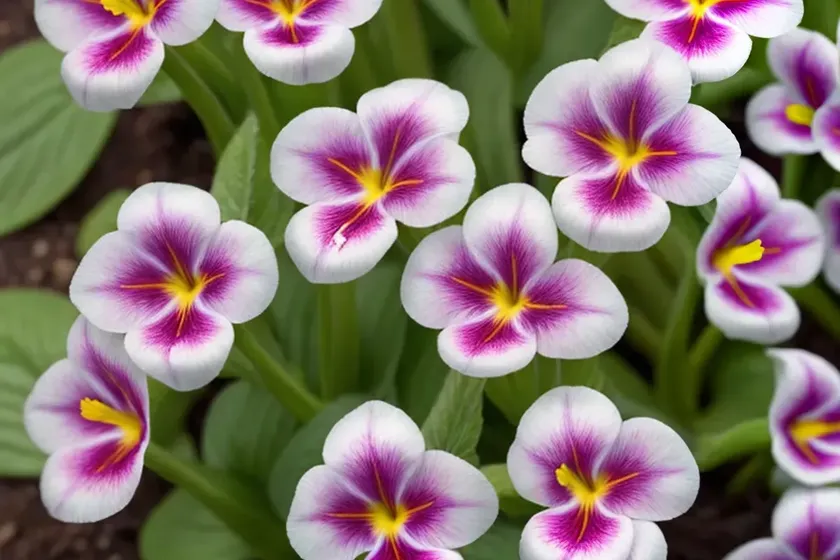
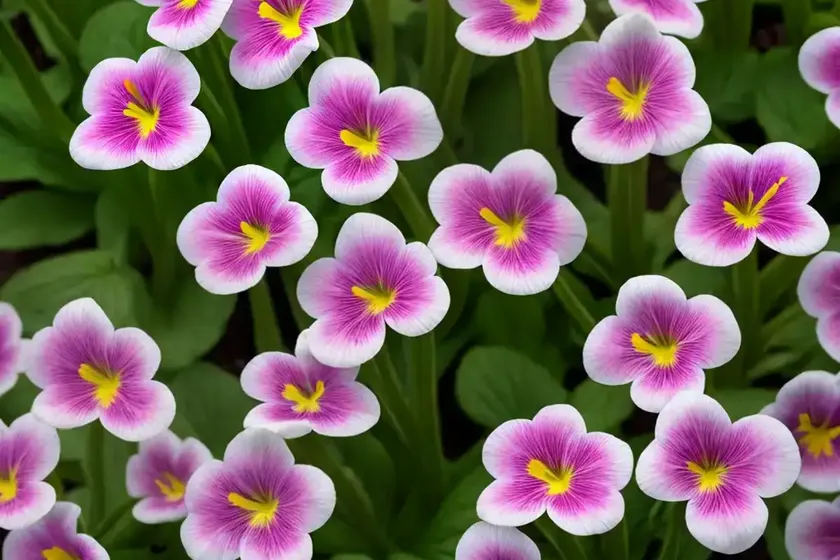
Primula japonica, also known as Japanese Primrose, is a stunning flowering plant that has gained popularity among gardeners for its vibrant blooms and ease of cultivation. This guide will provide a comprehensive overview of Primula japonica, covering its culture, uses, care requirements, common diseases, pests, propagation, and much more. Whether you are a beginner or an experienced gardener, this article will equip you with valuable insights into cultivating and caring for this charming plant.
What is Primula japonica?
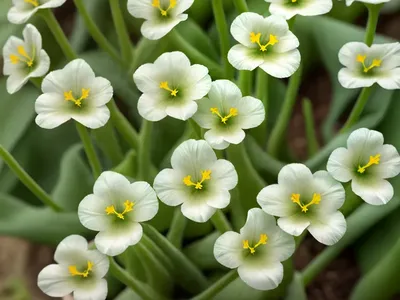
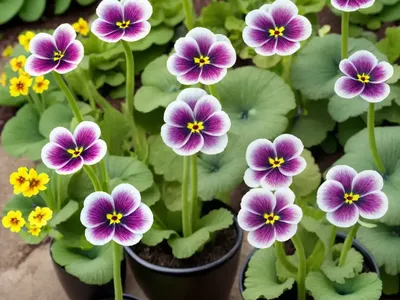
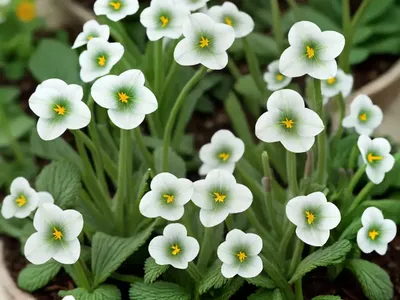
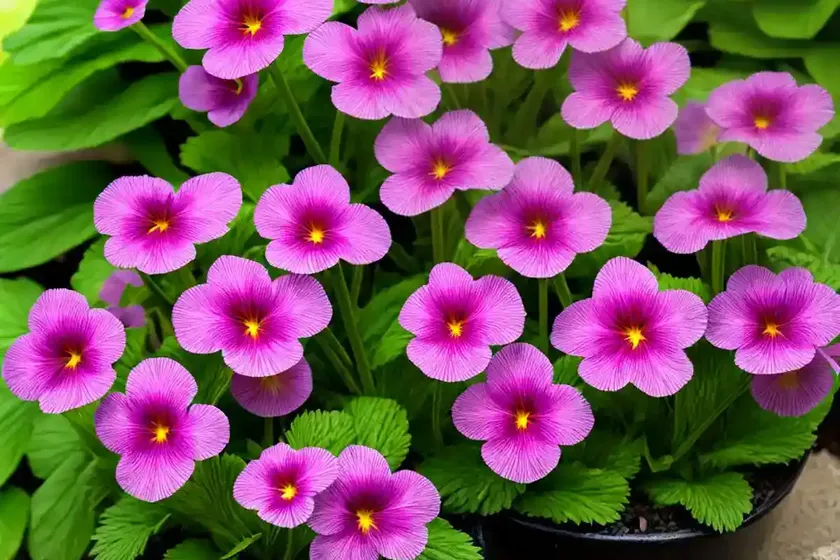
Primula japonica is a species of flowering plant native to Japan, where it thrives in damp woodland areas and along stream banks. It belongs to the Primulaceae family and is prized for its ornamental value, particularly its showy flowers that appear in various colors, including shades of pink, red, white, and purple. The plant is characterized by its rosette of dark green, wrinkled leaves and tall stems that bear clusters of flowers in late spring to early summer.
Key Takeaways – Primula japonica (Japanese Primrose)
Before delving into the detailed aspects of cultivating and caring for Primula japonica, let’s first outline the key takeaways that this guide will cover:
- Culture:
- Optimal growing conditions for Primula japonica
-
Suitable uses in garden landscapes
-
Care Requirements:
- Watering needs
- Sunlight preferences
- Fertilization guidelines
- Soil preferences
- Pruning techniques
- Propagation methods
-
Winter care
-
Container Cultivation:
- Growing Primula japonica in containers
-
Suitable container sizes and preparation
-
Popularity and Uses:
- Common uses of Primula japonica in garden designs
-
Landscape ideas
-
Disease and Pest Management:
- Common diseases affecting Primula japonica
- Diagnosis and treatment
-
Identification and control of pests
-
Botanist’s Tips:
- Expert insights and recommendations for successful cultivation
- Fun facts about Primula japonica
Now, let’s delve into the specifics of cultivating and caring for this captivating plant.
Culture
Cultivating Primula japonica successfully entails understanding its preferred growing conditions and suitable uses in garden landscapes.
Uses
Primula japonica is a versatile plant that can be employed in various garden settings, including:
- Woodland Gardens: The plant’s natural habitat in Japan suggests its suitability for woodland or shaded gardens. It adds a splash of color to these settings with its vibrant blooms and lush foliage.
- Bog Gardens: Due to its affinity for moisture, Japanese Primrose thrives in boggy or damp soil conditions, making it an ideal choice for bog gardens or areas with consistent moisture levels.
- Stream Banks and Water Features: Given its native habitat along stream banks, Primula japonica complements water features such as ponds and streams, where it can thrive in the moist soil typical of these environments.
Uses
- Woodland Gardens
- Bog Gardens
- Stream Banks and Water Features
Water
Primula japonica thrives in consistently moist soil and therefore requires regular watering to maintain optimal growing conditions. When it comes to watering, consider the following:
- Moisture Requirements: Japanese Primrose prefers consistently moist soil, so it is essential to ensure that the plant’s growing environment provides adequate moisture levels.
- Watering Frequency: During periods of minimal rainfall or dry spells, regular watering is crucial to sustain the plant’s health and vigor.
Water
- Moisture Requirements
- Watering Frequency
Sunlight
In terms of sunlight preferences, Primula japonica favors partial to full shade, reflecting its natural habitat in woodland and shaded environments. When considering the plant’s sunlight requirements, take note of the following:
- Shade Preferences: Japanese Primrose thrives in shaded areas, making it an excellent choice for gardens with limited direct sunlight.
- Exposure Considerations: While the plant can tolerate some dappled sunlight, it generally performs best in shaded conditions.
Sunlight
- Shade Preferences
- Exposure Considerations
Fertilizer
Providing adequate nutrition is essential for the healthy growth and blooming of Primula japonica. Here are important considerations regarding fertilization:
- Fertilizing Schedule: Apply a balanced, slow-release fertilizer in early spring to support the plant’s growth and promote abundant flowering.
- Fertilizer Type: Opt for a fertilizer with balanced N-P-K (nitrogen, phosphorus, and potassium) ratios to provide essential nutrients without promoting excessive foliage growth.
- Application Method: Gently incorporate the fertilizer into the soil around the plant’s base, ensuring even distribution.
Fertilizer
- Fertilizing Schedule
- Fertilizer Type
- Application Method
Soil
Understanding the soil preferences of Primula japonica is pivotal to creating an optimal growing environment for the plant. Consider the following soil-related aspects:
- Moisture Retention: The soil should have good moisture retention capabilities to provide the consistent moisture levels that Japanese Primrose requires.
- Acidic Soil Preference: The plant thrives in slightly acidic soil conditions with a pH range of 6.0 to 6.5, making it essential to test and adjust the soil pH if necessary.
- Organic Matter: Amending the soil with organic matter, such as compost or well-rotted leaf mold, can enhance its moisture-retaining capacity and overall texture.
Soil
- Moisture Retention
- Acidic Soil Preference
- Organic Matter
Pruning
Pruning Primula japonica is a straightforward process that primarily involves removing spent flowers and tidying up the plant to promote healthy growth and flowering. Here are some guidelines for effective pruning:
- Deadheading: Regularly deadhead faded blooms to encourage the development of new flowers and maintain the plant’s overall appearance.
- Trimming: Trim back any damaged or yellowing foliage to improve the plant’s aesthetic appeal and overall health.
- Cutting Back After Flowering: Once the blooming period has ended, consider cutting back the spent flower stalks to stimulate new growth and maintain the plant’s vigor.
Pruning
- Deadheading
- Trimming
- Cutting Back After Flowering
Propagation
Propagating Primula japonica is an excellent way to expand your plant collection or share this charming species with fellow gardening enthusiasts. Consider the following propagation methods:
- Division: Divide mature clumps of Primula japonica in early spring to create new plants, ensuring that each division has a viable root system and sufficient foliage.
- Seed Propagation: Collect seeds from mature plants and sow them in a suitable growing medium, maintaining consistent moisture levels until germination occurs.
Propagation
- Division
- Seed Propagation
Winter Care
Providing adequate protection and care during the winter months is essential for ensuring the longevity and vigor of Primula japonica. Here are key considerations for winter care:
- Mulching: Apply a layer of mulch around the base of the plant in late fall to insulate the roots and protect them from extreme temperature fluctuations.
- Moisture Management: During winter, monitor soil moisture levels and ensure that the plant is not subjected to prolonged periods of drought, especially during dry and unseasonably warm spells.
- Container Considerations: If growing Primula japonica in containers, consider providing additional insulation or moving the containers to more sheltered locations to shield the plants from harsh winter conditions.
Winter Care
- Mulching
- Moisture Management
- Container Considerations
Container Cultivation
Cultivating Primula japonica in containers offers the flexibility to enjoy its vibrant blooms and lush foliage in various settings, including patios, balconies, and smaller garden spaces.
Popularity and Uses
Primula japonica has gained popularity for its ornamental value and is commonly used in garden landscapes for the following purposes:
- Accent Plant: The plant serves as an eye-catching accent in shaded areas, enriching garden displays with its vibrant blooms and distinctive foliage.
- Container Gardening: When grown in containers, Japanese Primrose adds color and visual interest to outdoor living spaces, such as patios and decks.
Popularity and Uses
- Accent Plant
- Container Gardening
Common Diseases
Primula japonica is relatively resistant to diseases; however, certain conditions can predispose the plant to specific issues. Here are some common diseases that may affect Japanese Primrose:
- Powdery Mildew: This fungal disease can develop in humid and poorly ventilated conditions, leading to the appearance of powdery white patches on the plant’s foliage.
- Crown Rot: Excessive moisture and poorly drained soil can contribute to the development of crown rot, causing the plant’s crown and roots to decay.
Common Diseases
- Powdery Mildew
- Crown Rot
Disease Diagnosis
When diagnosing and treating diseases that affect Primula japonica, it is essential to observe and address the following signs and symptoms:
- Foliage Discoloration: Monitor the plant for any unusual yellowing, browning, or discoloration of the leaves, which could indicate potential disease issues.
- Stunted Growth: Slowed or stunted growth may signal an underlying disease or unfavorable growing conditions.
Disease Diagnosis
- Foliage Discoloration
- Stunted Growth
Common Pests
While Primula japonica is generally resilient to pest infestations, certain pests may still pose a threat to the plant’s health. Here are some common pests to watch out for:
- Aphids: These small, sap-sucking insects can infest the new growth of Primula japonica, causing distortion and damage to the plant’s tender foliage.
- Slugs and Snails: These mollusks can feed on the plant’s leaves and flowers, particularly in moist and shaded environments.
Common Pests
- Aphids
- Slugs and Snails
Botanist’s Tips
To ensure successful cultivation and care of Primula japonica, consider the following tips and recommendations from experienced botanists:
- Consistent Moisture: Prioritize maintaining consistent soil moisture levels to support the plant’s growth and flowering.
- Shade Considerations: Provide adequate shade and protection from intense sunlight to promote healthy foliage and vibrant blooms.
- Mulching Benefits: Utilize mulch to insulate the soil, reduce moisture loss, and suppress weed growth around the plant’s base.
Botanist’s Tips
- Consistent Moisture
- Shade Considerations
- Mulching Benefits
Fun Facts
While exploring the captivating world of Primula japonica, here are some intriguing fun facts about the plant to enhance your appreciation for its exceptional qualities:
- Hummingbird Attractant: The vibrant blooms of Japanese Primrose are known to attract hummingbirds, adding an extra dimension of wildlife appeal to garden settings.
- Anemone-Like Flowers: The blossoms of Primula japonica exhibit a resemblance to anemone flowers, showcasing delicate, intricate petal formations.
Fun Facts
- Hummingbird Attractant
- Anemone-Like Flowers
External Resources
To further expand your knowledge and appreciation of Primula japonica, explore the following external resources:
- Royal Horticultural Society – Primula japonica
- University of Wisconsin-Madison – Japanese Primrose Fact Sheet
- Missouri Botanical Garden – Primula japonica Overview
Conclusion
In conclusion, Primula japonica, or Japanese Primrose, is a captivating flowering plant that offers beauty and elegance to garden landscapes. By understanding its culture, care requirements, propagation methods, and potential challenges, you can cultivate and showcase this remarkable species with confidence and success. Whether utilized as an accent plant, a container specimen, or a charming addition to shaded gardens, Primula japonica holds timeless appeal and contributes to the overall allure of diverse garden settings. Embrace the art of cultivating and caring for Primula japonica, and witness the enchanting beauty it brings to your gardening endeavors.
Keywords:
1. Primula japonica care
2. Japanese Primrose plants
3. Growing Primula japonica
4. Primula japonica varieties
5. Japanese Primrose gardening
6. Primula japonica blooms
7. Primula japonica flower colors
8. Primula japonica planting tips
9. Japanese Primrose cultivation
10. Primula japonica propagation
11. Primula japonica in containers
12. Japanese Primrose landscape ideas
13. Primula japonica hardiness
14. Primula japonica winter care
15. Japanese Primrose perennial
16. Primula japonica shade gardening
17. Primula japonica water requirements
18. Japanese Primrose soil conditions
19. Primula japonica companion plants
20. Primula japonica disease resistance
21. Japanese Primrose pest control
22. Primula japonica sun exposure
23. Primula japonica flower arrangement
24. Japanese Primrose outdoor planting
25. Primula japonica indoor growing
26. Primula japonica for wildlife gardens
27. Japanese Primrose seasonal care
28. Primula japonica container gardening
29. Primula japonica flowering period
30. Japanese Primrose ground cover
31. Primula japonica hummingbird attractant
32. Primula japonica butterfly plant
33. Japanese Primrose shade-loving plant
34. Primula japonica moisture needs
35. Primula japonica in rock gardens
36. Japanese Primrose spring flowers
37. Primula japonica garden design
38. Primula japonica in wet areas
39. Japanese Primrose border plant
40. Primula japonica scent
41. Primula japonica summer care
42. Japanese Primrose cutting back
43. Primula japonica height
44. Primula japonica plant division
45. Japanese Primrose water features
46. Primula japonica bloom time
47. Primula japonica leaf structure
48. Japanese Primrose anemone-like flowers
49. Primula japonica flowering perennial
50. Primula japonica underplanting suggestions