Plumeria Alba (West Indian Jasmine)
Plumeria alba, also known as West Indian Jasmine, is a stunning and fragrant flowering plant that has captured the hearts of plant enthusiasts and.
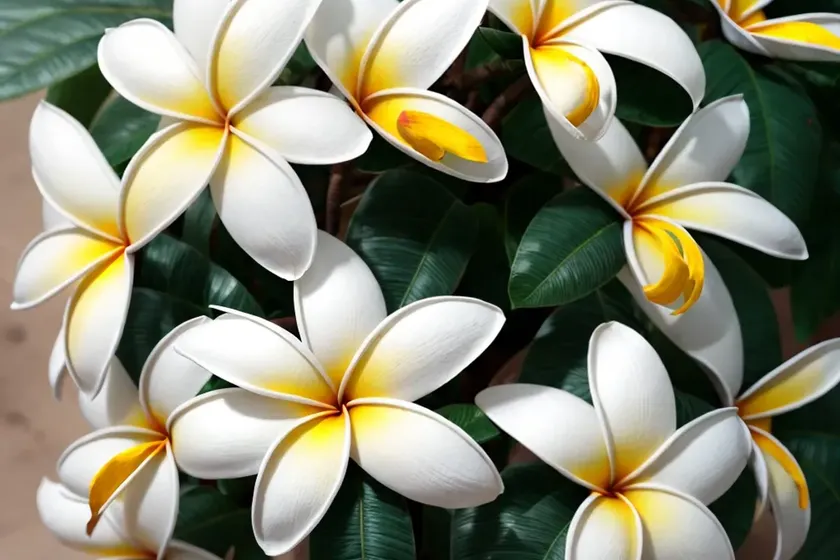
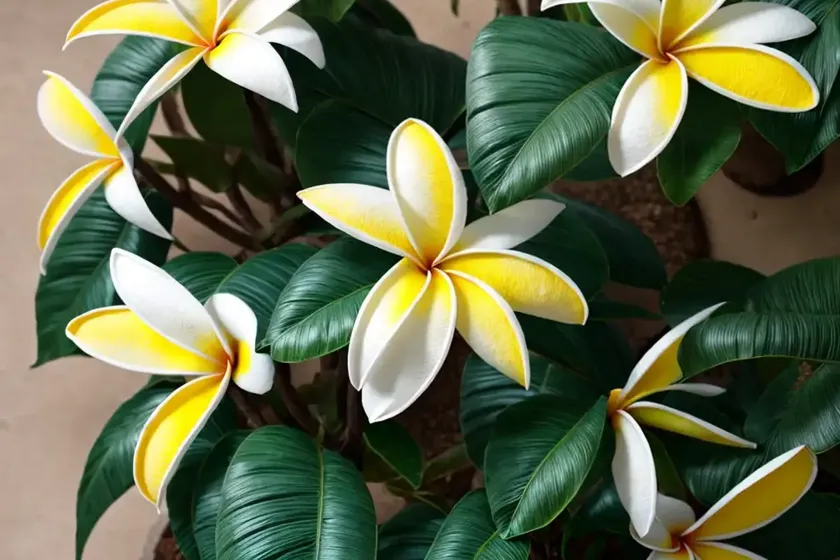
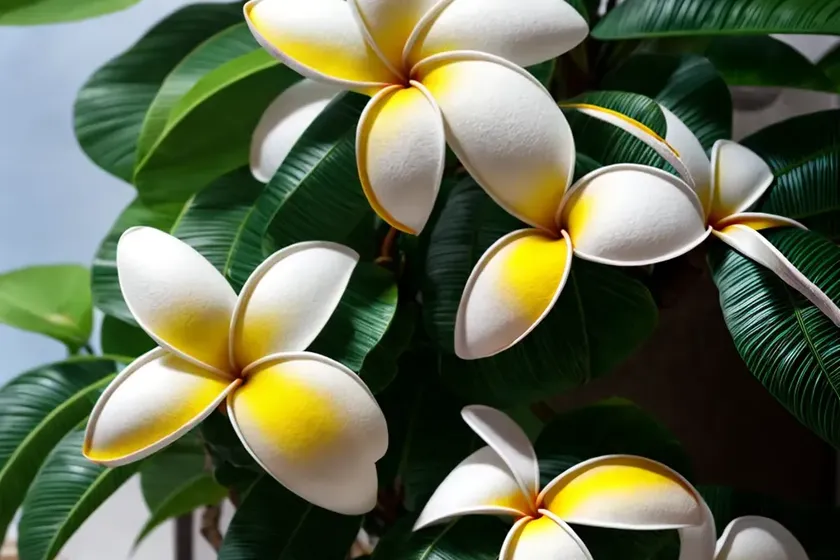
Plumeria alba, also known as West Indian Jasmine, is a stunning and fragrant flowering plant that has captured the hearts of plant enthusiasts and gardeners around the world. Its exquisite blooms and intoxicating fragrance make it a popular choice for gardens, landscapes, and even indoor spaces. In this comprehensive guide, we will delve into the various aspects of caring for and growing Plumeria alba, providing valuable insights into its culture, uses, maintenance, and much more.
What is Plumeria alba (West Indian Jasmine)?
Plumeria alba, belonging to the Apocynaceae family, is a species of flowering plant native to the Caribbean, Central America, and South America. It is characterized by its vibrant and aromatic flowers, which come in an array of captivating colors, including white, yellow, pink, and red. The plant is a deciduous tree or shrub that can reach heights of up to 8 meters or more in its natural habitat, while it can be maintained at a smaller size through pruning when cultivated in gardens or containers.
The West Indian Jasmine is renowned for its fragrant blossoms, which are often used in the making of leis and adornments in Hawaiian and Pacific Island cultures. Additionally, various parts of the plant have been traditionally utilized for their medicinal properties and cultural significance.
Key Takeaways – Plumeria alba (West Indian Jasmine)
Before we explore the detailed aspects of Plumeria alba care and cultivation, let’s take a look at the key takeaways of this magnificent plant:
- Common Name: West Indian Jasmine
- Family: Apocynaceae
- Native Range: Caribbean, Central America, and South America
- Flower Colors: White, yellow, pink, red
- Fragrance: Exquisite, sweet, and intoxicating
- Uses: Landscaping, gardens, leis, and traditional medicine
- Growth Habit: Deciduous tree or shrub
- Maintenance Level: Moderate
- Hardiness Zones: 10-12
Now that we have acquainted ourselves with the basic characteristics of Plumeria alba, let’s delve into the specifics of its care, maintenance, and cultural preferences.
Culture
The successful cultivation of Plumeria alba relies on understanding and accommodating its cultural requirements. From soil and water preferences to temperature tolerances, each facet of the West Indian Jasmine’s culture plays a pivotal role in ensuring its health and vitality. Let’s explore the various elements of its culture in detail.
Water
Plumeria alba Water Requirements:
– Young Plants: Regular watering to establish root systems
– Mature Plants: Infrequent, deep watering to prevent waterlogging
– Winter: Reduce watering during dormancy to prevent rot
Watering Tips:
– Dry Periods: Allow the soil to dry out slightly between waterings
– Avoid Overwatering: Ensure proper drainage to prevent root rot
Sunlight
Plumeria alba Sunlight Requirements:
– Full Sun: Thrives in full sun conditions
– Shade Tolerance: Partial shade in extremely hot climates
Sunlight Tips:
– Optimal Exposure: Provide at least 6 hours of direct sunlight daily
– Protection: Shield from harsh afternoon sun in extremely hot regions
Fertilizer
Plumeria alba Fertilizer Needs:
– Nutrient Requirements: Balanced fertilizer with a higher phosphorus content
– Application: During active growth and blooming seasons
– Frequency: Monthly or as per fertilizer instructions
Fertilizer Tips:
– Avoid Excess Nitrogen: Excessive nitrogen can lead to lush green growth but at the expense of blooming
– Micro-nutrients: Consider supplementing with micronutrients to enhance flowering
Soil
Plumeria alba Soil Type:
– Well-Draining: Sandy or loamy soil with good drainage
– pH Level: Slightly acidic to neutral soil pH
– Container Mix: Well-draining potting mix with perlite or sand
Soil Tips:
– Amendments: Incorporate organic matter for improved soil structure
– Aeration: Ensure adequate aeration to prevent waterlogging
Pruning
Plumeria alba Pruning Techniques:
– Branch Maintenance: Removing dead or crossing branches
– Size Control: Shaping and controlling the plant’s size
– Deadheading: Removing spent blooms to encourage new growth
Pruning Tips:
– Timing: Prune during the dormancy period or early spring
– Sanitization: Sterilize pruning tools to prevent the spread of diseases
Propagation
Plumeria alba Propagation Methods:
– Cuttings: Most common method using stem cuttings
– Seeds: Less common due to variability in seedling traits
– Grafting: Utilized for preserving specific cultivars
Propagation Tips:
– Cutting Preparation: Allow cuttings to air dry before planting
– Rooting Medium: Well-draining soil or rooting hormone for expedited root development
Container Popularity
Plumeria alba is a highly sought-after plant for container cultivation due to its compact size and stunning flowers. Its popularity in container gardening is attributed to its adaptability and ornamental value, making it an excellent choice for patios, balconies, and indoor spaces.
Container Common Diseases
While container gardening offers numerous benefits, it also poses specific challenges with regard to disease management. Common diseases that may affect potted Plumeria alba include:
- Root Rot: Caused by overwatering and poor drainage
- Powdery Mildew: Fungal infection favored by high humidity
Disease Diagnosis
Diagnosing diseases in container-grown Plumeria alba involves careful observation and prompt intervention. Key symptoms to watch for include:
- Yellowing Leaves: Signaling both overwatering and nutrient deficiencies
- White Powdery Residue: Indicative of powdery mildew infection
Common Pests
Pests can also pose a threat to Plumeria alba when grown in containers. Common pests to be vigilant for include:
- Mealybugs: Small, white, cottony pests found in leaf axils and on stems
- Spider Mites: Visible as tiny red or brown specks on leaf undersides
Botanist’s Tips
To ensure the optimal health and vibrancy of Plumeria alba, incorporating the following tips and best practices is essential:
- Adequate Air Circulation: Promotes healthy growth and deters fungal diseases
- Regular Monitoring: Vigilance aids in early detection and intervention
- Winter Protection: Shield plants from cold drafts and temperatures below 50°F
Fun Facts
Get to know Plumeria alba a little better with these fascinating tidbits:
- Fragrant Delight: Its flowers are renowned for their sweet and alluring fragrance
- Symbolism: In various cultures, the blooms symbolize love, beauty, and positivity
- Traditional Medicine: Used in folk medicine for treating various ailments
Links to External Resources
Expand your knowledge of Plumeria alba by exploring the following resources:
- Plumeria alba: A Fragrant Beauty – The Spruce
- West Indian Jasmine Care Guide – Gardening Know How
- Plumeria alba: The Scent of the Tropics – Better Homes & Gardens
- Cultivating Plumeria alba in Containers – The Old Farmer’s Almanac
With this in-depth guide, you are well-equipped to embark on the journey of cultivating and caring for the captivating Plumeria alba. Whether you choose to adorn your garden with its blossoms or grace your indoor spaces with its elegance, the West Indian Jasmine is sure to captivate all who encounter its beauty and fragrance.
So, go ahead and embrace the allure of Plumeria alba, and revel in the joy of nurturing this remarkable botanical treasure.
Happy gardening!