Primrose (Primula Vulgaris)
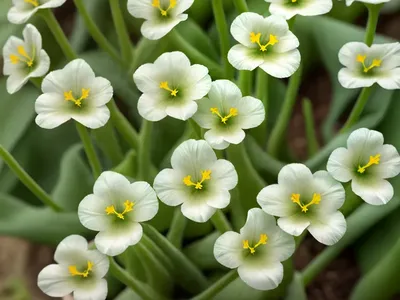
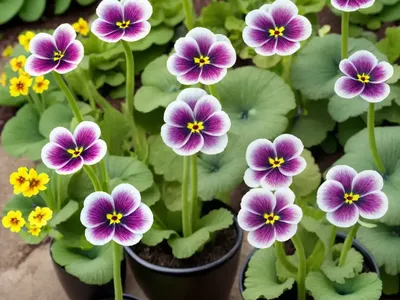
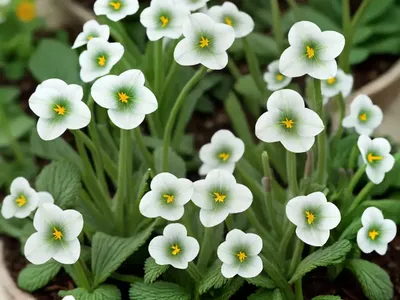
Primrose (Primula vulgaris) is a delightful and vibrant flowering plant known for its colorful, delicate blooms. These charming flowers have been prized.
Introduction
Primrose (Primula vulgaris) is a delightful and vibrant flowering plant known for its colorful, delicate blooms. These charming flowers have been prized for centuries for their beauty and medicinal properties. In this comprehensive guide, we’ll explore the essence of Primrose, including its culture, uses, care requirements, and its significance in various aspects.
What is Primrose (Primula vulgaris)?
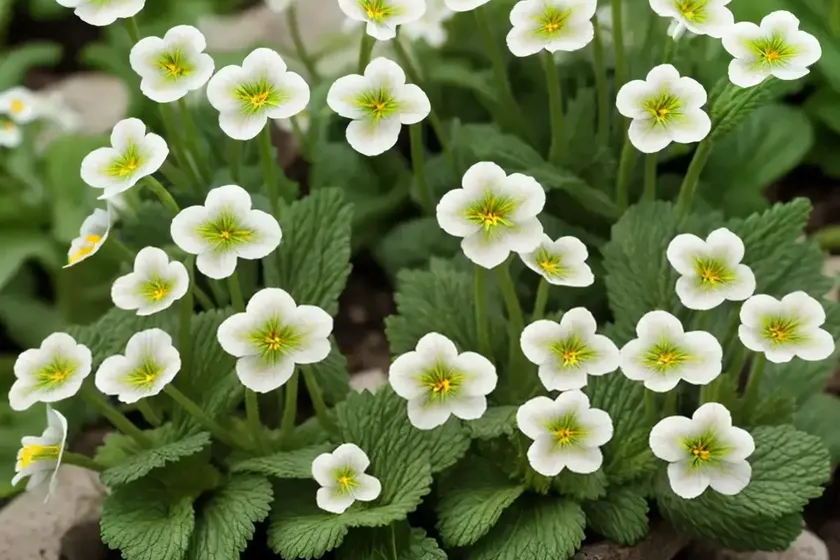
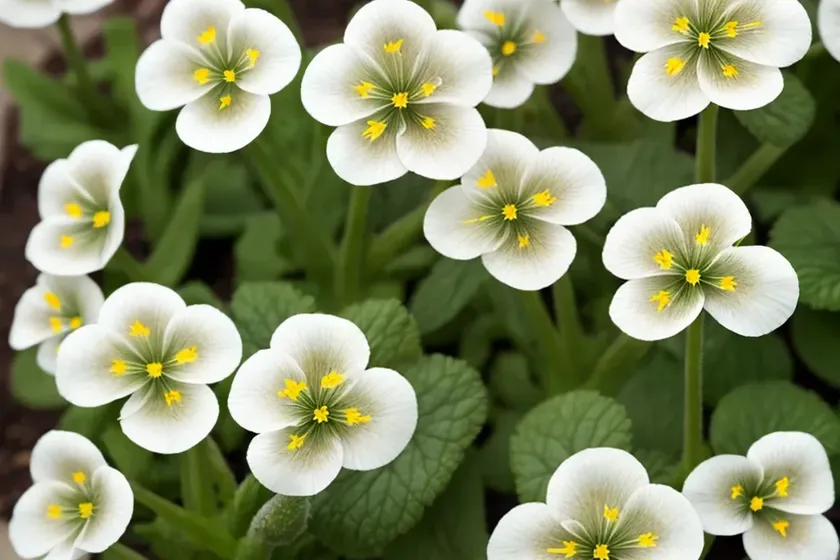
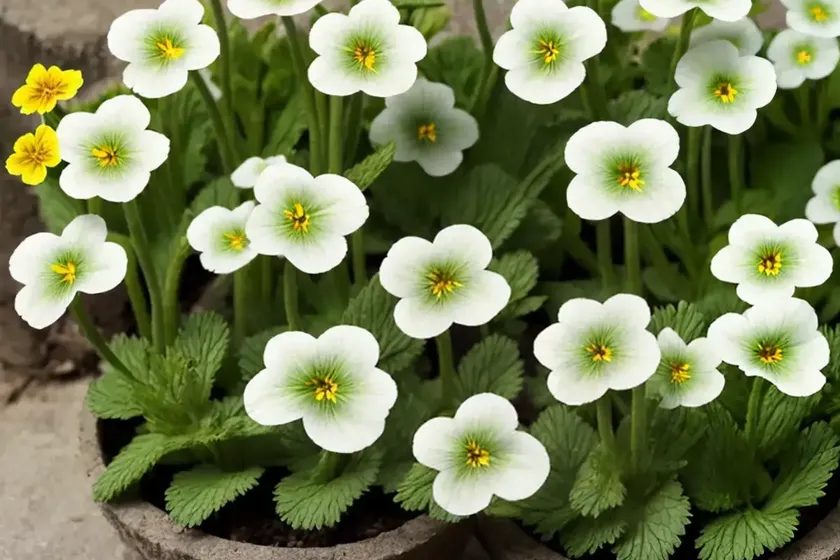
Primrose (Primula vulgaris) is a species of flowering plant in the family Primulaceae. It is native to Western and Southern Europe and has been naturalized in North America. The plant is characterized by its rosettes of crinkled, pale-green leaves and delicate, five-petaled flowers that come in an array of colors, including yellow, cream, pink, and purple. The Primrose blooms from early spring to late spring, adding a cheerful touch to gardens and landscapes.
Key Takeaways
Before delving into the specifics of Primrose care and cultivation, let’s take a moment to highlight some key takeaways about the Primula vulgaris:
– Scientific Name: Primula vulgaris
– Common Name: Primrose
– Family: Primulaceae
– Native Habitat: Western and Southern Europe
– Bloom Time: Early to late spring
– Flower Colors: Yellow, cream, pink, purple
– Characteristics: Rosettes of crinkled, pale-green leaves and delicate five-petaled flowers
Now, let’s explore the various aspects of cultivating and caring for Primrose.
Culture
Cultivating Primrose requires an understanding of its cultural needs, including water, sunlight, soil, and fertilizer requirements.
Water
Primrose plants prefer consistently moist soil but are susceptible to root rot if overwatered. It’s essential to keep the soil evenly moist, especially during the growing season. However, it’s equally important to ensure proper drainage to prevent waterlogging, which can be detrimental to the plant’s health.
Sunlight
In terms of sunlight, Primrose plants thrive in partial shade to full shade, particularly in regions with mild climates. While they can tolerate some morning sun, they prefer indirect light or dappled shade, making them an excellent choice for shaded areas in the garden.
Fertilizer
When it comes to fertilizer, Primrose plants benefit from a light application of balanced, all-purpose fertilizer in early spring before the flowering season begins. It’s crucial to follow the manufacturer’s recommendations and avoid over-fertilizing, as it can lead to excessive foliage growth at the expense of flowers.
Soil
Primrose plants thrive in well-draining, humus-rich soil with a slightly acidic to neutral pH. Amending the soil with organic matter such as compost or leaf mold can enhance its overall fertility and structure, providing an ideal growing medium for Primula vulgaris.
Pruning
Pruning Primrose is relatively minimal and primarily involves removing spent flower heads to encourage continuous blooming and prevent the plant from expending energy on seed production. Dead or yellowing leaves can also be trimmed to maintain the plant’s appearance and overall health.
Propagation
Propagating Primrose can be achieved through division or seed sowing. Division is typically carried out in early spring or early fall when the plant is not in active growth. Seeds can be sown in containers indoors and then transplanted into the garden once they have developed into sturdy seedlings.
Container Popularity
Primrose’s compact size and attractive blooms make it a popular choice for container gardening, adding a touch of color to patios, balconies, and indoor spaces. When grown in containers, it’s essential to select a pot with drainage holes to prevent waterlogging and use a well-draining potting mix tailored for flowering plants.
Common Diseases
Primrose plants are generally resilient but can be susceptible to certain diseases, including:
– Powdery Mildew: A common fungal disease that manifests as a white powdery coating on the leaves, affecting the plant’s overall health and appearance.
– Gray Mold (Botrytis): This fungal disease thrives in cool, humid conditions and can cause grayish-brown patches on the leaves and flowers, potentially leading to plant decline.
– Root Rot: Overwatering or waterlogged soil can lead to root rot, resulting in yellowing, wilting, and eventual decay of the plant’s roots.
Disease Diagnosis
When diagnosing potential diseases in Primrose plants, careful observation of the foliage, flowers, and overall plant health is crucial. Additionally, it’s beneficial to monitor environmental conditions such as humidity levels and air circulation, as these factors can contribute to disease development.
Common Pests
Primrose plants may attract certain pests, including:
– Aphids: These small, soft-bodied insects feed on the plant’s sap, leading to distorted growth and the secretion of sticky honeydew.
– Spider Mites: These tiny pests can cause stippling and webbing on the leaves, ultimately weakening the plant.
Maintaining good cultural practices, such as proper watering and sanitation, can help prevent pest infestations and minimize their impact on Primrose plants.
Botanist’s Tips
- Mulching: Applying a layer of organic mulch around Primrose plants can help conserve soil moisture, regulate temperature, and suppress weed growth.
- Winter Protection: In regions with harsh winters, providing a layer of mulch or covering Primrose plants with a frost cloth can offer protection from freezing temperatures and frost damage.
- Companion Planting: Pairing Primrose with other shade-loving plants such as Hostas, Ferns, and Bleeding Hearts can create visually appealing and thriving garden beds.
Fun Facts
- The name “Primrose” is derived from the Latin word “prima rosa,” which translates to “first rose,” signifying its early spring blooming period.
- In folklore, Primrose has been associated with various myths and legends, often symbolizing love, youth, and protection against evil spirits.
- Primrose petals are edible and can be used to garnish salads, desserts, and beverages, adding a pop of color and a delicate, floral flavor.
Links to External Resources
- Royal Horticultural Society – Primrose Growing Guide
- University of Maryland Medical Center – Primrose Oil
In conclusion, Primrose (Primula vulgaris) is a captivating and versatile plant that holds both ornamental and medicinal significance. By understanding its cultural needs, care requirements, and potential challenges, plant enthusiasts can cultivate and appreciate the beauty and benefits of this charming flowering species.
Whether enjoyed in garden beds, containers, or herbal remedies, Primrose continues to captivate and inspire with its timeless allure and remarkable resilience.
In this comprehensive guide, we’ve explored the essence of Primrose, including its culture, uses, care requirements, and its significance in various aspects. From its vibrant blooms to its medicinal uses and folklore, Primula vulgaris continues to captivate and inspire with its timeless allure and remarkable resilience. Whether enjoyed in garden beds, containers, or herbal remedies, Primrose holds a special place in the world of plants.