Powdered Gum (Eucalyptus Pulverulenta)
As a plant scientist with a passion for the natural world, I am thrilled to share valuable insights on the magnificent plant known as Powdered Gum or.
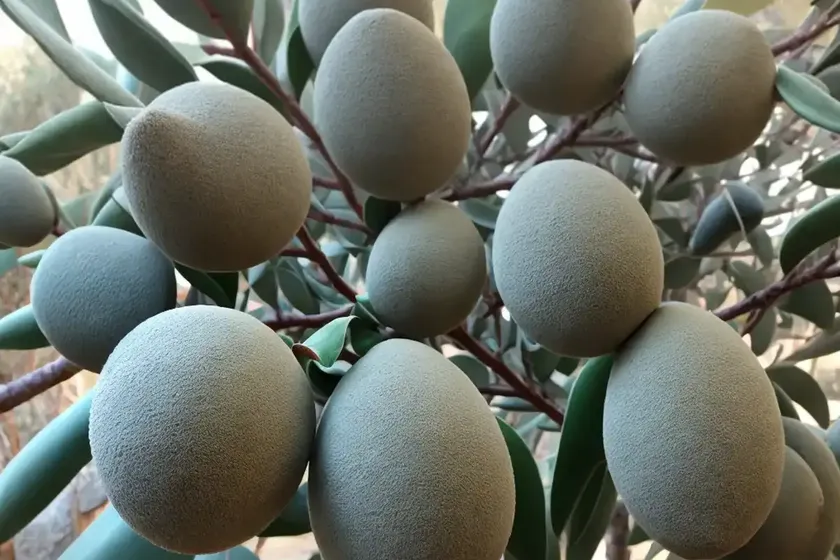
As a plant scientist with a passion for the natural world, I am thrilled to share valuable insights on the magnificent plant known as Powdered Gum or Eucalyptus Pulverulenta. This evergreen tree, native to Australia, belongs to the Myrtaceae family. Its distinct features and versatile uses have made it a cherished addition to landscapes and gardens across the globe.
In this comprehensive guide, we will explore the culture, uses, care requirements, propagation, and more, to ensure that your powdered gum plant thrives and flourishes. Whether you are a novice gardener or an experienced horticulturist, this article will equip you with the knowledge to cultivate and nurture the remarkable Eucalyptus Pulverulenta with confidence.
What is Powdered Gum (Eucalyptus Pulverulenta)?
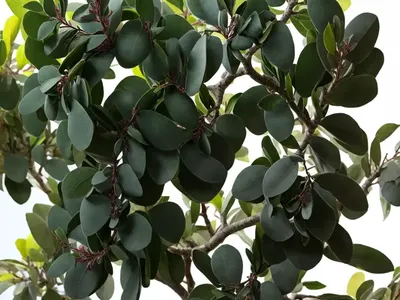
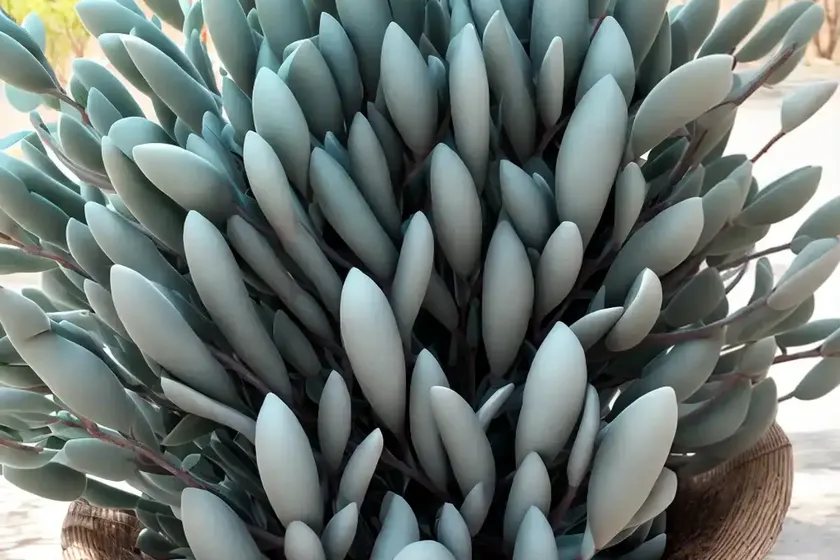
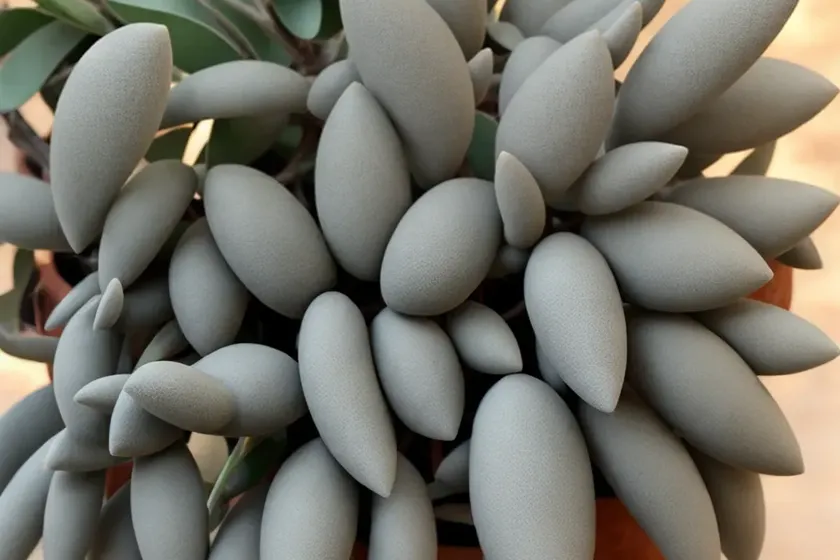
Powdered gum, scientifically known as Eucalyptus Pulverulenta, is a species of eucalyptus that is highly valued for its ornamental foliage and various practical applications. It is commonly referred to as the “silver-leaved mountain gum” due to the unique appearance of its leaves. The plant is renowned for its rounded, silvery-blue juvenile foliage, which matures into elongated, glossy green leaves.
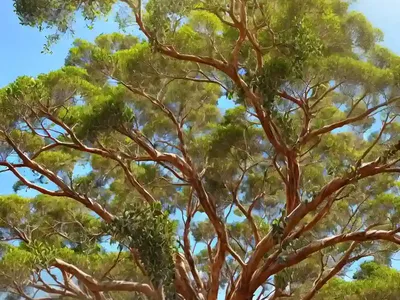
Eucalyptus Pulverulenta is a relatively small tree that typically reaches a height of 5-7 meters (16-23 feet) at maturity. It bears clusters of creamy-white flowers that add to its visual appeal and attract pollinators, such as bees and butterflies. The aromatic leaves of this eucalyptus species are rich in essential oils, contributing to its diverse uses in traditional medicine, aromatherapy, and landscaping.
Key Takeaways – Powdered Gum (Eucalyptus Pulverulenta)
Before delving into the specifics of cultivating and caring for Eucalyptus Pulverulenta, let’s highlight the key takeaways regarding this remarkable plant:
- Eucalyptus Pulverulenta is prized for its ornamental foliage, essential oils, and medicinal properties.
- The plant’s distinctive silver-blue juvenile leaves transition into glossy green adult leaves, adding visual interest.
- It is a versatile species used in landscaping, aromatherapy, and alternative medicine.
- Eucalyptus Pulverulenta requires proper attention to water, sunlight, soil, and pruning to thrive and maintain its health and vigor.
Now, let’s explore the essential elements of cultivating and caring for Powdered Gum to ensure optimal growth and vitality.
Culture
Cultivating Eucalyptus Pulverulenta involves understanding its environmental requirements, growth habits, and potential uses. The culture of this plant encompasses various aspects, including its native habitat, growth habit, and its role in different landscapes and gardens.
Native Habitat
Eucalyptus Pulverulenta is indigenous to Australia, where it thrives in diverse habitats, ranging from woodland areas to mountain slopes. Its natural range spans southeastern New South Wales, eastern Victoria, and northeastern Tasmania, where it adapts to a range of soil types and climatic conditions. The plant’s resilience and adaptability make it an ideal choice for landscaping projects in various regions worldwide.
Growth Habit
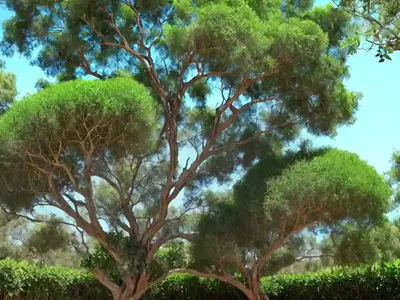
As an evergreen tree, Eucalyptus Pulverulenta exhibits a moderately fast growth rate under favorable conditions. It is characterized by a compact, bushy form with an open canopy, making it suitable for ornamental planting and hedging. The plant’s distinctive juvenile and adult leaves contribute to its aesthetic appeal, creating visual contrast and texture in garden landscapes.
Landscape and Garden Uses
Powdered Gum is highly versatile in landscaping, offering a range of uses in both ornamental and functional settings. It can be employed as a standalone specimen plant, a focal point in mixed shrub borders, or as a backdrop for perennial beds. Due to its compact growth habit and appealing foliage, Eucalyptus Pulverulenta is often used to create informal hedging for visual interest and privacy in outdoor spaces.
Its aromatic leaves and essential oils also make it a valuable addition to herb gardens and aromatic plant collections. Furthermore, the plant’s resilience and drought tolerance render it suitable for xeriscaping and water-wise landscapes, where it can thrive with minimal irrigation.
Uses
Eucalyptus Pulverulenta is renowned for its diverse uses, ranging from traditional medicine and aromatherapy to landscaping and fragrance production. Understanding the multifaceted uses of this species provides insights into its cultural and practical significance.
Traditional Medicine and Aromatherapy
In traditional Aboriginal medicine, various parts of Eucalyptus Pulverulenta, including the leaves and essential oils, have been utilized to treat respiratory ailments and promote overall well-being. The plant’s aromatic foliage, rich in eucalyptol and other bioactive compounds, has been valued for its decongestant, antiseptic, and expectorant properties. Its essential oil, derived from steam distillation of the leaves, is a key ingredient in medicinal balms, inhalants, and chest rubs for respiratory health support.
Moreover, the invigorating and refreshing fragrance of Eucalyptus Pulverulenta essential oil has found widespread use in aromatherapy, where it is known for its mood-lifting and clarifying effects. The oil is often diffused or incorporated into topical formulations to promote mental clarity, respiratory comfort, and stress reduction.
Landscaping and Fragrance Production
In landscaping, Powdered Gum is valued for its ornamental foliage and aromatic presence. It is used to introduce texture, color, and fragrance to garden designs, where its silver-blue juvenile leaves and green adult foliage create a dynamic visual display throughout the year. The plant’s compact growth habit and adaptability make it suitable for various landscape styles, from formal gardens to naturalistic settings.
Furthermore, Eucalyptus Pulverulenta’s essential oil is utilized in the fragrance industry to impart a fresh, camphoraceous scent to perfumes, soaps, and other scented products. Its distinct aroma and therapeutic properties contribute to its role in natural perfumery and aromatherapeutic formulations.
Care Requirements
The successful cultivation of Eucalyptus Pulverulenta relies on providing optimal care in terms of watering, sunlight exposure, soil conditions, fertilization, and pruning. Understanding and meeting the plant’s specific requirements are essential for fostering its health, vigor, and aesthetic appeal. Let’s delve into the key aspects of caring for Powdered Gum to ensure its optimal growth and development.
Water
Proper watering is critical for the health and vitality of Eucalyptus Pulverulenta, especially during its establishment phase and in periods of limited rainfall. While the plant exhibits a degree of drought tolerance once established, it benefits from regular watering, particularly in well-draining soils. Adequate moisture levels are essential for supporting root development and minimizing stress, especially during hot and dry conditions.
Water Needs
- Young Eucalyptus Pulverulenta plants require consistent watering to promote root establishment and early growth.
- Provide deep, thorough irrigation to ensure moisture reaches the root zone, especially during dry spells or hot weather.
- Avoid prolonged waterlogging, as excessive moisture can lead to root rot and other water-related issues.
Drought Tolerance
Once established, Eucalyptus Pulverulenta exhibits good drought tolerance and can thrive in arid or semi-arid regions with minimal supplemental irrigation. Its adaptive traits allow it to endure periods of limited water availability without significant decline in vigor or visual appeal.
Sunlight
The plant’s sunlight requirements play a vital role in its overall health, foliage development, and flowering capacity. Understanding its preferences for sun exposure enables gardeners to select suitable planting locations and create favorable growing conditions for Eucalyptus Pulverulenta.
Sun Exposure
- Eucalyptus Pulverulenta thrives in full sun to partial shade, with a preference for direct sunlight for at least 6 hours per day.
- Ensure adequate sunlight for optimal growth and leaf coloration, as insufficient light can result in leggy growth and diminished foliage quality.
- When grown in hot climates, provide partial shade during the hottest part of the day to protect the plant from excessive heat and sunburn.
Fertilizer
While Eucalyptus Pulverulenta is adaptable to various soil types, providing appropriate nutrition through fertilization can enhance its growth, foliage color, and overall vigor. Selecting the right type of fertilizer and applying it at the proper time can support the plant’s nutritional needs and contribute to its long-term well-being.
Soil Requirements
- Eucalyptus Pulverulenta thrives in well-draining, loamy soils with a slightly acidic to neutral pH range (pH 6.0-7.0).
- Incorporate organic matter, such as compost or well-rotted manure, into the soil to improve its structure, moisture retention, and nutrient content.
- Avoid waterlogged or compacted soils, as they can impede root growth and lead to oxygen deprivation.
Fertilization Schedule
- Apply a balanced, slow-release fertilizer in early spring to provide essential nutrients for the plant’s active growth phase.
- Use a fertilizer formulation with a moderate to low nitrogen content to prevent excessive vegetative growth at the expense of flowering and essential oil production.
- Refrain from over-fertilizing, as excessive nutrient levels can disrupt the plant’s natural balance and lead to potential issues, such as nutrient toxicity and environmental pollution.
Soil
As with most plants, the soil composition and structure significantly influence the growth, development, and overall performance of Eucalyptus Pulverulenta. Understanding the plant’s soil preferences and implementing appropriate soil management practices are essential for creating an optimal growing environment.
Well-Draining Soil
- Plant Eucalyptus Pulverulenta in well-draining soils to prevent waterlogging and ensure sufficient aeration for the root system.
- Sandy loam or loamy soils are suitable for the plant, offering a balance of good drainage, moisture retention, and nutrient availability.
- Avoid heavy clay soils that can restrict root development and lead to waterlogged conditions, which are detrimental to the plant’s health.
Pruning
Pruning is a beneficial practice for maintaining the health, shape, and ornamental value of Eucalyptus Pulverulenta. Proper pruning techniques help control the plant’s size, promote branching, and remove damaged or diseased foliage, contributing to its long-term vitality and visual appeal.
Pruning Techniques
- Perform pruning during the plant’s dormant season or in early spring before the onset of new growth to minimize stress and ensure rapid recovery.
- Remove any dead, diseased, or crossing branches to improve air circulation and reduce the risk of pest infestations and fungal diseases.
- Utilize sterilized pruning tools to make clean cuts and minimize the spread of pathogens, promoting rapid wound healing and regrowth.
Propagation
The propagation of Eucalyptus Pulverulenta involves methods such as seed germination, hardwood cuttings, and propagation through grafting to produce new plants for ornamental or commercial purposes. Understanding the propagation techniques enables gardeners to expand their plant collection and contribute to the conservation of this valuable species.
Seed Germination
- Collect ripe seed capsules from the parent plant and extract the small, fine seeds for propagation.
- Sow the seeds in a well-draining propagation mix, covering them lightly with soil to maintain moisture levels and promote germination.
- Provide warmth and consistent moisture to facilitate seedling emergence, and protect the young plants from direct sunlight until they are well-established.
Container Popularity
Eucalyptus Pulverulenta is well-suited for container cultivation, allowing gardeners to enjoy its ornamental attributes and aromatic foliage on patios, balconies, and in confined outdoor spaces. Its adaptability to container growth makes it a popular choice among gardening enthusiasts seeking to incorporate unique and versatile plants into their urban or suburban landscapes.
Ideal Container Conditions
- Select a large, sturdy container with adequate drainage holes to support the plant’s root system and prevent waterlogging.
- Use a well-draining potting mix, enriched with organic matter, to provide sufficient aeration and support healthy root development.
- Ensure the container receives ample sunlight while offering protection from extreme heat and wind, maintaining optimal growing conditions for the plant.
Common Diseases
Eucalyptus Pulverulenta is susceptible to certain diseases, including fungal infections and physiological disorders, which can affect its overall health and appearance. Recognizing the symptoms of common plant diseases and implementing preventive measures are crucial for preserving the vigor and vitality of Powdered Gum in garden settings.
Disease Prevention
- Monitor the plant for signs of leaf spot, powdery mildew, and other fungal diseases, maintaining good air circulation and moderate humidity levels to reduce disease pressure.
- Avoid overwatering and waterlogging, as excess moisture can promote the development of root rot and other water-related disorders.
- Inspect the foliage regularly for discoloration, wilting, or abnormal growth, promptly addressing any signs of disease through cultural or targeted treatments.
Disease Diagnosis
Should any disease or abnormality be observed in your Eucalyptus Pulverulenta, it’s advisable to accurately diagnose the issue before implementing treatment. Conducting a thorough assessment of the plant’s symptoms and environmental conditions can aid in identifying the underlying cause of the problem and selecting the most effective management approach.
Leaf Spot
- Leaf spot diseases manifest as circular or irregularly shaped lesions on the foliage, which may be accompanied by yellowing or browning of the affected areas.
- Evaluate the plant’s cultural practices, including watering, pruning, and fertilization, to identify potential factors contributing to leaf spot development.
- Consider applying fungicidal treatments with active ingredients specific to the identified leaf spot pathogen, following label instructions and precautions.
Common Pests
In addition to diseases, Eucalyptus Pulverulenta may encounter challenges posed by various pests, including insects and mites that can feed on its foliage, sap, or reproductive structures. Implementing integrated pest management strategies and regular monitoring can help prevent and control pest infestations, safeguarding the plant’s health and visual appeal.
Pest Identification
- A thorough inspection of the plant is essential for identifying common pests such as eucalyptus leaf beetles, psyllids, and aphids that may feed on the foliage and young shoots.
- Look for signs of pest activity, including skeletonized leaves, stippled foliage, or the presence of honeydew and sooty mold, which are indicative of sap-feeding insects.
- Utilize physical removal, insecticidal soaps, or horticultural oils to manage pest populations without disrupting beneficial organisms or harming the plant.
Botanist’s Tips
As a plant scientist with a keen interest in cultivating and studying Eucalyptus Pulverulenta, I would like to share a few practical tips and recommendations to support the successful growth and care of this remarkable species.
Tip 1: Aerate the Soil
- Regularly aerate the soil around Eucalyptus Pulverulenta to improve root oxygenation, water infiltration, and nutrient absorption.
- Utilize a soil aerator or gently cultivate the soil surface to prevent compaction and enhance overall soil health.
Tip 2: Monitor Moisture Levels
- Employ a soil moisture meter or conduct regular soil assessments to gauge the moisture content and prevent overwatering or drought stress.
- Adjust watering practices based on seasonal variations and the plant’s specific needs to maintain optimal soil moisture levels.
Tip 3: Support Young Seedlings
- Provide physical support, such as stakes or grow-through rings, for young Eucalyptus Pulverulenta seedlings to promote upright growth and minimize stem breakage.
- Secure the plants in their containers or planting sites to protect them from strong winds and mechanical damage.
Tip 4: Mulch for Moisture Retention
- Apply a layer of organic mulch around the base of Eucalyptus Pulverulenta to conserve soil moisture, regulate temperature, and deter weed growth.
- Use natural mulch materials, such as shredded bark or wood chips, to create a protective and visually appealing mulching layer.
Fun Facts
Exploring the unique characteristics and cultural significance of Eucalyptus Pulverulenta unveils fascinating details and ecological connections that contribute to its appeal and practical uses. Here are some intriguing fun facts about this exceptional plant:
- Eucalyptus Pulverulenta foliage contains volatile oils known for their distinct aroma and potential therapeutic benefits, making it a cherished species in aromatherapy and herbal medicine traditions.
- The plant’s striking silver-blue juvenile leaves provide an eye-catching contrast in garden designs and floral arrangements, adding a touch of elegance and texture.
- As a native Australian species, Eucalyptus Pulverulenta plays a vital ecological role by providing food and habitat for native wildlife, including koalas, birds, and insects, contributing to the biodiversity of its natural range.
- The plant’s essential oil possesses natural insect-repelling properties, serving as a botanical alternative to conventional insect deterrents in outdoor and indoor settings.
Links to External Resources
For further information and resources related to Eucalyptus Pulverulenta, I recommend exploring the following reputable sources:
- Royal Botanic Gardens Victoria – Eucalyptus Pulverulenta Information
- Australian National Botanic Gardens – Eucalyptus Pulverulenta Fact Sheet
- PlantNet – Eucalyptus Pulverulenta Profile
- Gardening Australia – Growing Eucalyptus in Containers
These resources offer valuable insights, botanical descriptions, and cultivation guidelines, enhancing your understanding of Eucalyptus Pulverulenta and its horticultural potential.
In conclusion, Eucalyptus Pulverulenta, or Powdered Gum, captivates enthusiasts and horticulturists alike with its ornamental foliage, versatile uses, and cultural significance. By embracing the knowledge and practices outlined in this comprehensive guide, you can cultivate and care for this exceptional species with confidence, fostering its enduring beauty and botanical heritage.
I hope this extensive exploration of Eucalyptus Pulverulenta has provided you with valuable insights and inspiration to embark on a rewarding journey of discovery and cultivation. May the vibrant foliage and aromatic presence of Powdered Gum enrich your gardening endeavors and deepen your appreciation for the natural world.
Happy gardening and may your Eucalyptus Pulverulenta flourish and thrive in its cultivated setting!
References
1. “Eucalyptus pulverulenta” Australian Plants online. Available at: https://anpsa.org.au/e-pul.html
2. “Eucalyptus pulverulenta – Silver-leaved mountain gum” Our Native Garden Nursery. Available at: [https://www.ournativegarden.com.au/eucalyptus-pulverulenta](https://www.ournativegarden.com.au/eucalyptus