Potentilla nepalensis (Nepalese Cinquefoil): A Comprehensive Guide for Plant Lovers
Potentilla nepalensis, commonly known as Nepalese Cinquefoil, is a visually striking and versatile herbaceous perennial that has gained popularity in gardens and landscapes across the world. With its vibrant blooms and low maintenance requirements, this plant has become a favorite among gardeners and landscapers alike.
In this comprehensive guide, we will explore the various facets of Potentilla nepalensis, including its characteristics, care requirements, medicinal properties, landscape uses, and much more. Whether you are a seasoned gardener or a novice plant enthusiast, this guide will provide you with valuable insights into the cultivation and appreciation of this remarkable species.
Potentilla nepalensis Characteristics
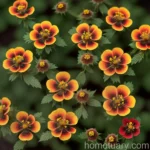
Potentilla nepalensis is a member of the Rosaceae family and is native to the Himalayan region. It is characterized by its sprawling growth habit, palmately compound leaves, and abundant clusters of bright, five-petaled flowers. The plant typically reaches a height of 12 to 18 inches, with a spread of 18 to 24 inches, making it an ideal choice for border plantings, rock gardens, and container cultivation.
Nepalese Cinquefoil Plant Description
- Family: Rosaceae
- Common Name: Nepalese Cinquefoil
- Botanical Name: Potentilla nepalensis
- Height: 12 to 18 inches
- Spread: 18 to 24 inches
- Growth Habit: Spreading
- Foliage: Palmately compound leaves
- Flowers: Bright, five-petaled blooms
- Flowering Season: Late spring to early summer
Nepalese Cinquefoil Plant Care
Successful cultivation of Potentilla nepalensis requires a basic understanding of its cultural requirements, including water, sunlight, fertilization, soil conditions, and pruning techniques. By optimizing these key components, you can ensure that your Nepalese Cinquefoil thrives and produces an abundance of colorful flowers throughout the growing season.
Water
Potentilla nepalensis prefers consistently moist but well-drained soil. During the active growing season, it is essential to provide regular watering, especially during periods of drought. However, it is important to avoid overwatering, as this can lead to waterlogged conditions that may be detrimental to the plant’s health.
Sunlight
This species thrives in full sun to partial shade, making it adaptable to a wide range of garden settings. To promote vigorous growth and prolific flowering, ensure that your Nepalese Cinquefoil receives at least 6 to 8 hours of direct sunlight daily.
Fertilizer
When it comes to fertilization, Potentilla nepalensis is relatively low-maintenance. A balanced, all-purpose fertilizer applied in early spring can provide the necessary nutrients for robust growth and blooming. Be mindful of over-fertilization, as this may result in excessive foliage at the expense of floral displays.
Soil
Well-drained, loamy soil with a slightly acidic to neutral pH is ideal for Potentilla nepalensis. Amending heavy clay soils with organic matter can improve drainage and create an optimal growing environment for this species. It is important to avoid waterlogged or compacted soils, as these conditions can impede root development and overall plant health.
Pruning
Pruning plays a crucial role in maintaining the aesthetic appeal and vigor of Potentilla nepalensis. Regular deadheading of spent flowers not only prolongs the blooming period but also encourages continuous flower production. Additionally, in late winter or early spring, the removal of old or damaged stems can stimulate new growth and help maintain a compact, tidy growth habit.
Propagation
Potentilla nepalensis can be propagated through division or seed sowing. Division is best carried out in early spring, as new growth begins to emerge. By carefully separating the plant into smaller sections, each containing viable roots and shoots, you can create new plantings that will establish themselves quickly. Alternatively, collecting and sowing seeds in a well-prepared seedbed can yield robust seedlings for future planting.
Container Gardening
The compact growth habit and vibrant floral display of Potentilla nepalensis make it well-suited for container cultivation. When selecting a container, ensure that it provides adequate drainage and sufficient space for root development. Regular watering and fertilization are essential for container-grown specimens, as potted plants may experience fluctuations in soil moisture and nutrient availability.
Potentilla nepalensis Uses
Beyond its ornamental value, Potentilla nepalensis holds cultural, medicinal, and ecological significance. Understanding the diverse uses and benefits associated with this plant can deepen one’s appreciation for its role in the natural world and human society.
Landscape Uses
As a versatile and visually appealing plant, Potentilla nepalensis is employed in various landscape settings, including:
- Borders: The low-growing, spreading habit of Nepalese Cinquefoil makes it an excellent border plant, creating colorful and floriferous edges along pathways and garden beds.
- Rock Gardens: The compact size and profuse flowering of this species make it an ideal candidate for rock gardens, where it can thrive in well-drained, sunny locations.
- Containers: The adaptability of Potentilla nepalensis to container cultivation allows for its use in patio plantings, balcony gardens, and other confined spaces, adding vibrant splashes of color to these settings.
Medicinal Properties
In traditional herbal medicine, various parts of Potentilla species have been used to address a range of ailments. While specific medicinal uses of Potentilla nepalensis may vary, its potential therapeutic properties are an area of interest for further exploration.
Wildlife Benefits
The nectar-rich flowers of Potentilla nepalensis attract and support pollinators, including bees, butterflies, and other beneficial insects. By incorporating this plant into garden designs, individuals can contribute to the conservation of pollinator populations and the overall health of local ecosystems.
Natural Habitat
Potentilla nepalensis is indigenous to the alpine regions of the Himalayas, where it thrives in well-drained, rocky slopes and open woodlands. The natural habitat of this species provides valuable insights into its preferred growing conditions and ecological relationships.
Common Diseases and Pests
Despite its overall resilience, Potentilla nepalensis may be susceptible to certain diseases and pests that can impact its health and appearance. Recognizing the signs of these issues and implementing appropriate control measures is essential for maintaining the vitality of this plant.
Disease Diagnosis
Common diseases that may affect Potentilla nepalensis include:
- Powdery Mildew: Characterized by a white, powdery growth on the leaves and stems, powdery mildew can weaken the plant and detract from its ornamental value.
- Leaf Spot: Circular lesions on the foliage accompanied by yellowing and premature leaf drop are indicative of leaf spot diseases, which can be caused by various fungal pathogens.
Common Pests
Pests that are known to target Potentilla nepalensis include:
- Aphids: These small, sap-sucking insects can infest the tender new growth of Nepalese Cinquefoil, potentially causing distortion of leaves and the transmission of viral diseases.
- Spider Mites: Infestations of spider mites can lead to stippled, discolored foliage and a decline in overall plant vigor if left unchecked.
Botanist’s Tips
As a plant scientist with a passion for Potentilla species, I have accumulated valuable insights and practical tips for cultivating and appreciating Potentilla nepalensis. Drawing from my expertise, I offer the following recommendations to enhance your success with this captivating plant:
- Selecting Varieties: Explore the range of available Potentilla nepalensis varieties to discover unique flower colors, growth habits, and adaptive traits that can enrich your garden compositions.
- Cultivation Tips: When establishing new plantings of Potentilla nepalensis, pay close attention to soil preparation and planting depth to ensure optimal root establishment and subsequent growth.
- Pest Monitoring: Regularly inspect your Nepalese Cinquefoil for signs of pest activity, such as distorted growth, stippling on leaves, or the presence of pests themselves. Early detection can facilitate prompt intervention and limit potential damage.
Fun Facts
Despite its relatively compact size, Potentilla nepalensis boasts a range of fascinating attributes that contribute to its allure and horticultural value. Consider the following intriguing facts about this charismatic plant:
- Flower Symbolism: In the language of flowers, Potentilla nepalensis is associated with sentiments of admiration, making it a meaningful choice for gift-giving and floral arrangements.
Links to External Resources
For additional information on Potentilla nepalensis and related topics, I recommend exploring the following resources:
- Royal Horticultural Society – Potentilla nepalensis
- Missouri Botanical Garden – Potentilla nepalensis
- North Carolina State University Extension – Growing Perennials
- American Horticultural Society – Plant Propagation
In conclusion, Potentilla nepalensis, or Nepalese Cinquefoil, is a captivating plant with ornamental, ecological, and potential medicinal significance. By understanding its cultural requirements, landscape uses, and unique attributes, individuals can foster a deeper appreciation for this species and integrate it into diverse gardening and landscaping endeavors. Whether adorning garden borders, enhancing wildlife habitats, or serving as a low-maintenance container specimen, Potentilla nepalensis holds enduring appeal for plant lovers and horticulturists alike.