Pot Marjoram (Origanum Majorana)
Pot marjoram (Origanum majorana) is a remarkable herb that has been used for centuries for its culinary, medicinal, and aromatic properties. This blog post.
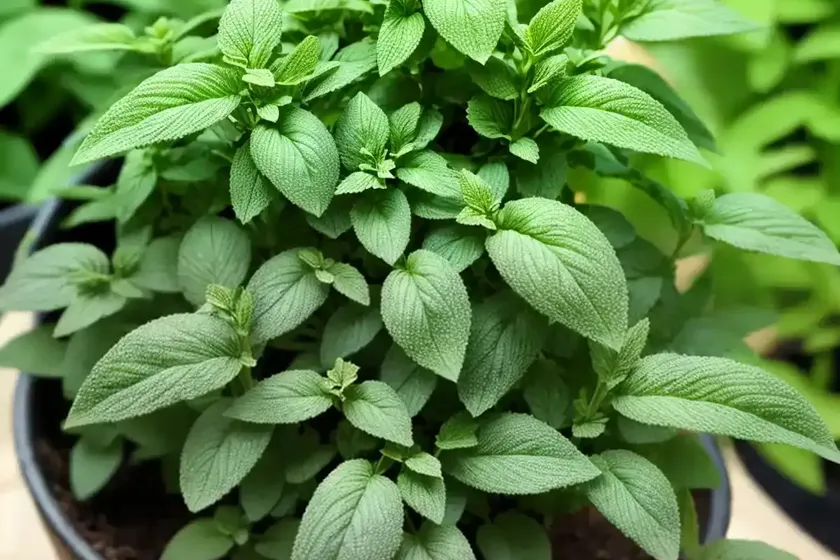
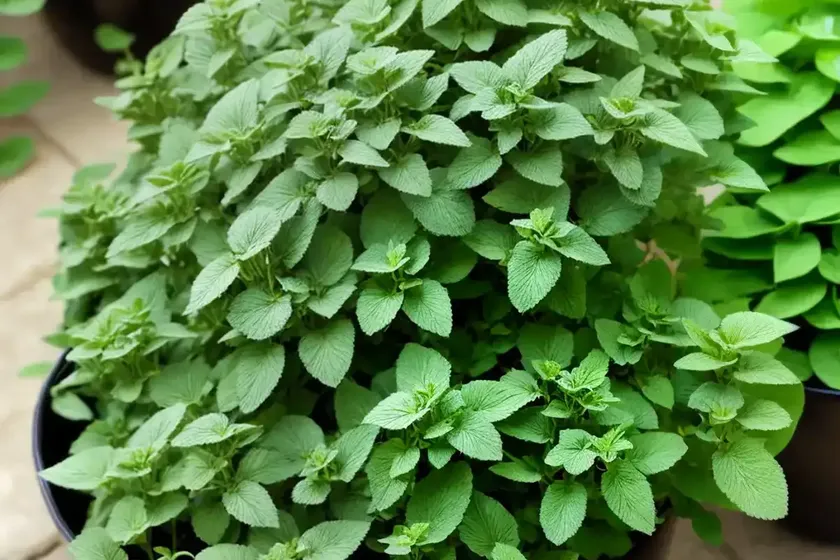
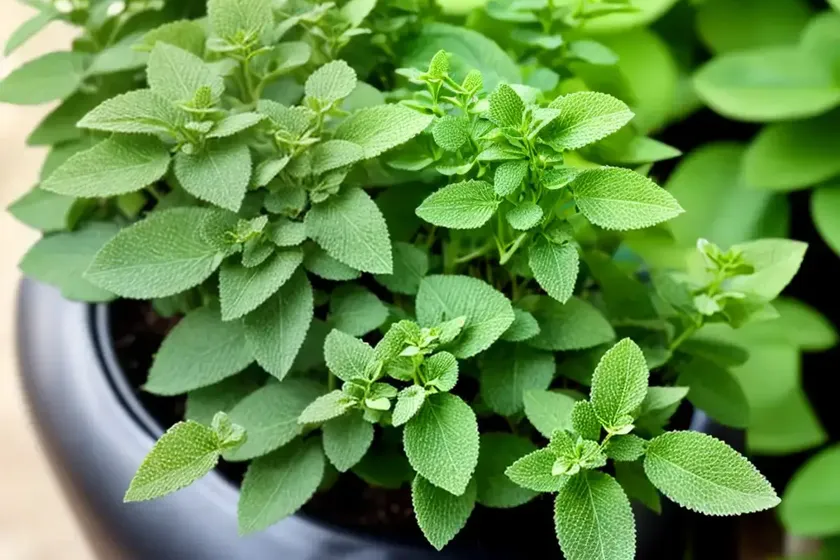
Pot marjoram (Origanum majorana) is a remarkable herb that has been used for centuries for its culinary, medicinal, and aromatic properties. This blog post will explore the fascinating world of pot marjoram, including its culture, uses, propagation, common diseases, and much more. Whether you are an avid gardener, a culinary enthusiast, or simply interested in natural remedies, pot marjoram has something to offer for everyone. Let’s dive into the enchanting realm of this versatile herb.
What is Pot Marjoram?
Pot marjoram, scientifically known as Origanum majorana, is a perennial herb belonging to the mint family, Lamiaceae. It is native to the Mediterranean region and is revered for its delicate, sweet fragrance and mild, citrusy flavor. The plant is characterized by its small, oval-shaped leaves and clusters of tiny, pale pink flowers. It is commonly cultivated for its culinary uses, as well as for its therapeutic and aromatic properties.
Key Takeaways
Before we delve into the specifics of pot marjoram, let’s highlight some key takeaways about this remarkable herb:
- Health Benefits of Pot Marjoram: Pot marjoram possesses a wide range of health benefits, including its potential to promote respiratory health, aid in digestion, reduce inflammation, and act as a natural remedy for headaches.
- Growing Pot Marjoram in Your Garden: Pot marjoram is an excellent addition to any herb garden, and it thrives in well-drained, sunny locations.
- Uses of Pot Marjoram in Culinary Dishes: The herb is a popular ingredient in Mediterranean cuisine and is commonly used to flavor soups, stews, sauces, and meat dishes.
- Medicinal Properties of Pot Marjoram: Pot marjoram has been valued for its medicinal properties for centuries, particularly for its ability to alleviate various health issues and promote overall well-being.
- How to Harvest and Store Pot Marjoram: Proper harvesting and storage techniques are essential to preserve the flavor and aroma of pot marjoram for later use.
- Pot Marjoram for Respiratory Health: The herb is known for its beneficial effects on respiratory health and can be used in herbal remedies for congestion and coughs.
Now, let’s explore the various aspects of pot marjoram in more detail.
Culture
Cultivating pot marjoram is a rewarding experience for gardeners, as the plant is relatively low-maintenance and offers an abundance of culinary and medicinal uses. Understanding the cultural requirements of pot marjoram is essential for successful growth and optimal yield.
Uses
Culinary Uses
Pot marjoram is highly valued for its culinary uses, adding a delightful flavor and fragrance to a wide array of dishes. The herb is a staple in Mediterranean cuisine, where it is used to impart a warm, slightly citrusy taste to soups, stews, meat dishes, and marinades. Its versatility in the kitchen makes it a favorite among chefs and home cooks alike.
Medicinal Uses
In addition to its culinary applications, pot marjoram is esteemed for its medicinal properties. It has been traditionally used to alleviate digestive issues, promote relaxation, and enhance respiratory health. The herb is also known for its anti-inflammatory, antioxidant, and antimicrobial properties, making it a valuable natural remedy for various ailments.
Water
Pot marjoram thrives in well-drained soil and should be watered consistently to maintain adequate moisture levels. However, it is important to avoid overwatering, as the plant is susceptible to root rot in waterlogged conditions. A general guideline is to water the herb when the top inch of soil feels dry to the touch, providing enough moisture to keep the soil consistently moist but not waterlogged.
Sunlight
Like many Mediterranean herbs, pot marjoram thrives in full sunlight. It requires at least 6-8 hours of direct sunlight per day to support healthy growth and abundant leaf production. In regions with particularly hot summers, the plant may benefit from partial shade during the hottest part of the day to prevent excessive stress.
Fertilizer
Pot marjoram generally does not require heavy fertilization, especially if it is grown in nutrient-rich soil. However, a light application of balanced, organic fertilizer in early spring can support the plant’s growth and vigor. It is important to avoid excessive nitrogen, as this can lead to excessive leaf growth at the expense of essential oils and flavor.
Soil
The composition of the soil plays a crucial role in the growth and development of pot marjoram. Well-drained, slightly alkaline soil with good fertility is ideal for cultivating this herb. A sandy loam or loamy soil with a pH ranging from 6.5 to 7.5 provides an optimal growing medium for pot marjoram. Amending the soil with organic matter, such as compost, can improve its structure and fertility, creating a favorable environment for the herb to thrive.
Pruning
Pruning is an important aspect of caring for pot marjoram, as it helps maintain the plant’s vigor, shape, and overall health. Regular pruning encourages bushy growth and prevents the herb from becoming leggy or woody. It is best to prune pot marjoram in the early spring before new growth emerges. Remove any dead or damaged stems, and trim back the plant to promote compact, dense growth. Additionally, harvesting the leaves regularly can also serve as a form of pruning, as it encourages the growth of new foliage.
Propagation
Propagating pot marjoram is relatively straightforward and can be achieved through several methods, including seed sowing, division, and stem cuttings. Each approach offers its own set of advantages and considerations, allowing growers to choose the method that best suits their preferences and resources.
Seed Sowing
Pot marjoram can be propagated from seeds, which should be sown indoors in early spring, approximately 6-8 weeks before the last frost date. The seeds can be started in seed trays or small pots filled with a well-draining seed starting mix. Keep the soil consistently moist and maintain a temperature of around 70-75°F (21-24°C) to promote germination. Once the seedlings have developed several sets of true leaves, they can be transplanted into larger containers or into the garden.
Division
Dividing established pot marjoram plants is a simple propagation method that involves separating the plant into smaller sections, each with its own set of roots and shoots. This can be done in the early spring before the plant begins vigorous growth. Carefully dig up the plant and divide the root mass into several clumps, ensuring that each division has sufficient roots and healthy growth. Replant the divisions in prepared soil, water them thoroughly, and provide adequate care to encourage new growth.
Stem Cuttings
Propagating pot marjoram from stem cuttings is a reliable method that yields genetically identical plants to the parent. Select healthy, non-flowering stems and cut 3-4 inch (7-10 cm) segments just below a leaf node. Remove the lower leaves from the cutting to expose the nodes, which will encourage root development. Dip the cut end in a rooting hormone to promote root formation and plant the cutting in a well-draining rooting medium. Keep the soil consistently moist and maintain high humidity to support the development of roots. Once rooted, the cuttings can be transplanted into larger containers or into the garden.
Container Popularity
Pot marjoram is an excellent candidate for container gardening, making it a popular choice for individuals with limited outdoor space or those seeking to grow herbs indoors. The herb’s compact growth habit and low-maintenance nature make it well-suited for cultivation in pots, window boxes, and other containers. Additionally, growing pot marjoram in containers provides the convenience of having fresh herbs readily available for culinary and medicinal purposes.
Container Common Diseases
When cultivating pot marjoram in containers, it is important to be mindful of potential diseases that can affect the plant. While container-grown herbs are generally less susceptible to soil-borne diseases, certain issues such as root rot and powdery mildew can still arise under unfavorable conditions. Diligent care, proper watering practices, and adequate air circulation can help mitigate the risk of disease and ensure the health of pot marjoram in containers.
Disease Diagnosis
Diagnosing and managing diseases in pot marjoram is crucial for maintaining the vigor and productivity of the plant. Common signs of disease in pot marjoram may include wilting, yellowing or browning of leaves, stunted growth, and the presence of powdery white or grayish patches on the foliage. It is essential to promptly address any signs of disease by adjusting cultural practices, improving growing conditions, and, if necessary, applying appropriate organic treatments to combat the issue.
Common Pests
While pot marjoram is relatively resistant to pest infestations, certain insects can still pose a threat to the plant’s health. Common pests that may affect pot marjoram include aphids, spider mites, and whiteflies. These insects can cause damage by feeding on the plant’s sap, leading to wilting, yellowing, and distortion of the leaves. Vigilant monitoring, cultural practices, and the use of natural predators or organic insecticidal soaps can help control pest populations and minimize their impact on pot marjoram.
Botanist’s Tips
Here are some expert tips for growing and caring for pot marjoram:
- Well-Drained Soil: Ensure that the soil is well-drained to prevent waterlogged conditions, which can be detrimental to pot marjoram.
- Pruning: Regular pruning promotes bushy growth and prevents the plant from becoming leggy.
- Harvesting: Harvest the leaves frequently to encourage new growth and to maintain the plant’s shape.
- Adequate Sunlight: Provide sufficient sunlight to promote robust growth and enhance the flavor of the leaves.
Fun Facts
- Ancient Symbolism: In ancient cultures, pot marjoram was associated with love, happiness, and good fortune, and was used in various rituals and ceremonies.
- Herbal Tradition: Pot marjoram has been a cherished herb in herbal medicine and culinary arts for centuries, being valued for its aromatic and medicinal properties.
- Aromatic Qualities: The essential oil of pot marjoram is prized for its pleasing fragrance and is used in perfumery, aromatherapy, and as a flavoring agent.
Links to External Resources
Explore the following resources to learn more about pot marjoram and its diverse applications:
- The Herb Society of America
- National Center for Complementary and Integrative Health
- United States Department of Agriculture (USDA) Plant Profiles
In conclusion, pot marjoram (Origanum majorana) is a captivating herb with a rich history and a multitude of uses. Whether you are drawn to its culinary allure, its medicinal potential, or the delightful fragrance it imparts, pot marjoram holds a special place in the world of herbs. By understanding its cultural requirements, culinary uses, and health benefits, we can fully appreciate the unique attributes of pot marjoram and harness its remarkable qualities for the betterment of our well-being and culinary creations.
Remember, pot marjoram isn’t just an herb; it’s a journey into the timeless traditions and bountiful offerings of nature.
References
Plant Name: “Pot marjoram (Origanum majorana)”


