Port Jackson Fig (Ficus Rubiginosa)
Plants have always held a special place in human culture and society. Whether for their ecological importance, ornamental appeal, or medicinal uses, plants.


Plants have always held a special place in human culture and society. Whether for their ecological importance, ornamental appeal, or medicinal uses, plants play a significant role in our lives. Among the diverse array of plant species, the Port Jackson Fig (Ficus Rubiginosa) stands out as a particularly intriguing and valuable plant.
In this comprehensive guide, we will delve into the characteristics, care, cultivation, and cultural significance of the Port Jackson Fig. We will explore its growth patterns, ecological importance, and ecological interactions. Additionally, we will discuss its historical significance, habitat, and uses in landscape design and indoor decoration. Let’s embark on a journey to unravel the mysteries and wonders of the Port Jackson Fig.
What is Port Jackson Fig (Ficus Rubiginosa)?
Port Jackson Fig Characteristics
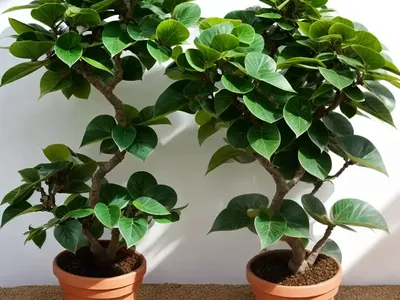
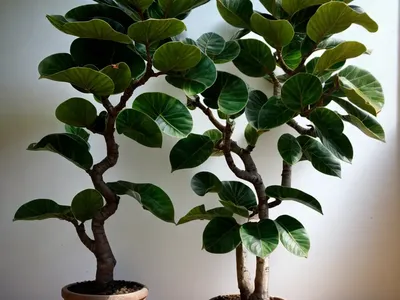
The Port Jackson Fig, scientifically known as Ficus Rubiginosa, is a species of evergreen plant in the fig genus, Ficus. It is native to eastern Australia, where it thrives in a variety of habitats, including rainforests, wet sclerophyll forests, and coastal scrubs. The plant is characterized by its leathery, elliptical leaves, and its dense, rounded canopy, making it a popular choice for landscaping and urban greening.
Ficus Rubiginosa Plant
Ficus Rubiginosa belongs to the Moraceae family and is closely related to other ficus species, such as the Moreton Bay Fig (Ficus macrophylla) and the Rubber Plant (Ficus elastica). Its botanical characteristics make it an attractive addition to both indoor and outdoor settings, with its glossy foliage and adaptability to various growing conditions.
Port Jackson Fig Tree
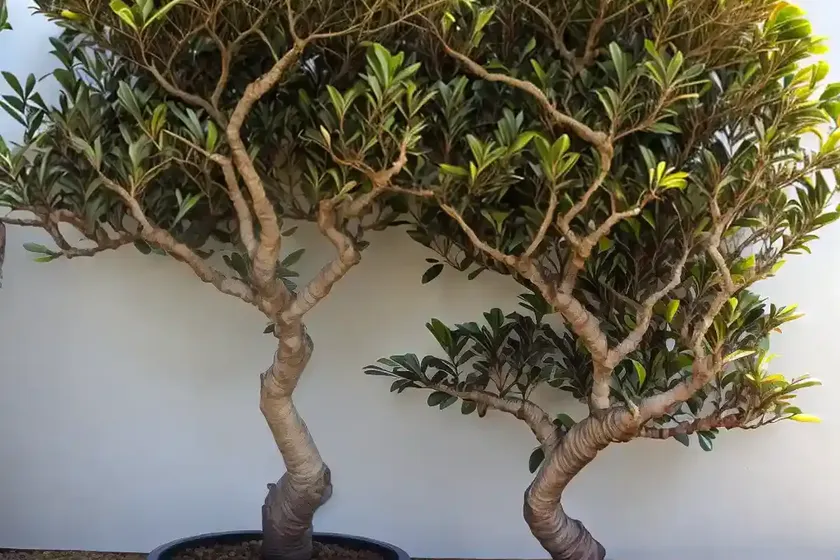
The Port Jackson Fig is classified as a tree due to its ability to reach substantial heights, often exceeding 10 meters in favorable environments. Its trunk is characterized by a distinctive pattern of buttressing roots and aerial roots, which contribute to its stability and nutrient uptake. As a mature tree, the Port Jackson Fig adds a majestic presence to any landscape.
Ficus Rubiginosa Growth
The growth pattern of Ficus Rubiginosa is noteworthy for its rapid development during the early years of establishment. Under optimal conditions, the tree exhibits vigorous growth, producing dense foliage and establishing a strong root system. Understanding its growth tendencies is crucial for effective cultivation and management.
Port Jackson Fig Care
Caring for the Port Jackson Fig involves understanding its specific requirements in terms of water, sunlight, soil, and pruning. By providing the appropriate care, individuals can ensure the health and vitality of this remarkable plant species.
Ficus Rubiginosa Cultivation
The cultivation of Ficus Rubiginosa encompasses various aspects, including propagation, container gardening, and landscape design. Understanding the best practices for its cultivation is essential for promoting its growth and maximizing its environmental and aesthetic benefits.
Port Jackson Fig Pruning
Pruning is an important aspect of maintaining the Port Jackson Fig’s health and aesthetic appeal. Proper pruning techniques can shape the tree, encourage strong growth, and mitigate the risk of diseases and pests.
Ficus Rubiginosa Propagation
The propagation of Ficus Rubiginosa involves several methods, including seed germination, stem cuttings, and air layering. Each technique offers unique advantages and challenges, affecting the success of propagating new trees.
Port Jackson Fig Varieties
While the Port Jackson Fig is primarily known for its species-level classification, variations in leaf size, color, and growth habit can lead to the development of distinct varieties. Understanding these variations can provide valuable insights into the plant’s adaptability and potential for specialized landscaping uses.
Ficus Rubiginosa Species
As a member of the Ficus genus, Ficus Rubiginosa shares common characteristics with other ficus species. Exploring these shared traits can offer a deeper understanding of the genus as a whole, shedding light on unique evolutionary adaptations and ecological roles.
Port Jackson Fig Leaves
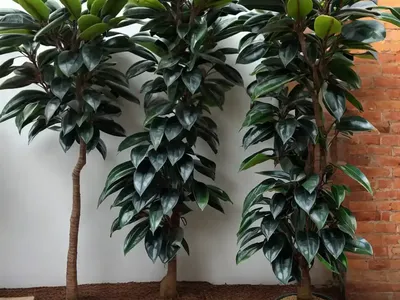
The leaves of the Port Jackson Fig are a defining feature, exhibiting glossy, leathery textures and elliptical shapes. Understanding the structure and function of these leaves is key to appreciating the plant’s ecological significance and its potential uses in traditional medicine and folklore.
Ficus Rubiginosa Roots
The roots of Ficus Rubiginosa play a crucial role in the plant’s stability, nutrient uptake, and ecological interactions. Exploring the unique adaptations of its root system can shed light on its ability to thrive in diverse habitats and create valuable ecological niches.
Key Takeaways: Port Jackson Fig (Ficus Rubiginosa)
Culture
The Port Jackson Fig holds symbolic and cultural significance in various societies and traditions. Its use in cultural practices, folklore, and rituals reflects its enduring appeal and importance in human history and customs.
Uses
The versatility of Ficus Rubiginosa extends to various uses, including its application in traditional medicine, its role in landscape design, and its potential as an ornamental plant in indoor and outdoor settings. Understanding its diverse uses is essential for maximizing its benefits.
Water
The water needs of the Port Jackson Fig vary according to its growth stage, environmental conditions, and soil characteristics. By providing appropriate water management, individuals can support the plant’s health and vitality.
Sunlight
Ficus Rubiginosa exhibits specific requirements for sunlight, with adequate light being essential for its growth and development. Understanding its sunlight needs is crucial for establishing it in optimal growing conditions.
Fertilizer
The application of fertilizer can significantly impact the growth and health of the Port Jackson Fig. By understanding the specific nutrient requirements of the plant, individuals can ensure its vigor and resilience.
Soil
The soil conditions required for Ficus Rubiginosa encompass factors such as drainage, pH, and nutrient content. Understanding these conditions is critical for creating a favorable growing environment for the plant.
Port Jackson Fig (Ficus Rubiginosa) Care
Pruning
Proper pruning techniques are essential for maintaining the health and aesthetic appeal of the Port Jackson Fig. Regular pruning can shape the tree, promote strong growth, and prevent the development of diseases or pests.
Propagation
Various methods, such as seed germination, stem cuttings, and air layering, can be employed to propagate Ficus Rubiginosa. By choosing the most suitable propagation method, individuals can establish new trees and expand their collection of this remarkable plant.
Container
Growing Ficus Rubiginosa in containers offers unique advantages and challenges. Understanding the specific requirements for container gardening is crucial for providing optimal growing conditions and ensuring the plant’s well-being.
Ecological Significance of Port Jackson Fig (Ficus Rubiginosa)
Wildlife Support
The Port Jackson Fig serves as a valuable resource for various wildlife species, providing food, shelter, and nesting sites. Understanding its ecological interactions with wildlife is essential for preserving biodiversity and promoting healthy ecosystems.
Medicinal Uses
In traditional medicine, various parts of the Port Jackson Fig have been utilized for their purported medicinal properties. Exploring these traditional uses can offer insights into potential pharmacological applications and the development of new therapeutic agents.
Environmental Benefits
Ficus Rubiginosa contributes to environmental sustainability through its carbon sequestration, air purification, and soil stabilization capabilities. Understanding its ecological benefits is essential for promoting its conservation and leveraging its contributions to the environment.
Ornamental Appeal
The aesthetic qualities of the Port Jackson Fig make it a popular choice for landscape design and urban greening. Understanding its ornamental appeal can guide its use in creating visually appealing and ecologically valuable green spaces.
Cultural Significance
Throughout history, the Port Jackson Fig has held cultural significance in various societies, with its symbolism, folklore, and traditional uses enriching human customs and traditions. Understanding its cultural importance is essential for preserving its heritage and promoting cultural diversity.
Common Diseases and Pests
Disease Diagnosis
The Port Jackson Fig is susceptible to various diseases, including fungal infections, leaf spot diseases, and root rots. Understanding the symptoms and diagnostic techniques for these diseases is essential for implementing effective disease management strategies.
Common Pests
Pests such as scale insects, mealybugs, and caterpillars can pose significant challenges to the health of Ficus Rubiginosa. Recognizing the signs of pest infestation and employing appropriate control measures is crucial for preventing damage and preserving the plant’s vitality.
Botanist’s Tips
Botanical experts offer valuable insights into the care, cultivation, and ecological roles of the Port Jackson Fig. Their tips can guide enthusiasts and horticulturists in effectively managing and appreciating this remarkable plant species.
Fun Facts and Trivia
- The Port Jackson Fig is named after Port Jackson, a natural harbor in New South Wales, Australia.
- In Aboriginal Australian culture, the Port Jackson Fig holds significance as a symbol of resilience and vitality.
- Ficus Rubiginosa is a favorite among birds, providing nesting sites and foraging opportunities.
- The roots of the Port Jackson Fig exhibit a distinctive pattern of buttressing, contributing to the stability and structural integrity of the tree.
Links to External Resources
For further information on the Port Jackson Fig (Ficus Rubiginosa) and related topics, the following resources are recommended:
– Royal Botanic Garden Sydney – Ficus rubiginosa
– Australian National Botanic Gardens – Ficus rubiginosa
– PlantNet – New South Wales Flora Online: Ficus rubiginosa
– Australian Plants Society NSW – Ficus rubiginosa
In conclusion, the Port Jackson Fig (Ficus Rubiginosa) represents a remarkable plant species with diverse ecological, cultural, and horticultural significance. By understanding its characteristics, care requirements, and ecological importance, individuals can cultivate a deeper appreciation for this fascinating plant and its unique contributions to the natural world. Whether as a symbol of cultural heritage, a source of ecological support, or an emblem of resilience, the Port Jackson Fig continues to captivate and inspire plant enthusiasts and nature lovers worldwide.