Populus Fremontii (Western Cottonwood)
Plants are a vital component of the ecosystem, and they significantly contribute to our environment and daily lives. In this blog post, we will delve into.
Introduction
Plants are a vital component of the ecosystem, and they significantly contribute to our environment and daily lives. In this blog post, we will delve into the characteristics, uses, and cultivation of the Populus fremontii, commonly known as the Western Cottonwood. As plant scientists, it is crucial for us to explore the various aspects of this species to understand its ecological importance and how it can be effectively utilized in different settings. Throughout this article, we will address the habitat, growth rate, propagation, and ecological significance of Populus fremontii, while also providing insights into its cultural and medicinal uses, conservation status, and landscaping potential.
What is Populus fremontii (Western Cottonwood)?
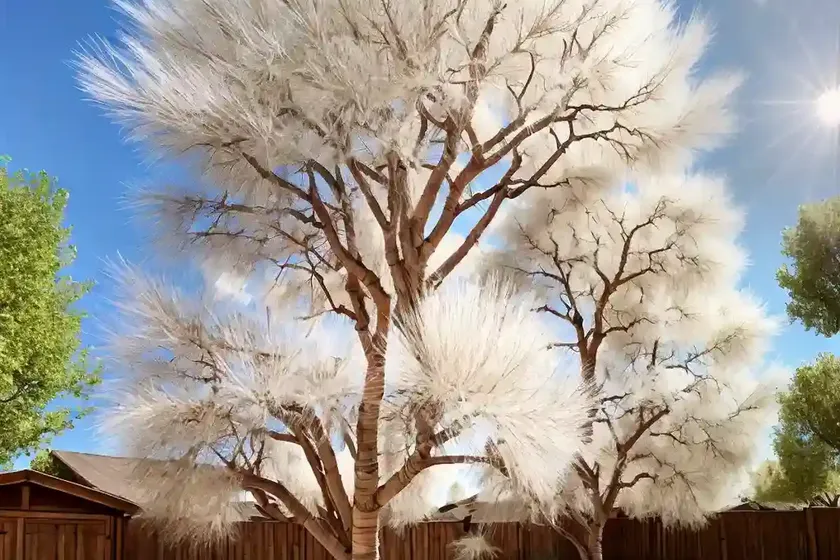
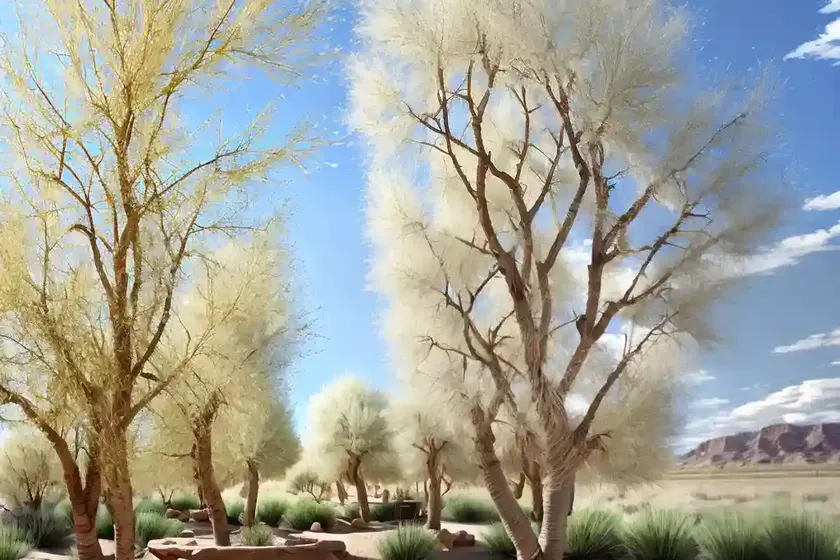
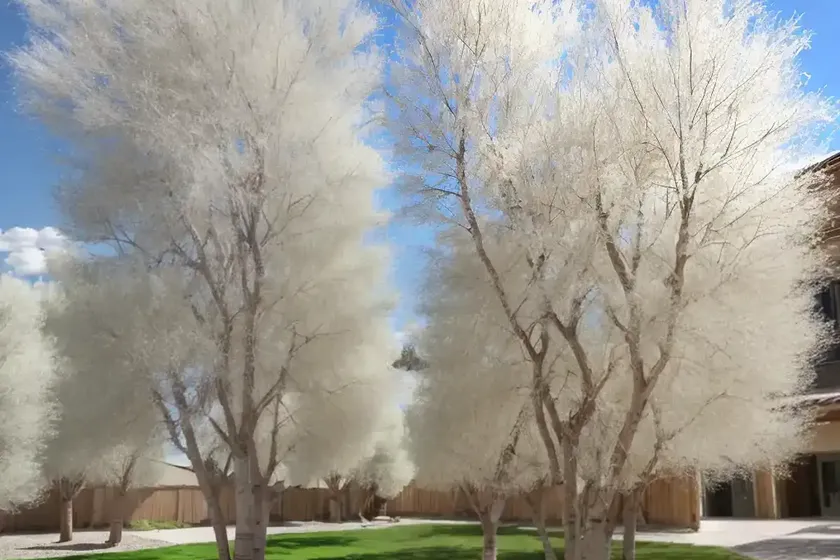
Populus fremontii, typically referred to as the Western Cottonwood, is a deciduous tree belonging to the genus Populus and the family Salicaceae. This species is native to western North America and is particularly prevalent in riparian zones, where its role in stabilizing riverbanks and providing habitat for diverse wildlife is noteworthy. The Western Cottonwood is characterized by its rapid growth, unique bark and leaf structures, and the cotton-like seeds it produces in the spring.
Key Takeaways – Populus fremontii (Western Cottonwood)
Populus fremontii Characteristics
- Rapid growth rate
- Distinctive bark with furrowed, gray-brown appearance
- Triangular to diamond-shaped leaves with toothed edges
- Cotton-like seeds dispersed by wind
Western Cottonwood Tree Facts
- Scientific Name: Populus fremontii
- Family: Salicaceae
- Native Range: Western North America
- Habitat: Riparian zones, riverbanks
- Uses: Ecological restoration, timber production, landscaping
Western Cottonwood Ecology
- Important for riverbank stabilization
- Serves as a wildlife habitat
- Provides shade and reduces erosion
Western Cottonwood Cultivation
- Propagation through seeds and cuttings
- Suitable for large-scale landscapes and restoration projects
Now that we have gained a basic understanding of Populus fremontii, we can explore its cultural uses, environmental requirements, common diseases and pests, and practical tips for maintaining and propagating this species.
Culture
Understanding the cultural significance of Populus fremontii is integral to appreciating its value and historical relevance. The indigenous peoples of North America have deep cultural connections to the Western Cottonwood, often utilizing various parts of the tree for medicinal, ceremonial, and practical purposes. The tree’s significance in local folklore and traditions highlights its enduring cultural importance.
Western Cottonwood Cultural Significance
- Utilized by indigenous communities for medicinal purposes
- Integral to tribal ceremonies and rituals
- Symbolizes resilience and adaptability in native cultures
By acknowledging the cultural importance of this species, we recognize the need to preserve and respect its ecological and spiritual value.
Uses
Populus fremontii offers a multitude of uses, ranging from ecological restoration and timber production to landscaping and wildlife habitat enhancement.
Western Cottonwood Tree Uses
- Ecological Restoration: Vital for riverbank stabilization and erosion control
- Timber Production: Valuable as a quality hardwood for various applications
- Landscaping: Adds aesthetic value to large landscapes and public spaces
- Wildlife Habitat: Provides shelter and food for diverse animal species
By leveraging the ecological benefits and practical uses of the Western Cottonwood, we can harness its potential to promote environmental sustainability and biodiversity conservation.
Water
The water requirements of Populus fremontii, like many riparian species, are substantial. Being a tree species commonly associated with riverbanks, Western Cottonwoods thrive in moist to wet soil conditions. Adequate water availability is crucial for the establishment and growth of these trees, especially during their initial stages.
Populus fremontii Water Requirements
- Moderate to high water needs
- Benefits from regular watering, particularly in dry climates
- Tolerant of periodic flooding, but also requires well-drained soil
By understanding the water needs of the Western Cottonwood, we can ensure its successful cultivation and long-term health in various environmental settings.
Sunlight
Similar to its water requirements, Populus fremontii has specific needs when it comes to sunlight. As a species that naturally occurs in riparian habitats, it exhibits a preference for full sun to partial shade, allowing for optimal growth and development.
Western Cottonwood Sunlight Requirements
- Thrives in full sun conditions
- Tolerates partial shade, especially in hot climates
- Requires adequate sunlight for photosynthesis and overall vitality
By providing the appropriate amount of sunlight, we can enhance the growth and vigor of Western Cottonwoods, contributing to their ecological and aesthetic benefits.
Fertilizer
When considering the fertilization of Populus fremontii, it is essential to evaluate the nutrient requirements of the species in relation to its natural habitat and growth characteristics. While Western Cottonwoods may benefit from fertilization in certain settings, particularly in degraded or nutrient-poor soils, an understanding of the tree’s nutrient uptake and the potential impact of fertilizers on surrounding ecosystems is crucial.
Western Cottonwood Fertilizer Considerations
- Effective in degraded or nutrient-deficient soils
- Application should be carefully managed to prevent runoff and environmental impact
- Organic fertilizers may be preferred, considering their long-term benefits and minimal ecological concerns
Applying fertilizers cautiously and responsibly, if necessary, can support the growth of Populus fremontii without causing harm to the broader ecosystem.
Soil
The soil requirements for Populus fremontii play a significant role in its successful cultivation and overall health. Being a riparian species, Western Cottonwoods are adapted to a range of soil types, provided there is sufficient moisture and good drainage.
Populus fremontii Soil Preferences
- Moist, well-drained soil is ideal
- Tolerant of a variety of soil textures, including clay, loam, and sand
- Prefers slightly acidic to neutral soil pH
Understanding the soil preferences of the Western Cottonwood enables us to select suitable planting sites and implement proper soil management practices for its cultivation.
Pruning
Pruning is an essential component of tree maintenance, and Populus fremontii is no exception. Proper pruning techniques can enhance the structural integrity and overall shape of Western Cottonwoods, contributing to their aesthetic appeal and long-term health.
Western Cottonwood Tree Pruning Techniques
- Conduct pruning during the dormant season to minimize stress on the tree
- Remove dead, diseased, or crossing branches
- Aim to maintain a strong central leader and well-spaced lateral branches
By practicing appropriate pruning methods, we can promote the health and longevity of Western Cottonwoods, while also mitigating potential hazards posed by overgrown or damaged branches.
Propagation
The propagation of Populus fremontii involves various methods, including seed sowing and vegetative propagation. Understanding these techniques is critical for the successful establishment and expansion of the species in different ecological settings.
Western Cottonwood Propagation
- Seed Propagation: Collect mature seeds and plant in moist, well-draining soil
- Vegetative Propagation: Utilize hardwood cuttings for clonal propagation
- Nursery Production: Consider containerized seedlings for efficient establishment in restoration projects
By employing appropriate propagation methods, we can enhance the availability of Populus fremontii for ecological restoration and sustainable utilization.
Container Popularity
While Populus fremontii is primarily known for its role in large-scale landscapes and riparian ecosystems, it also holds potential for container cultivation in certain settings, such as urban areas and confined spaces.
Container Cultivation of Western Cottonwood
- Large, deep containers are necessary to accommodate the tree’s vigorous root system
- Use well-draining potting mix and provide adequate moisture and sunlight
- Monitor the tree’s growth and consider long-term planting options as it reaches maturity
By recognizing the potential for container cultivation, we can expand the presence of Populus fremontii in urban landscapes and promote green infrastructure in built environments.
Common Diseases
Like all plant species, Populus fremontii is susceptible to certain diseases that can affect its health and vigor. By identifying and understanding these common diseases, we can implement preventive measures and timely treatments to mitigate their impact.
Western Cottonwood Tree Diseases
- Cytospora Canker: Leads to branch dieback and cankers on the trunk
- Septoria Leaf Spot: Causes leaf lesions and premature defoliation
- Rust Diseases: Result in leaf spots and defoliation, particularly in wet conditions
Recognizing the symptoms and appropriate management strategies for these diseases is essential for maintaining the health and vitality of Western Cottonwoods.
Disease Diagnosis
Early detection and accurate diagnosis of diseases are crucial for effective management and control. By understanding the symptoms and diagnostic characteristics of common diseases affecting Populus fremontii, we can promptly address any health issues and prevent the spread of diseases to other trees.
Diagnosing Diseases in Western Cottonwoods
- Cankers and lesions on branches and trunk may indicate Cytospora Canker
- Circular leaf spots with distinctive margins may suggest Septoria Leaf Spot
- Yellow to orange powdery growth on leaf undersides may signal Rust Diseases
By being vigilant in disease diagnosis, we can safeguard the health and vitality of Western Cottonwoods in diverse environments.
Common Pests
In addition to diseases, Populus fremontii may also encounter various pests that can impact its growth and overall well-being. Understanding these common pests and their lifecycles is essential for implementing appropriate pest management strategies.
Populus fremontii Common Pests
- Aphids: Feed on sap and excrete honeydew, leading to leaf distortion and sooty mold
- Cottonwood Borer: Larvae tunnel into the tree, causing structural damage and reduced vigor
- Poplar Leaf Beetle: Feeds on leaves, resulting in defoliation and aesthetic damage
By monitoring for common pests and applying targeted control measures when necessary, we can mitigate potential damage to Western Cottonwoods and maintain their ecological and aesthetic value.
Botanist’s Tips
As plant scientists, we continually seek to optimize the cultivation and utilization of plant species through research-based insights and practical tips. Here are some notable recommendations for the cultivation and management of Populus fremontii:
Western Cottonwood Botanist’s Tips
- Regularly monitor soil moisture to ensure adequate hydration for young trees
- Utilize mulch to conserve soil moisture and moderate temperature fluctuations
- Consider companion planting with native riparian species to enhance biodiversity and ecological resilience
- Evaluate site conditions and management strategies to maximize the ecological benefits of Western Cottonwoods in river restoration projects
- Collaborate with local communities and indigenous groups to integrate cultural values and traditional knowledge into conservation and utilization efforts
By integrating these botanist’s tips into our practices, we can enhance the ecological significance and sustainable utilization of Populus fremontii in diverse landscapes and ecosystems.
Fun Facts
As we conclude our exploration of Populus fremontii, here are some intriguing and lesser-known facts about the Western Cottonwood:
- The cotton-like seeds of Populus fremontii can travel long distances in the wind, contributing to the tree’s natural dispersal and regeneration.
- Western Cottonwoods are known for their striking autumn display, with vibrant yellow leaves that add seasonal beauty to riparian landscapes.
- The wood of Populus fremontii, appreciated for its light color and workability, has been historically used in the crafting of furniture, musical instruments, and woodenware.
By celebrating these fun facts, we deepen our appreciation for the ecological, cultural, and aesthetic significance of Populus fremontii in our natural surroundings.
Links to External Resources
For further exploration of Populus fremontii and related topics, here are some valuable external resources:
- USDA NRCS – Populus fremontii
- Forest Service – Western Cottonwood (Populus fremontii)
- Lady Bird Johnson Wildflower Center – Populus fremontii
- University of Florida IFAS Extension – Populus fremontii Fact Sheet
These resources offer comprehensive information on the ecological, cultural, and practical aspects of Populus fremontii, providing valuable insights for enthusiasts, professionals, and researchers alike.
In conclusion, the exploration of Populus fremontii, the Western Cottonwood, has allowed us to appreciate the ecological significance, cultural uses, and practical considerations associated with this remarkable tree species. By integrating our knowledge of its habitat, growth requirements, and ecological benefits, we can foster a deeper understanding of Populus fremontii and its role in sustaining healthy ecosystems and enriching our natural landscapes.
As we continue our journey as plant scientists, we recognize the importance of preserving and promoting the ecological and cultural heritage embodied by species such as Populus fremontii, while also seeking innovative approaches to leverage their potential for sustainable utilization and conservation.


