Populus Alba (White Poplar)
The White Poplar (Populus alba) is a captivating and versatile tree that has captured the attention of plant enthusiasts, landscapers, and researchers.
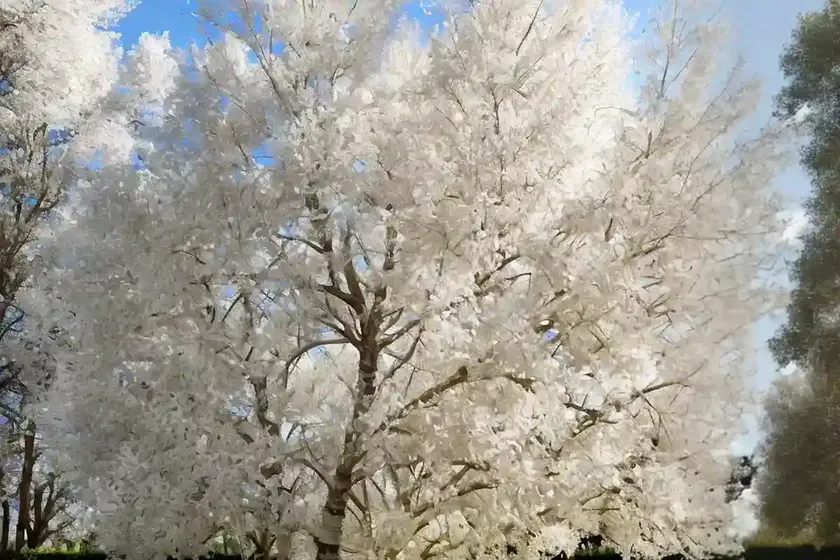
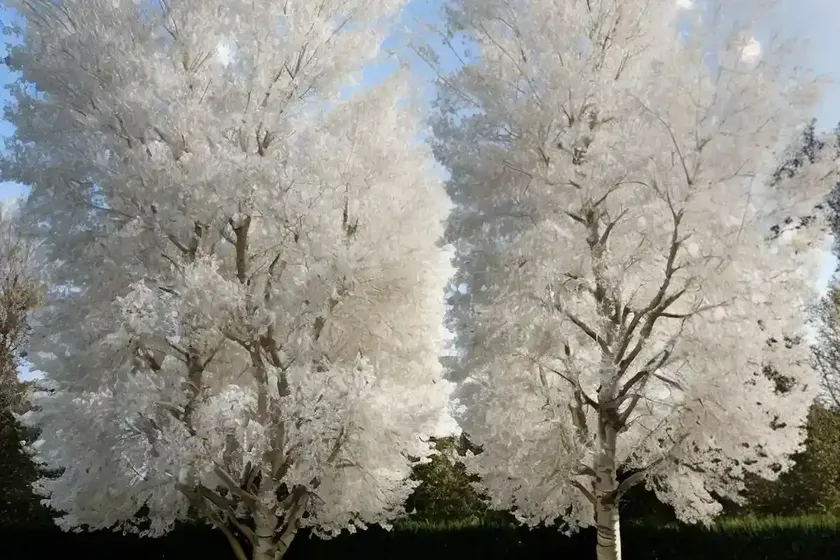
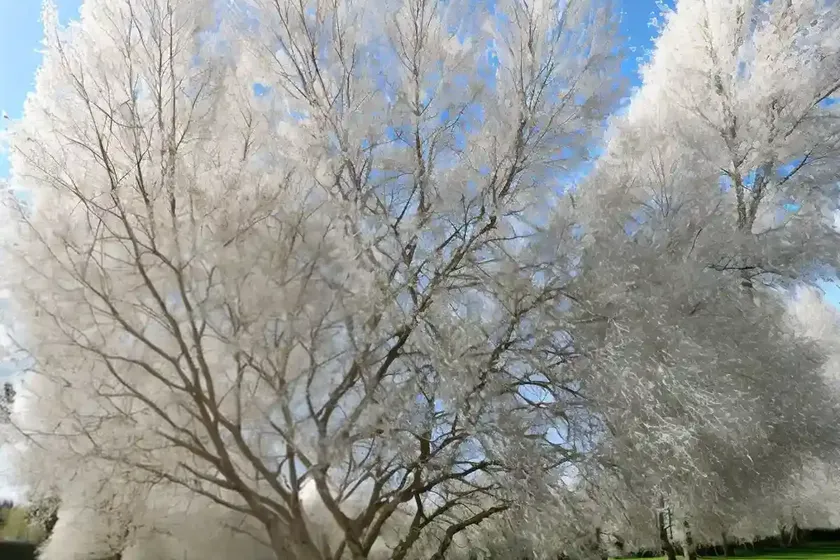
The White Poplar (Populus alba) is a captivating and versatile tree that has captured the attention of plant enthusiasts, landscapers, and researchers alike. In this comprehensive guide, we will delve into the intricate details of this captivating species, exploring its characteristics, habitat, uses, cultivation, care, and much more. Whether you are an avid gardener, a landscape designer, or simply intrigued by the natural world, this extensive overview aims to enrich your understanding of the White Poplar and provide valuable insights into its cultivation and maintenance.
What is Populus alba?
Populus alba, commonly known as the White Poplar, Silver-leaved Poplar, or Abele, is a deciduous tree belonging to the family Salicaceae. This species is native to a vast geographical range, spanning from North Africa, across Europe, to Central and Western Asia. Renowned for its distinctive white bark and shimmering foliage, the White Poplar is a popular choice for both ornamental and practical purposes.
Key Takeaways – Populus alba (White Poplar)
Before delving into the specifics of cultivating and caring for the White Poplar, let’s explore some key takeaways that encapsulate the essence of this remarkable tree.
- Scientific Name: Populus alba
- Common Names: White Poplar, Silver-leaved Poplar, Abele
- Family: Salicaceae
- Native Range: North Africa, Europe, Central and Western Asia
- Distinctive Features: White bark, shimmering foliage
- Uses: Ornamental tree, timber production, medicinal properties
- Environment: Tolerant of various soil types, moderate water requirements
- Potential Challenges: Susceptible to certain diseases and pests
Now that we have established an initial understanding of the White Poplar, let’s embark on a detailed exploration of its cultivation, care, and utilization in various contexts.
Cultivation of Populus alba
Understanding the cultural requirements of the White Poplar is essential for successfully establishing and nurturing these trees in a range of environments. From soil preferences to water requirements, each aspect of cultivation plays a crucial role in promoting the health and vitality of this species.
Water
Proper water management is vital for the optimal growth and development of the White Poplar. Despite its moderate water requirements, this species thrives in moist, well-drained soils. It is important to ensure adequate soil moisture, especially during the initial stages of establishment and during dry periods. However, it is equally important to avoid waterlogged conditions, as excessive moisture can lead to root rot and other detrimental issues.
Sunlight
The White Poplar exhibits a preference for full sun exposure, thriving in locations that receive abundant sunlight throughout the day. When selecting a site for planting, it is advisable to choose an area that offers ample sunlight, as this facilitates vigorous growth and the development of the tree’s characteristic foliage.
Fertilizer
When considering the fertilization of White Poplar trees, it is essential to assess the nutritional status of the soil. In nutrient-poor soils, supplementing with a balanced, slow-release fertilizer can support the growth and vitality of the trees. However, the application of fertilizer should be approached with caution, as excessive fertilization can lead to imbalances and potential harm to the trees.
Soil
The White Poplar demonstrates a degree of adaptability to different soil types, including sandy, loamy, and clay soils. However, it thrives in well-drained soils with a rich organic content. Prior to planting, it is beneficial to assess the soil structure and composition to ensure it meets the requirements for successful tree establishment and growth.
Pruning of Populus alba
Pruning plays a significant role in shaping the growth and overall form of White Poplar trees. While this species possesses a natural and elegant form, periodic pruning may be necessary to remove damaged or diseased branches, promote air circulation, and maintain a balanced canopy structure.
When pruning the White Poplar, it is important to consider the following:
- Pruning should ideally be carried out during the dormant season to minimize stress and facilitate efficient healing of pruning wounds.
- Remove any dead, broken, or diseased branches to enhance the tree’s overall health and appearance.
- Tailor pruning activities to maintain the desired shape and size of the tree, ensuring that the natural beauty of the species is preserved.
Propagation of Populus alba
Propagation methods for the White Poplar encompass both sexual and asexual techniques, providing flexibility in the generation of new trees. Whether through seeds, cuttings, or other means, propagating the White Poplar enables the expansion of its presence in various landscapes and ecosystems.
Common Propagation Methods:
- Seed Propagation: Sowing seeds in well-prepared seedbeds, incorporating appropriate moisture and temperature conditions to encourage germination and early growth.
- Cutting Propagation: Utilizing semi-hardwood or hardwood cuttings to propagate genetically identical clones of desired trees, enabling the conservation and dissemination of specific traits.
Successful propagation of White Poplar trees requires careful attention to detail and adherence to established protocols to maximize the viability of propagated specimens.
Uses of Populus alba
The White Poplar serves a myriad of purposes, ranging from ornamental landscaping to timber production and medicinal applications. Its versatile nature and ecological value underscore its significance in various contexts.
Ornamental Value
As an ornamental tree, the White Poplar enhances landscapes with its striking appearance, characterized by its gleaming white bark and shimmering foliage. Whether planted individually or in groups, these trees contribute to the aesthetic appeal of parks, gardens, and urban spaces, imparting a sense of elegance and tranquility.
Timber Production
The timber of the White Poplar is prized for its versatility and utility in woodworking and other industries. With a fine texture and relatively light weight, the wood of the White Poplar finds application in furniture construction, cabinetry, paneling, and other woodworking endeavors.
Medicinal Properties
Certain components of the White Poplar, including the bark and leaves, have been historically utilized in traditional medicine for their potential therapeutic effects. While further research is warranted to substantiate these claims, the species has garnered interest for its purported medicinal properties.
Environmental Benefits
The White Poplar is recognized for its ecological contributions, such as soil stabilization, erosion control, and habitat provision for wildlife. Its adaptability to various environmental conditions renders it a valuable asset in ecological restoration and conservation initiatives.
Common Diseases of Populus alba
Despite its resilience, the White Poplar is susceptible to certain diseases that can compromise its vigor and overall health. Recognizing and addressing these ailments is pivotal for safeguarding the well-being of the trees and preventing the spread of potential pathogens.
Disease Diagnosis:
-
Leaf Spot Diseases: These ailments manifest as discolored spots or lesions on the foliage, often caused by fungal pathogens such as Marssonina and Septoria. Proper sanitation and fungicidal treatments may be employed to manage these diseases effectively.
-
Canker Diseases: Canker formations on the branches and trunk can result from infection by various pathogens, leading to dieback and structural weaknesses. Pruning infected areas and promoting overall tree vigor are instrumental in managing canker diseases.
-
Rust Diseases: White Poplar trees may fall prey to rust infections, characterized by the development of powdery pustules on the leaves and stems. Implementing appropriate fungicidal controls and maintaining optimal growing conditions can mitigate the impact of rust diseases.
-
Root Rot: Excessive soil moisture and poorly drained conditions can precipitate the onset of root rot, posing a significant threat to the establishment and stability of White Poplar trees. Ensuring well-drained soil and proper irrigation practices is crucial for preventing root rot.
Common Pests Affecting Populus alba
In addition to diseases, the White Poplar is susceptible to infestations by various pests, which can compromise the health and aesthetics of the trees. Implementing proactive pest management strategies is essential for preserving the vitality and longevity of White Poplar populations.
Common Pests:
-
Aphids: These small, sap-sucking insects can congregate on the foliage of White Poplar trees, causing stunted growth and distortion of leaves. Natural predators and targeted insecticidal treatments can help control aphid populations effectively.
-
Poplar Twig Gall Mite: Infestations by gall mites can result in the formation of abnormal growths on the twigs and branches of White Poplar trees, potentially impeding the circulation of nutrients and water. Pruning and sanitation measures can aid in managing gall mite infestations.
-
Poplar and Willow Borer: The larvae of these wood-boring beetles can burrow into the trunks and branches of White Poplar trees, causing structural damage and weakening the affected areas. Monitoring for early signs of infestation and implementing appropriate control measures are imperative for mitigating borer-related damage.
-
Leaf Beetles: Certain species of leaf beetles can devour the foliage of White Poplar trees, defoliating the trees and compromising their overall vitality. Applying targeted insecticides and promoting natural predators can help minimize leaf beetle infestations.
Botanist’s Tips for White Poplar Care
To ensure the optimal growth and well-being of White Poplar trees, incorporating botanist-endorsed practices and techniques can significantly enhance their resilience and aesthetic appeal. Drawing upon expert insights from botanists and horticultural specialists, the following tips can empower enthusiasts and practitioners to cultivate and maintain thriving White Poplar populations.
Botanist-Endorsed Care Tips:
-
Monitor Soil Moisture: Regularly assess the moisture levels of the soil to ascertain optimal growing conditions for White Poplar trees, adjusting irrigation practices as needed to maintain adequate soil moisture without predisposing the trees to waterlogged conditions.
-
Implement Integrated Pest Management (IPM): Embrace an integrated approach to pest management, encompassing cultural, biological, and chemical controls as warranted, to address pest issues while minimizing ecological impact.
-
Promote Air Circulation: Encourage adequate air circulation within the canopy of White Poplar trees by selectively pruning branches, minimizing the risk of fungal diseases and optimizing overall tree health.
-
Mulch Application: Apply an organic mulch layer around the base of White Poplar trees to conserve soil moisture, suppress weed growth, and foster a favorable microclimate for root development.
Fun Facts about Populus alba
Unearthing intriguing and lesser-known facets of the White Poplar enriches our appreciation for this remarkable species, unveiling a tapestry of captivating details that punctuate its ecological significance and cultural relevance. Delight in these evocative nuggets of information that illuminate the allure of the White Poplar.
Intriguing Tidbits:
- The bark of the White Poplar was historically employed for various purposes, including crafting shields and making writing tablets.
- White Poplar leaves possess a distinctive tremulous quality, fluttering in even the gentlest of breezes, culminating in a mesmerizing display.
- White Poplar trees have been revered for their symbolic connotations, often associated with characteristics such as resilience and adaptability in diverse cultural contexts.
Links to External Resources
To delve deeper into the realm of White Poplar cultivation, care, and ecological significance, explore the following external resources that furnish comprehensive insights and practical guidance on the species.
- USDA Forest Service – Silver Poplar
- Royal Horticultural Society – Populus alba
- Missouri Botanical Garden – Populus alba
In conclusion, the White Poplar (Populus alba) stands as a testament to nature’s boundless artistry and resilience, enriching landscapes and ecosystems with its resplendent presence. By embracing the insights and best practices presented in this guide, enthusiasts and practitioners can nurture thriving White Poplar populations, perpetuating the legacy of this extraordinary species for generations to come.


