Polypodium Vulgare (Common Polypody)
Polypodium vulgare, commonly known as Common Polypody, is a fascinating and versatile fern species that has captivated plant enthusiasts and scientists.
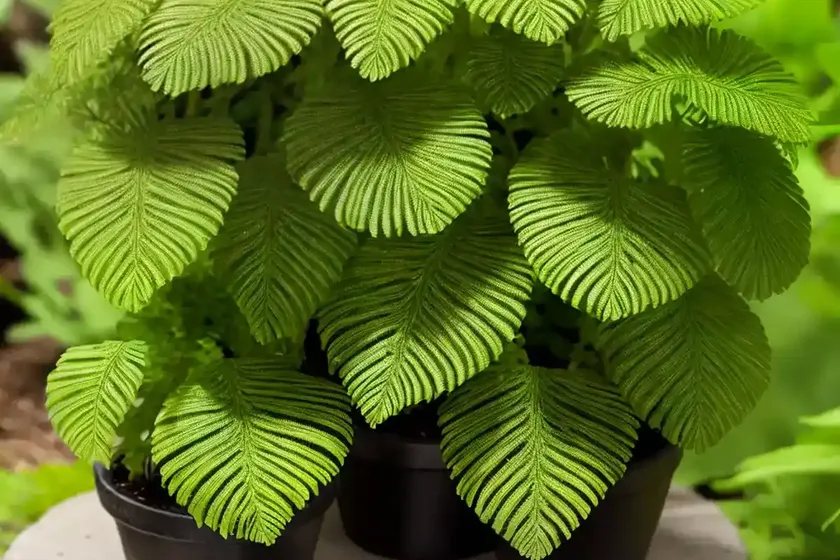
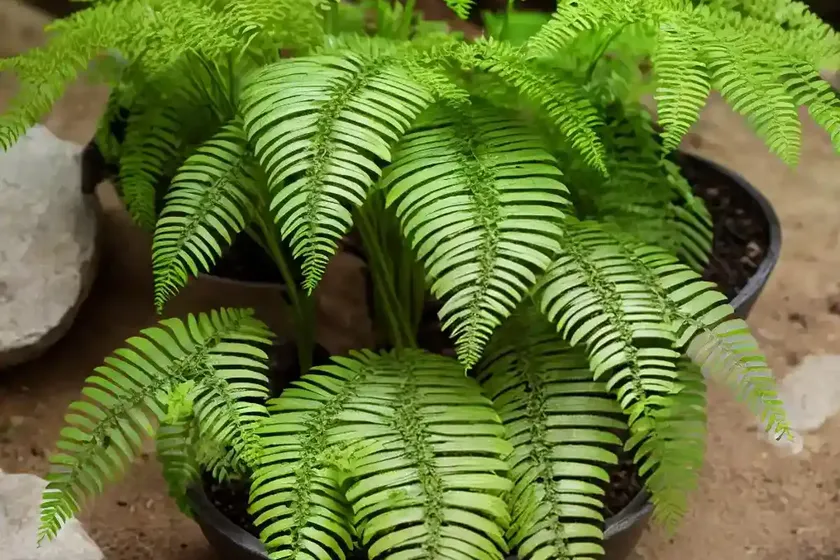
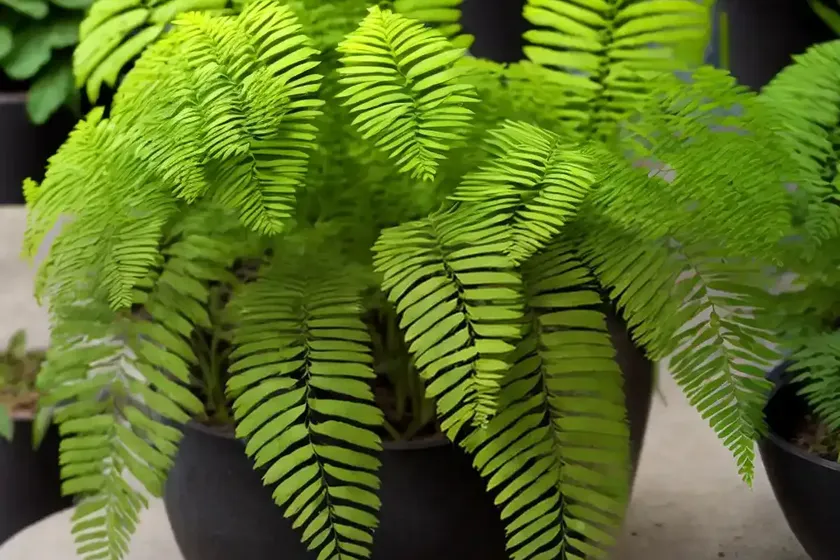
Polypodium vulgare, commonly known as Common Polypody, is a fascinating and versatile fern species that has captivated plant enthusiasts and scientists alike. With its unique morphological characteristics, wide ecological distribution, and diverse cultural uses, Polypodium vulgare stands out as an intriguing subject of study and a valuable addition to various environments, from natural habitats to indoor gardens.
In this comprehensive guide, we will delve into the various aspects of Polypodium vulgare, including its description, habitat, propagation, care requirements, landscape uses, and ecological significance. Whether you are a seasoned botanist, a dedicated gardener, or simply an admirer of nature’s wonders, this article aims to provide you with a wealth of knowledge about Polypodium vulgare and equip you with the essential insights to cultivate and appreciate this remarkable fern species.
What is Polypodium Vulgare?
Polypodium Vulgare Description
Polypodium vulgare is a species of fern belonging to the Polypodiaceae family. It is characterized by its distinctive fronds, which feature pinnately lobed leaflets and a unique growth habit. The plant typically forms dense clusters of fronds that arise from a creeping rhizome, creating an attractive display of foliage.
Common Polypody Plant
The Common Polypody plant, as the name suggests, is a widely distributed and commonly encountered fern species, known for its adaptability and resilience in various habitats. It is a terrestrial fern that can thrive in diverse environmental conditions, making it a versatile addition to both natural landscapes and cultivated gardens.
Polypodium Vulgare Facts
- Scientific Name: Polypodium vulgare
- Common Name: Common Polypody
- Family: Polypodiaceae
- Native Range: Europe, North America, Asia, Africa
- Growth Habit: Perennial, Evergreen
- Foliage: Pinnately lobed fronds
- Habitat: Woodlands, Rocky slopes, Moist environments
Key Takeaways – Polypodium Vulgare (Common Polypody)
Before we delve into the specific aspects of Polypodium vulgare, let’s outline the key takeaways that will guide our exploration of this fascinating fern species.
Culture
Uses: Common Polypody has a rich history of cultural uses, ranging from traditional medicinal applications to ornamental landscaping.
Water: Adequate moisture is important for the healthy growth of Polypodium vulgare, particularly in its natural woodland habitat.
Sunlight: While Common Polypody can tolerate varying light conditions, it often thrives in dappled or partial shade.
Fertilizer: Moderate fertilization may benefit the growth of Polypodium vulgare, especially in cultivation settings.
Soil: Well-draining, humus-rich soil is ideal for Common Polypody, reflecting its natural habitat preferences.
Pruning: Minimal pruning may be necessary for maintaining the appearance and health of Polypodium vulgare fronds.
Propagation: Propagation methods, such as spore propagation and division of rhizomes, can be employed to expand Common Polypody populations.
Container: Common Polypody can be successfully cultivated in containers, adding greenery to indoor and outdoor spaces.
Popularity: The adaptable nature and ornamental appeal of Polypodium vulgare contribute to its popularity in horticulture and landscaping.
Common Diseases
Understanding the potential diseases that can affect Polypodium vulgare is crucial for implementing effective management strategies.
Disease Diagnosis: Identifying signs of fungal diseases, such as leaf spots or blights, is essential for timely intervention.
Common Pests
Despite its resilience, Common Polypody may be susceptible to certain pests that require vigilant monitoring and control measures.
Pest Control: Managing pests, such as mites or scale insects, can help preserve the health and vigor of Polypodium vulgare.
Botanist’s Tips
Incorporating expert insights and best practices can optimize the cultivation and care of Polypodium vulgare.
Fun Facts: Exploring intriguing and lesser-known facts about Common Polypody can deepen appreciation for this fascinating fern species.
Links to External Resources: Accessing reliable sources and additional references can enrich the understanding of Polypodium vulgare.
Now, let’s embark on an in-depth exploration of the various facets of Polypodium vulgare, offering valuable insights and practical guidance for enthusiasts and professionals alike.
Polypodium Vulgare Habitat
Polypodium Vulgare Native Distribution
Polypodium vulgare has a broad native distribution, spanning across diverse regions of the world. It is indigenous to many parts of Europe, where it thrives in woodland habitats, rocky slopes, and other moist environments. The fern’s presence extends to North America, Asia, and Africa, reflecting its adaptability to various climates and ecosystems.
Common Polypody Plant Natural Habitats
In its natural habitats, Common Polypody can be found flourishing in a range of environments, from temperate woodlands to coastal cliffs. Its ability to colonize rocky substrates and thrive in shaded settings highlights its ecological versatility and resilience.
Polypodium Vulgare Wildlife Habitat
The fern’s lush foliage and rhizomatous growth habit provide excellent cover and nesting sites for small wildlife species, contributing to its ecological role as a habitat provider. By creating favorable microenvironments within its dense fronds, Polypodium vulgare supports biodiversity and ecological interactions.
Common Polypody Plant Ecological Importance
As an integral component of woodland ecosystems and natural habitats, Common Polypody plays a significant role in stabilizing soil, moderating microclimates, and contributing to the overall biodiversity of its environment. Its presence in various ecological communities underscores its ecological importance and value in promoting ecosystem resilience.
Common Polypody Plant Care
Polypodium Vulgare Growth Habits
Understanding the growth habits of Polypodium vulgare is essential for providing optimal care and creating suitable growing conditions for this fern species.
Common Polypody Plant Characteristics
The unique characteristics of Common Polypody, including its frond morphology, rhizomatous growth, and evergreen foliage, contribute to its ornamental appeal and adaptive traits.
Polypodium Vulgare Outdoor Cultivation
In outdoor settings, Common Polypody can be cultivated in woodland gardens, shaded borders, and rockeries, adding a touch of natural elegance to diverse landscapes.
Common Polypody Plant Indoor Care
The indoor care of Polypodium vulgare involves creating a suitable environment that mimics its natural habitat and meets its specific needs for light, moisture, and humidity.
Polypodium Vulgare Soil Requirements
The soil requirements of Common Polypody are an important consideration for ensuring its vigor and vitality in both natural and cultivated environments.
Common Polypody Plant Watering Needs
Appropriate watering practices are crucial for maintaining the health and vigor of Polypodium vulgare, balancing moisture requirements with environmental conditions.
Polypodium Vulgare Light Preferences
Understanding the light preferences of Common Polypody aids in selecting suitable planting locations and optimizing its growth and development.
Common Polypody Plant Pruning Techniques
Pruning techniques for Polypodium vulgare are primarily aimed at maintaining the aesthetic appeal and health of its foliage, while respecting its natural growth habits.
Polypodium Vulgare Pest Control
Managing potential pests that can affect Common Polypody involves implementing preventive measures and targeted interventions to safeguard its well-being.
Common Polypody Plant Diseases
Identifying common diseases that may impact Polypodium vulgare is crucial for implementing effective disease management strategies and preserving its vitality.
Polypodium Vulgare Water Requirements
Understanding the water requirements of Polypodium vulgare is essential for providing the appropriate moisture levels that support its growth and resilience.
Common Polypody Plant Humidity Needs
In indoor settings, addressing the humidity needs of Common Polypody contributes to its overall well-being and helps create a favorable microclimate for the fern.
Polypodium Vulgare Container Gardening Tips
Cultivating Common Polypody in containers requires specific considerations to ensure its well-being and ornamental value in confined spaces.
Common Polypody Plant Indoor Decoration Ideas
Incorporating Common Polypody into indoor décor arrangements offers a touch of natural elegance and greenery, enhancing interior spaces with its lush foliage.
Polypodium Vulgare Companion Plants
Selecting suitable companion plants that complement the characteristics and growing requirements of Polypodium vulgare enhances the visual appeal and ecological balance of planting schemes.
Common Polypody Plant Landscape Design
Integrating Common Polypody into landscape designs offers opportunities to create captivating compositions and enrich naturalistic settings with its graceful foliage.
Polypodium Vulgare Fern Garden Ideas
Incorporating Polypodium vulgare into fern gardens allows for the creation of enchanting displays of fern diversity and lush greenery in shaded settings.
Common Polypody Plant Rock Garden
Common Polypody’s adaptability to rocky substrates makes it an excellent addition to rock gardens, softening harsh edges and contributing to the textural diversity of the landscape.
Polypodium Vulgare Woodland Garden
The presence of Polypodium vulgare in woodland gardens enriches the understory with its elegant fronds and contributes to the enchanting ambiance of shaded settings.
Common Polypody Plant Border Planting
Utilizing Common Polypody along borders and edges of garden beds adds a touch of natural charm and reinforces the visual structure of planting arrangements.
Now that we have established the foundational knowledge of Polypodium vulgare and its care requirements, let’s delve deeper into each aspect to gain a comprehensive understanding of this captivating fern species.
Polypodium Vulgare (Common Polypody): A Comprehensive Guide
Polypodium vulgare, commonly known as Common Polypody, is a fascinating and versatile fern species that has captivated plant enthusiasts and scientists alike. With its unique morphological characteristics, wide ecological distribution, and diverse cultural uses, Polypodium vulgare stands out as an intriguing subject of study and a valuable addition to various environments, from natural habitats to indoor gardens.
In this comprehensive guide, we will delve into the various aspects of Polypodium vulgare, including its description, habitat, propagation, care requirements, landscape uses, and ecological significance. Whether you are a seasoned botanist, a dedicated gardener, or simply an admirer of nature’s wonders, this article aims to provide you with a wealth of knowledge about Polypodium vulgare and equip you with the essential insights to cultivate and appreciate this remarkable fern species.
What is Polypodium Vulgare?
Polypodium Vulgare Description
Polypodium vulgare is a species of fern belonging to the Polypodiaceae family. It is characterized by its distinctive fronds, which feature pinnately lobed leaflets and a unique growth habit. The plant typically forms dense clusters of fronds that arise from a creeping rhizome, creating an attractive display of foliage.
Common Polypody Plant
The Common Polypody plant, as the name suggests, is a widely distributed and commonly encountered fern species, known for its adaptability and resilience in various habitats. It is a terrestrial fern that can thrive in diverse environmental conditions, making it a versatile addition to both natural landscapes and cultivated gardens.
Polypodium Vulgare Facts
- Scientific Name: Polypodium vulgare
- Common Name: Common Polypody
- Family: Polypodiaceae
- Native Range: Europe, North America, Asia, Africa
- Growth Habit: Perennial, Evergreen
- Foliage: Pinnately lobed fronds
- Habitat: Woodlands, Rocky slopes, Moist environments
Key Takeaways – Polypodium Vulgare (Common Polypody)
Before we delve into the specific aspects of Polypodium vulgare, let’s outline the key takeaways that will guide our exploration of this fascinating fern species.
Culture
Uses: Common Polypody has a rich history of cultural uses, ranging from traditional medicinal applications to ornamental landscaping.
Water: Adequate moisture is important for the healthy growth of Polypodium vulgare, particularly in its natural woodland habitat.
Sunlight: While Common Polypody can tolerate varying light conditions, it often thrives in dappled or partial shade.
Fertilizer: Moderate fertilization may benefit the growth of Polypodium vulgare, especially in cultivation settings.
Soil: Well-draining, humus-rich soil is ideal for Common Polypody, reflecting its natural habitat preferences.
Pruning: Minimal pruning may be necessary for maintaining the appearance and health of Polypodium vulgare fronds.
Propagation: Propagation methods, such as spore propagation and division of rhizomes, can be employed to expand Common Polypody populations.
Container: Common Polypody can be successfully cultivated in containers, adding greenery to indoor and outdoor spaces.
Popularity: The adaptable nature and ornamental appeal of Polypodium vulgare contribute to its popularity in horticulture and landscaping.
Common Diseases
Understanding the potential diseases that can affect Polypodium vulgare is crucial for implementing effective management strategies.
Disease Diagnosis: Identifying signs of fungal diseases, such as leaf spots or blights, is essential for timely intervention.
Common Pests
Despite its resilience, Common Polypody may be susceptible to certain pests that require vigilant monitoring and control measures.
Pest Control: Managing pests, such as mites or scale insects, can help preserve the health and vigor of Polypodium vulgare.
Botanist’s Tips
Incorporating expert insights and best practices can optimize the cultivation and care of Polypodium vulgare.
Fun Facts: Exploring intriguing and lesser-known facts about Common Polypody can deepen appreciation for this fascinating fern species.
Links to External Resources: Accessing reliable sources and additional references can enrich the understanding of Polypodium vulgare.
Now, let’s embark on an in-depth exploration of the various facets of Polypodium vulgare, offering valuable insights and practical guidance for enthusiasts and professionals alike.
Polypodium Vulgare Habitat
Polypodium Vulgare Native Distribution
Polypodium vulgare has a broad native distribution, spanning across diverse regions of the world. It is indigenous to many parts of Europe, where it thrives in woodland habitats, rocky slopes, and other moist environments. The fern’s presence extends to North America, Asia, and Africa, reflecting its adaptability to various climates and ecosystems.
Common Polypody Plant Natural Habitats
In its natural habitats, Common Polypody can be found flourishing in a range of environments, from temperate woodlands to coastal cliffs. Its ability to colonize rocky substrates and thrive in shaded settings highlights its ecological versatility and resilience.
Polypodium Vulgare Wildlife Habitat
The fern’s lush foliage and rhizomatous growth habit provide excellent cover and nesting sites for small wildlife species, contributing to its ecological role as a habitat provider. By creating favorable microenvironments within its dense fronds, Polypodium vulgare supports biodiversity and ecological interactions.
Common Polypody Plant Ecological Importance
As an integral component of woodland ecosystems and natural habitats, Common Polypody plays a significant role in stabilizing soil, moderating microclimates, and contributing to the overall biodiversity of its environment. Its presence in various ecological communities underscores its ecological importance and value in promoting ecosystem resilience.
Common Polypody Plant Care
Polypodium Vulgare Growth Habits
Understanding the growth habits of Polypodium vulgare is essential for providing optimal care and creating suitable growing conditions for this fern species.
Common Polypody Plant Characteristics
The unique characteristics of Common Polypody, including its frond morphology, rhizomatous growth, and evergreen foliage, contribute to its ornamental appeal and adaptive traits.
Polypodium Vulgare Outdoor Cultivation
In outdoor settings, Common Polypody can be cultivated in woodland gardens, shaded borders, and rockeries, adding a touch of natural elegance to diverse landscapes.
Common Polypody Plant Indoor Care
The indoor care of Polypodium vulgare involves creating a suitable environment that mimics its natural habitat and meets its specific needs for light, moisture, and humidity.
Polypodium Vulgare Soil Requirements
The soil requirements of Common Polypody are an important consideration for ensuring its vigor and vitality in both natural and cultivated environments.
Common Polypody Plant Watering Needs
Appropriate watering practices are crucial for maintaining the health and vigor of Polypodium vulgare, balancing moisture requirements with environmental conditions.
Polypodium Vulgare Light Preferences
Understanding the light preferences of Common Polypody aids in selecting suitable planting locations and optimizing its growth and development.
Common Polypody Plant Pruning Techniques
Pruning techniques for Polypodium vulgare are primarily aimed at maintaining the aesthetic appeal and health of its foliage, while respecting its natural growth habits.
Polypodium Vulgare Pest Control
Managing potential pests that can affect Common Polypody involves implementing preventive measures and targeted interventions to safeguard its well-being.
Common Polypody Plant Diseases
Identifying common diseases that may impact Polypodium vulgare is crucial for implementing effective disease management strategies and preserving its vitality.
Polypodium Vulgare Water Requirements
Understanding the water requirements of Polypodium vulgare is essential for providing the appropriate moisture levels that support its growth and resilience.
Common Polypody Plant Humidity Needs
In indoor settings, addressing the humidity needs of Common Polypody contributes to its overall well-being and helps create a favorable microclimate for the fern.
Polypodium Vulgare Container Gardening Tips
Cultivating Common Polypody in containers requires specific considerations to ensure its well-being and ornamental value in confined spaces.
Common Polypody Plant Indoor Decoration Ideas
Incorporating Common Polypody into indoor décor arrangements offers a touch of natural elegance and greenery, enhancing interior spaces with its lush foliage.
Polypodium Vulgare Companion Plants
Selecting suitable companion plants that complement the characteristics and growing requirements of Polypodium vulgare enhances the visual appeal and ecological balance of planting schemes.
Common Polypody Plant Landscape Design
Integrating Common Polypody into landscape designs offers opportunities to create captivating compositions and enrich naturalistic settings with its graceful foliage.
Polypodium Vulgare Fern Garden Ideas
Incorporating Polypodium vulgare into fern gardens allows for the creation of enchanting displays of fern diversity and lush greenery in shaded settings.
Common Polypody Plant Rock Garden
Common Polypody’s adaptability to rocky substrates makes it an excellent addition to rock gardens, softening harsh edges and contributing to the textural diversity of the landscape.
Polypodium Vulgare Woodland Garden
The presence of Polypodium vulgare in woodland gardens enriches the understory with its elegant fronds and contributes to the enchanting ambiance of shaded settings.
Common Polypody Plant Border Planting
Utilizing Common Polypody along borders and edges of garden beds adds a touch of natural charm and reinforces the visual structure of planting arrangements.
Now that we have established the foundational knowledge of Polypodium vulgare and its


