Polypodium Virginianum (Rock Polypody)
Polypodium virginianum, commonly known as Rock Polypody, is a perennial fern native to the Eastern United States. It is a member of the Polypodiaceae.
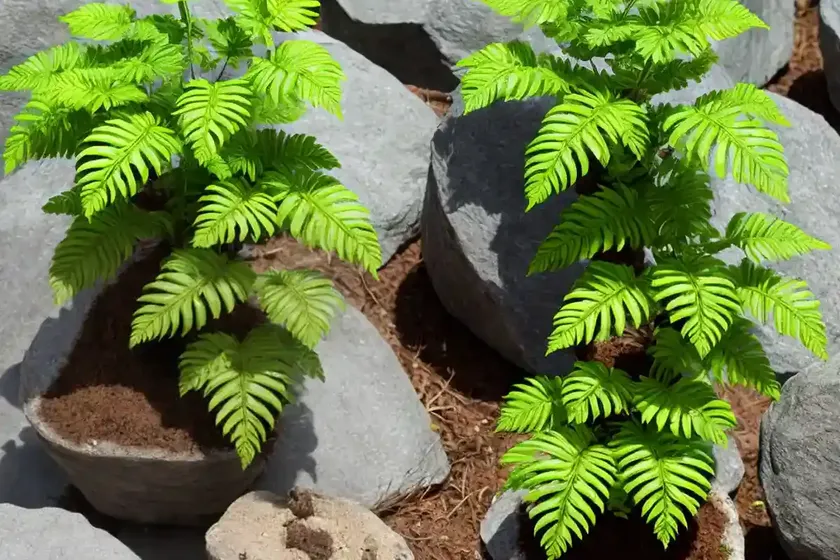
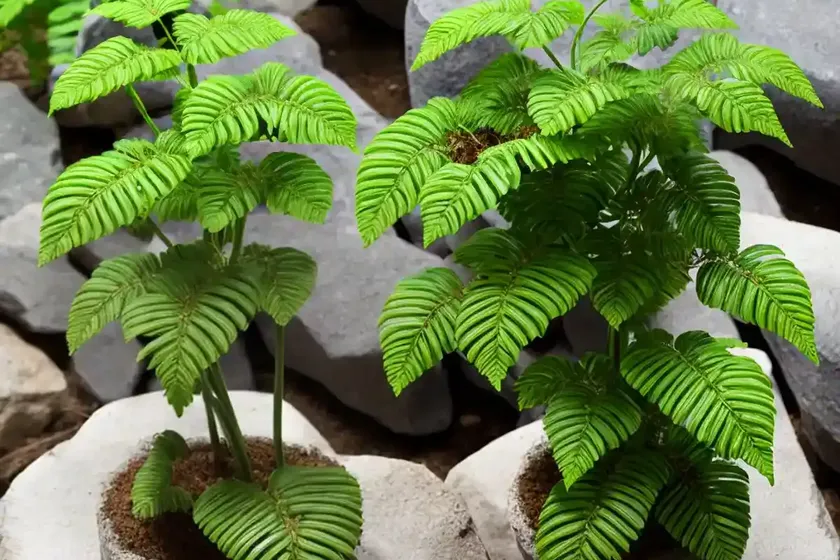
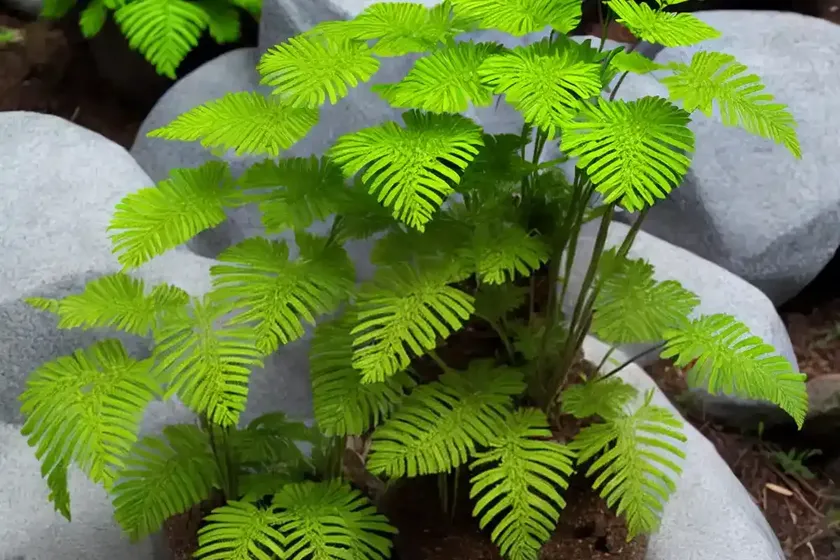
Introduction to Polypodium Virginianum
Polypodium virginianum, commonly known as Rock Polypody, is a perennial fern native to the Eastern United States. It is a member of the Polypodiaceae family and thrives in a variety of habitats, from rocky slopes to moist woodlands. The unique resilience and adaptability of this plant make it a popular choice for landscaping, container gardening, and as a decorative addition to indoor spaces.
In this comprehensive guide, we will explore the various aspects of Polypodium virginianum, including its cultural preferences, growth habits, uses, and maintenance requirements. Whether you are a seasoned gardener or a budding plant enthusiast, this deep dive into the world of Rock Polypody will provide valuable insights and practical tips for cultivating and caring for this intriguing fern species.
Key Takeaways – Polypodium Virginianum (Rock Polypody)
Before delving into the specific care and cultivation practices for Polypodium virginianum, let’s outline some key takeaways that encapsulate the essence of this remarkable plant:
-
Cultural Preferences: Polypodium virginianum thrives in moist, well-drained soil and prefers dappled shade or filtered sunlight. It is essential to maintain consistent moisture levels without waterlogging the roots.
-
Versatile Uses: This fern species is employed for a variety of purposes, including landscaping, vertical gardens, container gardening, and as an ornamental addition to naturalistic garden designs.
-
Low Maintenance Requirements: Rock Polypody is relatively low-maintenance, requiring minimal pruning and upkeep. It is an excellent choice for novice gardeners seeking an attractive and resilient plant species.
-
Natural Habitat: With its native range encompassing the Eastern United States, Polypodium virginianum is well-suited to woodland environments, rocky outcrops, and other outdoor settings characterized by partial shade and adequate moisture.
-
Adaptability to Containers: Due to its compact growth habit and ornamental foliage, Rock Polypody is ideal for container planting, both indoors and outdoors.
Now that we have established a foundational understanding of Polypodium virginianum, let’s delve into the specifics of its care and cultivation, exploring each aspect in detail.
Culture
Understanding the cultural preferences of Polypodium virginianum is crucial for ensuring its optimal growth and vitality. From soil and water requirements to sunlight preferences and fertilizer needs, each aspect contributes to the overall well-being of this resilient fern species.
Uses
Polypodium virginianum has a multitude of uses, both in naturalistic environments and designed landscapes. Its versatility and adaptability make it a valuable addition to various gardening and landscaping contexts:
-
Landscaping: The low-maintenance nature and ornamental foliage of Rock Polypody make it a favored choice for woodland gardens, rock gardens, and naturalistic landscapes. Its ability to thrive in shaded areas adds dimension and visual interest to outdoor spaces.
-
Container Gardening: The compact growth habit and lush foliage of Polypodium virginianum make it well-suited for container planting. Whether displayed on patios, balconies, or indoors, this fern enhances the aesthetic appeal of any space.
-
Vertical Gardens: With its ability to thrive in shaded and semi-shaded areas, Rock Polypody is an excellent candidate for vertical garden designs. Its vibrant green fronds add a touch of elegance to vertical spaces, creating a lush and visually captivating display.
-
Ornamental Accent: The graceful, arching fronds of Polypodium virginianum lend themselves to being an attractive ornamental accent in various garden settings. Whether nestled among rocks or cultivated in shaded borders, this fern species adds an element of natural beauty to the landscape.
Water
Maintaining optimal moisture levels is crucial for the health and vitality of Polypodium virginianum. As a fern species that thrives in shaded or semi-shaded environments, Rock Polypody has specific water requirements that must be met to ensure its well-being:
-
Moisture Retention: Rock Polypody flourishes in moist, well-drained soil. It is essential to maintain consistent moisture levels without waterlogging the roots. Regular monitoring of soil moisture and adjusting watering frequency accordingly is key to promoting healthy growth.
-
Mulching: Applying a layer of organic mulch around the base of the plant helps retain soil moisture, prevents excessive evaporation, and moderates temperature fluctuations. This is particularly beneficial during hot and dry periods, as it aids in creating a conducive environment for the fern’s root system.
-
Avoiding Water Stress: While maintaining adequate moisture is crucial, it is equally important to prevent water stress caused by overwatering or underwatering. Striking a balance and being mindful of the plant’s water needs is essential for sustaining its overall vigor.
Sunlight
Rock Polypody exhibits specific preferences when it comes to sunlight exposure, with shaded or semi-shaded environments being the most conducive to its growth and development:
-
Shade Tolerance: Polypodium virginianum is well-adapted to shaded settings, making it an ideal choice for landscaping in areas with limited direct sunlight. It thrives in dappled shade or filtered light, making it suitable for woodland gardens and shaded borders.
-
Filtered Sunlight: While Rock Polypody prefers shaded conditions, it can also tolerate filtered sunlight, especially during the cooler hours of the day. Providing gentle, indirect light allows the plant to photosynthesize effectively without being subjected to harsh, direct sun exposure.
-
Sunlight Considerations for Indoor Cultivation: When cultivating Polypodium virginianum indoors, it is essential to position it in locations that receive filtered light, such as near north or east-facing windows. Adequate natural light is necessary for the plant’s well-being, and avoiding prolonged exposure to direct sunlight is recommended.
Fertilizer
While Polypodium virginianum is not a heavy feeder, providing occasional fertilization can bolster its growth and vitality. Understanding the appropriate fertilizer application and the nutrients essential for Rock Polypody’s well-being is vital for promoting lush foliage and robust frond development:
-
Moderate Fertilization: Rock Polypody benefits from periodic fertilization during the growing season, typically from spring to early fall. Applying a balanced, diluted fertilizer at half-strength once a month provides the plant with the necessary nutrients without risk of over-fertilization.
-
Nutrient Requirements: The fern’s fertilizer needs are best met with a balanced, water-soluble fertilizer formulated for foliage plants. Ensuring a proportional amount of essential macronutrients, such as nitrogen, phosphorus, and potassium, supports healthy growth and vibrant frond coloration.
-
Avoiding Excessive Fertilization: While providing supplemental nutrients is beneficial, over-fertilization can lead to salt buildup in the soil and potentially damage the plant’s roots. Adhering to a conservative fertilization schedule prevents instances of nutrient excess and maintains a balanced growing environment for Polypodium virginianum.
Soil
The quality and composition of the soil directly impact the growth and vigor of Polypodium virginianum. Understanding the ideal soil characteristics and implementing appropriate amendments contribute to the overall health and vitality of Rock Polypody:
-
Well-Drained Soil: Rock Polypody thrives in moist, well-drained soil with good aeration. Amending heavy or compacted soil with organic matter, such as compost or peat moss, improves drainage and enhances the soil structure for optimal root development.
-
Acidic pH Preference: Polypodium virginianum prefers slightly acidic to neutral soil with a pH range of 5.5 to 7.0. Maintaining a pH within this range fosters nutrient uptake and supports the fern’s overall metabolic processes, contributing to its robust growth.
-
Organic Matter Enrichment: Incorporating organic amendments into the soil, whether in garden beds or container plantings, provides essential nutrients and enhances soil fertility. Organic matter such as leaf mold, well-rotted compost, or aged manure contributes to a healthy soil ecosystem for Rock Polypody.
Pruning
Maintaining an attractive and tidy appearance is facilitated through periodic pruning and grooming of Polypodium virginianum. Proper pruning techniques ensure the removal of damaged fronds, promote new growth, and maintain the overall aesthetic appeal of the plant:
-
Frond Maintenance: Regularly removing old, yellowed, or damaged fronds helps prevent the depletion of the plant’s resources and encourages the development of new, healthy growth. Using sanitized pruners, selectively trim back unsightly or spent fronds to maintain the fern’s visual allure.
-
Sterilization of Pruning Tools: Employing clean, sterilized pruning tools minimizes the risk of transmitting diseases or pathogens to the plant. Disinfecting pruners with a solution of 70% isopropyl alcohol before and after each use ensures a hygienic pruning process.
-
Pruning Timing: Pruning and grooming activities for Rock Polypody can be conducted throughout the growing season as needed. Regular monitoring of the plant’s frond development enables timely intervention and maintenance, ensuring a neat and vibrant appearance.
Propagation
The propagation of Polypodium virginianum allows for the expansion of its presence in gardens and landscapes, as well as the ability to share this captivating fern species with fellow gardening enthusiasts. Several methods can be employed for the successful propagation of Rock Polypody:
-
Spore Propagation: Propagating Polypodium virginianum from spores is a viable method for generating new plants. Harvesting mature spores from the underside of fronds and sowing them on a suitable substrate creates an opportunity for the development of new ferns.
-
Division: Dividing established clumps of Rock Polypody is an effective means of propagation. By carefully separating the root mass into smaller sections with intact fronds, each division can be planted to produce individual, self-sustaining plants.
-
Rhizome Cuttings: Utilizing rhizome cuttings as a propagation method involves selecting healthy rhizomes and dividing them into sections, each containing viable buds. These cuttings are then planted in a suitable growing medium to initiate new plant growth.
Container Popularity
The compact growth habit and ornamental attributes of Polypodium virginianum contribute to its popularity as a container plant. Whether cultivated indoors or displayed on outdoor patios and balconies, Rock Polypody adds a touch of elegance and natural charm to container gardens:
-
Indoor Cultivation: In indoor settings, Polypodium virginianum thrives in containers, enriching interior spaces with its lush, green foliage. Positioning the fern near north or east-facing windows ensures it receives adequate natural light while maintaining a favorable microclimate.
-
Outdoor Display: Rock Polypody’s versatility extends to outdoor container gardening, where it can be showcased on patios, decks, or balconies. Paired with complementary companion plants, it enhances the visual appeal of container arrangements and introduces a botanical accent to outdoor living spaces.
-
Container Selection: When choosing containers for cultivating Polypodium virginianum, opt for vessels with adequate drainage to prevent waterlogging. Porous materials such as terra cotta or fiberglass allow for optimal aeration and moisture regulation, contributing to the plant’s well-being.
Common Diseases
While Polypodium virginianum is relatively resistant to pests and diseases, understanding the potential challenges it may face is essential for proactive management and preventative measures. By familiarizing ourselves with common diseases and their associated symptoms, we can effectively safeguard the health of Rock Polypody:
Disease Diagnosis
Diagnosing and addressing diseases affecting Polypodium virginianum requires keen observation and prompt intervention. Familiarizing ourselves with the signs and symptoms of common diseases enables early detection and appropriate treatment:
-
Leaf Spot: Leaf spot diseases may manifest as dark, water-soaked lesions on the fronds of Rock Polypody. These lesions can lead to the yellowing and browning of affected foliage, compromising the plant’s overall vigor.
-
Root Rot: Excessive moisture or poorly drained soil can predispose Polypodium virginianum to root rot. Symptoms include wilting, stunted growth, and the development of dark, mushy roots. Addressing the underlying moisture issues and adjusting watering practices are crucial for preventing and managing root rot.
-
Powdery Mildew: Powdery mildew may present as a powdery, white coating on the surfaces of Polypodium virginianum’s fronds. This fungal infection can hinder photosynthesis and weaken the plant if left unaddressed.
Common Pests
While Rock Polypody is resilient to most pests, occasional pest infestations may occur, necessitating vigilant monitoring and appropriate pest management strategies. Some common pests that may affect Polypodium virginianum include:
-
Spider Mites: Spider mites, tiny arachnids that feed on plant sap, can infest Polypodium virginianum, causing stippling, webbing, and overall decline in plant health. Regularly inspecting the undersides of fronds and employing natural predators or horticultural oils can help control spider mite infestations.
-
Scale Insects: Scale insects, characterized by their protective, waxy shells, may colonize Polypodium virginianum, particularly in indoor settings. Utilizing horticultural oils or insecticidal soaps to target scale infestations aids in preserving the plant’s vitality.
-
Mealybugs: Mealybugs are another potential pest that can target Rock Polypody, feeding on plant sap and potentially spreading viral diseases. Employing natural predators, such as ladybugs, or employing targeted treatments can help manage mealybug infestations.
By actively monitoring for signs of diseases and pests, prompt intervention and appropriate treatment can be initiated to safeguard the health and well-being of Polypodium virginianum.
Botanist’s Tips
Equipped with insights and practical knowledge of Polypodium virginianum, plant enthusiasts and gardening aficionados can optimize their cultivation practices and ensure the flourishing of Rock Polypody. The following botanist’s tips provide valuable guidance for the successful care and cultivation of this captivating fern species:
-
Consistent Moisture Maintenance: Rock Polypody thrives in consistently moist, well-drained soil. Regularly monitoring soil moisture levels and providing supplemental irrigation when necessary contributes to the fern’s overall health and vitality.
-
Shaded Environments: When selecting planting locations for Polypodium virginianum, prioritize shaded or semi-shaded settings that mimic its natural woodland habitat. Providing dappled shade ensures optimal conditions for the fern’s growth and development.
-
Regular Grooming: Periodically grooming and pruning Polypodium virginianum helps maintain its attractive appearance and promotes the emergence of new fronds. Removing old or damaged foliage contributes to the plant’s overall vigor and aesthetic appeal.
-
Propagative Endeavors: Exploring various propagation methods, such as spore propagation and division, allows for the expansion of Rock Polypody’s presence in diverse garden settings. Sharing propagated plants with fellow gardening enthusiasts fosters an appreciation for this unique fern species.
-
Vigilant Disease and Pest Monitoring: Regular inspections for signs of diseases and pests enable early detection and intervention, effectively safeguarding the health and vitality of Polypodium virginianum. Proactive management minimizes the impact of potential challenges on the plant’s well-being.
Fun Facts
As we continue to unravel the intriguing facets of Polypodium virginianum, it’s worthwhile to discover some captivating and lesser-known facts about Rock Polypody:
-
Native Habitat Resilience: Polypodium virginianum’s native range spans the Eastern United States, where it thrives in diverse habitats, from moist woodlands to rocky outcrops. Its adaptability and resilience highlight its versatility as a charismatic fern species.
-
Historical Significance: Rock Polypody holds historical significance, having been utilized in traditional and folkloric beliefs for its purported medicinal properties. Its presence in traditional medicine underscores the cultural importance attributed to this intriguing fern.
-
Wildlife Attraction: The foliage of Polypodium virginianum provides shelter and foraging opportunities for various wildlife species, further underscoring its ecological value. The plant’s role in supporting local wildlife populations reflects its significance within natural ecosystems.
-
Foliage Color Variations: While the classic appearance of Rock Polypody is characterized by vibrant green fronds, variations in foliage coloration may occur, adding visual interest and diversity to cultivated specimens. These natural variations contribute to the aesthetic allure of the plant.
-
Erosion Control Benefits: In addition to its ornamental appeal, the robust root system of Polypodium virginianum contributes to soil stabilization and erosion control, especially in sloped or rocky environments. Its ecological role extends to the conservation of natural landscapes.
Links to External Resources
For further exploration and in-depth insights into Polypodium virginianum, the following external resources provide valuable information and practical guidance on the care and cultivation of Rock Polypody:
- The American Fern Society: Link
- United States Department of Agriculture – Plants Database: Link
- Royal Horticultural Society: Link
- North Carolina State University Extension: Link
- Missouri Botanical Garden: Link
With these resources, plant enthusiasts can expand their knowledge and deepen their appreciation for the captivating world of Polypodium virginianum.
Conclusion
The captivating allure and resilience of Polypodium virginianum, or Rock Polypody, make it a standout species in the realm of plant cultivation and landscaping. Its adaptability to various environments, low-maintenance requirements, and ornamental attributes render it a prized addition to diverse garden settings and interior spaces.
By understanding the cultural preferences, growth habits, and maintenance principles associated with Rock Polypody, plant enthusiasts can embark on a gratifying journey of cultivating and nurturing this remarkable fern species. From shaded woodland gardens to container displays, Polypodium virginianum shines as a botanical gem, offering an array of uses and ornamental possibilities.
As we continue to appreciate the enduring charm and ecological significance of Polypodium virginianum, we also recognize its ability to inspire and enrich our connection with the natural world. Whether in historical folklore or modern-day horticulture, Rock Polypody leaves an indelible mark, inviting us to embrace its timeless beauty and botanical intrigue.
In crafting this comprehensive guide to Polypodium virginianum, or Rock Polypody, a plethora of practical insights and botanical knowledge has been shared, offering a holistic perspective on the care and cultivation of this remarkable fern species. From its cultural preferences to intriguing fun facts and external resources, the world of Rock Polypody unveils a tapestry of botanical wonders, ready to be explored and embraced by plant enthusiasts and gardening aficionados alike.


