Polypodium Scouleri (Leathery Polypody)
Polypodium scouleri, commonly known as Leathery Polypody, is a charming and versatile fern species that belongs to the family Polypodiaceae. This.
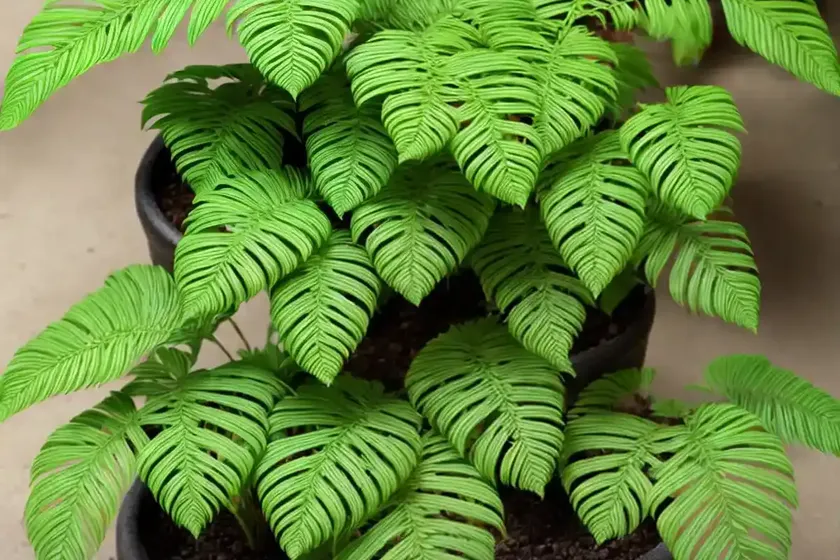
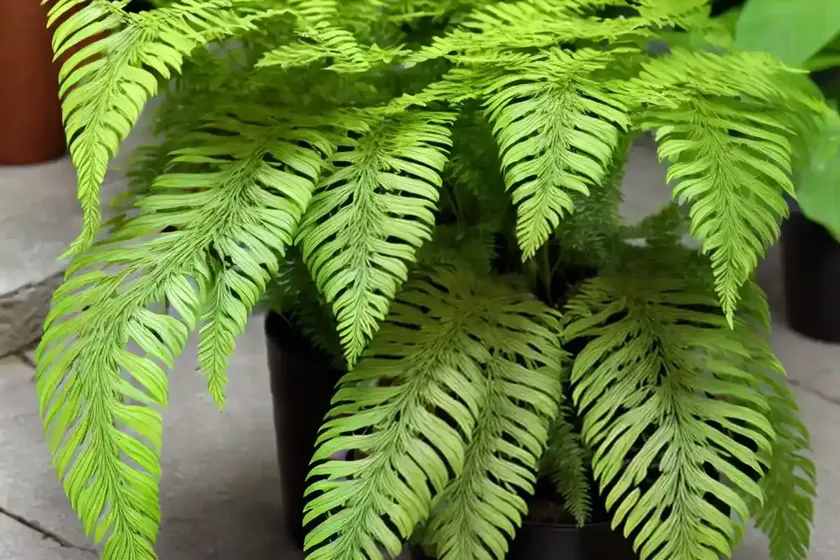
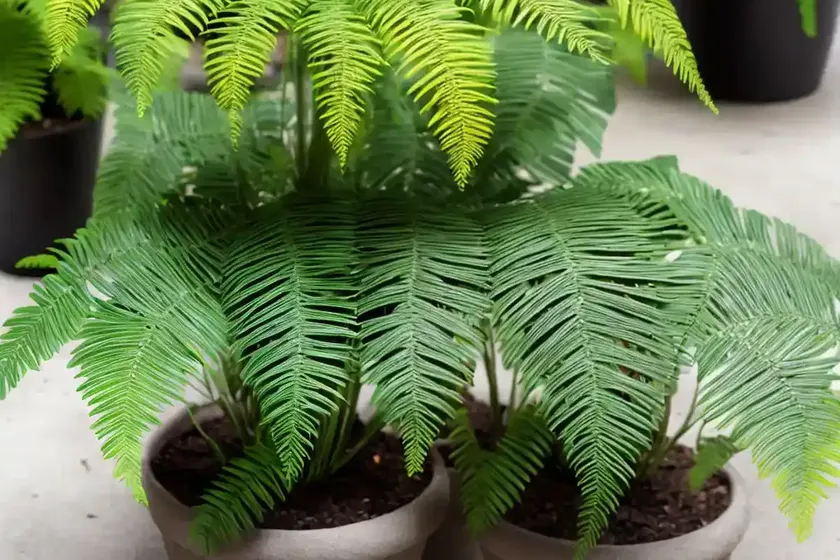
Polypodium scouleri, commonly known as Leathery Polypody, is a charming and versatile fern species that belongs to the family Polypodiaceae. This enchanting and resilient plant is native to the Pacific Northwest of North America and is known for its striking leathery fronds and adaptability to various growing conditions. In this comprehensive guide, we will explore the culture, uses, care, and maintenance of Polypodium scouleri, offering valuable insights into how to cultivate and appreciate this fascinating plant in both indoor and outdoor settings.
What is Polypodium scouleri?
Polypodium scouleri, also known as the Leathery Polypody, is an evergreen fern native to the Pacific Northwest of North America. This resilient plant can be found in diverse habitats, including rocky slopes, forests, and even urban landscapes, showcasing its ability to adapt to different environmental conditions. The species is named after John Scouler, a Scottish naturalist who made significant contributions to the understanding of North American flora.
Key Takeaways – Polypodium scouleri (Leathery Polypody)
Before delving into the specifics of Polypodium scouleri care, it is essential to highlight some key points about this enchanting fern.
- Scientific Name: Polypodium scouleri
- Common Name: Leathery Polypody
- Family: Polypodiaceae
- Habitat: Pacific Northwest of North America
- Characteristics: Evergreen, leathery fronds
- Growth: Slow-spreading, low-maintenance
- Uses: Ornamental, ground cover, wildlife attraction
Now, let’s explore each aspect of Polypodium scouleri in more detail, providing insights into its culture, uses, and care requirements.
Culture
Understanding the cultural preferences of Polypodium scouleri is crucial for successfully cultivating and appreciating this resilient fern species. From its ideal water requirements to sunlight preferences, let’s explore the cultural aspects of Leathery Polypody.
Water
Polypodium scouleri thrives in moist, well-draining soils, making it well-suited for areas with moderate to high humidity. The plant generally prefers consistent moisture without being waterlogged, and it is essential to monitor the soil moisture levels to prevent water stress or oversaturation.
Sunlight
In terms of sunlight, Polypodium scouleri displays a versatile nature, exhibiting tolerance to both shade and partial sun conditions. While it can thrive in shaded areas, providing some dappled sunlight can also promote healthy growth and vibrant foliage. Understanding the specific light requirements of the plant in its intended location is essential for ensuring optimal growth and development.
Fertilizer
As a slow-spreading plant, Polypodium scouleri does not require frequent or intense fertilization. Instead, a balanced, slow-release fertilizer applied in spring can provide the essential nutrients for healthy growth. It is crucial to follow the recommended application rates and avoid excessive fertilization, which can negatively impact the plant’s overall health.
Soil
The Leathery Polypody prefers well-draining, organically rich soil with a slightly acidic to neutral pH. Ensuring proper soil structure and composition can promote robust root development and overall plant health. Moreover, incorporating organic matter into the soil can enhance its moisture retention capacity, supporting the plant’s water requirements.
Pruning
Pruning requirements for Polypodium scouleri are minimal, primarily encompassing the removal of old or damaged fronds. Regular inspection of the plant for any signs of pest infestation or disease can facilitate prompt pruning, ensuring the overall vitality and aesthetic appeal of the fern.
Propagation
The propagation of Polypodium scouleri can be achieved through various methods, including division and spore propagation. Dividing mature plants and establishing them in suitable growing conditions can facilitate the expansion of Leathery Polypody within a garden or landscape. Additionally, collecting and sowing spores in a controlled environment can yield new plantlets, offering an exciting opportunity for plant enthusiasts to propagate and share this captivating species.
Container
For individuals interested in cultivating Polypodium scouleri in containers, it is essential to select spacious, well-draining pots that accommodate the plant’s root system. Providing adequate drainage holes and employing a suitable potting mix can ensure optimal growth and vitality, enabling the cultivation of Leathery Polypody in diverse indoor and outdoor settings.
Uses
The versatility and captivating characteristics of Polypodium scouleri contribute to its various uses, ranging from ornamental purposes to ecological significance. Understanding the diverse applications of the Leathery Polypody can foster a deeper appreciation for this enchanting fern species.
Ornamental Plant
As an ornamental plant, Polypodium scouleri adds an elegant touch to gardens, landscapes, and indoor spaces. Its leathery fronds and evergreen foliage contribute to the visual appeal of diverse settings, making it a sought-after choice for individuals seeking to introduce unique and vibrant greenery to their environments.
Ground Cover
Due to its slow-spreading nature and ability to thrive in shaded areas, Polypodium scouleri serves as an excellent ground cover option. Its dense and lush growth habit can effectively carpet the ground, providing both aesthetic and functional benefits within landscapes and naturalized areas.
Wildlife Attraction
The presence of Polypodium scouleri can attract various wildlife species, including insects and small animals, contributing to the ecological diversity of its surrounding habitat. By offering habitat and sustenance, this fern species plays a role in supporting local ecosystems and fostering a harmonious balance within natural environments.
Common Diseases and Pests
While Polypodium scouleri exhibits resilience and adaptability, it is susceptible to certain diseases and pests that can affect its overall health and vigor. Recognizing common issues and employing appropriate preventive measures is crucial for maintaining the vitality of the Leathery Polypody.
Common Diseases
Polypodium scouleri may be prone to certain fungal diseases, including leaf spot and root rot, particularly in conditions of excessive moisture or poor air circulation. Timely detection and intervention through cultural practices and, if necessary, targeted treatments can mitigate the impact of these diseases and promote the plant’s recovery.
Common Pests
Pests such as aphids, scale insects, and spider mites may pose potential threats to Polypodium scouleri, compromising its growth and aesthetic appeal. Regular inspection of the plant and the implementation of integrated pest management strategies can effectively control pest populations and minimize their detrimental effects.
Disease Diagnosis and Pest Control
Accurately diagnosing diseases and identifying pest infestations is essential for implementing appropriate control measures. Observing changes in the plant’s foliage, growth patterns, and overall vigor can provide valuable insights into potential health issues, enabling prompt and targeted intervention to safeguard the well-being of Polypodium scouleri.
Botanist’s Tips
As botanists and avid plant enthusiasts, we can offer valuable tips and recommendations for cultivating and appreciating Polypodium scouleri. By integrating these insights into your plant care practices, you can enhance the growth, resilience, and aesthetic appeal of the Leathery Polypody.
- Ensure Adequate Air Circulation: Promoting good air circulation around Polypodium scouleri can mitigate the risk of fungal diseases and pest infestations, supporting the overall health and vigor of the plant.
- Monitor Soil Moisture: Regularly check the soil moisture levels to prevent water stress or waterlogging, as maintaining optimal moisture conditions is essential for the well-being of Polypodium scouleri.
- Inspect for Pests: Routinely inspect the plant for signs of pests, such as aphids or scale insects, and implement targeted pest control measures to prevent their proliferation and minimize damage to the fern.
Fun Facts
To further enrich your understanding and appreciation of Polypodium scouleri, we’ve compiled an array of fascinating and intriguing facts about the Leathery Polypody.
- Native Habitat: Polypodium scouleri is native to the Pacific Northwest of North America, where it thrives in diverse ecosystems, including forests, cliffs, and urban landscapes.
- Versatile Growth: This fern species displays adaptability to various growing conditions, ranging from shaded woodlands to urban gardens, highlighting its resilience and versatility.
- Wildlife Support: The presence of Polypodium scouleri can contribute to supporting local wildlife by providing habitat and sustenance for insects and small animals within its natural environment.
By immersing yourself in these fun and informative facts, you can develop a deeper connection with the captivating world of Polypodium scouleri and gain a newfound appreciation for its remarkable qualities.
Links to External Resources
For additional insights and in-depth information on Polypodium scouleri, we recommend exploring the following reputable resources:
These resources offer valuable botanical details, cultivation guidelines, and insights into the unique attributes of Polypodium scouleri, enhancing your knowledge and appreciation of this exceptional fern species.
In conclusion, the cultivation and appreciation of Polypodium scouleri, or Leathery Polypody, encompasses an enriching journey characterized by resilience, versatility, and ornamental appeal. By understanding and embracing its cultural preferences, uses, and maintenance practices, individuals can foster the flourishing growth and enduring beauty of this captivating fern, contributing to the enhancement of diverse natural and cultivated environments. Through our exploration of Polypodium scouleri, we hope to inspire a deeper connection with the enchanting world of plants and the remarkable attributes of this resilient fern species.


