Polygonatum Odoratum ‘Variegatum’ (Solomon’s Seal)
Polygonatum odoratum ‘Variegatum’ is a striking and elegant perennial plant that belongs to the family Asparagaceae. This unique variety of Solomon’s Seal.
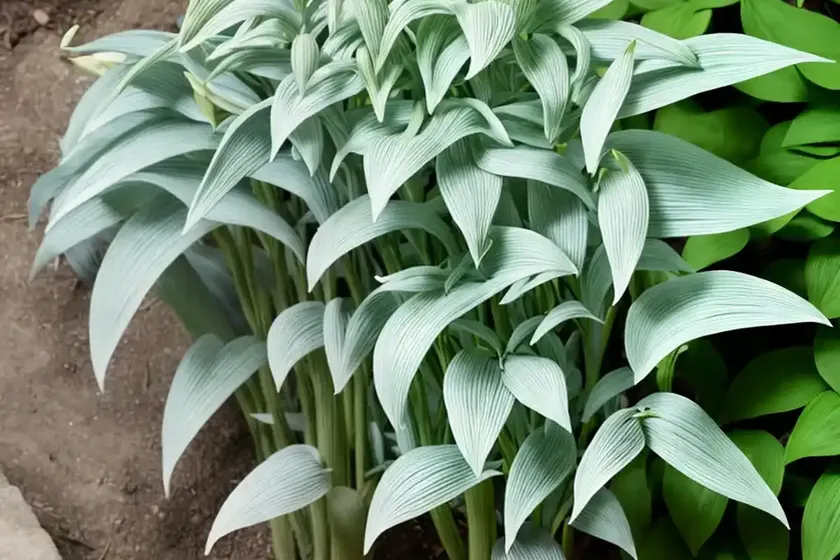
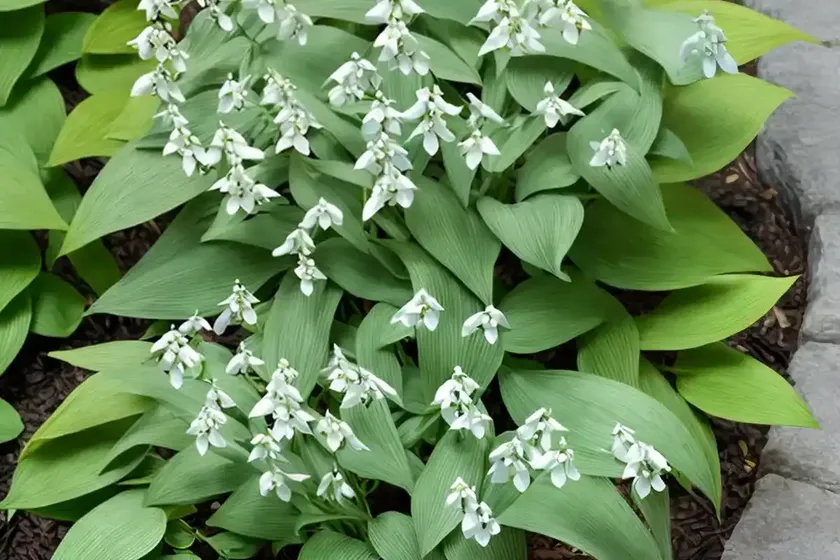
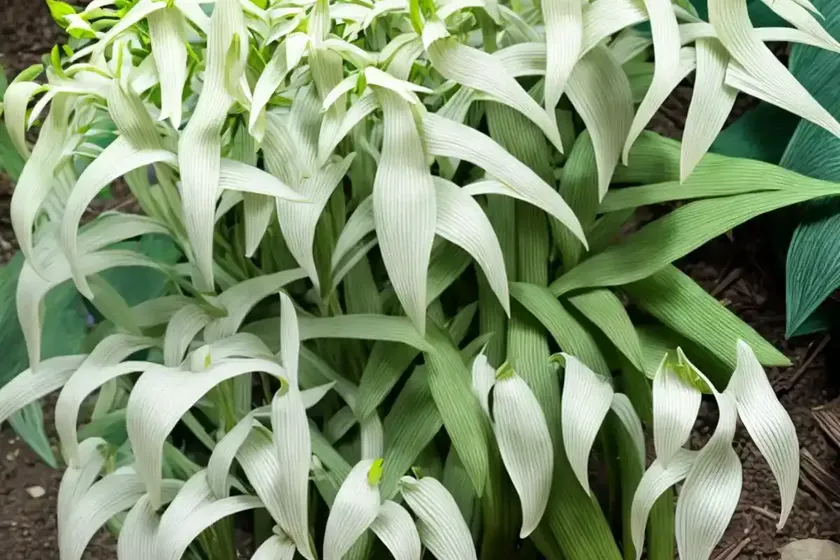
Polygonatum odoratum ‘Variegatum’ is a striking and elegant perennial plant that belongs to the family Asparagaceae. This unique variety of Solomon’s Seal is known for its attractive variegated foliage and delicate, bell-shaped flowers. In this comprehensive guide, we will explore the key aspects of this beautiful plant, including its cultural requirements, uses, propagation, maintenance, and much more.
What is Polygonatum Odoratum ‘Variegatum’?
Polygonatum odoratum ‘Variegatum,’ also known as Variegated Solomon’s Seal, is a herbaceous perennial plant that is native to Europe and Asia. It is characterized by arching stems and delicate, alternate leaves that are adorned with creamy white or yellowish variegation. During the spring, this plant produces small, fragrant, white or pale pink flowers that hang gracefully from the undersides of the stems. These flowers give way to attractive blue-black berries in the fall, adding further visual interest to the plant.
The distinct beauty of Polygonatum odoratum ‘Variegatum’ makes it a popular choice for shade gardens, woodland landscapes, and mixed plantings. Its graceful demeanor and adaptability to various growing conditions have made it a favorite among gardeners and horticulturists.
Key Takeaways
Before delving into the specifics of cultivating and caring for Polygonatum odoratum ‘Variegatum,’ let’s summarize the key takeaways of this plant:
- Beautiful variegated foliage with a graceful, arching growth habit
- Fragrant, bell-shaped flowers in spring, followed by blue-black berries
- Well-suited for shaded gardens, woodland landscapes, and mixed plantings
- Low maintenance and relatively resistant to pests and diseases
- Ideal for containers and suitable for both garden and indoor environments
Now, let’s explore the various aspects of cultivating and caring for this captivating plant in more detail.
Culture
Water
Polygonatum odoratum ‘Variegatum’ thrives in consistently moist, well-draining soil. Adequate moisture is crucial, especially during the warmer months, to ensure the plant’s lush foliage and healthy growth. While this variety of Solomon’s Seal prefers moist soil, it is essential to avoid waterlogging, as excessively wet conditions can lead to root rot and other issues.
Sunlight
One of the defining characteristics of Polygonatum odoratum ‘Variegatum’ is its preference for partial to full shade. It excels in locations with dappled sunlight or areas that receive filtered or indirect light. When grown in excessively sunny spots, the delicate variegated leaves may scorch or lose their vibrant coloration. Therefore, it is best to provide this plant with a sheltered and shaded environment to maintain its health and visual appeal.
Fertilizer
When it comes to fertilizing Polygonatum odoratum ‘Variegatum,’ a balanced, slow-release fertilizer can be applied in early spring to support healthy growth and ample flowering. Alternatively, incorporating organic matter, such as well-rotted compost or aged manure, into the soil during the planting process can provide a steady source of nutrients for the plant. It is important to avoid over-fertilization, as excessive nitrogen can lead to lanky growth and diminished flower production.
Soil
This variegated Solomon’s Seal thrives in humus-rich, slightly acidic to neutral soil with good moisture retention. A well-amended, loamy soil that is rich in organic matter promotes vigorous growth and enhances the plant’s overall vitality. Additionally, ensuring adequate soil moisture through mulching can help create an optimal growing environment for Polygonatum odoratum ‘Variegatum.’
Pruning
Minimal pruning is required for Polygonatum odoratum ‘Variegatum.’ In late fall or early spring, any damaged, diseased, or unsightly stems and foliage can be gently removed to maintain the plant’s appearance and health. It is important to exercise caution and avoid over-pruning, as the foliage of this plant serves as a valuable energy reserve for future growth.
Propagation
Division
Polygonatum odoratum ‘Variegatum’ can be propagated through division, making it an excellent option for increasing plant numbers in the garden. Dividing the rhizomes is best done in early spring before new growth emerges or in the fall after the plant has completed its annual growth cycle.
To propagate through division:
- Carefully dig up the plant to expose the rhizomes.
- Gently separate the rhizomes into sections, ensuring that each division has several healthy growth points or buds.
- Replant the divisions at the same depth as the original plant, ensuring proper spacing to accommodate their mature size.
Seeds
While it is possible to propagate Polygonatum odoratum ‘Variegatum’ from seeds, this method can be more time-consuming and unreliable compared to division. Collecting ripe berries and extracting the seeds for sowing in a suitable growing medium can be attempted, although the resulting seedlings may not always exhibit the variegated characteristics of the parent plant.
Container Popularity
The graceful form and low-maintenance nature of Polygonatum odoratum ‘Variegatum’ make it an excellent choice for container cultivation. Its compact growth habit and elegant foliage add an enchanting touch to shaded patios, balconies, and outdoor living spaces. When selecting a container for this plant, opt for a spacious pot with adequate drainage to support healthy root development and overall growth.
Container Common Diseases
When grown in containers, Polygonatum odoratum ‘Variegatum’ may be susceptible to certain diseases and issues, including:
- Root rot: Overwatering and inadequate drainage can lead to root rot in container-grown plants. To prevent this, ensure that the pot has proper drainage and avoid leaving the plant in standing water.
- Pests: Container-grown plants may be more prone to pest infestations, such as aphids or spider mites. Regular monitoring and proper pest management practices can help mitigate these issues.
Disease Diagnosis
When observing Polygonatum odoratum ‘Variegatum’ for signs of disease or distress, it is essential to pay attention to the following indicators:
- Yellowing or browning of the leaves
- Wilting or drooping foliage
- Visible lesions or spots on the stems or leaves
- Stunted growth or lack of vigor
If any of these symptoms are detected, it is important to assess the plant’s growing conditions, including moisture levels, sunlight exposure, and soil quality, to identify and address potential issues.
Common Pests
While Polygonatum odoratum ‘Variegatum’ is generally resistant to pests, it may occasionally encounter challenges from common garden invaders. Some pests that may affect this plant include:
- Aphids: These small, sap-sucking insects can cluster on the undersides of leaves, leading to distorted growth and honeydew accumulation.
- Spider mites: These arachnids can cause stippling and webbing on the foliage, particularly in dry and hot conditions.
Regular inspection and the use of natural predators, such as ladybugs or lacewings, can help manage pest populations without the need for chemical interventions.
Botanist’s Tips
To ensure the successful cultivation and care of Polygonatum odoratum ‘Variegatum,’ consider the following tips from a plant scientist’s perspective:
- Ideal growing conditions: Provide this plant with moist, well-draining soil, partial to full shade, and a consistent moisture supply. Avoid locations with harsh, direct sunlight to prevent leaf scorching.
- Mulching: Apply a layer of organic mulch around the base of the plant to retain soil moisture, suppress weeds, and nourish the soil as it decomposes.
- Division and propagation: Regularly divide established clumps to rejuvenate the plant and create new additions for the garden. Additionally, explore propagation through seeds for a more diverse plant collection.
- Pest and disease management: Monitor the plant regularly for signs of pests or diseases, and intervene promptly using integrated pest management strategies to maintain its health and vigor.
Fun Facts
- The genus name “Polygonatum” is derived from the Greek words “poly,” meaning many, and “gonu,” referring to the knees or joints, alluding to the jointed or nodding stems of the plant.
- In some cultures, Solomon’s Seal plants are associated with various folklore and medicinal uses, adding to their allure and mystique.
- While Polygonatum odoratum ‘Variegatum’ is primarily valued for its ornamental attributes, some species within the genus have been used in traditional medicine and herbal remedies.
Links to External Resources
For further information on Polygonatum odoratum ‘Variegatum’ and related topics, consider exploring the following external resources:
- Royal Horticultural Society
- American Society for Horticultural Science
- North American Rock Garden Society
Conclusion
Polygonatum odoratum ‘Variegatum’ is undeniably a captivating and versatile plant that adds a touch of elegance to shaded gardens and woodland landscapes. With its variegated foliage, delicate flowers, and low-maintenance nature, this Solomon’s Seal variety has earned its place as a cherished ornamental plant. By understanding its cultural requirements, propagation methods, and potential challenges, enthusiasts and gardeners can successfully cultivate and appreciate the unique beauty of Polygonatum odoratum ‘Variegatum’ in various settings.
For those seeking a graceful and enchanting addition to their outdoor or indoor spaces, the Variegated Solomon’s Seal presents an opportunity to engage with a plant that embodies both botanical intrigue and horticultural charm. Whether as a focal point in a shaded garden or as a potted specimen on a sheltered patio, this plant continues to captivate and inspire plant enthusiasts and nature lovers alike.
By embracing the allure of Polygonatum odoratum ‘Variegatum’ and celebrating its ornamental and ecological contributions, we affirm the enduring significance of plants as living expressions of beauty, resilience, and botanical fascination.