Polemonium Yezoense Var. Hidakanum Bressingham Purple (Jacob’s Ladder)
In the world of horticulture, one is constantly enthralled by the diversity and beauty of plants. Amongst these, Polemonium yezoense var. hidakanum.
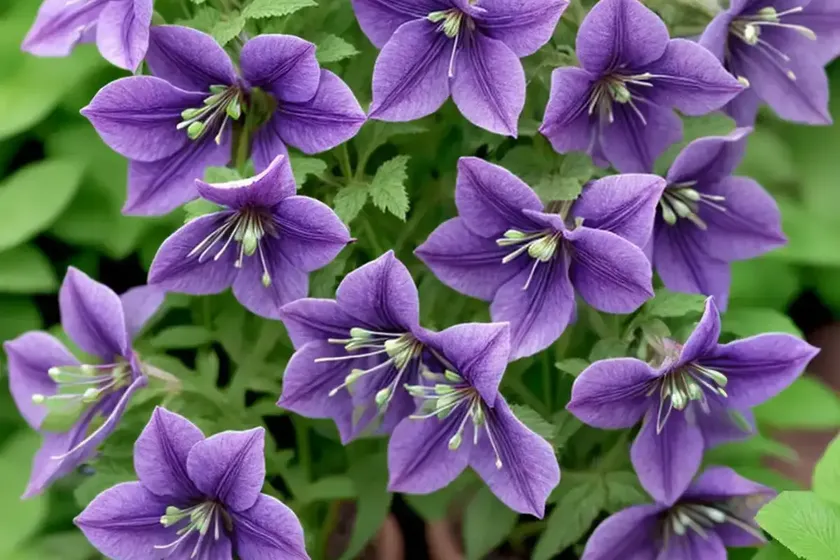
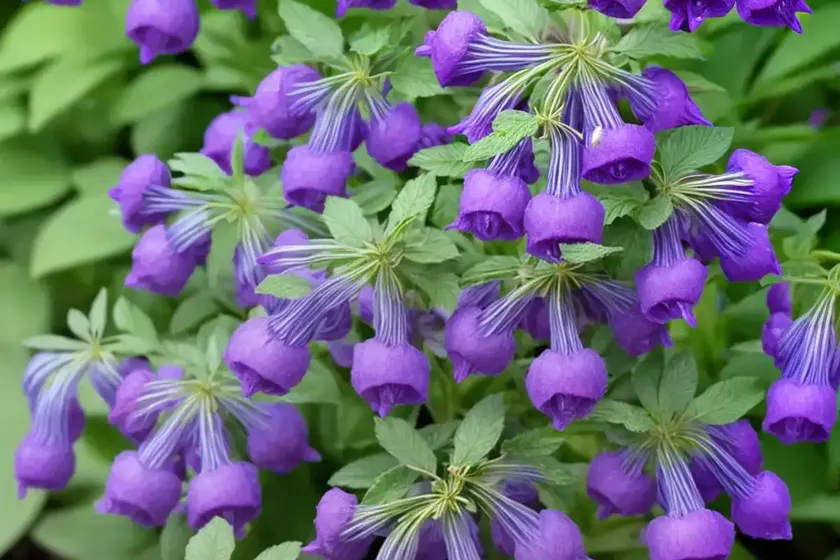
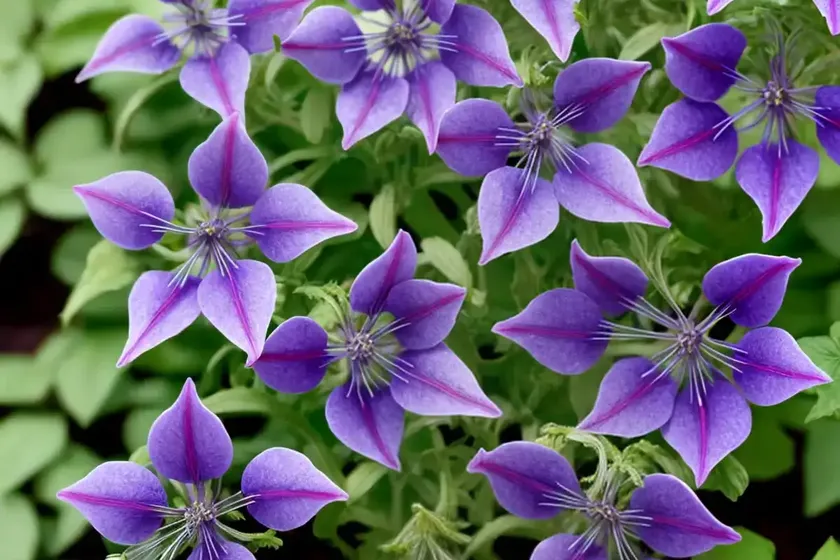
In the world of horticulture, one is constantly enthralled by the diversity and beauty of plants. Amongst these, Polemonium yezoense var. hidakanum Bressingham Purple, commonly known as Jacob’s Ladder, captivates the attention of plant enthusiasts and conservationists alike. This species is not only visually appealing but also holds cultural, medicinal, and ecological significance. As a plant scientist, I am excited to delve deeper into the various facets of this enchanting plant.
What is Plant “Polemonium yezoense var. hidakanum Bressingham Purple” (Jacob’s Ladder)
Polemonium yezoense var. hidakanum Bressingham Purple, also known as Jacob’s Ladder, is a perennial flowering plant in the Polemoniaceae family. This plant is native to the moist woodlands and subalpine meadows of Japan, including the Hidaka Mountains.
The Bressingham Purple variety is known for its striking purple flowers, which adorn the plant in spring to early summer. The attractive foliage and impressive display of flowers make it a popular choice for garden borders, woodland gardens, and naturalized landscapes.
This cultivar of Jacob’s Ladder usually reaches a height of 12-18 inches (30-45 cm) and spreads to form a dense clump. Its fern-like, deep green leaves provide a lovely backdrop for the clusters of showy, bell-shaped flowers.
This particular cultivar is valued for its compact habit and the vibrant purple color of its blooms, making it a sought-after addition to many garden settings.
Key Takeaways – Polemonium yezoense var. hidakanum Bressingham Purple (Jacob’s Ladder)
Culture
- Scientific Name: Polemonium yezoense var. hidakanum
- Common Name: Bressingham Purple Jacob’s Ladder
- Family: Polemoniaceae
- Plant Type: Perennial
- Native Habitat: Japan
- Blooming Season: Spring to Early Summer
- Hardiness Zone: 4-9
Uses
- Garden Borders
- Woodland Gardens
- Naturalized Landscapes
- Container Planting
Water
- Regular Watering: Maintain Moist Soil
- Avoid Waterlogging: Well-Draining Soil
Sunlight
- Light Requirement: Partial Shade to Full Sun
- Optimal Sun Exposure: Morning Sun and Afternoon Shade
Fertilizer
- Fertilization: Balanced Fertilizer in Spring
- Avoid Excessive Nitrogen: Can Lead to Lush Growth with Reduced Flowering
Soil
- Soil Type: Rich, Moist, and Well-Draining
- Preferred pH: Slightly Acidic to Neutral (pH 6.0-7.0)
Pruning
- Deadheading: Promotes Flowering
- Cutting Back: After Flowering to Encourage Fresh Foliage
Propagation
- Division: Divide Clumps in Spring or Fall
- Seeds: Can Be Sown Indoors
- Rhizomes: Propagation Through Roots
Container Popularity
- Well-Suited for Containers
- Brings Color to Patios and Balconies
Common Diseases
- Powdery Mildew
- Leaf Spot
- Root Rot
Disease Diagnosis
- Cultural Practices: Ensure Proper Air Circulation and Soil Drainage
- Fungicidal Treatments: For Severe Infections
Common Pests
- Aphids
- Spider Mites
- Slugs and Snails
Botanist’s Tips
- Mulching: Retains Soil Moisture
- Companion Planting: Pair with Hostas, Ferns, or Astilbes
- Pollinator Attraction: Attracts Bees and Butterflies
Fun Facts
- The genus name Polemonium has Greek origins, derived from “polemos” meaning war. It is believed to possess medicinal properties and was used to treat wounds in war.
- Jacob’s Ladder is known for its exceptional hardiness and tolerance to a wide range of growing conditions.
- The unique foliar arrangement of Jacob’s Ladder gives it an architectural presence in garden settings and mixed borders.
Links to External Resources
Conclusion
In conclusion, Polemonium yezoense var. hidakanum Bressingham Purple, commonly known as Jacob’s Ladder, is a captivating perennial plant with much to offer to gardeners and plant enthusiasts. Whether used in garden borders, woodland settings, or containers, its vibrant purple blooms and fern-like foliage add a touch of elegance to any landscape. Its ease of cultivation and adaptability make it a valuable addition to diverse garden styles, making it a perennial favorite among gardeners. As a plant scientist, I am continually fascinated by the multitude of plant species and their unique characteristics, and Jacob’s Ladder is no exception to this wonder.
As we continue to appreciate and conserve the biodiversity of our planet, plants like Jacob’s Ladder serve as a reminder of the beauty and importance of the natural world. I hope this guide provides valuable insights into the cultivation and appreciation of Polemonium yezoense var. hidakanum Bressingham Purple, encouraging more individuals to include this enchanting plant in their gardens and landscapes.
Disclaimer: This article is for informational purposes only. It is not intended to be a substitute for professional advice, diagnosis, or treatment. Always seek the advice of your physician or other qualified health provider with any questions you may have regarding a medical condition.


