Polemonium Caeruleum (Jacob’s Ladder)
Polemonium caeruleum, commonly known as Jacob’s Ladder, is a charming perennial plant that belongs to the Polemoniaceae family. Native to Europe and.
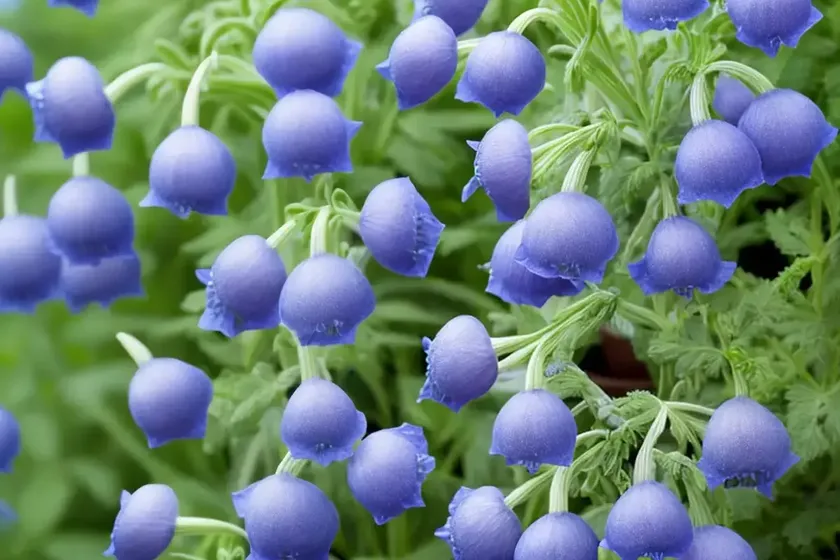
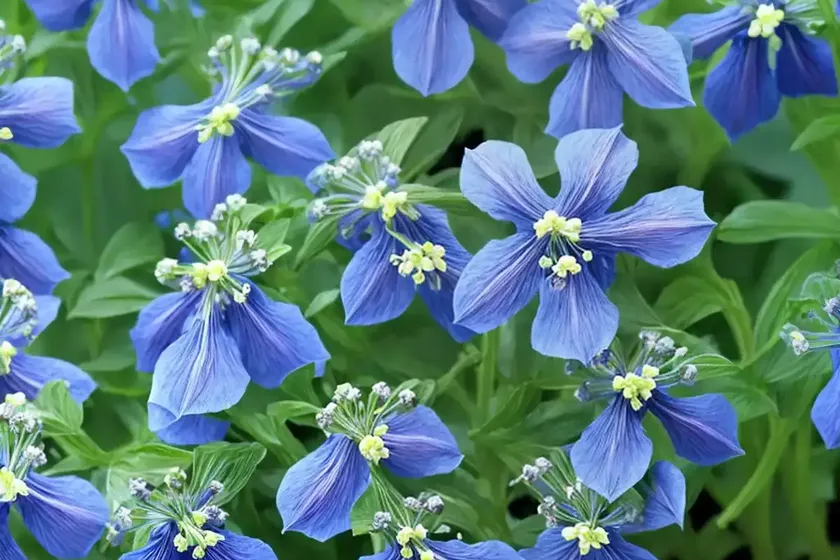
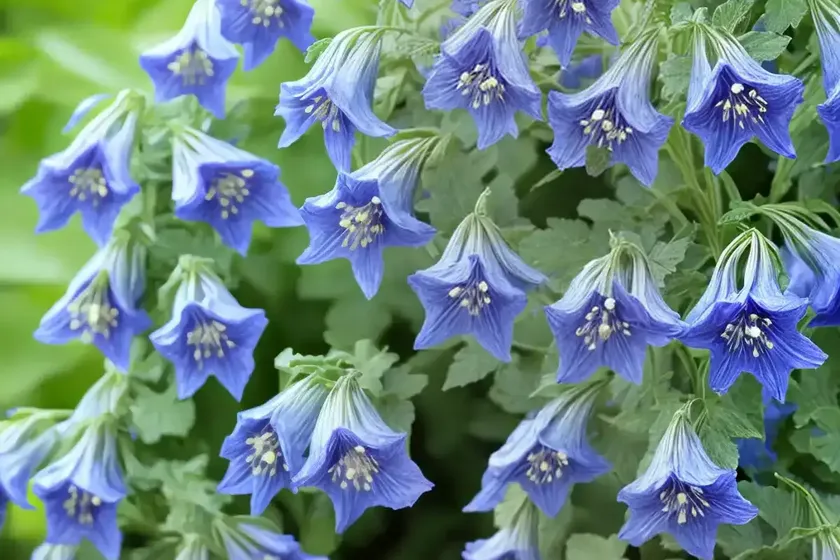
Polemonium caeruleum, commonly known as Jacob’s Ladder, is a charming perennial plant that belongs to the Polemoniaceae family. Native to Europe and Western Asia, this plant has found its way into many home gardens and landscapes due to its delicate, fern-like foliage and beautiful, sky-blue flowers. As a plant scientist, I am fascinated by the unique characteristics and the cultural significance of this remarkable plant. In this comprehensive guide, I will delve into the various aspects of Polemonium caeruleum, including its cultivation, uses, care, and maintenance. Whether you are a seasoned gardener or a plant enthusiast, this guide will provide you with all the information you need to cultivate and appreciate the beauty of Jacob’s Ladder.
What is Polemonium caeruleum (Jacob’s Ladder)?
Polemonium caeruleum, commonly known as Jacob’s Ladder, is a herbaceous perennial plant known for its attractive foliage and delicate, star-shaped, sky-blue flowers. The plant typically grows to a height of 12 to 18 inches and spreads in clumps, creating a charming carpet of foliage and flowers in the garden.
The name “Jacob’s Ladder” is derived from the ladder-like arrangement of its leaflets along the stems. This unique characteristic adds to the allure of the plant and makes it a popular choice for garden borders, rock gardens, and woodland settings.
Key Takeaways – Polemonium caeruleum (Jacob’s Ladder)
Before we delve into the details of cultivating and caring for Jacob’s Ladder, let’s explore some key takeaways about this enchanting plant:
- Scientific Name: Polemonium caeruleum
- Common Name: Jacob’s Ladder
- Family: Polemoniaceae
- Native Habitat: Europe and Western Asia
- Plant Type: Herbaceous perennial
- Flower Color: Sky-blue
- Foliage: Fern-like, compound leaves
- Growth Habit: Clump-forming
- Uses: Ornamental, medicinal
- Attracts: Pollinators
Now that we have a basic understanding of this captivating plant, let’s embark on a journey to explore the cultural significance, uses, and cultivation techniques for Polemonium caeruleum.
Culture
Uses
Ornamental Use
Jacob’s Ladder is primarily grown for its ornamental value. The charming, sky-blue flowers and the delicate, fern-like foliage make it a popular choice for adding color and texture to garden beds, borders, and containers. The plant’s low-growing habit also makes it suitable for ground covers and edging in garden landscapes.
Medicinal Use
In addition to its ornamental appeal, Jacob’s Ladder has a history of medicinal use. The plant has been traditionally used in herbal medicine for its purported diuretic and expectorant properties. However, it is essential to note that the plant’s medicinal uses should be approached with caution, and consulting a healthcare professional is advisable before using it for therapeutic purposes.
Water
Jacob’s Ladder thrives in moist, well-drained soil. Adequate watering is crucial, especially during the plant’s active growth periods. While the plant prefers consistent moisture, it is essential to avoid waterlogged conditions, as excessive moisture can lead to root rot and other fungal diseases. In regions with hot summers, providing a slightly shaded location can help prevent the soil from drying out too quickly.
Sunlight
When it comes to sunlight requirements, Jacob’s Ladder thrives in partial shade to full shade. In its native woodland habitats, the plant is often found growing under the dappled light of trees, making it well-suited for shaded garden areas. While it can tolerate some morning sun, it generally prefers protection from the intense afternoon sun, especially in warmer climates.
Fertilizer
A light application of balanced, slow-release fertilizer in early spring can help promote healthy growth and abundant flowering in Jacob’s Ladder. A fertilizer with an N-P-K ratio of 10-10-10 or similar can provide the plant with the essential nutrients it needs for vigorous growth. It is crucial to follow the manufacturer’s recommendations for application rates, as over-fertilization can lead to excessive foliage growth at the expense of flowers.
Soil
Jacob’s Ladder thrives in humus-rich, well-drained soil with a slightly acidic to neutral pH. The ideal soil composition consists of loamy or sandy loam soil that retains moisture without becoming waterlogged. Incorporating organic matter such as compost or well-rotted manure into the soil can improve its texture and fertility, providing an ideal growing medium for the plant.
Pruning
Pruning is an essential aspect of Jacob’s Ladder maintenance, as it helps to promote a compact growth habit and encourages a longer flowering period. After the plant has finished flowering, removing spent flower stalks can prevent self-seeding and promote a tidier appearance. Additionally, any dead or damaged foliage can be pruned to maintain the plant’s overall health and aesthetic appeal.
Propagation
Seed Propagation
Jacob’s Ladder can be propagated from seeds, which can be sown directly into the garden soil in the spring or fall. It is important to ensure good seed-to-soil contact and provide consistent moisture to aid in germination. Once the seedlings have established their second set of true leaves, they can be carefully transplanted to their permanent location, ensuring proper spacing to accommodate the plant’s mature size.
Division
The plant can also be propagated through division, especially when the clumps become crowded or overgrown. Dividing the plant in early spring or fall allows for the rejuvenation of the individual divisions and can help maintain the plant’s vigor. Each division should have healthy roots and several shoots for successful establishment.
Container Popularity
Jacob’s Ladder’s low-growing habit and tolerance for partial shade make it a suitable candidate for container gardening. Whether grown in decorative pots, planters, or hanging baskets, the plant’s delicate foliage and charming flowers can add a touch of elegance to outdoor living spaces, patios, and shaded balconies. When cultivating Jacob’s Ladder in containers, it is crucial to select a well-draining potting mix and provide adequate moisture and shade as per the plant’s requirements.
Container Common Diseases
While Jacob’s Ladder is relatively resistant to many diseases and pests, certain issues can arise, particularly when the plant’s growing conditions are unfavorable. Common diseases that may affect Jacob’s Ladder in container settings include:
-
Powdery Mildew: This fungal disease manifests as a powdery, white coating on the plant’s leaves and stems, often leading to reduced vigor and unsightly foliage. Providing proper air circulation and avoiding overhead watering can help prevent powdery mildew.
-
Root Rot: Overly soggy or poorly drained soil in containers can lead to root rot, causing the plant to wilt and decline. Ensuring adequate drainage and allowing the soil to partially dry between waterings can mitigate the risk of root rot.
Disease Diagnosis
In order to accurately diagnose and address potential diseases affecting Jacob’s Ladder, it is essential to closely monitor the plant for any signs of abnormal growth, discoloration, or damage. Regular inspections of the foliage and stems can help detect early symptoms of diseases or pest infestations. Additionally, consulting with a local gardening expert or plant health specialist can provide valuable insights and recommendations for disease management.
Common Pests
While Jacob’s Ladder is relatively resistant to pest infestations, certain insects may pose a threat to the plant’s health and vigor. Common pests that may affect Jacob’s Ladder include:
-
Aphids: These small, soft-bodied insects can cluster on the plant’s new growth, feeding on sap and causing distorted leaves. Insecticidal soap or horticultural oil can be effective in controlling aphid infestations.
-
Slugs and Snails: These mollusks can feed on the plant’s foliage, leaving behind ragged edges and holes. Barrier methods, such as copper tape or diatomaceous earth, can help deter slugs and snails from reaching the plants.
-
Spider Mites: These tiny arachnids can cause stippling and webbing on the plant’s leaves, reducing their photosynthetic capacity. Regularly spraying the plant with a forceful stream of water can help dislodge and control spider mite populations.
Botanist’s Tips
As a plant scientist, I would like to offer some valuable tips for cultivating and appreciating Jacob’s Ladder:
- Mulch Matters: Applying a layer of organic mulch, such as shredded bark or compost, around the base of Jacob’s Ladder can help conserve soil moisture and suppress weed growth.
- Companion Planting: Pairing Jacob’s Ladder with shade-loving companions, such as hostas, ferns, and astilbes, can create a visually appealing and harmonious garden landscape.
- Wildlife Benefits: Jacob’s Ladder’s nectar-rich flowers attract pollinators, such as bees and butterflies, contributing to the biodiversity of the garden ecosystem.
Fun Facts
- The genus name “Polemonium” is derived from the Greek words “polemos,” meaning war, and “polemon,” meaning warrior, possibly alluding to the plant’s historical medicinal uses or the combative nature of its roots.
- Jacob’s Ladder has been the subject of folklore and symbolism in different cultures, often associated with themes of ascension, spiritual growth, and heavenly connection, stemming from its name’s biblical reference to the ladder in the story of Jacob in the Book of Genesis.
Links to External Resources
- The Royal Horticultural Society – Polemonium caeruleum
- Missouri Botanical Garden – Polemonium caeruleum
- University of Illinois Extension – Jacob’s Ladder
- North Carolina State University – Polemonium caeruleum
In conclusion, Polemonium caeruleum, or Jacob’s Ladder, is a delightful plant that embodies elegance and charm, making it a valuable addition to garden landscapes and container gardens. Whether grown for its ornamental allure, symbolic significance, or historical uses, Jacob’s Ladder continues to captivate plant enthusiasts and gardeners alike. By understanding and implementing the appropriate cultural practices and care tips, individuals can cultivate and enjoy the beauty of this perennial treasure. I hope this comprehensive guide has provided you with valuable insights into the world of Polemonium caeruleum and has inspired you to explore the wonders of this enchanting plant.


