Polemonium Boreale (Northern Jacob’s Ladder)
Polemonium boreale, commonly known as Northern Jacob’s Ladder, is a fascinating and versatile plant that has a rich history of traditional uses and.
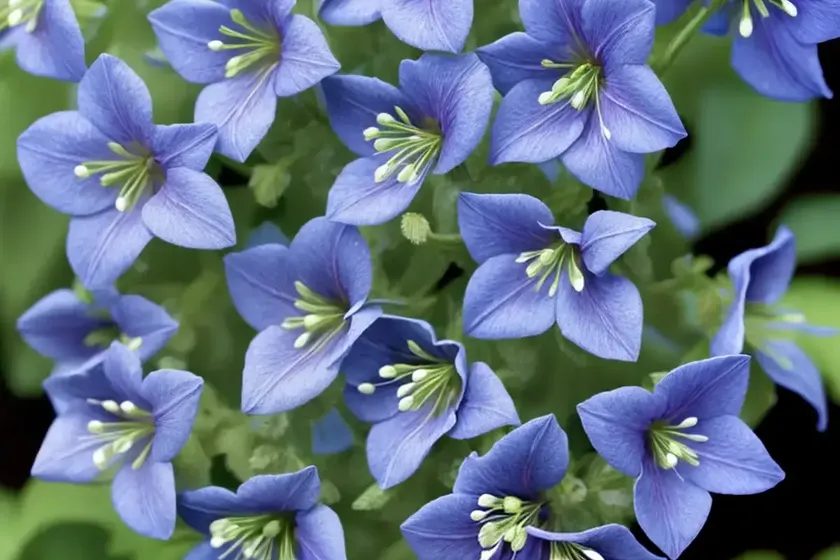
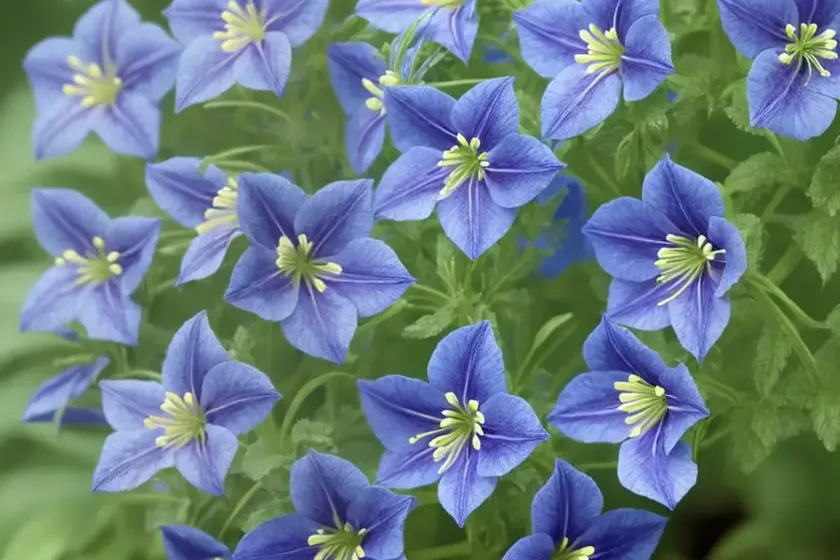
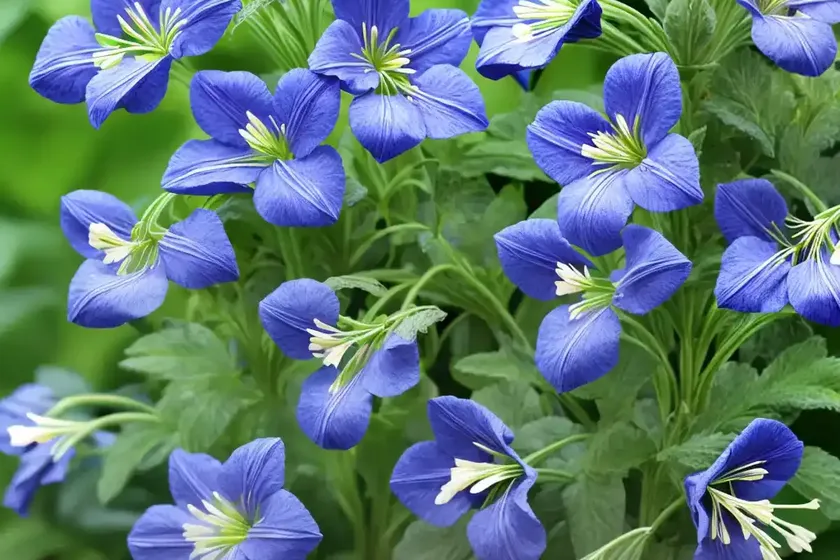
Polemonium boreale, commonly known as Northern Jacob’s Ladder, is a fascinating and versatile plant that has a rich history of traditional uses and cultural significance. In this extensive guide, we will explore the characteristics, cultivation, uses, and various other aspects of this captivating plant.
What is Polemonium boreale (Northern Jacob’s Ladder)?
Polemonium boreale belongs to the genus Polemonium and is native to regions of North America, Europe, and Asia. It is a herbaceous perennial plant known for its attractive foliage and delicate flowers. The plant’s common name, “Jacob’s Ladder,” is derived from the arrangement of its leaflets, which are said to resemble the rungs of a ladder.
Polemonium boreale Characteristics
- Scientific Name: Polemonium boreale
- Common Names: Northern Jacob’s Ladder, Greek Valerian
- Family: Polemoniaceae
- Habitat: Moist woodlands, meadows, and mountainous regions
- Flowering Period: Late spring to early summer
- Height: 12-18 inches (30-45 cm)
- Flower Color: Violet-blue, occasionally white
- Leaves: Pinnately compound, alternate
Northern Jacob’s Ladder Description
The foliage of Polemonium boreale is particularly noteworthy, with pinnately compound leaves arranged alternately along the stem. The leaflets are typically narrow and elongated, giving the plant a graceful and feathery appearance. When in bloom, the plant produces clusters of bell-shaped, violet-blue flowers that add a touch of elegance to any garden or landscape.
Key Takeaways – Polemonium boreale (Northern Jacob’s Ladder)
Before delving into the specific aspects of cultivation and care, let’s review the key takeaways about Polemonium boreale.
Polemonium boreale Facts
- Native to North America, Europe, and Asia
- Known for its pinnately compound leaves and violet-blue flowers
- Grows in moist woodland, meadow, and mountainous habitats
- Belongs to the family Polemoniaceae
- Attracts pollinators such as bees and butterflies
Northern Jacob’s Ladder Uses
- Ornamental garden plant
- Cultivated for its attractive foliage and flowers
- Traditional uses in herbal medicine
- Adds visual interest to woodland and shade gardens
- May have historical and cultural significance in folklore and myths
Polemonium boreale Medicinal Properties
- Traditionally used for its potential medicinal properties
- Limited contemporary research on its medicinal uses
- Not recommended for self-medication without consulting a healthcare professional
Northern Jacob’s Ladder Habitat
- Thrives in moist and shaded environments
- Often found in woodlands, meadows, and mountainous regions
- Can adapt to a variety of soil types
Now that we have gained an understanding of the plant’s characteristics and uses, let’s explore the essential factors for successfully cultivating Polemonium boreale.
Culture
Cultivating Polemonium boreale requires an understanding of its specific cultural needs, including water, sunlight, fertilizer, soil, and pruning requirements.
Water
As a plant that is native to moist woodland environments, Polemonium boreale thrives in well-draining, consistently moist soil. Adequate moisture is essential, especially during the plant’s active growth periods. While the plant prefers moist conditions, it is important to avoid waterlogged soil, as this can lead to root rot and other issues.
Sunlight
Northern Jacob’s Ladder appreciates partial shade to full shade, making it an excellent choice for shaded garden areas. It can tolerate some morning sun but generally prefers protection from intense afternoon sunlight. When grown in excessively sunny locations, the plant may benefit from increased moisture to compensate for the drier conditions.
Fertilizer
When it comes to fertilization, Polemonium boreale generally does not have high nutrient requirements. A balanced, organic fertilizer applied in early spring can help support healthy growth. However, it is important to avoid over-fertilizing, as this can lead to excessive foliage at the expense of flowering.
Soil
The ideal soil for Polemonium boreale is rich, humus-filled, and well-draining. A slightly acidic to neutral pH (pH 6.0-7.0) is preferred. Amending the soil with organic matter such as compost can improve its texture and fertility, providing a favorable growing medium for Northern Jacob’s Ladder.
Pruning
Polemonium boreale generally does not require extensive pruning. Removing spent flower stalks and any dead or damaged foliage can help maintain the plant’s neat appearance and encourage additional flowering. Pruning can be performed after the plant has finished blooming.
Propagation
For gardeners interested in propagating Polemonium boreale, several methods can be employed to create new plants.
Seed Propagation
- Collect mature seeds from the plant after flowering
- Sow the seeds in a seed-starting mix in early spring
- Keep the soil consistently moist until germination occurs
- Transplant the seedlings into individual pots once they develop several sets of true leaves
Division
- Divide mature plants in early spring or fall
- Carefully dig up the plant and separate the root clumps
- Replant the divisions in prepared soil, ensuring that each division has ample roots and foliage
Stem Cuttings
- Take softwood or semi-hardwood cuttings in spring or early summer
- Remove the lower leaves and insert the cuttings into a well-draining rooting medium
- Provide bottom heat and consistent moisture to encourage root development
- Once rooted, transplant the cuttings into individual pots
Container Popularity
Polemonium boreale can be successfully grown in containers, making it a popular choice for gardening enthusiasts with limited outdoor space. When selecting a container, choose one with adequate drainage holes to prevent waterlogging. A lightweight, well-draining potting mix is ideal for container cultivation, and regular watering is essential to maintain consistent soil moisture.
Container Common Diseases
When growing Polemonium boreale in containers, it is important to be mindful of potential diseases that can affect the plant.
Disease Diagnosis
- Root Rot: Caused by overwatering and waterlogged soil
- Powdery Mildew: Fungal disease favored by high humidity and poor air circulation
- Leaf Spot: Fungal disease that results in circular spots on the foliage
Common Pests
Several pests may target Polemonium boreale, especially when it is cultivated in containers. Vigilance and proactive pest management can help safeguard the plant against potential infestations.
- Aphids: Small, soft-bodied insects that feed on plant sap
- Spider Mites: Tiny arachnids that can cause stippling and webbing on the foliage
- Slugs and Snails: These mollusks may feed on the plant’s tender foliage
Botanist’s Tips
To ensure the successful cultivation of Polemonium boreale, consider the following botanist’s tips for optimal plant care and maintenance.
- Provide consistent moisture, especially during periods of active growth and flowering
- Monitor the plant for signs of pest and disease issues, addressing them promptly if detected
- Avoid over-fertilizing, as this can lead to excessive foliage growth at the expense of flowering
- Protect the plant from intense afternoon sun, particularly in regions with hot summers
Fun Facts
Before we move on to the more technical aspects of cultivation, let’s explore some captivating and lesser-known facts about Polemonium boreale.
- Wildlife Attraction: The flowers of Polemonium boreale are known to attract a variety of pollinators, including bees and butterflies.
- Folklore Myths: In some cultures, Jacob’s Ladder has been associated with folklore and myths, often representing themes of ascension and spiritual growth.
Links to External Resources
For further information on Polemonium boreale, consider exploring the following external resources:
- Royal Horticultural Society – Polemonium boreale
- USDA Plant Database – Polemonium boreale
- Missouri Botanical Garden – Polemonium boreale
- The Wildlife Trusts – Northern Jacob’s Ladder
Now that we have established a comprehensive overview of Polemonium boreale, its characteristics, and its cultural requirements, we can delve into the diverse aspects of its cultivation and care.
Achieving success in cultivating Polemonium boreale hinges on understanding and implementing the appropriate growing conditions and care practices. Let’s explore the essential aspects of growing Northern Jacob’s Ladder.
Growing Conditions
Understanding the specific environmental requirements of Polemonium boreale is crucial for creating an optimal growing environment for the plant.
Water
To support healthy growth and flowering, Polemonium boreale requires consistently moist soil, especially during the active growing season. Adequate moisture is essential for preventing stress and promoting robust plant development. However, it is important to avoid waterlogged conditions, as this can lead to root rot and other issues.
Sunlight
Preferring partial to full shade, Northern Jacob’s Ladder thrives in environments with limited direct sunlight. Shaded garden areas, woodland edges, and locations with filtered light are well-suited for this plant. While it can tolerate some morning sun, protection from intense afternoon sunlight is ideal.
Soil
Polemonium boreale flourishes in rich, well-draining soil with a slightly acidic to neutral pH. The addition of organic matter such as compost can enhance the soil’s fertility and structure, providing an ideal growing medium for the plant. Ensuring adequate soil moisture retention is crucial for supporting healthy growth.
Temperature
Being adaptable to various climatic conditions, Polemonium boreale can withstand moderately cold temperatures and is generally hardy in USDA Hardiness Zones 3-7. However, protection from extreme heat and prolonged drought conditions is beneficial for maintaining the plant’s vigor.
Air Circulation
Good air circulation around the plant’s foliage is important for reducing the risk of fungal diseases such as powdery mildew. Positioning Polemonium boreale in locations with adequate air movement can help mitigate such issues.
Benefits
In addition to its ornamental appeal, Polemonium boreale offers various benefits and contributions to the garden and natural environment.
Ornamental Value
The delicate, bell-shaped flowers and finely cut foliage of Polemonium boreale contribute to its ornamental value, adding visual interest to shaded gardens and woodland landscapes. Its graceful appearance makes it a desirable addition to diverse garden designs.
Wildlife Attraction
The flowers of Northern Jacob’s Ladder attract pollinators such as bees and butterflies, contributing to the ecological balance and biodiversity of the area. Supporting pollinator populations through the cultivation of plants like Polemonium boreale is beneficial for the overall health of the ecosystem.
Landscape Uses
Polemonium boreale can be utilized in various landscape settings, including shaded borders, woodland gardens, and naturalistic plantings. Its ability to thrive in partial shade makes it a valuable addition to areas with limited direct sunlight.
Varieties
While Polemonium boreale is the primary species, there are several cultivars and varieties that offer unique traits and characteristics.
Polemonium boreale ‘Heavenly Habit’
- Height: 12-15 inches
- Flower Color: Lavender-blue
- Compact Growth: Well-suited for containers and smaller garden spaces
Polemonium boreale ‘Brise d’Anjou’
- Foliage: Variegated leaves with creamy-white margins
- Height: 14-16 inches
- Distinctive Appearance: Adds visual interest to shaded areas
Polemonium boreale ‘Northern Lights’
- Leaves: Distinctive purple-tinged foliage
- Compact Growth Habit: Suitable for edging and rock gardens
Ecological Significance
In its natural habitat, Polemonium boreale contributes to the ecological balance and supports wildlife populations through its nectar-rich flowers and potential as a larval host plant for certain butterflies and moths.
Wildlife Habitat
The presence of Polemonium boreale in natural environments provides valuable forage and habitat for various pollinators and other insects. Supporting native plant species like Northern Jacob’s Ladder can positively impact local ecosystems.
Endangered Status
While Polemonium boreale is not classified as endangered, its preservation and conservation are important for maintaining biodiversity and ecological resilience. Supporting the responsible cultivation and management of native plant species is integral to their continued well-being.
Plant Care
Understanding the specific care requirements and maintenance practices for Polemonium boreale is paramount for fostering healthy, vigorous growth.
Soil Requirements
A well-draining, humus-rich soil with a slightly acidic to neutral pH is ideal for Polemonium boreale. Regularly amending the soil with organic matter can enhance its structure and fertility, providing a conducive growing medium for the plant.
Maintenance
- Watering: Provide consistent moisture, especially during periods of active growth and flowering, and avoid waterlogged conditions.
- Pruning: Remove spent flower stalks and any dead or damaged foliage to maintain the plant’s tidy appearance.
- Pest and Disease Management: Monitor the plant for signs of pests or diseases, addressing any issues promptly through appropriate measures.
Growing Tips
To cultivate Polemonium boreale successfully, consider the following growing tips for optimal care and maintenance.
Planting Tips
- Choose a shaded or partially shaded location with well-draining soil.
- Amend the soil with organic matter such as compost prior to planting to enhance its fertility and texture.
Unique Characteristics
Polemonium boreale exhibits several unique characteristics that set it apart as a valuable garden plant.
- Foliage: The finely cut, pinnately compound leaves of Northern Jacob’s Ladder contribute to its graceful appearance and textural interest.
- Flowers: The bell-shaped, violet-blue flowers add a touch of elegance to the plant and serve as a valuable nectar source for pollinators.
Pollinator Interactions
The flowers of Polemonium boreale attract a variety of pollinators, including bees and butterflies, making it a valuable addition to pollinator-friendly gardens and landscapes.
Floral Arrangement Ideas
The delicate, pastel-hued flowers of Polemonium boreale can be incorporated into floral arrangements, providing a charming and ethereal quality to the compositions.
Seasonal Growth Patterns
Observing the seasonal growth patterns of Polemonium boreale provides insight into its life cycle and developmental stages, guiding the timing of pruning and maintenance tasks.
Drought Tolerance
While Polemonium boreale appreciates consistent moisture, it can exhibit moderate drought tolerance once established. However, prolonged periods of drought stress can impact the plant’s vigor and flowering.
Seasonal Changes
Anticipating and understanding the seasonal changes in Polemonium boreale’s growth and development is essential for proactive care and management.
Spring
- New growth emerges, accompanied by the development of flower buds.
- Provide consistent moisture as the plant enters its active growth phase.
Summer
- Northern Jacob’s Ladder blooms, showcasing its delicate, violet-blue flowers.
- Monitor soil moisture to sustain adequate growing conditions, especially during periods of heat and drought.
Fall
- Consider dividing and transplanting mature plants to maintain their vigor and prevent overcrowding.
- Prepare the plant for winter dormancy by reducing watering as temperatures cool.
Winter
- Polemonium boreale enters a period of dormancy, during which it benefits from protection against extreme cold and moisture stress.
Pollinator Interactions
The flowers of Polemonium boreale play a vital role in supporting pollinator populations, fostering biodiversity, and contributing to the ecological balance.
Flower Color Variations
While the violet-blue color is the most common, the occasional occurrence of white flowers adds a delightful variation to the plant’s floral display.
Wildlife Conservation
Supporting native plant species like Polemonium boreale contributes to the conservation of wildlife habitats and supports the ecological integrity of the area.
Folklore Myths
In some cultures, Polemonium boreale has been associated with folklore and myths, often bearing symbolic significance and representing themes related to ascension and spiritual growth.
Symbolism
- Ascension: In folklore and mythology, the concept of Jacob’s Ladder represents a connection between the earthly and divine realms, often symbolizing spiritual growth and progression.
Historical Importance
Understanding the historical significance of Polemonium boreale offers insight into its enduring cultural relevance and symbolic value in various traditions and belief systems.
Herbal Remedies
While traditional uses of Polemonium boreale in herbal remedies have been reported, limited contemporary research and scientific evidence are available to substantiate its medicinal properties. Caution and professional guidance are advised when considering potential uses.
Natural Landscaping Ideas
Incorporating Polemonium boreale into naturalistic and wildlife-friendly landscaping designs offers diverse benefits for both the garden and the broader environment.
Garden Design Ideas
- Utilize Polemonium boreale in shaded borders, woodland gardens, and naturalistic plantings to add visual interest and support wildlife.
- Combine it with other shade-tolerant plants to create harmonious and ecologically valuable garden compositions.
Plant Family
Polemonium boreale belongs to the family Polemoniaceae, which encompasses a diverse array of herbaceous and perennial plants.
Wildlife Attraction
Many members of the Polemoniaceae family attract pollinators and contribute to the overall biodiversity of their habitats, making them valuable additions to wildlife-friendly landscapes.
Endangered Status
While certain species within the family may face conservation challenges, responsible cultivation and conservation efforts can contribute to their preservation and sustainability.
Conclusion
In conclusion, Polemonium boreale, or Northern Jacob’s Ladder, offers a rich tapestry of characteristics, cultural significance, and ecological contributions. As a captivating garden plant with ornamental appeal, potential wildlife attraction, and historical symbolism, it holds a place of distinction in horticulture and natural landscapes. Understanding and appreciating its diverse aspects, from cultivation and seasonal changes to folklore and ecological significance, enriches the experience of gardening and fosters a deeper connection with the natural world.
Exploring the intersections of traditional uses, cultural significance, and ecological relevance enhances our understanding of plants like Polemonium boreale and underscores the intricate tapestry of nature’s offerings. Whether enjoyed in a garden setting, incorporated into floral arrangements, or admired for its delicate beauty, Northern Jacob’s Ladder invites us to appreciate the nuanced connections between plants, people, and the environment.
Now that we have journeyed through the diverse facets of Polemonium boreale, let’s continue to cultivate an appreciation for the natural world and the remarkable plants and ecosystems that enrich our lives.
For further information and resources on Polemonium boreale, consider exploring the following external links:
- Royal Horticultural Society – Polemonium boreale
- [USDA Plant Database – Polemonium boreale](https


