Polemonium Boreale ‘Heavenly Habit’ (Northern Jacob’s Ladder)
Polemonium boreale ‘Heavenly Habit’, commonly known as Northern Jacob’s Ladder, is a delightful herbaceous perennial that has gained popularity among.
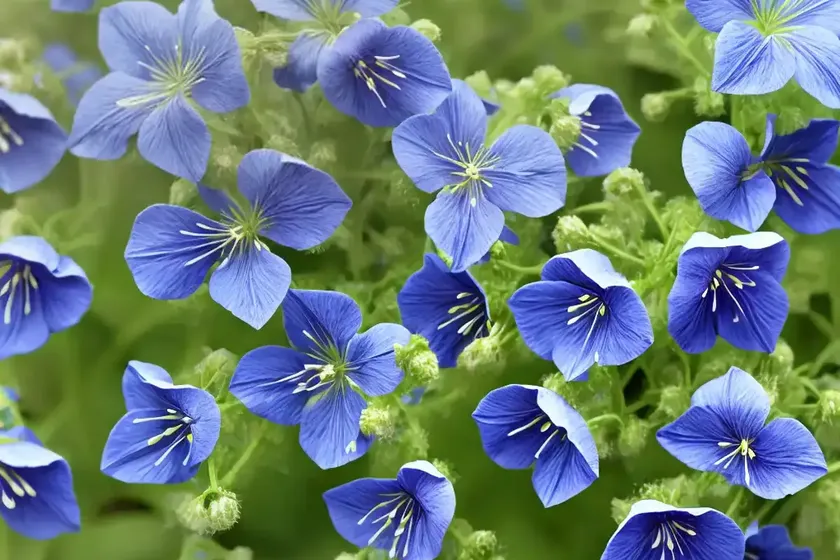
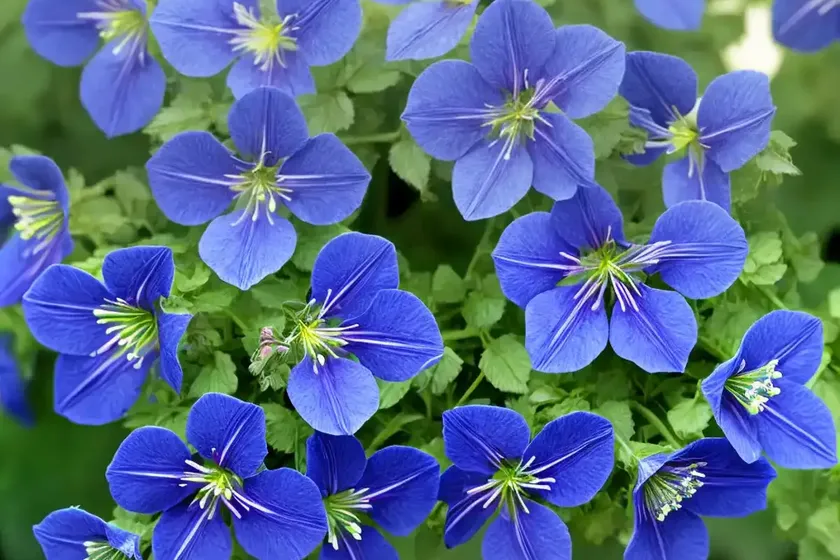
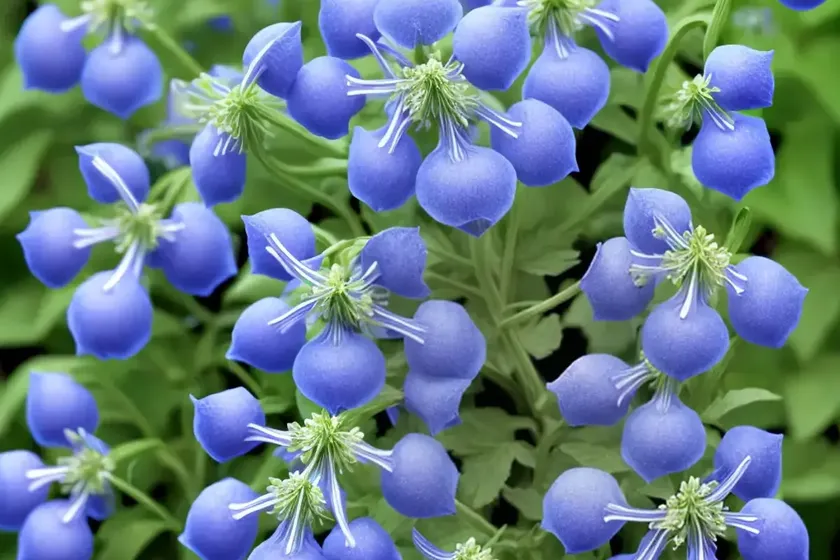
Polemonium boreale ‘Heavenly Habit’, commonly known as Northern Jacob’s Ladder, is a delightful herbaceous perennial that has gained popularity among gardeners for its beautiful foliage and delicate, pastel-colored flowers. This plant belongs to the Polemoniaceae family and is native to North America, where it grows in moist woodland areas. The ‘Heavenly Habit’ variety is valued for its compact, mounding growth habit and low maintenance requirements. In this comprehensive guide, we will explore the key aspects of caring for and cultivating this charming plant, from its cultural requirements to its common uses, and from diseases and pests to propagation and container gardening.
Key Takeaways – Polemonium boreale ‘Heavenly Habit’ (Northern Jacob’s Ladder)
Before delving into the specifics of caring for Polemonium boreale ‘Heavenly Habit’, here are the key takeaways of this plant:
- Botanical Name: Polemonium boreale ‘Heavenly Habit’
- Common Name: Northern Jacob’s Ladder
- Family: Polemoniaceae
- Growth Habit: Compact, mounding
- Use: Borders, containers, woodland gardens
- Foliage: Delicate, fern-like
- Flowers: Pastel-colored, bell-shaped
- Water Needs: Moderate to high
- Sunlight: Partial shade to full sun
- Soil Preferences: Moist, well-draining
- Hardiness: USDA zones 3-8
Culture
Uses
Polemonium boreale ‘Heavenly Habit’ is a versatile plant that can be used in various garden settings to add beauty and interest. Some common uses include:
- Borders: Its compact habit and attractive foliage make it an excellent choice for border plantings, where it adds a soft, graceful texture.
- Woodland Gardens: The delicate appearance of Northern Jacob’s Ladder makes it well-suited for planting in shaded areas, adding color and visual appeal to woodland gardens.
- Containers: Its mounding growth habit and low maintenance requirements make it an ideal candidate for container gardening, where it can be showcased on patios, decks, or balconies.
Water
This plant prefers moderately moist soil and benefits from regular watering, especially during dry periods. While it does not tolerate waterlogged conditions, it is important to keep the soil consistently moist to ensure the best growth and flowering.
Sunlight
Northern Jacob’s Ladder thrives in partial shade to full sun conditions. In warmer climates, providing some afternoon shade can help protect the plant from intense sunlight and prevent the foliage from wilting or scorching.
Fertilizer
Applying a balanced, general-purpose fertilizer in early spring, before new growth begins, can enhance the plant’s vigor and promote abundant flowering. It is important to follow the recommended dosage and avoid over-fertilization, which can lead to excessive foliage growth at the expense of flowers.
Soil
This plant prefers a rich, moist, and well-draining soil with a slightly acidic to neutral pH. Amending the soil with organic matter, such as compost or well-rotted manure, can improve its texture and fertility, creating an optimal growing environment for Northern Jacob’s Ladder.
Pruning
Pruning Polemonium boreale ‘Heavenly Habit’ is generally minimal and primarily focused on removing spent flowers to encourage continuous blooming. Additionally, removing any damaged or dead foliage can help maintain the plant’s appearance and overall health. In late fall or early spring, the plant can be cut back to ground level to rejuvenate its growth and promote a fresh flush of foliage.
Propagation
Northern Jacob’s Ladder can be propagated through division or seed.
Division:
- To propagate through division, choose a mature plant with multiple stems and a healthy root system.
- In early spring or fall, carefully dig up the plant and divide the root ball into sections, ensuring that each division has several stems and a portion of the root system.
- Replant the divisions at the same depth as the original plant, water them thoroughly, and provide appropriate care to support their establishment.
Seed:
- To propagate from seed, collect ripe seed capsules from the plant in late summer or early fall.
- Sow the seeds in a seed-starting mix, lightly covering them with soil, and keep the growing medium consistently moist.
- Place the seed trays in a warm, bright location, and the seeds should germinate within a few weeks.
- Once the seedlings have developed several sets of true leaves, they can be transplanted into individual pots or directly into the garden.
Container Popularity
The compact, mounding growth habit and low maintenance requirements of Polemonium boreale ‘Heavenly Habit’ make it a popular choice for container gardening. Its delicate foliage and charming flowers add a touch of elegance to container plantings, and it can thrive in appropriately sized pots or planters. When selecting a container for this plant, ensure that it has drainage holes to prevent waterlogging, and use a high-quality potting mix that provides good aeration and water retention.
Container Common Diseases
While growing this plant in containers can mitigate some common soil-borne diseases, certain issues may still arise. Keeping an eye out for the following diseases and promptly addressing them can help maintain the health and vigor of your container-grown Northern Jacob’s Ladder:
- Powdery Mildew: Common in humid conditions, powdery mildew appears as a white, powdery coating on the foliage. Providing adequate air circulation and applying fungicidal sprays can help prevent and control this fungal disease.
- Leaf Spot: Leaf spot diseases may cause circular, brown spots on the foliage. Removing and disposing of affected leaves and avoiding overhead watering can help reduce the incidence of this disease.
- Root Rot: Overwatering or poorly draining soil can lead to root rot, which is characterized by wilting, yellowing foliage and decayed roots. Maintaining proper watering practices and using well-draining growing medium are crucial in preventing this disease.
Disease diagnosis
Diagnosing plant diseases can be challenging, as many symptoms may overlap or mimic other issues. When observing signs of disease on Polemonium boreale ‘Heavenly Habit’, it is important to consider the plant’s overall growing conditions, recent weather patterns, and any changes in care. Examining the appearance of lesions, discoloration, or unusual growth patterns can provide clues to the specific disease affecting the plant. In some cases, seeking assistance from a local extension service or plant pathology expert may be necessary for an accurate diagnosis and appropriate treatment recommendations.
Common pests
While generally resistant to many common garden pests, Polemonium boreale ‘Heavenly Habit’ may occasionally encounter pest issues. Some of the common pests that may affect this plant include:
- Aphids: These small, soft-bodied insects feed on the sap of the plant, causing distortion of new growth and the presence of sticky honeydew.
- Spider Mites: These tiny pests may infest the foliage, causing stippling, yellowing, and webbing on the undersides of leaves.
- Slugs and Snails: These mollusks can feed on the foliage of Northern Jacob’s Ladder, leaving behind irregular holes and damage.
Regularly inspecting the plant for signs of pest activity and promptly addressing infestations can help prevent significant damage and maintain the plant’s health.
Botanist’s tips
Planting and caring for Polemonium boreale ‘Heavenly Habit’ can be a rewarding experience, and incorporating some botanist’s tips can further enhance the success of growing this charming perennial:
- Soil Preparation: Prior to planting, amend the soil with organic matter to improve its structure, fertility, and moisture retention capacity. This can create an ideal growing environment for Northern Jacob’s Ladder.
- Mulching: Applying a layer of organic mulch around the base of the plant can help conserve soil moisture, moderate temperature fluctuations, and suppress weed growth.
- Companion Planting: Pairing Northern Jacob’s Ladder with complementary plants, such as ferns, astilbes, or hostas, can create visually appealing combinations and provide a diverse habitat for beneficial insects.
Fun facts
Here are some intriguing and fun facts about Polemonium boreale ‘Heavenly Habit’ (Northern Jacob’s Ladder):
- The genus name “Polemonium” is derived from the Greek words “polemos,” meaning war, and “pius,” meaning devoted, possibly referencing the plant’s historical medicinal uses.
- Northern Jacob’s Ladder received its common name due to the arrangement of its leaflets, which resemble the rungs of a ladder.
- Some species within the Polemonium genus have been traditionally used in herbal medicine for their purported medicinal properties, such as for treating respiratory ailments and fevers.
Links to External Resources
For further information about Polemonium boreale ‘Heavenly Habit’ and related topics, explore the following external resources:
- Royal Horticultural Society – Polemonium
- Missouri Botanical Garden – Polemonium caeruleum
- North Carolina State University Extension – Polemonium
- The American Phytopathological Society – Common Diseases of Leaf Spot
In conclusion, Polemonium boreale ‘Heavenly Habit’ (Northern Jacob’s Ladder) is a delightful perennial plant that offers a mix of aesthetic appeal and low-maintenance characteristics, making it an excellent choice for a variety of garden settings. From its cultural requirements to its uses, propagation, and pest management, understanding the key aspects of caring for this plant can contribute to its successful growth and long-term enjoyment in the garden. Whether grown in borders, containers, or woodland gardens, Northern Jacob’s Ladder stands as an attractive and resilient addition to diverse landscapes, captivating with its delicate foliage and pastel blooms.


