

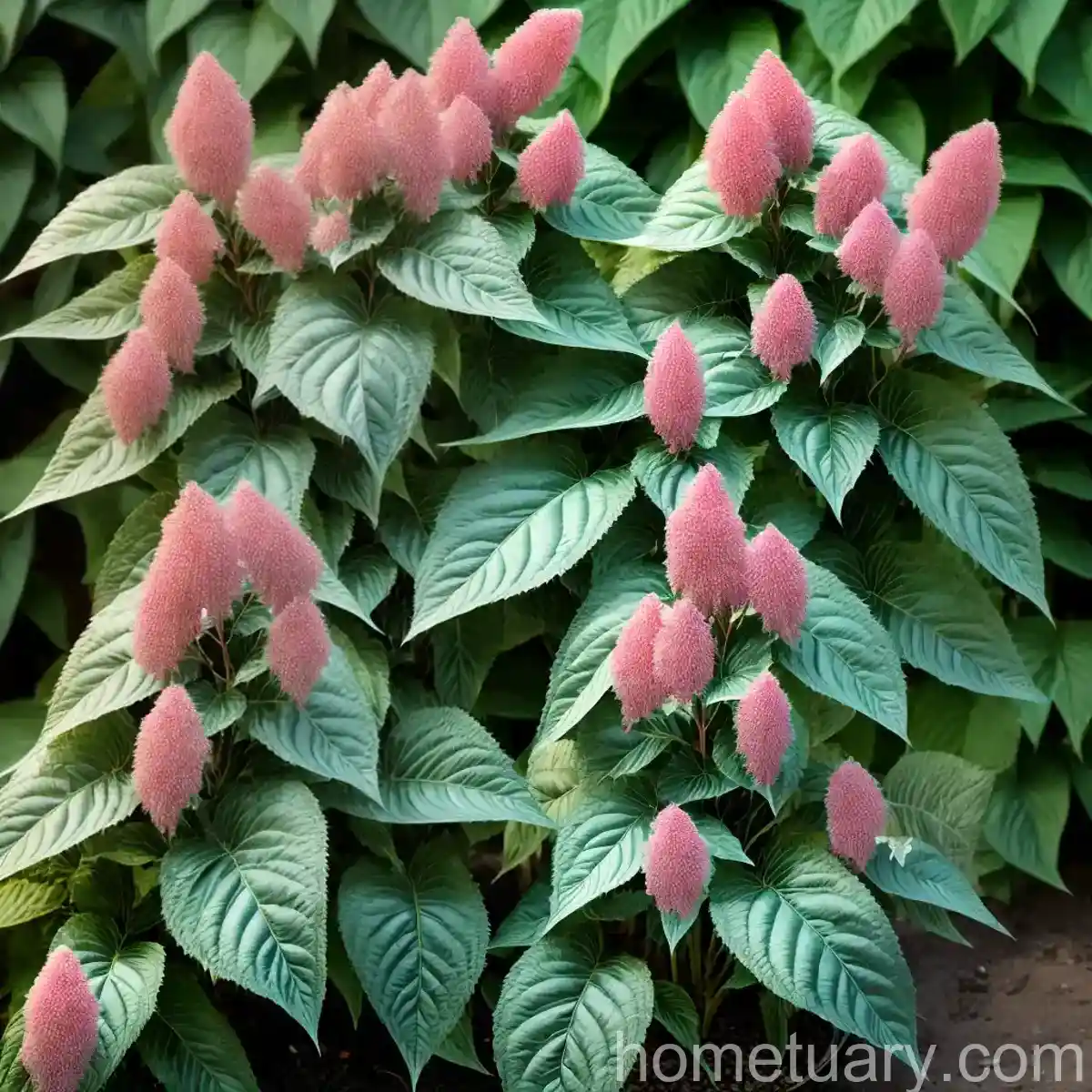
Pokeweed (Phytolacca americana)
What is Pokeweed?
Pokeweed, scientifically known as Phytolacca americana, is a fascinating plant with a rich history of medicinal, cultural, and ecological significance. Commonly found in the Eastern United States, as well as parts of Canada and Mexico, Pokeweed is a large perennial plant with striking features. It is a member of the Phytolaccaceae family and is esteemed for its traditional uses as well as its ecological contributions. In this comprehensive guide, we will explore the various aspects of Pokeweed, including its culture, uses, cultivation, and much more.

Key Takeaways
Pokeweed (Phytolacca americana)
- Scientific Name: Phytolacca americana
- Family: Phytolaccaceae
- Common Names: Pokeweed, American pokeweed, poke sallet, poke root
- Native Distribution: Eastern United States, parts of Canada and Mexico
- Lifespan: Perennial
Culture
Pokeweed holds cultural significance in various regions and communities due to its historical and traditional uses. It has been valued for centuries for its medicinal properties, as well as its role in folklore and traditional ceremonies. Additionally, Pokeweed has ecological importance in supporting various wildlife species.
Uses
The uses of Pokeweed are diverse, ranging from medicinal applications to culinary uses and even its role in wildlife habitats. It has been utilized throughout history for its potential health benefits and its contribution to traditional cultural practices.
Water
Pokeweed requires regular watering, especially during dry periods. However, it is important to ensure that the soil is well-drained to prevent waterlogging, which can lead to root rot and other issues.
Sunlight
Being a sun-loving plant, Pokeweed thrives in full sunlight. It should be planted in an area that receives at least 6-8 hours of direct sunlight daily for optimal growth and development.
Fertilizer
When cultivating Pokeweed, a balanced fertilizer can be applied during the growing season to support healthy foliage and flowering. It is essential to follow the manufacturer’s recommendations and avoid over-fertilization, which may cause adverse effects on the plant.
Soil
Pokeweed prefers rich, loamy soil with good drainage. A slightly acidic to neutral pH range of 6.0-7.0 is ideal for promoting vigorous growth and overall health.
Pruning
Pruning Pokeweed is essential to maintain its form and to remove any diseased or damaged parts. Additionally, deadheading the flowers after they fade can encourage continuous blooming.
Propagation
Pokeweed can be propagated via seeds or division. Seeds are sown in spring after the last frost, while division is best done in early spring before new growth appears, or in the fall.
Container Popularity
While Pokeweed is largely grown in outdoor gardens, it can also be cultivated in containers, making it a popular choice for urban gardening and balcony enthusiasts.
Container
When grown in a container, select a large pot with drainage holes to accommodate the plant’s sizable root system. Ensure the container receives ample sunlight and regular watering.
Common Diseases
Pokeweed is susceptible to certain diseases that can affect its overall health and vigor. Understanding these common diseases is crucial for implementing proactive measures to prevent and manage them effectively.
Disease Diagnosis
Diagnosing diseases in Pokeweed involves careful observation of symptoms such as wilting, discoloration, and abnormal growth patterns. It is advisable to consult with a plant pathologist or expert to accurately identify the specific disease.
Common Pests
Pests can pose a threat to Pokeweed, causing damage to its leaves, stems, and overall well-being. Recognizing common pests and their associated symptoms is vital for implementing pest management strategies.
Botanist’s Tips
Botanist’s tips for Pokeweed cultivation and care can offer valuable insights into optimizing its growth and addressing potential challenges that may arise during the cultivation process.
Fun Facts
Uncover intriguing and lesser-known facts about Pokeweed, shedding light on its diverse attributes and the unique role it plays in different ecosystems and human cultures.
Links to External Resources
Explore additional resources and information about Pokeweed, including its uses, cultivation tips, folklore, and ecological significance.
Phytolacca Americana Benefits
Pokeweed, scientifically known as Phytolacca americana, offers a myriad of benefits, encompassing its medicinal properties, cultural significance, and ecological contributions. Understanding the various advantages associated with this remarkable plant is essential for appreciating its multifaceted nature.
Pokeweed Uses and Properties
The uses and properties of Pokeweed are diverse, ranging from medicinal applications to its role in traditional ceremonies and its ecological significance. By delving into its uses and properties, one can gain a comprehensive understanding of the versatile nature of Pokeweed.
Phytolacca Americana Medicinal Properties
Pokeweed has been historically valued for its medicinal properties, which encompass a range of potential health benefits. Exploring its medicinal properties can provide valuable insights into its traditional uses and potential modern applications.
Pokeweed Health Benefits
Discover the potential health benefits offered by Pokeweed, shedding light on its nutritional value, potential therapeutic properties, and its role in supporting overall well-being.
Phytolacca Americana Folklore
The folklore surrounding Pokeweed is rich and diverse, with various cultural traditions and beliefs associated with the plant. Exploring its folklore can offer a unique perspective on its cultural significance and historical relevance.
Pokeweed Traditional Uses
Explore the traditional uses of Pokeweed, spanning across different cultures and time periods, highlighting its role in traditional medicine, ceremonies, and everyday practices.
Phytolacca Americana Toxicity
Understanding the toxicity of Pokeweed is crucial, as certain parts of the plant can be harmful if ingested. By gaining insights into its toxicity, one can take appropriate precautions when handling the plant.
Pokeweed Side Effects
While Pokeweed offers diverse benefits, it is important to be aware of any potential side effects associated with its use. Exploring the possible side effects can guide individuals in utilizing the plant safely and responsibly.
Phytolacca Americana Cultivation Tips
Cultivating Pokeweed successfully involves adhering to specific tips and techniques that promote its growth and well-being. By embracing cultivation tips, individuals can enhance their gardening experience and maximize the plant’s potential.
Pokeweed Gardening Tips
Gardening with Pokeweed requires specific considerations and practices to ensure its optimal development. Exploring effective gardening tips can empower individuals to cultivate Pokeweed with confidence and success.
Phytolacca Americana Herbal Remedy
Pokeweed has been utilized as an herbal remedy for various ailments, offering a natural and traditional approach to health and wellness. By exploring its herbal remedy potential, one can uncover its historical and contemporary medicinal applications.
Pokeweed Natural Medicine
The role of Pokeweed as a natural medicine extends to its potential therapeutic properties and its historical usage in addressing diverse health concerns. Discover the plant’s contributions to natural medicine and holistic healing practices.
Phytolacca Americana History
The historical significance of Pokeweed spans centuries, showcasing its impact on different cultures, traditions, and ecological systems. Exploring its history provides a profound understanding of its enduring relevance.
Pokeweed Folklore and Legends
Uncover the captivating folklore and legends associated with Pokeweed, offering insights into the cultural beliefs, stories, and symbolic meanings attributed to the plant.
Phytolacca Americana Scientific Name
Understanding the scientific name of Pokeweed, Phytolacca americana, provides a botanical foundation for comprehending its taxonomy, morphology, and evolutionary relationships within the plant kingdom.
Pokeweed Characteristics
The distinct characteristics of Pokeweed encompass its physical attributes, growth habits, and ecological adaptations, contributing to its uniqueness and ecological role.
Phytolacca Americana Edible Parts
While certain parts of Pokeweed are toxic, specific preparations render certain parts edible after proper cooking and processing. Identifying the edible parts of Pokeweed is crucial for safe consumption.
Pokeweed Cooking Recipes
Exploring cooking recipes that incorporate Pokeweed highlights its culinary potential and traditional uses, offering a glimpse into its versatility and cultural relevance in gastronomy.
Phytolacca Americana Wildlife Benefits
Pokeweed plays a vital role in supporting wildlife habitats, attracting various species and contributing to the ecological balance of natural ecosystems.
Pokeweed Birds and Animals Attracted
Discover the diverse bird and animal species attracted to Pokeweed, showcasing its significance in facilitating wildlife interactions and supporting biodiversity.
Phytolacca Americana Traditional Medicine
The traditional medicinal uses of Pokeweed span across different cultures and traditions, offering a window into its historical significance and enduring role in traditional healthcare practices.
Pokeweed Folklore in Different Cultures
Explore the cultural significance of Pokeweed in diverse societies, uncovering its role in folklore, mythology, and traditional customs across various regions.
Phytolacca Americana Native Distribution
Understanding the native distribution of Pokeweed provides insights into its natural habitat and geographical range, enriching our understanding of its ecological adaptations and relationships with the environment.
Pokeweed Invasive Species
While Pokeweed holds ecological value, it can exhibit invasive tendencies in certain environments, necessitating careful management and monitoring to prevent adverse ecological impacts.
Phytolacca Americana Herbal Uses
The herbal uses of Pokeweed encompass its diverse medicinal applications, folklore, and historical significance as a valuable natural resource with potential therapeutic properties.
Pokeweed Folk Remedies
Uncover the traditional folk remedies associated with Pokeweed, highlighting its role in addressing various health concerns and promoting well-being through traditional healing practices.
Phytolacca Americana Ecological Role
The ecological role of Pokeweed extends to its interactions with wildlife, soil health, and its contribution to ecosystem dynamics. Exploring its ecological role provides valuable insights into its environmental significance.
Pokeweed Dyeing Properties
Pokeweed exhibits dyeing properties, offering a natural source of dyes that have been employed in traditional crafts and artistic practices.
Phytolacca Americana Foraging
Foraging for Pokeweed involves ethical and responsible harvesting practices, ensuring sustainable utilization of the plant and its resources.
Pokeweed Natural Remedies
Explore the natural remedies derived from Pokeweed, offering potential health benefits and traditional applications in holistic healing practices.
Phytolacca Americana Ornamental Plant
Pokeweed’s ornamental qualities make it a compelling choice for landscape and garden designs, adding visual interest and ecological value to outdoor spaces.
Pokeweed Garden Decoration
Incorporating Pokeweed into garden designs and decorations showcases its aesthetic appeal and natural charm, enriching outdoor environments with its unique presence.
Phytolacca Americana Traditional Uses in Native American Culture
Uncover the traditional uses of Pokeweed in Native American culture, shedding light on its sacred symbolism and its role in traditional customs and ceremonies.
Pokeweed Spiritual Significance
The spiritual significance of Pokeweed spans across different traditions and cultures, revealing its symbolic meanings and its connection to spiritual beliefs and practices.
Phytolacca Americana Folklore in European Mythology
Explore the folklore of Pokeweed in European mythology, uncovering its symbolic significance, cultural associations, and its portrayal in ancient narratives and beliefs.
Pokeweed Historical Uses
The historical uses of Pokeweed offer a glimpse into its diverse applications throughout history, demonstrating its enduring relevance and cultural value.
Phytolacca Americana Ethnobotanical Importance
The ethnobotanical importance of Pokeweed encompasses its role in traditional knowledge systems, cultural practices, and its contributions to human well-being across different societies.
Pokeweed Traditional Healing Practices
Discover the traditional healing practices associated with Pokeweed, showcasing its role in traditional medicine and its potential therapeutic properties utilized for health and wellness.
Phytolacca Americana Cultural Relevance
The cultural relevance of Pokeweed extends to its presence in art, music, literature, and traditional customs, reflecting its enduring significance in human culture.
Pokeweed Folklore in Folk Medicine Practices
Explore the folklore of Pokeweed in folk medicine practices, uncovering its historical uses, beliefs, and symbolic meanings associated with healing and well-being.
Phytolacca Americana Toxicology
Understanding the toxicology of Pokeweed is vital for ensuring safe handling and utilization of the plant, as well as raising awareness about potential risks and precautions.
Pokeweed Plant Anatomy
Exploring the plant anatomy of Pokeweed provides a detailed understanding of its physical structures, growth patterns, and adaptations that contribute to its ecological success.
Phytolacca Americana Environmental Impact
The environmental impact of Pokeweed extends to its interactions with natural ecosystems, wildlife, and its potential role in ecological restoration and conservation efforts.
Pokeweed Pharmacological Properties
Discover the pharmacological properties of Pokeweed, offering insights into its potential medicinal uses and its impact on human health and well-being.
Phytolacca Americana Culinary Uses
Exploring the culinary uses of Pokeweed showcases its versatility in gastronomy and its traditional significance in regional cuisines and culinary traditions.
Pokeweed Traditional Ceremonies
Uncover the role of Pokeweed in traditional ceremonies, rituals, and cultural practices, highlighting its symbolic value and spiritual significance.
Phytolacca Americana Folklore in Spiritual Rituals
Explore the folklore of Pokeweed in spiritual rituals, uncovering its symbolic meanings, ceremonial uses, and its role in spiritual and religious contexts.
Pokeweed Natural Pest Control
Pokeweed exhibits natural pest control properties, contributing to ecological balance and providing natural alternatives for managing pests in garden and agricultural settings.
Phytolacca Americana Gardening Techniques
Understanding effective gardening techniques for Pokeweed can empower individuals to cultivate and maintain the plant with proficiency and success.
Pokeweed Ethnopharmacology
The ethnopharmacology of Pokeweed encompasses its traditional medicinal uses across different cultures and societies, reflecting its diverse contributions to human health and well-being.
In conclusion, Pokeweed (Phytolacca americana) stands as a remarkable plant with a wealth of cultural, ecological, and medicinal value. From its traditional uses in medicine and folklore to its ecological role in supporting wildlife habitats, Pokeweed continues to captivate and intrigue plant enthusiasts, herbalists, and conservationists alike. By delving into the diverse facets of Pokeweed, we can appreciate its multifaceted nature and the enduring impact it holds in various aspects of human culture and the natural world.
For more information and details, please refer to the following external resources:
- Pokeweed Plant Profile – USDA
- The Role of Pokeweed in Wildlife Habitats – National Wildlife Federation
- The Medicinal Potential of Pokeweed – Journal of Ethnopharmacology
Remember to always consult with a qualified professional before using any plant for medicinal purposes. Additionally, exercise caution when handling Pokeweed due to certain toxic properties associated with specific parts of the plant.
References:
USDA. “Phytolacca americana (Pokeweed).” https://plants.usda.gov/core/profile?symbol=PHAM
National Wildlife Federation. “The Role of Pokeweed in Wildlife Habitats.” https://www.nwf.org/Educational-Resources/Wildlife-Guide/Plants-and-Fungi/Pokeweed
Cai, X., et al. “Anticancer Properties of Phytolacca americana: From Folklore to Modern Anticancer Medicines.” Journal of Ethnopharmacology, vol. 209, 2018, pp. 189-203. https://www.sciencedirect.com/science/article/abs/pii/S037887411731763X




