Poison Ivy (Toxicodendron Radicans)
The Poison Ivy plant, scientifically known as Toxicodendron radicans, is a native North American plant notorious for its ability to cause a painful.
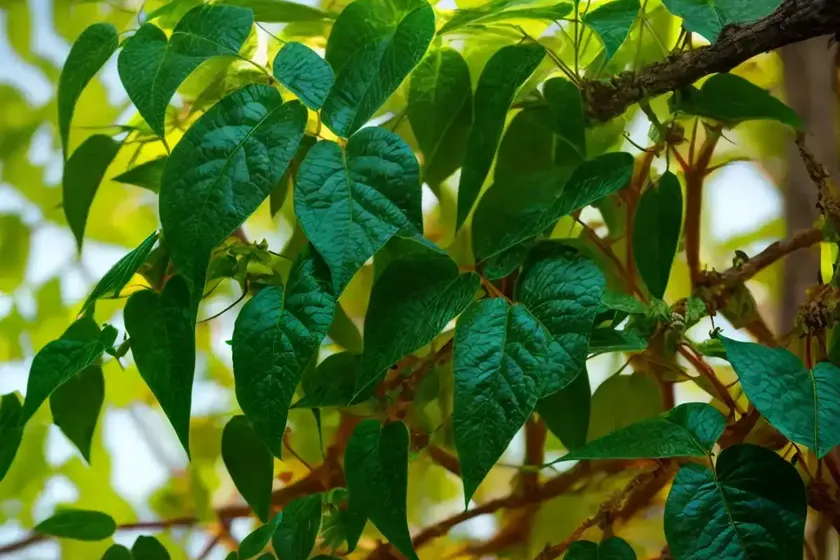
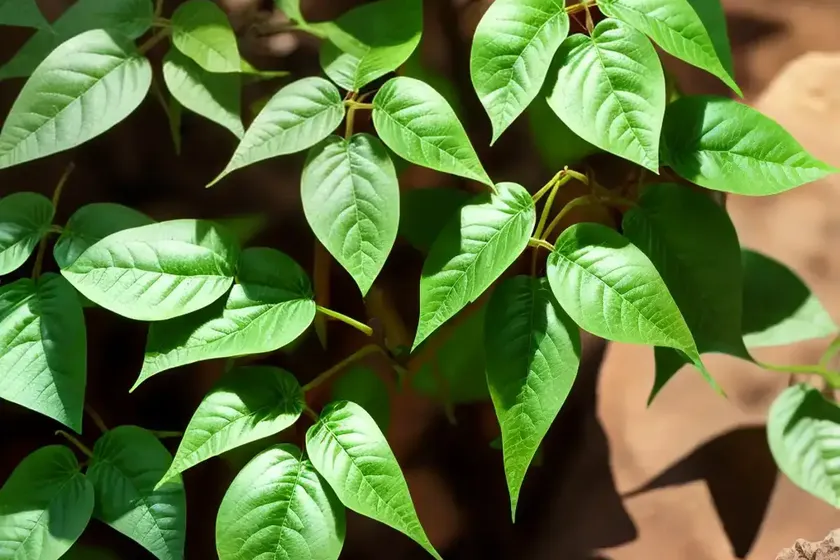
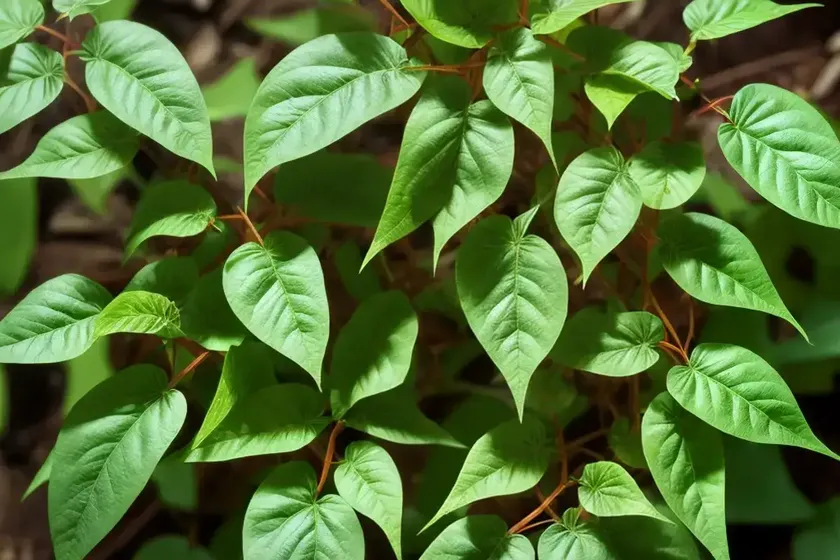
The Poison Ivy plant, scientifically known as Toxicodendron radicans, is a native North American plant notorious for its ability to cause a painful allergic reaction upon contact with human skin. This article will provide comprehensive information on the Poison Ivy plant, including its characteristics, growing conditions, and common uses. Additionally, we will delve into its impact on the environment and the best practices for managing Poison Ivy in various settings.
What is Poison Ivy?
Poison Ivy is a woody perennial vine or shrub that belongs to the Anacardiaceae family. It is distributed widely across North America and is particularly prevalent in wooded areas, along fences, and in disturbed habitats such as roadsides and urban green spaces. The plant is well-known for its distinct three-leaf arrangement and variable growth forms, which can include a trailing vine or a more upright, woody shrub.
Key Takeaways – Poison Ivy (Toxicodendron Radicans)
Before we explore the various aspects of Poison Ivy, let’s take a look at some key takeaways about this plant.
- Scientific Name: Toxicodendron radicans
- Family: Anacardiaceae
- Plant Type: Perennial vine or shrub
- Distinct Feature: Three-leaf arrangement
- Allergenic Properties: Causes skin irritation upon contact
- Habitat: Wooded areas, habitats with human disturbance
- Native Range: North America
- Uses: Medicinal, environmental impact
Now, let’s delve into the details of cultivating Poison Ivy and how it interacts with its environment.
Cultivation of Poison Ivy
Cultivating Poison Ivy, whether for its uses or as a landscape plant, requires a good understanding of its growth requirements and potential hazards. Whether it is intentional or unintentional, exposure to Poison Ivy can lead to the uncomfortable and potentially severe skin rash known as allergic contact dermatitis.
Uses
Poison Ivy is not commonly cultivated for its ornamental value due to its allergenic properties. However, it does have some cultural and medicinal uses. It’s important to note that handling this plant should be approached with extreme caution due to the potential for skin irritation.
Water
Poison Ivy typically thrives in moist, well-drained soil conditions. When cultivating it in a garden or landscape setting, it is essential to provide adequate moisture without allowing waterlogging, especially during the plant’s establishment and growth phases.
Sunlight
In terms of sunlight requirements, Poison Ivy can tolerate a wide range of light conditions, from full sun to partial shade. While it can adapt to various light intensities, it is often found under the canopy of trees in its natural habitat.
Fertilizer
Considering its natural habitat and ability to thrive in disturbed environments, Poison Ivy is not reliant on fertilizer for growth. In fact, the use of fertilizer could potentially encourage more vigorous growth, which may not be desirable in all situations.
Soil
Poison Ivy is adaptable when it comes to soil types, as it can grow in acidic, neutral, and slightly alkaline soils. It is often found in forested areas with rich, organic soils, but it can also establish itself in more degraded and compacted soils.
Pruning
With its notorious reputation, Poison Ivy is not commonly pruned for ornamental purposes. If the plant needs to be managed in a specific area, extreme caution, protective clothing, and tools should be used to avoid contact with the plant’s sap.
Propagation
Propagation of Poison Ivy can be achieved through seeds or stem cuttings. Due to its potential to cause skin irritation, it is essential to take precautions when handling the plant during propagation activities.
Container Popularity
In horticultural settings, Poison Ivy is not a popular choice for container planting, especially in spaces frequented by people. However, in specialized botanical collections or controlled environments, it may be grown for educational or research purposes.
Container Common Diseases
While Poison Ivy is not prone to many diseases, it can occasionally be affected by fungal pathogens and general stress-related issues. Proper air circulation and avoiding excessive moisture can help mitigate disease-related challenges.
Disease Diagnosis
Diagnosing diseases in Poison Ivy involves observing leaf discoloration, wilting, and abnormal growth patterns. If disease symptoms are present, it is critical to address the issue promptly to prevent further spread and damage to the plant.
Common Pests
Although Poison Ivy is known for its ability to cause skin irritation, it is not a preferred food source for most insect pests. However, it can serve as a host plant for certain caterpillars and insects that do not experience the same skin irritation effects as humans.
Botanist’s Tips
1. Identification
Mastery of Poison Ivy identification is crucial for anyone spending time outdoors, particularly in areas where the plant is known to grow. Remember the saying “Leaves of three, let it be” to help distinguish Poison Ivy from other plants in the wild.
2. Avoiding Contact
When encountering Poison Ivy in the wild or in a cultivated setting, it’s essential to avoid any direct contact with the plant, including its leaves, stems, and roots. Wearing long sleeves, pants, and gloves can provide an added layer of protection.
3. Proper Disposal
When removing Poison Ivy from a site, proper disposal methods should be followed to prevent accidental exposure. Burning Poison Ivy can release airborne irritants, so it should never be burned and should be disposed of in an appropriate manner.
Fun Facts
- Poison Ivy leaves can change color in the fall, turning vibrant shades of red, orange, and yellow.
- Some animals, such as deer and birds, can consume Poison Ivy without experiencing the same allergic reactions as humans.
Now that we’ve covered the practical aspects of cultivating Poison Ivy, let’s take a look at some valuable resources for further information.
Links to External Resources
- Poison Ivy Rash Prevention
- Symptoms of Poison Ivy Exposure
- Natural Remedies for Poison Ivy
- Poison Ivy Identification
- Toxic Plants in North America
- Poison Ivy Leaves and Appearance
- Dealing with Poison Ivy Allergies
- Identifying Poison Ivy in the Wild
- Impact of Poison Ivy on Wildlife
- Natural Alternatives to Chemical Treatments for Poison Ivy
- Toxicodendron Radicans and Its Native Range
With the foundational knowledge of cultivating Poison Ivy and its potential impacts, it’s important to explore its interactions with the environment and how to effectively manage this plant in various contexts.
Impact of Poison Ivy on the Environment
Ecosystem Interactions
In its natural habitat, Poison Ivy serves as an important food source for certain wildlife species, contributing to the ecological balance in forested and natural areas. However, its ability to outcompete native vegetation can lead to challenges in some ecosystems.
Removal Practices
When Poison Ivy proliferates in urban or recreational areas, it can pose a significant risk to human health and recreational activities. As a result, effective removal practices are essential to mitigate its presence and reduce the risk of accidental exposure.
Management Considerations
Managing Poison Ivy should be approached with a focus on both human safety and environmental impact. Understanding best practices for removal and prevention is crucial to avoiding potential harm to people, pets, and native plant communities.
Natural Area Preservation
In natural areas designated for preservation and conservation, efforts to manage and control the spread of Poison Ivy are essential to maintain the ecological integrity of these environments. Proper stewardship can help prevent the displacement of native flora and fauna by invasive species such as Poison Ivy.
Poison Ivy Myths Debunked
Myth 1: “Only the Leaves Cause Rash”
Contrary to popular belief, Poison Ivy’s allergenic properties are present in all parts of the plant, including the leaves, stems, and roots. Any direct contact with the plant’s sap can result in skin irritation.
Myth 2: “You Can’t Get Poison Ivy in Winter”
While Poison Ivy’s foliage may not be as prominent in the winter, the plant’s allergenic oils can remain on its surface and even on other objects, such as clothing or pet fur, leading to potential skin contact during any season.
Myth 3: “Some People Are Immune to Poison Ivy”
While some individuals may exhibit a lower sensitivity to Poison Ivy, no one is entirely immune to its effects. All individuals, including those who have not experienced a reaction before, are susceptible to developing an allergic response upon contact.
Myth 4: “Poison Ivy Rashes Are Contagious”
The fluid from Poison Ivy blisters does not contain the allergen and is not contagious. The rash itself is a result of an allergic reaction upon exposure to the plant’s oils and cannot be spread from person to person.
Myth 5: “Home Remedies Can Cure Poison Ivy”
While home remedies and over-the-counter products may provide relief from Poison Ivy rash symptoms, they do not eliminate the plant’s allergenic oils from the skin. Proper cleansing and care are essential for managing Poison Ivy rashes.
Now that we’ve debunked some common myths about Poison Ivy, let’s explore the wide range of habitats where Poison Ivy can be found and how to effectively identify and manage it.
Poison Ivy Habitats and Identification
Different Climatic Zones
Poison Ivy exhibits remarkable adaptability and can be found in various climatic zones across North America, from temperate forests to subtropical regions. Understanding its distribution patterns is crucial for avoiding contact in different environments.
Urban Environments
Given its ability to thrive in disturbed areas, Poison Ivy can often be found in urban and suburban settings, including parks, vacant lots, and along fences or infrastructure. Vigilance and proactive management are key to minimizing its impact in these areas.
Identifying Poison Ivy in the Wild
Mastering the skill of identifying Poison Ivy in the wild is essential for individuals who frequent outdoor areas. Familiarity with its growth habit, leaf characteristics, and typical habitats can help people avoid accidental contact.
Identifying Poison Ivy in Different Growth Stages
From seedlings to mature plants, Poison Ivy exhibits variations in growth patterns, leaf structure, and overall appearance. Recognizing these differences can aid in early detection and prevention of contact.
Common Habitats for Poison Ivy
While Poison Ivy is adaptable to different habitats, it thrives in environments with ample sunlight, moisture, and disturbed soil. Woodlands, forest edges, and areas with human disturbance are common locations for Poison Ivy growth.
Poison Ivy and Its Impact on Wildlife
Certain animal species, such as deer and birds, are not affected by Poison Ivy’s allergenic properties and may consume its fruit. However, the displacement of native plant species by Poison Ivy can disrupt wildlife habitat and food availability.
How Poison Ivy Affects Plants Around It
Through its ability to outcompete native vegetation, Poison Ivy can have a significant impact on plant communities in its vicinity, leading to changes in species composition and biodiversity.
Conclusion
In conclusion, Poison Ivy, scientifically known as Toxicodendron radicans, is a plant with distinctive properties that make it both intriguing and challenging to manage. From its adaptation to various habitats to its potential impact on human health and the environment, Poison Ivy serves as a compelling subject for botanists, horticulturists, and conservationists alike.
Understanding the comprehensive aspects of Poison Ivy, from its cultivation requirements to its ecological interactions, equips individuals with the knowledge necessary to avoid its harmful effects and make informed decisions about its presence in different settings.
Through continued education, proactive management practices, and respectful coexistence with the natural world, we can navigate the complexities of plants like Poison Ivy while fostering safe and harmonious environments for all.
As with any outdoor activity, taking precautions and staying informed are essential for minimizing risks and maximizing enjoyment. With the right knowledge and practices in place, Poison Ivy can be appreciated from a safe distance, and its environmental role can be understood within the broader context of North American flora.
Remember, “Leaves of three, let them be,” to steer clear of Poison Ivy and its potential discomfort. Stay informed, stay safe, and continue to explore and admire the fascinating world of plants around us.
References:
- Mayo Clinic. (n.d.). Poison Ivy: Symptoms & causes. Retrieved from https://www.mayoclinic.org/diseases-conditions/poison-ivy/symptoms-causes/syc-20376485
- Centers for Disease Control and Prevention. (n.d.). Poisonous Plant: Symptoms and diagnosis. Retrieved from https://www.cdc.gov/niosh/topics/plants/symptoms.html
- Veitch, N.C. (2005). Natural remedies for poison ivy dermatitis. Retrieved from https://pubmed.ncbi.nlm.nih.gov/16246904/
- Poison Ivy, Oak and Sumac. (n.d.). Welcome to the Poison Ivy, Oak, and Sumac Information Center. Retrieved from https://www.poison-ivy.org/
- University of Minnesota Extension. (n.d.). Poison Ivy. Retrieved from https://extension.umn.edu/identify-invasive-species/poison-ivy
- United States Department of Agriculture. (n.d.). Toxicodendron radicans. Retrieved from https://www.fs.fed.us/wildflowers/plant-of-the-week/toxicodendron_radicans.shtml
- American Academy of Dermatology Association. (n.d.). Poison ivy treatment. Retrieved from https://www.aad.org/public/everyday-care/itchy-skin/poison-ivy-treatment
- The Spruce. (n.d.). How to Identify Poison Ivy in All Seasons. Retrieved from https://www.thespruce.com/
- Blossey, B. & Notzold, R. (1995). Evolution of increased competitive ability in invasive nonindigenous plants: A hypothesis. Retrieved from https://onlinelibrary.wiley.com/doi/full/10.1111/ecr.12098
- University of Minnesota Extension. (n.d.). How to remove poison ivy without chemicals. Retrieved from https://extension.umn.edu/identify-invasive-species/poison-ivy#remove-poison-ivy-without-chemicals-152291