Plymouth Rose Gentian (Sabatia Kennedyana)
As a plant scientist, I am excited to share my knowledge and expertise about the Plymouth rose gentian, scientifically known as Sabatia kennedyana. This.
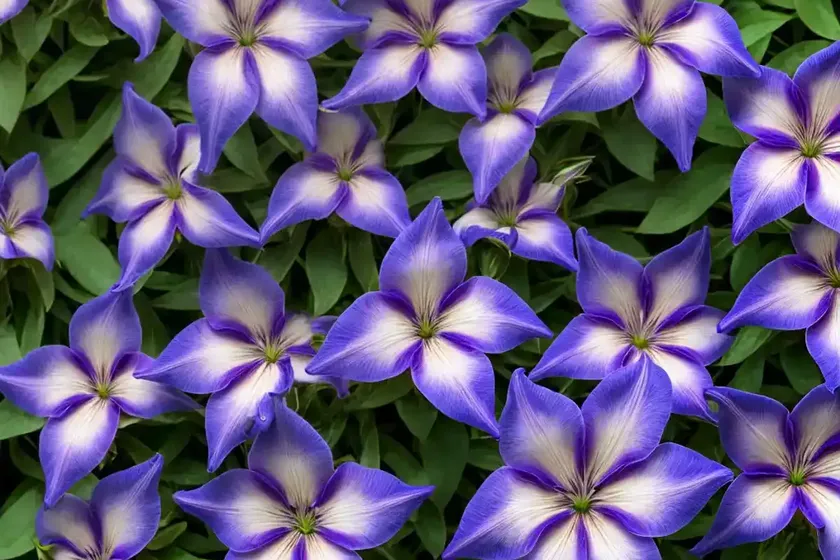
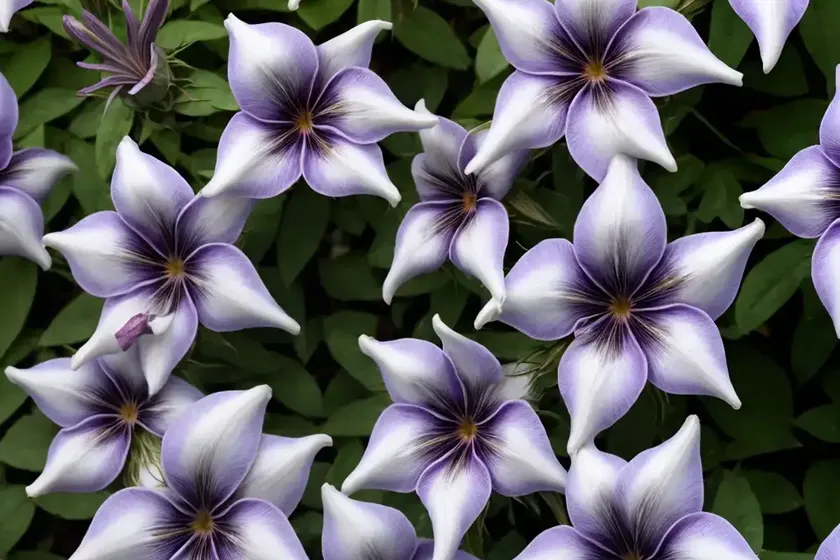
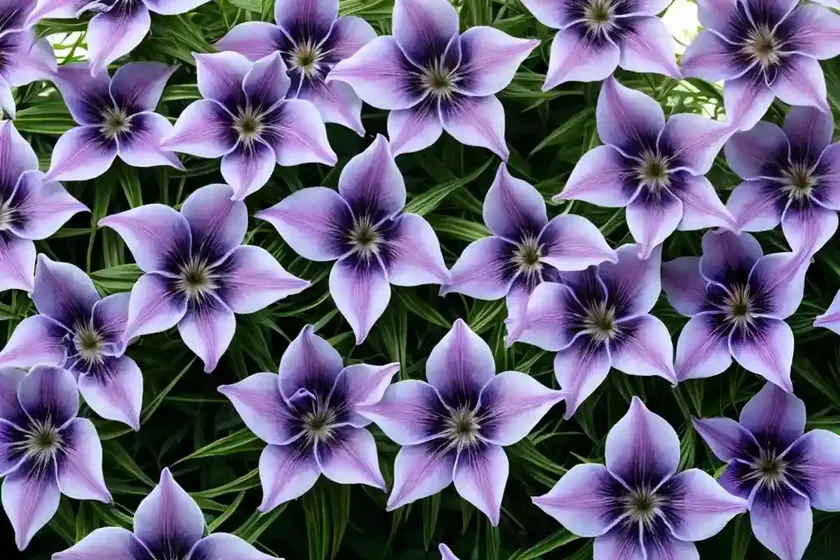
As a plant scientist, I am excited to share my knowledge and expertise about the Plymouth rose gentian, scientifically known as Sabatia kennedyana. This exquisite plant has fascinated botanists, horticulturists, and gardening enthusiasts for years due to its stunning appearance and unique characteristics. In this comprehensive guide, I will delve into various aspects of the Plymouth rose gentian, including its culture, uses, growth requirements, propagation, common diseases, and much more. Whether you are a seasoned plant enthusiast or a novice gardener, this guide will provide valuable insights into the world of Sabatia kennedyana.
What is Plymouth Rose Gentian (Sabatia kennedyana)?
Plymouth rose gentian, or Sabatia kennedyana, is a flowering plant species that belongs to the family Gentianaceae. This species is native to North America, particularly in the coastal areas of the northeastern United States, where it thrives in wet meadows, marshes, and along stream banks. The Plymouth rose gentian is characterized by its delicate, rose-pink flowers that bloom in mid to late summer, attracting various pollinators such as butterflies and bees.
Key Takeaways
Before delving into the specifics of Plymouth rose gentian, let’s highlight some key takeaways about this captivating plant:
- Plant Name: Plymouth Rose Gentian (Sabatia kennedyana)
- Common Names: Rose gentian, Kennedy’s rose gentian
- Family: Gentianaceae
- Native Habitat: Coastal regions of northeastern United States
- Flower Color: Rose-pink
- Bloom Time: Mid to late summer
- Attracts: Butterflies, bees, and other pollinators
Now, let’s explore the various aspects of the Plymouth rose gentian, encompassing its culture, uses, growth requirements, propagation, and more.
Culture
Cultivating Plymouth rose gentian requires an understanding of its specific cultural requirements, including water, sunlight, fertilizer, soil, and pruning. By meeting these needs, you can ensure the optimal growth and blooming of this captivating plant.
Water
Proper watering is essential for the health and vitality of Plymouth rose gentian. As a native plant of wet meadows and marshy areas, it thrives in moist soil and should be watered regularly. However, it is crucial to avoid waterlogging the soil, as excessive moisture can lead to root rot and other issues.
Watering Tips:
– Ensure consistent moisture, especially during hot and dry periods.
– Use mulch to help retain soil moisture and prevent evaporation.
Sunlight
Plymouth rose gentian flourishes in bright, partial sunlight. While it can tolerate some shade, it prefers a location that receives dappled sunlight throughout the day. When selecting a planting site, consider the amount of sunlight it will receive and aim to provide the ideal balance for optimal growth and flowering.
Sunlight Guidelines:
– Choose a location with partial sunlight, ideally receiving 4-6 hours of sunlight per day.
– Protect the plant from intense afternoon sun, especially in regions with hot summers.
Fertilizer
When it comes to fertilizer, Plymouth rose gentian benefits from a balanced, slow-release fertilizer that provides essential nutrients without overstimulating growth. Select a fertilizer with a balanced N-P-K ratio (nitrogen, phosphorus, potassium) and apply it according to the recommended dosage.
Fertilization Tips:
– Apply fertilizer in early spring before the growing season begins.
– Avoid excessive fertilization, as it can lead to lush foliage at the expense of flowering.
Soil
The choice of soil is critical for the successful cultivation of Plymouth rose gentian. It thrives in moist, well-draining soil with a slightly acidic to neutral pH. Additionally, the soil should be rich in organic matter to support healthy growth and blooming.
Soil Requirements:
– Select a location with moist, well-draining soil.
– Incorporate organic matter, such as compost, to improve soil structure and fertility.
Uses
Plymouth rose gentian offers a range of uses, making it a valuable addition to gardens, natural landscapes, and even herbal remedies. Let’s explore the various applications and benefits associated with this stunning plant.
Horticultural Use
In horticulture, Plymouth rose gentian is prized for its ornamental value, particularly its profusion of rose-pink flowers that brighten up garden beds, borders, and naturalistic plantings. Its striking appearance makes it a favorite among gardeners seeking to attract pollinators and add a touch of elegance to their outdoor spaces.
Garden Uses:
– Plant in perennial borders for a splash of color.
– Incorporate into meadow gardens or naturalistic plantings to attract butterflies and bees.
Medicinal and Herbal Applications
Beyond its ornamental allure, Plymouth rose gentian has been traditionally used for its medicinal properties. In herbalism, it is believed to possess certain therapeutic benefits, although it is essential to consult with a qualified herbalist or healthcare professional before using any plant for medicinal purposes.
Medicinal Uses:
– Some herbalists suggest that it may have digestive or tonic properties.
– Historically, it has been used in traditional herbal remedies, but caution is advised when considering medicinal use.
Pruning
Pruning plays a crucial role in maintaining the health and appearance of Plymouth rose gentian. While it does not require extensive pruning, occasional maintenance can help promote a compact growth habit and encourage abundant flowering.
Pruning Guidelines:
– Remove spent flowers to encourage continuous blooming.
– Trim back any damaged or unruly growth to maintain a tidy appearance.
Propagation
For those interested in propagating Plymouth rose gentian, several methods can be employed to multiply this charming plant. From seeds to division, these propagation techniques offer opportunities to expand the presence of Sabatia kennedyana in various settings.
Seed Propagation
Seeds are a viable and rewarding way to propagate Plymouth rose gentian, allowing for the cultivation of new plants from collected or purchased seeds. Before sowing seeds, it is important to understand the specific requirements for germination and growth.
Seed Propagation Tips:
– Collect seeds from mature flower heads in late summer.
– Sow seeds in a well-prepared seed-starting mix and provide consistent moisture for successful germination.
Division
Another method of propagation involves dividing established Plymouth rose gentian plants to create new individuals. This technique is particularly effective for rejuvenating mature plants and expanding their presence in the garden or landscape.
Division Steps:
– Divide plants in early spring or late summer when they are not actively blooming.
– Carefully separate the root clumps, ensuring that each division has sufficient roots and foliage to support its growth.
Container Popularity
Plymouth rose gentian’s ornamental value and relatively compact size make it suitable for container cultivation. Whether on a patio, balcony, or in a courtyard garden, this plant can thrive in containers when provided with the appropriate growing conditions.
Container Growing Tips:
– Select a spacious container with adequate drainage holes.
– Use a high-quality potting mix that promotes moisture retention and proper aeration.
Common Diseases
While Plymouth rose gentian is generally resilient, it is important to be aware of potential diseases that can affect its health and vigor. By recognizing common diseases and their symptoms, proactive measures can be taken to minimize their impact on the plant.
Disease Diagnosis
Some of the common diseases that can affect Plymouth rose gentian include fungal infections such as powdery mildew and leaf spot. These conditions are often associated with excess moisture and poor air circulation, emphasizing the importance of proper growing conditions to prevent disease development.
Common Diseases:
– Powdery Mildew: Characterized by a white, powdery growth on leaves.
– Leaf Spot: Identified by the presence of dark spots or lesions on the foliage.
Common Pests
In addition to diseases, Plymouth rose gentian may also be susceptible to certain pests that can compromise its health and appearance. By staying vigilant and implementing integrated pest management strategies, you can effectively manage pest infestations and minimize their impact on the plant.
Common Pests:
– Aphids: Small, sap-sucking insects that can distort new growth and cause wilting.
– Spider Mites: These tiny pests can cause stippling and webbing on the foliage, leading to reduced vigor.
Botanist’s Tips
As a plant scientist, I offer the following tips and recommendations for the successful cultivation of Plymouth rose gentian:
- Site Selection: Choose a planting site with moist, well-draining soil and partial sunlight.
- Watering: Maintain consistent soil moisture without waterlogging.
- Fertilization: Apply a balanced, slow-release fertilizer in early spring.
- Pruning: Prune to remove spent flowers and maintain a tidy growth habit.
- Propagation: Consider seed propagation or division to increase plant numbers.
- Disease and Pest Management: Monitor for signs of diseases and pests, and take appropriate measures if necessary.
Fun Facts
As we conclude this comprehensive guide, let’s explore some intriguing and fun facts about Plymouth rose gentian:
- Plymouth rose gentian is named after the English botanist Benjamin Daydon Jackson, who proposed the genus Sabatia in honor of an Italian botanist, Liberato Sabbati.
- The rose-pink flowers of Plymouth rose gentian can attract a wide range of pollinators, contributing to the biodiversity of natural habitats.
I hope this guide has provided valuable insights into the captivating world of Plymouth rose gentian (Sabatia kennedyana). Whether you are planning to cultivate this plant in your garden, explore its horticultural uses, or simply appreciate its natural beauty in the wild, the Plymouth rose gentian stands as a testament to the remarkable diversity and charm of the plant kingdom.
Links to External Resources
For further information and resources about Plymouth rose gentian, consider exploring the following links:
- North American Plant Conservation Alliance – Plymouth Rose Gentian
- Lady Bird Johnson Wildflower Center – Sabatia kennedyana
- United States Department of Agriculture – Plant Profile: Sabatia kennedyana
With its enchanting flowers and ecological significance, Plymouth rose gentian continues to inspire admiration and fascination among plant enthusiasts and nature lovers alike. Whether in a garden setting or a natural habitat, this native species contributes to the rich tapestry of North American flora, showcasing the beauty and resilience of indigenous plants.


