Plumbago Auriculata F. Alba (White Cape Leadwort)
Plumbago auriculata f. alba, commonly known as White Cape Leadwort, is a visually striking and beloved plant among gardening enthusiasts. With its delicate.
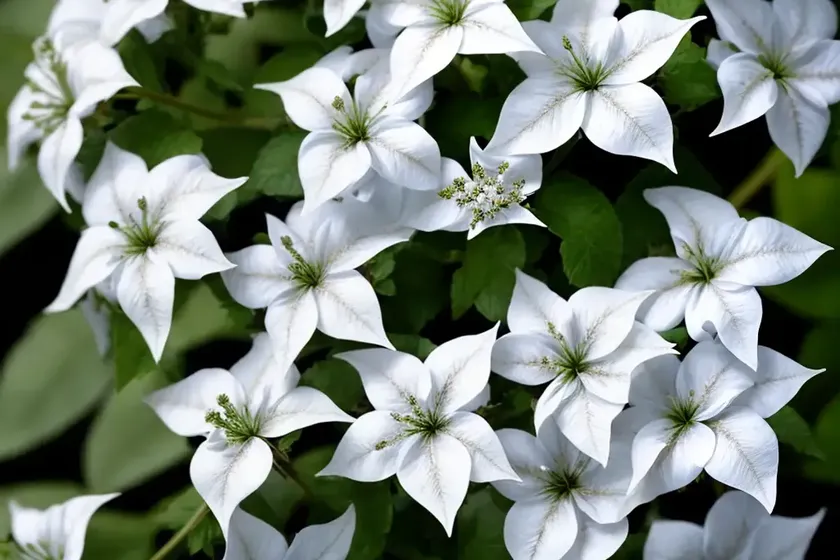
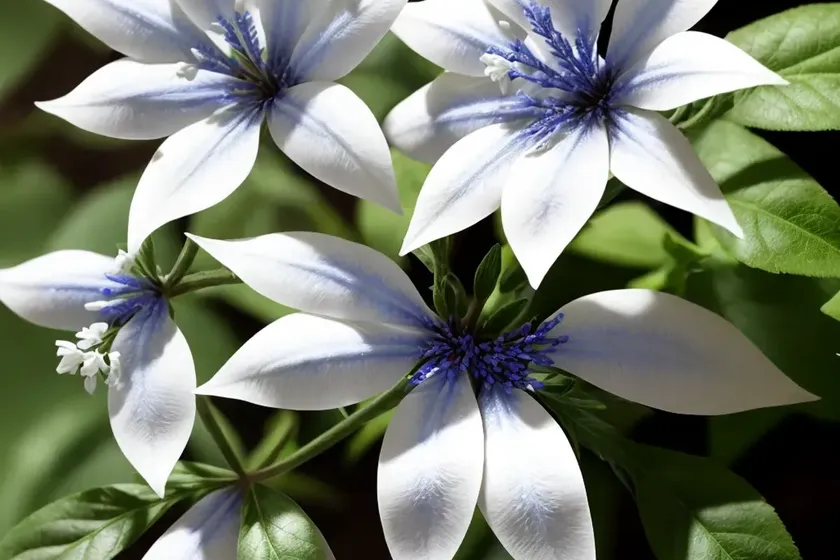
Plumbago auriculata f. alba, commonly known as White Cape Leadwort, is a visually striking and beloved plant among gardening enthusiasts. With its delicate white blooms and lush green foliage, this plant has found its way into gardens, landscapes, and containers around the world.
In this comprehensive guide, we will explore the various aspects of cultivating and caring for Plumbago auriculata f. alba. From its cultural requirements to potential diseases and pests, we will cover everything you need to know to successfully grow and maintain this beautiful plant. Let’s dive in and uncover the secrets to nurturing the White Cape Leadwort to its full potential.
What is Plumbago auriculata f. alba (White Cape Leadwort)?
Plumbago auriculata f. alba, a variety of the species Plumbago auriculata, is a flowering shrub native to South Africa. It belongs to the family Plumbaginaceae and is known for its profuse white blossoms that adorn the plant throughout the growing season. This variety is prized for its ornamental value and is often used in landscaping, container gardening, and as a border plant.
Key Takeaways – Plumbago auriculata f. alba (White Cape Leadwort)
Before we delve into the specific aspects of the care and cultivation of White Cape Leadwort, let’s summarize the key takeaways of this guide. Understanding these points will provide a solid foundation for successfully growing and maintaining Plumbago auriculata f. alba:
- Plant Name: Plumbago auriculata f. alba (White Cape Leadwort)
- Family: Plumbaginaceae
- Common Names: White Cape Leadwort, White-flowering Plumbago
- Native Habitat: South Africa
- Ornamental Features: Profuse white blooms, lush green foliage
- Cultural Uses: Landscaping, container gardening, borders
- Key Care Aspects: Water, sunlight, fertilizer, soil, pruning, propagation
- Challenges: Common diseases and pests
- Botanist’s Tips: Expert insights for successful cultivation
- Fun Facts: Intriguing and fascinating information about the plant
Now that we have a general overview of Plumbago auriculata f. alba, let’s dig deeper into its specific care requirements and characteristics.
Culture
Cultivating Plumbago auriculata f. alba successfully requires an understanding of its cultural needs. By providing the right environment and care, you can encourage robust growth and abundant flowering in this beautiful plant.
Uses
Plumbago auriculata f. alba is highly versatile and finds various uses in both ornamental and practical applications. Its primary uses include:
-
Landscaping: The plant is often employed in landscaping to add a touch of elegance and charm. It can be used as a border plant, in mixed shrub borders, or as a standalone feature. The white blooms create a striking contrast against the green foliage, making it a visually appealing choice for gardens.
-
Container Gardening: Due to its compact growth habit, White Cape Leadwort thrives in container gardening. It can be grown in pots, urns, and hanging baskets, allowing its beauty to be showcased on patios, balconies, or any outdoor space with adequate sunlight.
-
Borders and Edging: The plant’s low spreading habit makes it an excellent choice for borders and edging along pathways, flower beds, or garden borders. Its profuse white blossoms create a charming and cohesive look when planted in rows or clusters.
Water
Hydration is essential for the healthy growth and development of Plumbago auriculata f. alba. While the plant is relatively tolerant of dry conditions once established, it thrives when provided with consistent moisture, especially during the growing season. Here are some key considerations for watering your White Cape Leadwort:
-
Established Plants: Once the plant is established, it can withstand periods of drought. However, for optimal growth and flowering, it is recommended to provide regular watering, especially during prolonged dry spells. Deep, infrequent watering is generally preferred over frequent shallow watering to encourage a robust root system.
-
Container Plants: When growing White Cape Leadwort in containers, moisture levels need to be monitored closely. Containers can dry out more quickly than garden soil, so it is essential to check the soil moisture regularly. Water thoroughly when the top inch of the soil feels dry to the touch, allowing any excess water to drain away freely.
-
Summer Care: During hot summer months, pay particular attention to watering to prevent the soil from drying out completely. Mulching the soil around the plant can help retain moisture and regulate soil temperature, promoting a healthier growing environment for the Plumbago auriculata f. alba.
-
Winter Dormancy: While the plant is dormant in winter, reduce watering to prevent waterlogged soil. When growth resumes in spring, gradually increase watering to support the plant’s renewed vigor.
Sunlight
Plumbago auriculata f. alba thrives in bright sunlight and warm conditions. Adequate sunlight is crucial for promoting flowering and maintaining healthy foliage. Here are the sunlight requirements and considerations for growing White Cape Leadwort:
-
Full Sun Exposure: The plant flourishes when provided with full sun, defined as at least six hours of direct sunlight per day. Position your Plumbago auriculata f. alba in a location where it can receive abundant sunlight to encourage robust growth and profuse blooming.
-
Partial Shade: While the plant prefers full sun, it can tolerate partial shade, especially in regions with intense summer heat. In such environments, providing some protection from the harsh midday sun can prevent excessive stress on the plant.
-
Indoor Placement: When grown as a houseplant, ensure that the Plumbago auriculata f. alba receives bright indirect light indoors. Placing it near a sunny window or in a well-lit room will support its light requirements.
Fertilizer
Fertilizing Plumbago auriculata f. alba can enhance its growth and flowering, providing the necessary nutrients for vitality and vibrancy. Here are some essential guidelines for fertilizing your White Cape Leadwort:
-
Balanced Fertilizer: Use a well-balanced, all-purpose fertilizer with equal NPK (nitrogen, phosphorus, and potassium) proportions or a slightly higher phosphorus content to promote flowering. Apply the fertilizer according to the package instructions, and water the plant thoroughly after application.
-
Application Frequency: Fertilize your Plumbago auriculata f. alba in early spring as new growth begins, and again in midsummer to support continued flowering. Avoid over-fertilization, as excessive nitrogen can promote lush foliage at the expense of flowering.
-
Organic Options: Consider using organic fertilizers, such as compost or well-rotted manure, to provide a slow-release, natural source of nutrients to the plant. Organic fertilizers can improve soil structure and microbial activity, contributing to the overall health of the White Cape Leadwort.
-
Container Plants: When growing Plumbago auriculata f. alba in containers, regular fertilization is crucial, as potted plants have limited access to soil nutrients. Use a controlled-release fertilizer or liquid fertilizer to supply the necessary nutrients for sustained growth and blooming.
Soil
The right soil conditions are essential for the overall health and vigor of Plumbago auriculata f. alba. Understanding the soil preferences of the plant can help create an optimal growing environment. Here are the key considerations for soil:
-
Well-Draining Soil: White Cape Leadwort thrives in well-draining soil that allows water to pass through freely, preventing waterlogging and root rot. Incorporate organic matter, such as compost or peat moss, into the soil to improve its drainage and moisture retention capabilities.
-
pH Level: The plant prefers slightly acidic to neutral soil with a pH range of 6.0 to 7.0. Conduct a soil test to determine the pH of your garden or container soil and make any necessary adjustments to create an ideal growing medium for the Plumbago auriculata f. alba.
-
Soil Amendments: Consider amending the soil with perlite or coarse sand to enhance its porosity and prevent compaction. This can be particularly beneficial for heavy clay soils, ensuring improved aeration and drainage for the plant’s roots.
-
Container Mix: When planting White Cape Leadwort in containers, use a well-draining potting mix designed for flowering shrubs or a mix of equal parts potting soil, perlite, and compost. A lightweight and airy mix can provide an optimal root environment for container-grown Plumbago auriculata f. alba.
Pruning
Pruning is an essential aspect of caring for Plumbago auriculata f. alba, helping maintain its shape, promote flowering, and rejuvenate the plant. Here are the key guidelines for pruning your White Cape Leadwort:
-
Spring Pruning: Conduct light pruning in early spring to remove any damaged, crossing, or overcrowded branches. This can help improve air circulation and sunlight penetration, reducing the risk of disease and promoting overall plant health.
-
Deadheading: Regularly remove spent flowers to encourage continuous blooming and prevent the plant from diverting energy into seed production. Deadheading involves snipping off the faded blooms just above a set of healthy leaves or buds.
-
Shaping and Maintenance: As the plant grows, you can selectively prune to maintain its desired shape and size. Whether grown as a shrub in the landscape or a compact form in a container, occasional pruning can help keep the Plumbago auriculata f. alba looking tidy and well-groomed.
-
Rejuvenation Pruning: If the plant becomes leggy or overgrown over time, consider rejuvenation pruning in late winter to early spring. This involves cutting back the entire plant to a height of 6 to 12 inches above the ground to stimulate fresh growth and a more compact form.
Propagation
Propagating Plumbago auriculata f. alba allows you to expand your plant collection or share its beauty with others. The plant can be propagated by several methods, each offering unique benefits. Here are the primary propagation techniques for White Cape Leadwort:
-
Softwood Cuttings: Propagate White Cape Leadwort from softwood cuttings taken in spring or early summer. Select healthy shoots and cut 4- to 6-inch stem segments, removing the lower leaves. Dip the cut ends in rooting hormone, and plant the cuttings in a well-draining potting mix. Keep the soil consistently moist and provide warmth and indirect light to encourage root development.
-
Division: If your Plumbago auriculata f. alba has developed multiple clumps, you can divide the plant during the active growing season. Carefully dig up the plant and separate the clumps, ensuring that each division has a good root system. Replant the divisions in prepared soil, water thoroughly, and provide appropriate care until they establish themselves.
-
Air Layering: Air layering is another effective method for propagating White Cape Leadwort. Select a healthy, flexible stem and make a shallow, upward cut on one side of the stem. Dust the cut area with rooting hormone, wrap it with moist sphagnum moss, and enclose it with plastic wrap. After roots develop, carefully detach the rooted section and plant it in a suitable growing medium.
Container Popularity
The compact size and ornamental appeal of Plumbago auriculata f. alba make it a popular choice for container gardening. Its versatility and adaptability in container settings have earned it a special place among gardening enthusiasts. Here are some reasons for the plant’s popularity in containers:
-
Space Efficiency: White Cape Leadwort’s restrained growth habit makes it well-suited for containers of various sizes, from small pots to larger planters. Its compact form allows it to thrive in limited spaces, making it ideal for patios, balconies, and urban gardens.
-
Versatile Display: The plant can be showcased in a range of container types, including terracotta pots, decorative urns, and hanging baskets. Its lush foliage and abundant white blooms create a captivating display, adding natural beauty and charm to outdoor living areas.
-
Seasonal Accent: Plumbago auriculata f. alba can be used as a seasonal accent plant in containers, providing an infusion of white blossoms and lush greenery. Whether grown alone or combined with other complementary plants, it adds a touch of elegance to any outdoor setting.
-
Ease of Maintenance: Container-grown White Cape Leadwort is relatively low-maintenance, making it an attractive option for busy gardeners. Regular watering, adequate sunlight, and occasional fertilization are the primary care requirements for nurturing the plant in containers.
-
Overwintering Flexibility: In regions with cold winters, container-grown Plumbago auriculata f. alba offers the flexibility to be brought indoors during the colder months. This allows gardeners to protect the plant from frost and provide winter care in a controlled indoor environment.
Common Diseases
As with any plant, Plumbago auriculata f. alba is susceptible to certain diseases and health challenges. By being aware of common diseases that affect the White Cape Leadwort, you can take proactive measures to prevent and address them. Here are some common diseases and health issues to watch for:
-
Powdery Mildew: Powdery mildew, characterized by white powdery patches on the leaves, can affect White Cape Leadwort, particularly in humid or poorly ventilated conditions. To prevent powdery mildew, ensure good air circulation around the plant and avoid overhead watering.
-
Leaf Spot: Leaf spot diseases, often caused by fungal pathogens, can lead to the development of dark spots or lesions on the foliage. To mitigate leaf spot issues, provide proper spacing between plants, water the soil rather than the leaves, and remove any affected foliage promptly.
-
Root Rot: Overly saturated or poorly drained soil can lead to root rot in Plumbago auriculata f. alba. Symptoms include wilting, yellowing leaves, and overall decline in plant vigor. To prevent root rot, ensure well-draining soil and avoid overwatering, especially in cooler, wet conditions.
-
Pest Infestation: While not a disease, pest infestations can impact the health of White Cape Leadwort. Common pests such as aphids, spider mites, and whiteflies can be problematic. Regular monitoring and the use of eco-friendly pest control methods can help manage pest populations without harming beneficial insects.
Disease Diagnosis
Diagnosing and addressing diseases in Plumbago auriculata f. alba requires attentive observation and timely intervention. By recognizing the symptoms and signs of common diseases, you can take appropriate measures to protect your plant. Here are the key steps for disease diagnosis and management:
-
Symptom Identification: Carefully observe the plant for any abnormal symptoms, such as discolored spots, wilting foliage, or unusual growth patterns. Take note of any changes in the plant’s overall appearance, including the leaves, stems, and flowers.
-
Environmental Assessment: Consider the plant’s growing environment, including sunlight exposure, water management, soil conditions, and air circulation. Environmental factors can influence the plant’s susceptibility to diseases, so addressing any imbalances is essential.
-
Pest Inspection: Check for signs of pest activity, such as insect damage, webs, or the presence of pests on the plant. Identifying and addressing any pest issues can prevent secondary complications and help the plant recover.
-
Consultation and Resources: If you are unsure about a particular plant condition, seek professional advice from local garden centers, horticultural experts, or extension services. Utilizing reputable gardening resources and guides can provide valuable insights into disease management and prevention.
-
Preventative Measures: Implement cultural practices that promote the overall health and resilience of the White Cape Leadwort. This includes providing optimal growing conditions, proper watering, balanced fertilization, and vigilant monitoring for any early signs of disease.
By taking a proactive and holistic approach to disease diagnosis and management, you can safeguard the well-being of Plumbago auriculata f. alba and foster a thriving and beautiful plant.
Common Pests
While Plumbago auriculata f. alba is generally resilient, it can fall victim to certain pests that affect its health and appearance. Identifying and addressing common pests promptly can help protect the plant and preserve its ornamental appeal. Here are some common pests that may impact White Cape Leadwort:
-
Aphids: These small, soft-bodied insects can cluster on the undersides of leaves and cause damage by sucking sap from the plant. Aphid infestations can lead to distorted growth and the development of sticky honeydew on the foliage.
-
Spider Mites: These tiny arachnids can create fine webbing on the leaves and cause stippling or discoloration. Spider mite infestations are often more prevalent in dry conditions and can weaken the plant over time.
-
Whiteflies: Whiteflies are small, winged insects that congregate on the undersides of leaves and can cause yellowing, wilting, and premature leaf drop. Their feeding activity can weaken the plant’s vitality and lead to compromised growth.
-
Scale Insects: Scale insects can appear as small, immobile bumps on the stems or leaves of Plumbago auriculata f. alba. These pests feed on plant sap and can weaken the plant if their population grows unchecked.
-
Thrips: Thrips are slender insects that feed on young plant tissue, causing silvering, stippling, or distorted growth. Their presence can lead to aesthetic damage and compromise the overall health of the plant.
Botanist’s Tips
For aspiring and seasoned gardeners alike, expert insights and tips can elevate the care and cultivation of Plumbago auriculata f. alba. Here are some valuable tips from botanists and horticultural experts to help you achieve success with White Cape Leadwort:
-
Optimal Planting Time: Plant Plumbago auriculata f. alba in late spring or early summer to allow it ample time to establish its root system before the onset of winter. This timing can promote stronger growth and better resilience over the colder months.
-
Supportive Growing Medium: Ensure that the soil or container mix is well-draining and does not become waterlogged. Incorporating organic matter can enhance soil structure and foster a healthier root environment for the plant.
-
Regular Inspection: Periodically inspect the foliage for any signs of nutrient deficiencies, disease onset, or pest activity. Early detection of issues allows for timely intervention and can prevent problems from escalating.
-
Seasonal Care Adjustments: Adjust your care practices based on seasonal changes, including watering frequency, fertilization, and overall plant maintenance. Understanding the plant’s seasonal needs can promote its long-term health and vigor.
-
Mulching Benefits: Applying a layer of organic mulch around the base of the plant can help retain soil moisture, regulate temperature, and suppress weed growth. Mulching provides multiple benefits for the growth and well-being of Plumbago auriculata f. alba.
-
Pruning Best Practices: When pruning White Cape Leadwort, aim to create clean cuts to minimize the risk of disease entry. Use sharp, sterilized pruning tools and make cuts just above


