Plumbago Auriculata (Cape Leadwort)
Plumbago auriculata, commonly known as Cape Leadwort, is a versatile and visually appealing plant that has found a special place in gardens and landscapes.
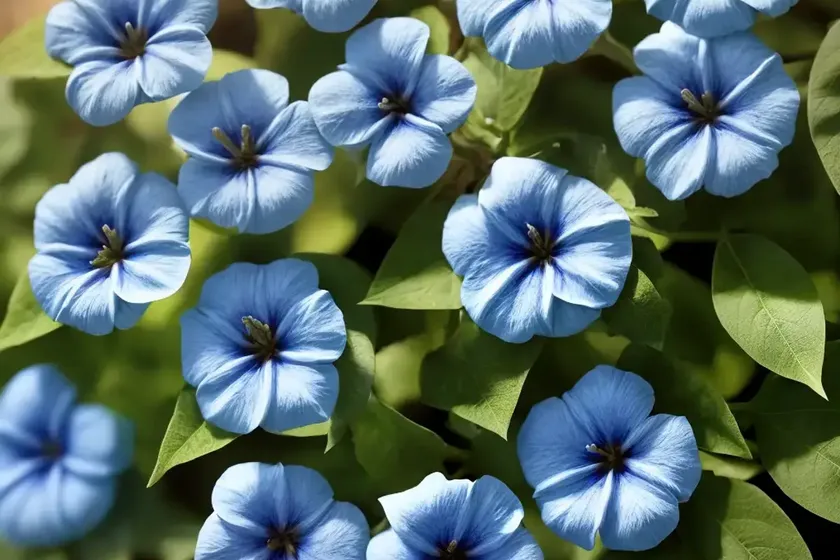
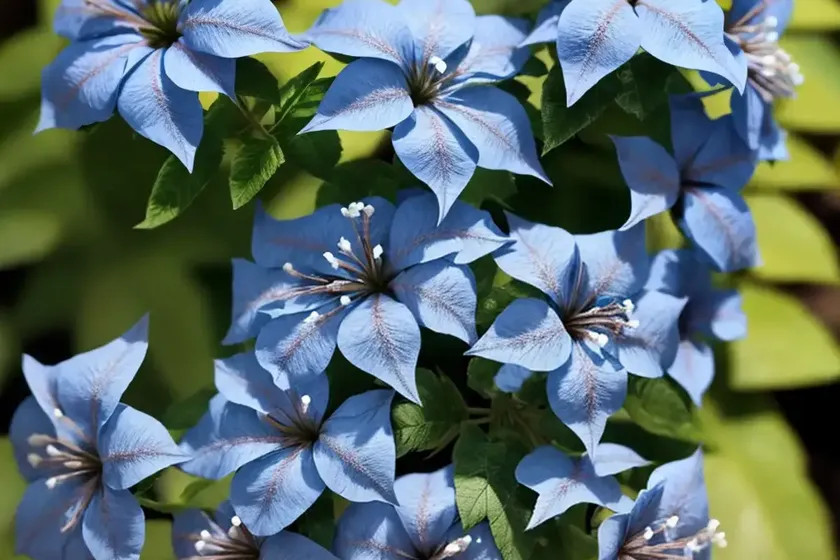
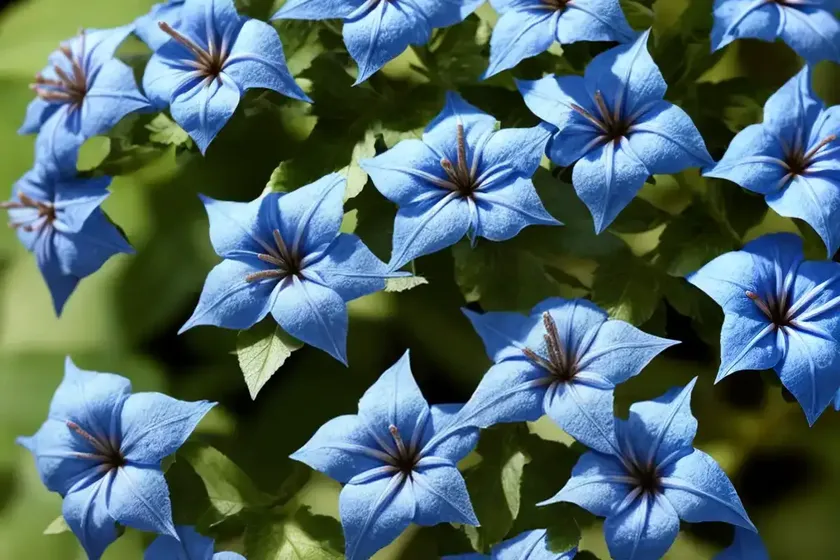
Plumbago auriculata, commonly known as Cape Leadwort, is a versatile and visually appealing plant that has found a special place in gardens and landscapes around the world. This blog post will delve into the various aspects of Cape Leadwort, including its cultural requirements, uses, propagation, and common diseases and pests. Additionally, I will provide valuable insights and tips on how to care for and cultivate this beautiful plant.
Key Takeaways – Plumbago auriculata (Cape Leadwort)
- Scientific Name: Plumbago auriculata
- Common Name: Cape Leadwort
- Plant Type: Perennial shrub
- Climate Requirements: Thrives in warm, subtropical, and tropical climates
- Sunlight: Full sun to partial shade
- Watering: Regular watering, well-draining soil
- Soil: Well-draining, loamy soil, slightly acidic to neutral pH
- Fertilization: Balanced, slow-release fertilizer during the growing season
- Pruning: Prune to shape and control size, promote flowering
- Propagation: Stem cuttings, division
- Uses: Ornamental plant, medicinal uses
- Common Diseases: Powdery mildew, leaf spot
- Common Pests: Whiteflies, aphids
Now, let’s explore each of these aspects in detail to gain a comprehensive understanding of Plumbago auriculata and its cultivation.
What is Plumbago auriculata (Cape Leadwort)
Plumbago auriculata, or Cape Leadwort, is a species of flowering plant in the family Plumbaginaceae. This evergreen shrub is native to South Africa and is valued for its attractive clusters of phlox-like, sky-blue flowers and glossy green foliage. The plant typically grows to a height of 6 to 10 feet and an equal spread, forming a delightful, bushy appearance.
The Cape Leadwort is well-regarded for its long blooming period, producing an abundance of vibrant flowers from late spring through fall. Its ability to thrive in warm climates and its resistance to drought make it an ideal choice for landscapes and gardens in regions with Mediterranean and subtropical climates.
The unique beauty of the Cape Leadwort, along with its tolerance to diverse environmental conditions, has made it a popular choice for landscaping, adding color and vibrancy to gardens, borders, and containers.
Water
Cape Leadwort appreciates regular watering, especially during the warm, active growing season. However, it is important to ensure that the soil has good drainage to prevent waterlogging, which can lead to root rot. Aim to keep the soil evenly moist but not waterlogged. During periods of hot weather, check the soil moisture regularly, and adjust the watering frequency as needed.
Sunlight
Plumbago auriculata thrives in full sun to partial shade. In regions with intense heat, providing partial shade during the hottest part of the day can help prevent foliage burn and maintain the plant’s overall health. Adequate sunlight is essential for promoting flowering and maintaining the plant’s compact, bushy form.
Fertilizer
For optimal growth and flowering, Cape Leadwort benefits from a balanced, slow-release fertilizer applied during the growing season. Choose a fertilizer with a relatively equal proportion of nitrogen, phosphorus, and potassium to support overall plant health, promote lush foliage, and encourage prolific blooms.
Soil
Cape Leadwort thrives in well-draining, loamy soil with a slightly acidic to neutral pH. The ability of the soil to drain excess water is crucial for preventing waterlogged conditions, which can compromise root health. Additionally, enriching the soil with organic matter, such as compost, can enhance its structure and fertility, creating an ideal environment for the plant to flourish.
Regular pruning is beneficial for maintaining the shape, size, and overall appearance of Cape Leadwort. Additionally, strategic pruning can promote branching and stimulate prolific flowering. When pruning Cape Leadwort, focus on removing dead or damaged branches, shaping the plant to achieve a desired form, and encouraging new growth. A well-pruned Cape Leadwort not only looks more attractive but also tends to produce more flowers.
Cape Leadwort can be propagated through various methods, including stem cuttings and division. Both of these techniques are effective ways to create new plants from existing ones, allowing gardeners to expand their Cape Leadwort collection or share the plant with others.
Stem Cuttings
Propagation through stem cuttings involves taking a section of a healthy stem from the parent plant and encouraging it to develop roots and grow into a new plant. Here’s a simple guide to propagating Cape Leadwort through stem cuttings:
- Select a healthy, non-flowering stem from the parent plant.
- Using a clean, sharp knife or pruners, cut a 4 to 6-inch section of the stem, ensuring that it includes several leaves and nodes.
- Remove the lower leaves from the cutting, leaving a few at the top.
- Dip the cut end of the stem in a rooting hormone to promote root development (optional).
- Plant the cutting in a well-draining growing medium, such as a mixture of perlite and peat moss.
- Water the cutting gently and place it in a warm, bright location with indirect sunlight.
- Monitor the cutting regularly, ensuring that the growing medium remains moist but not waterlogged.
With proper care and favorable conditions, the cutting should develop roots within a few weeks, indicating that it has successfully established itself as a new plant.
Division
Dividing an established Cape Leadwort plant is another effective method of propagation. This technique involves carefully separating the plant into smaller sections, each with its own root system, to create new, independent plants. Here’s a basic guide to propagating Cape Leadwort through division:
- Choose a mature Cape Leadwort plant with multiple stems and a healthy root system.
- Gently remove the plant from the soil, being mindful of the roots.
- Use a clean, sharp tool to divide the plant into sections, ensuring that each section has a portion of the root system and a good balance of stems and leaves.
- Replant the divided sections in individual pots or directly in the garden bed.
- Water the newly divided plants thoroughly and provide appropriate care to support their establishment and growth.
Both stem cutting and division are reliable methods for propagating Cape Leadwort, offering gardeners the opportunity to increase the population of this charming plant in their outdoor spaces.
Ornamental Plant
Cape Leadwort is primarily cultivated for its ornamental value, adding an enchanting touch of blue to gardens, landscapes, and container gardens. The plant’s profusion of delicate, sky-blue flowers and the glossy green foliage make it a desirable choice for creating visually appealing arrangements, hedging, and borders. Whether used as a standalone specimen or combined with other flowering plants, Cape Leadwort lends a sense of elegance and tranquility to outdoor settings.
Medicinal Uses
In addition to its ornamental appeal, Cape Leadwort has been utilized in traditional medicine for its potential healing properties. Various parts of the plant are believed to possess medicinal value, and it has been employed to address a range of health concerns. However, it is important to consult with healthcare professionals or qualified herbalists before using Cape Leadwort or any other plant for medicinal purposes.
Powdery Mildew
Powdery mildew, a fungal disease, can affect Cape Leadwort, causing the appearance of powdery, white patches on the foliage. This common disease thrives in conditions of high humidity and poor air circulation. To prevent powdery mildew, it is essential to maintain good air circulation around the plant, avoid overcrowding, and provide adequate space between Cape Leadwort and other neighboring plants. Additionally, applying fungicidal sprays when the environment is conducive to its development can help manage and prevent powdery mildew.
Leaf Spot
Leaf spot is another fungal disease that can impact Cape Leadwort, resulting in the formation of distinct spots or lesions on the foliage. To manage leaf spot, it is crucial to practice good sanitation, including removing and disposing of any affected leaves or plant parts. Providing proper air circulation, avoiding overhead watering, and applying fungicidal treatments when necessary are essential measures for preventing and addressing leaf spot on Cape Leadwort.
Whiteflies
Whiteflies are small, winged insects that can infest Cape Leadwort, feeding on the plant’s sap and causing damage to the foliage. To deter and manage whiteflies, it is beneficial to incorporate biological controls, such as introducing natural predators like ladybugs or lacewings. Additionally, soapy water sprays or insecticidal treatments can be employed to reduce whitefly populations and minimize their impact on Cape Leadwort.
Aphids
Aphids are another common pest that can pose a threat to Cape Leadwort, particularly by causing distortion and discoloration of the plant’s tender new growth. Controlling aphids can be achieved through methods such as spraying the plant with a strong stream of water to dislodge the insects, introducing beneficial insects that prey on aphids, or utilizing horticultural oils and insecticidal soaps to manage infestations.
Botanist’s Tips
- When planting Cape Leadwort, consider its natural growth habits and provide ample space for the plant to develop its characteristic bushy form and attain its full height and spread.
- Regularly inspect Cape Leadwort for signs of pests or diseases, addressing any issues promptly to maintain the plant’s health and vigor.
- Incorporate Cape Leadwort into mixed borders or as a standalone feature to create captivating visual contrasts with other flowering plants or foliage textures.
- When cultivating Cape Leadwort in containers, choose a pot with adequate drainage holes and use a well-draining growing medium to prevent waterlogging.
- Cape Leadwort is a popular choice for attracting butterflies to gardens, as the nectar-rich flowers serve as a valuable food source for these winged beauties.
- The plant’s vibrant blue flowers have earned it several charming vernacular names, including “sky flower” and “plumbago.”
- Plumbago auriculata care
- Cape Leadwort plant
- Plumbago auriculata varieties
- Growing Cape Leadwort
- Plumbago auriculata pruning
- Cape Leadwort flowers
- Plumbago auriculata propagation
- Cape Leadwort planting
- Plumbago auriculata medicinal uses
- Cape Leadwort landscaping
- Plumbago auriculata climate requirements
- Cape Leadwort pests and diseases
- Plumbago auriculata watering
- Cape Leadwort indoor cultivation
- Plumbago auriculata soil conditions
- Cape Leadwort pruning techniques
- Plumbago auriculata sun exposure
- Cape Leadwort container gardening
- Plumbago auriculata companion plants
- Cape Leadwort wildlife benefits
- Plumbago auriculata growth habits
- Cape Leadwort common problems
- Plumbago auriculata propagation methods
- Cape Leadwort seasonality
- Plumbago auriculata fertilization
- Cape Leadwort trellis support
- Plumbago auriculata natural habitat
- Cape Leadwort soil pH requirements
- Plumbago auriculata pruning tips
- Cape Leadwort sun or shade
- Plumbago auriculata water requirements
- Cape Leadwort ornamental features
- Plumbago auriculata container care
- Cape Leadwort repotting
- Plumbago auriculata foliage characteristics
- Cape Leadwort plant diseases control
- Plumbago auriculata native range
- Cape Leadwort pollinator attractant
- Plumbago auriculata landscaping ideas
- Cape Leadwort growth rate
- Plumbago auriculata winter care
- Cape Leadwort blooms
- Plumbago auriculata leaf drop
- Cape Leadwort seed germination
- Plumbago auriculata plant arrangement
- Cape Leadwort ground cover
- Plumbago auriculata garden design
- Cape Leadwort hedge
- Plumbago auriculata container size
- Cape Leadwort trellis recommendations
In conclusion, Plumbago auriculata, or Cape Leadwort, is an enchanting and versatile plant that captivates with its cerulean flowers and lush foliage. Whether utilized as an ornamental highlight in gardens or harnessed for its potential medicinal properties, Cape Leadwort stands as a charismatic presence in the plant world. By understanding its cultural requirements, propagation techniques, and management of potential issues such as diseases and pests, enthusiasts and horticulturists can fully appreciate and cultivate the beauty of the Cape Leadwort in a variety of settings, from traditional landscapes to innovative container gardens.
To enhance the article’s quality, elements such as images,


