Plumaria (Plumeria Sp.)
Plumeria, sometimes spelled as Plumaria, is a genus of flowering plants in the dogbane family, Apocynaceae. The genus contains primarily deciduous shrubs.
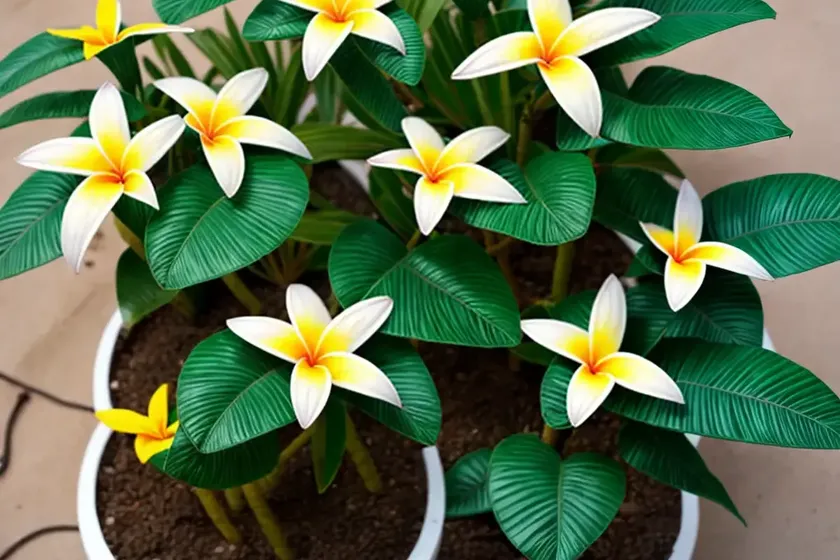
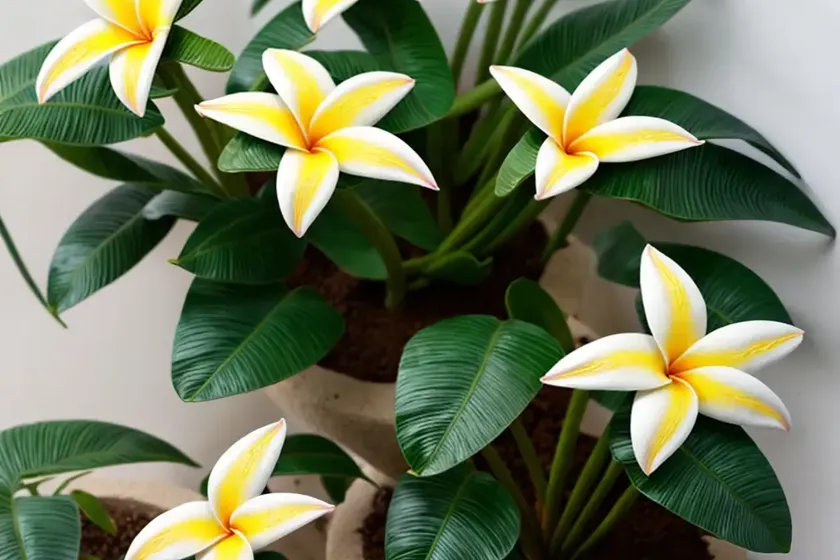
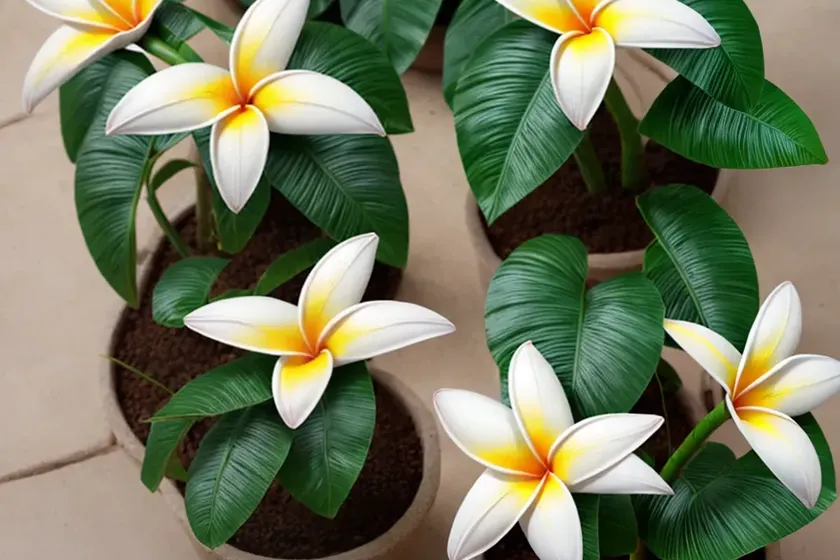
Plumeria, sometimes spelled as Plumaria, is a genus of flowering plants in the dogbane family, Apocynaceae. The genus contains primarily deciduous shrubs and trees known for their beautiful and fragrant flowers. Commonly associated with tropical regions, Plumeria’s captivating blooms have endeared them to gardeners and flower enthusiasts worldwide.
In this comprehensive guide, we will explore everything you need to know about the care, culture, uses, propagation, common diseases, and pests for the Plumeria plant. Whether you are a seasoned plant enthusiast or a beginner, this guide will equip you with the necessary knowledge to ensure the health and vitality of your Plumeria plants.
What is Plumeria (Plumeria sp.)?
Plumeria, also known as Frangipani, is a genus of flowering plants in the family Apocynaceae. These plants are native to various regions including Mexico, Central America, the Caribbean, and South America. Plumeria is named after the French botanist Charles Plumier, who documented several plant species in the Americas.
One of the most distinctive features of Plumeria is its fragrant and vibrant flowers, which are often used in traditional Hawaiian leis. The flowers come in a variety of hues including shades of white, yellow, pink, and red, and they typically have a sweet, floral scent that is appealing to humans and pollinators alike.
Key Takeaways – Plumeria (Plumeria sp.)
Plumeria, with its enchanting blooms and tropical allure, has become a beloved addition to gardens and landscapes around the world. Below are the key takeaways we will delve into in this guide:
- Culture and Uses
- Water Requirements
- Sunlight Needs
- Fertilization
- Soil Preferences
- Pruning Techniques
- Propagation Methods
- Container Gardening
- Popularity and Common Varieties
- Common Diseases and Diagnosis
- Pest Management
- Botanist’s Tips
- Fun Facts
- Links to External Resources
Now, let’s dive into each of these aspects to understand how to care for and cultivate Plumeria.
Culture and Uses
Uses of Plumeria
Plumeria boasts several uses beyond its ornamental value. Some of the primary uses of Plumeria include:
- Ornamental Purposes: Plumeria’s vibrant and fragrant blooms make it a popular choice for ornamental plantings in gardens, parks, and landscapes.
- Lei Making: In Hawaiian culture, Plumeria flowers are commonly used to make leis – garlands of flowers that are worn or given as a symbol of affection or greeting.
- Aromatherapy: The sweet fragrance of Plumeria is often used in natural perfumes, oils, and aromatherapy products.
Water
Proper watering is essential for the health and vitality of Plumeria plants. While they are known for their tolerance to dry conditions, consistent watering is crucial, especially during the growing season and when the plants are in bloom.
Watering Tips for Plumeria:
- Frequency: Water your Plumeria plants deeply once a week during the growing season. Adjust the frequency based on the weather and soil conditions.
- Soil Moisture: Ensure that the soil is well-draining to prevent waterlogging, which can lead to root rot.
- Avoid Overwatering: Allow the soil to dry out slightly between waterings to prevent issues such as root rot and fungal diseases.
Sunlight
Plumeria thrives in full sunlight and requires ample light to bloom profusely. When locating your Plumeria plant, ensure it is placed in a spot with direct sunlight for the majority of the day.
Sunlight Requirements for Plumeria:
- Ideal Exposure: Place your Plumeria in a location with at least 6-8 hours of direct sunlight daily. This will ensure robust growth and prolific flowering.
- Protection: In regions with extremely intense sunlight, some afternoon shade may be beneficial, especially during the hottest part of the day.
Fertilizer
Like all plants, Plumeria requires essential nutrients to support growth and flower production. Fertilizing at the right time and with the proper nutrients is key to the overall health and vitality of Plumeria plants.
Fertilizing Tips for Plumeria:
- Timing: Apply a balanced, water-soluble fertilizer once every 2-3 weeks during the growing season. Reduce or cease fertilization during the dormant season.
- Nutrient Balance: Look for a fertilizer with a balanced NPK ratio, preferably formulated for flowering plants. A ratio of 10-30-10 or similar is suitable for promoting blooms.
- Micronutrients: Consider using a fertilizer containing micronutrients to ensure comprehensive nutrient uptake.
Soil
The right soil composition is crucial for Plumeria as it affects water retention, nutrient availability, and overall plant health. Well-draining soil with adequate aeration is essential to prevent waterlogged conditions and root rot.
Soil Preferences for Plumeria:
- Well-Draining Mix: Use a well-draining potting mix, such as a blend of perlite, coarse sand, and organic matter. A mix specifically formulated for cacti and succulents can also be suitable.
- Aeration: Ensure the soil provides adequate aeration for the roots to prevent compaction and promote healthy root development.
- pH Level: Plumeria thrives in slightly acidic to neutral soils with a pH range of 6.0 to 7.0. Conduct a soil test to assess the pH and make any necessary amendments.
Pruning
Pruning is an essential practice for maintaining the shape, size, and health of Plumeria plants. Strategic pruning can also encourage branching and enhance flower production.
Pruning Techniques for Plumeria:
- Deadheading: Remove spent flowers regularly to encourage continuous blooming.
- Thinning: Thin out crowded or crossing branches to improve air circulation and reduce the risk of fungal diseases.
- Cutting Back: In late winter or early spring, cut back leggy or overgrown branches to promote branching and compact growth.
Propagation
Plumeria can be propagated through various methods including cuttings, seeds, and grafting. However, cuttings remain the most common and effective method for home gardeners.
Propagation Tips for Plumeria:
- Cutting Selection: Choose healthy, mature branches for cuttings, ideally 12-18 inches long, and allow the cuttings to callus for a few days before planting.
- Rooting Medium: Plant the cuttings in a well-draining medium and provide bottom heat to encourage root development. A mix of perlite and coarse sand is suitable for rooting cuttings.
- Careful Handling: Handle the cuttings with care to prevent damage to the delicate stems and ensure successful rooting.
- Timing: Propagate Plumeria cuttings during the active growing season for optimal results.
Container Gardening
Plumeria can thrive in containers, making them an excellent choice for gardeners with limited space or those seeking to grow tropical plants in non-tropical regions.
Tips for Growing Plumeria in Containers:
- Container Size: Use a container with adequate drainage holes and sufficient space for the roots. A 15-20 inch pot is generally suitable for a single Plumeria plant.
- Soil Choice: Use a well-draining potting mix to ensure proper moisture distribution and root health.
- Watering: Monitor the soil moisture regularly and water when the top inch of the soil feels dry. Containers may require more frequent watering than plants in the ground.
Popularity and Common Varieties
Plumeria’s popularity has surged in recent years, thanks to its captivating blooms and adaptable nature. Several common and sought-after varieties have earned a place in gardens and landscapes across the globe.
Popular Plumeria Varieties:
- ‘Celadine’: Known for its vibrant yellow flowers and strong fragrance.
- ‘Singapore Pink’: A popular variety with pale pink flowers and a sweet fragrance.
- ‘Candy Stripe’: Renowned for its unique pink and white striped flowers.
- ‘Aztec Gold’: Featuring golden yellow blooms and a delightful fragrance.
- ‘Mardi Gras’: A captivating variety with multi-colored flowers, often displaying shades of pink, yellow, and white.
Common Diseases and Diagnosis
Plumeria plants are susceptible to certain diseases, with fungal infections being among the most prevalent. Identifying and addressing these issues promptly is essential to prevent detrimental effects on the plants.
Common Diseases of Plumeria:
- Plumeria Rust: Characterized by orange-brown spots on the undersides of leaves, often leading to defoliation and weakened plants.
- Black Tip Fungus: Causes blackening and dieback of the tips of the branches, typically from excessive moisture and poor air circulation.
- Root Rot: Occurs as a result of waterlogged soil, leading to rotting of the roots and subsequent decline of the plant.
Disease Diagnosis and Treatment:
- Visual Inspection: Regularly inspect the foliage, stems, and root system for any signs of disease or distress.
- Fungicidal Treatments: Use fungicidal sprays or treatments, following the manufacturer’s guidelines, to control and prevent fungal infections.
- Cultural Practices: Ensure proper watering, adequate air circulation, and prompt removal of affected plant parts to minimize disease risk.
Common Pests
Several pests can pose a threat to the health of Plumeria plants, potentially impacting growth and flowering if not managed effectively.
Common Pests Affecting Plumeria:
- Mealybugs: Small, cottony insects that often gather at the leaf nodes and feeding on plant sap, causing stunted growth and reduced vigor.
- Spider Mites: These tiny pests can cause stippling on the leaves and webbing on the plant, leading to weakened foliage and diminished health.
- Aphids: Small, soft-bodied insects that feed on the sap and excrete honeydew, attracting ants and promoting fungal diseases.
Pest Management Strategies:
- Natural Predators: Encourage populations of beneficial insects such as ladybugs and lacewings to control pest populations.
- Horticultural Oils: Use horticultural oils or insecticidal soaps to manage pests, ensuring thorough coverage and repeat applications as necessary.
- Monitoring: Regularly monitor your Plumeria plants for signs of pest activity and intervene promptly to prevent escalation of infestations.
Botanist’s Tips
To ensure the optimal health and success of your Plumeria plants, consider the following botanist’s tips to guide your cultivation practices.
Botanist’s Tips for Growing Plumeria:
- Observe Seasonal Changes: Pay attention to the natural growth cycles of Plumeria and adjust care practices accordingly.
- Assess Environmental Conditions: Consider factors such as temperature, humidity, and sunlight exposure to create a favorable growing environment.
- Regular Maintenance: Engage in regular care and maintenance activities such as pruning, fertilizing, and pest management to promote plant health.
Fun Facts
Here are some intriguing and fun facts about Plumeria to deepen your appreciation for this captivating plant:
- Plumeria flowers are often associated with positivity, charm, and new beginnings, making them a symbolic choice for bouquets and floral arrangements.
- In addition to its ornamental value, certain species of Plumeria are used in traditional medicine for their potential healing properties.
- Despite their tropical origins, Plumeria plants can be grown in various climates with the appropriate care and protection from frost.
Links to External Resources
To further expand your knowledge and cultivate successful Plumeria plants, consider exploring the following external resources:
This comprehensive guide aims to provide valuable insights and practical tips to help you care for, cultivate, and appreciate the beautiful Plumeria plant. By understanding the essential aspects of Plumeria care, you can create a thriving environment for these enchanting flowers and enjoy their captivating blooms year after year.