Plumeria Rubra ‘Aztec Gold’ (Frangipani)
Plumeria rubra ‘Aztec Gold,’ more commonly known as Frangipani, is a captivating and aromatic flowering plant that has enamored gardeners and enthusiasts.

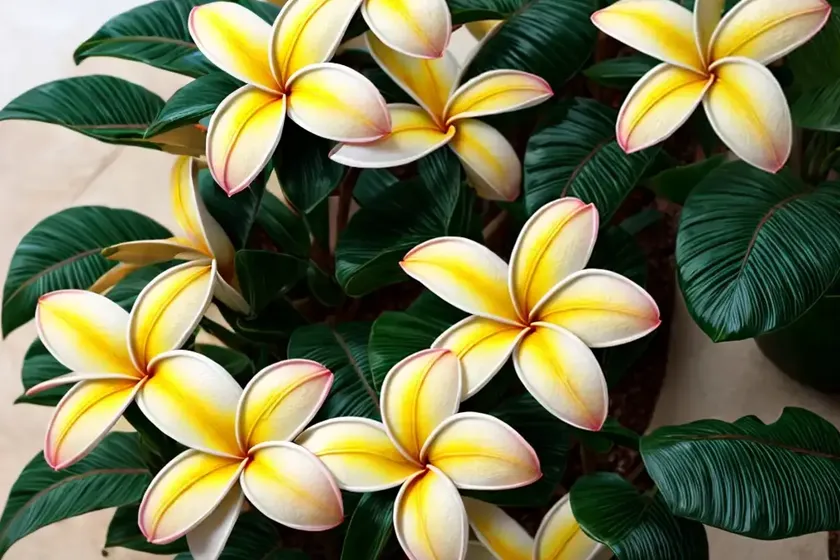
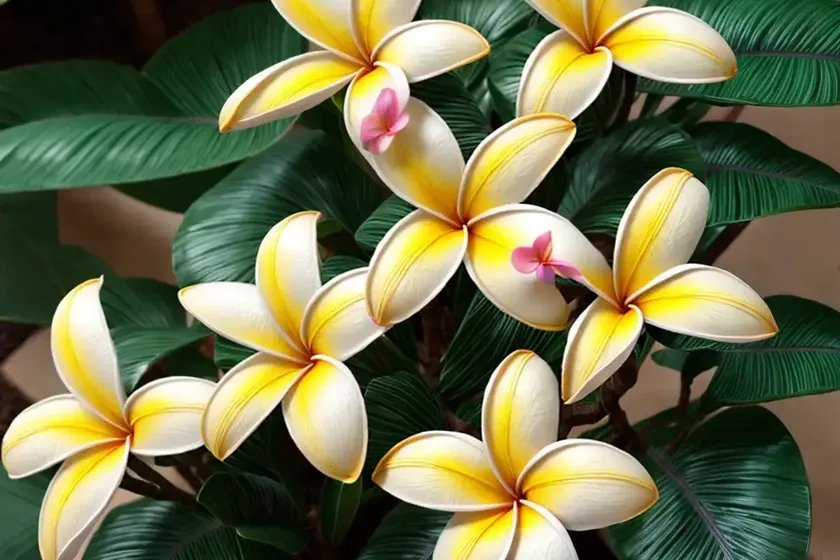
Plumeria rubra ‘Aztec Gold,’ more commonly known as Frangipani, is a captivating and aromatic flowering plant that has enamored gardeners and enthusiasts worldwide. Its vibrant and aromatic blooms, along with its cultural significance and versatile uses, make it a highly sought-after plant in gardens, landscapes, and traditional ceremonies.
In this comprehensive guide, we will delve into the captivating world of Plumeria rubra ‘Aztec Gold,’ exploring its cultural significance, care requirements, propagation techniques, and much more. Whether you are a seasoned gardener or a novice plant enthusiast, this article aims to provide you with valuable insights into the enchanting realm of Frangipani.
What is Plumeria rubra ‘Aztec Gold’ (Frangipani)?
Plumeria rubra ‘Aztec Gold’ is a member of the Apocynaceae family and is native to tropical and subtropical regions. This striking plant is renowned for its captivating, fragrant flowers that adorn its branches, adding an exotic touch to landscapes and gardens.
The ‘Aztec Gold’ variety of Plumeria rubra is particularly prized for its vibrant and golden-hued blooms, which exude a delightful and enchanting fragrance. With its ability to thrive in warm and sunny conditions, the Frangipani plant has become a beloved choice for gardeners seeking to bring a touch of the tropics to their outdoor spaces.
Key Takeaways – Plumeria rubra ‘Aztec Gold’ (Frangipani)
Before delving into the various aspects of caring for and appreciating the beauty of Plumeria rubra ‘Aztec Gold,’ let’s explore some key takeaways about this enchanting plant:
- The ‘Aztec Gold’ variety of Plumeria rubra is cherished for its radiant golden blooms and captivating fragrance.
- Frangipani is celebrated for its versatile uses in gardens, landscapes, and traditional ceremonies, making it a valuable cultural symbol.
- Proper watering, sunlight exposure, soil conditions, and pruning techniques are crucial for the optimal growth and blooming of the Frangipani plant.
- The propagation of Plumeria rubra ‘Aztec Gold’ through cuttings is a popular method for expanding its presence in gardens and landscapes.
With these key takeaways in mind, let’s embark on a journey to discover the captivating world of Plumeria rubra ‘Aztec Gold’ and unravel the secrets to fostering its beauty and vitality.
Culture
Uses
The Plumeria rubra ‘Aztec Gold’ holds significant cultural and aesthetic value, making it a popular choice for various uses:
-
Gardens and Landscapes: The vibrant and aromatic blooms of the Frangipani plant make it an exquisite addition to gardens and landscapes, particularly in tropical and subtropical regions. Whether as a standalone specimen or part of a diverse planting scheme, the captivating presence of the ‘Aztec Gold’ variety elevates the visual allure of outdoor spaces.
-
Traditional Ceremonies: Frangipani holds cultural significance in various traditions and ceremonies, where its blooms are used to create leis, adornments, and decorations. Its enchanting fragrance and vibrant hues make it a cherished element in wedding ceremonies, cultural celebrations, and ritualistic practices.
-
Medicinal and Aromatic Properties: Different parts of the Frangipani plant are believed to possess medicinal properties in traditional herbal medicine systems. Additionally, its captivating fragrance is utilized in the production of perfumes and fragrances, adding an exotic and alluring note to various olfactory compositions.
-
Art and Crafts: The distinctive shape and vibrant colors of Frangipani blooms inspire artists and craftspeople, featuring prominently in floral arrangements, jewelry designs, and artistic representations. Its cultural and aesthetic significance renders it a popular motif in creative endeavors.
Water
Proper watering is essential to maintain the health and vitality of Plumeria rubra ‘Aztec Gold.’ Adequate moisture levels are crucial for promoting robust growth and blooming. However, it is equally important to avoid overwatering, which can lead to root rot and other detrimental effects.
-
Watering Frequency: During the growing season, it is advisable to water the Frangipani plant when the top inch of the soil feels dry to the touch. Depending on the climate and environmental conditions, this may translate to watering every 7-10 days. In hotter and drier climates, more frequent watering may be necessary to prevent the soil from becoming excessively dry.
-
Drainage: Ensuring proper drainage is vital to prevent waterlogging, especially in container-grown Frangipani plants. Well-draining soil and containers with drainage holes facilitate the removal of excess water, preventing waterlogged conditions that can compromise root health.
-
Seasonal Adjustments: During the dormant winter period, it is essential to reduce the frequency of watering to accommodate the plant’s reduced growth and metabolic activity. Overly moist conditions during dormancy can lead to issues such as root rot and fungal diseases.
Sunlight
Plumeria rubra ‘Aztec Gold’ thrives in sunny conditions, requiring ample sunlight to unleash its full blooming potential and maintain robust growth. Adequate exposure to sunlight is indispensable for nurturing healthy and vibrant Frangipani plants.
-
Optimal Sunlight: Frangipani plants flourish when exposed to full sunlight, receiving at least 6-8 hours of direct sunlight daily. In locations with intense heat, partial shade during the hottest part of the day can provide protection from excessive sun exposure.
-
Sunlight and Blooming: The quality and quantity of sunlight directly influence the flowering capacity of the ‘Aztec Gold’ variety. Insufficient sunlight may lead to reduced blooming and compromised overall vitality, emphasizing the importance of providing a sun-drenched environment for optimal growth.
-
Indoor Cultivation: While Frangipani predominantly thrives in outdoor settings, it can be cultivated indoors in containers. When grown indoors, placement near a sunny window or under supplemental grow lights can compensate for the reduced natural sunlight exposure.
Fertilizer
Supplemental fertilization plays a pivotal role in nourishing Plumeria rubra ‘Aztec Gold,’ providing essential nutrients to support vigorous growth and prolific blooming. Selecting the appropriate fertilizer and adhering to a well-structured fertilization regimen are instrumental in maximizing the plant’s potential.
-
Fertilization Schedule: During the active growing season, which typically spans from spring to early fall, regular fertilization is recommended to sustain the nutrient requirements of the Frangipani plant. Fertilizing every two to three weeks with a balanced, water-soluble fertilizer formulated for flowering plants can fortify the plant’s vitality.
-
Phosphorus Emphasis: Fertilizers with a higher phosphorus content are particularly beneficial for promoting robust flowering in Plumeria rubra ‘Aztec Gold.’ Phosphorus is a key element in stimulating bloom production and enhancing the vibrancy of the blooms, making it a valuable component of the plant’s nutritional intake.
-
Moderation and Diligence: While proper fertilization is crucial for the plant’s well-being, it is important to avoid over-fertilization, which can lead to salt buildup in the soil and potential nutrient imbalances. Diligently following the recommended dosage and avoiding excessive application can safeguard the plant from the detrimental effects of overfeeding.
Soil
The selection of suitable soil and the establishment of optimal soil conditions are pivotal in supporting the growth and vitality of Plumeria rubra ‘Aztec Gold.’ Well-draining, nutrient-rich soil forms the foundation for fostering healthy root development and overall plant vigor.
-
Well-Draining Medium: Frangipani plants thrive in well-draining soil that prevents waterlogging and supports adequate aeration for the roots. A blend of loamy soil, organic matter, and perlite or coarse sand fosters the desired consistency, promoting optimal root health.
-
Nutrient Composition: Incorporating organic matter, such as compost or well-rotted manure, enriches the soil with essential nutrients, fostering a conducive growth environment for the Frangipani plant. A balanced nutrient composition in the soil augments the plant’s overall vitality and resilience.
-
Container Considerations: For container-grown Frangipani plants, the selection of an appropriate potting mix is crucial. Utilizing a well-draining potting mix specifically formulated for flowering plants and incorporating materials such as perlite or vermiculite optimizes the soil conditions within the container.
Pruning
Pruning is a fundamental aspect of maintaining the form, health, and blooming capacity of Plumeria rubra ‘Aztec Gold.’ By implementing targeted pruning techniques, gardeners can shape the plant, promote prolific blooming, and manage its overall growth with precision.
-
Pruning Timing: The ideal time for pruning Frangipani plants is during the active growing season, preferably in spring or early summer. This period corresponds to the plant’s heightened growth and blooming phase, enabling it to recover from pruning and channel its energy into new growth and flower production.
-
Sanitization Practices: Using clean and sterilized pruning tools is crucial to prevent the transmission of diseases and pathogens during pruning. Disinfecting the cutting blades with a solution of 70% alcohol or a commercial disinfectant minimizes the risk of introducing infections to the plant.
-
Blooming Enhancement: Promoting blooming and controlling the size and shape of the plant are key objectives of pruning. Removing spent flower clusters, deadwood, and excess growth encourages the plant to allocate its resources towards producing new blooms and fostering a tidy and well-maintained appearance.
-
Branch Removal Considerations: When pruning branches, it is essential to make clean cuts just above a leaf node or branching point. Proper pruning techniques, such as cutting at a slight angle and avoiding leaving stubs, facilitate efficient healing and reduce the likelihood of disease entry points.
Propagation
The propagation of Plumeria rubra ‘Aztec Gold’ provides a rewarding avenue for expanding its presence in gardens, landscapes, and diverse horticultural settings. Through reliable propagation techniques, gardeners can perpetuate the charm and allure of this enchanting plant.
-
Propagation from Cuttings: One of the most widely employed methods for propagating Frangipani is through the utilization of stem cuttings. When selecting cuttings for propagation, it is essential to choose healthy and disease-free sections of the plant, preferably using mature stems that exhibit adequate vigor.
-
Rooting Medium: Utilizing a well-draining and aerated rooting medium, such as a mix of perlite, coarse sand, and peat moss, supports successful root development and establishment during the propagation process. Ensuring proper moisture levels and environmental conditions fosters the initiation of new roots from the cuttings.
-
Rooting Hormone Application: To expedite the rooting process and enhance the likelihood of successful propagation, the application of a rooting hormone or rooting stimulant to the cuttings is beneficial. This aids in stimulating root initiation and promotes the development of robust root systems for the newly propagated plants.
-
Nurturing Young Plants: Once the cuttings have rooted and developed into young plants, transitioning them to suitable growing containers or outdoor locations facilitates their continued growth and maturation. Providing optimal care and environmental conditions during the early stages of development contributes to the establishment of healthy and resilient plants.
Container Popularity
Plumeria rubra ‘Aztec Gold’ is well-suited for container cultivation, allowing enthusiasts and gardeners to enjoy its captivating beauty in diverse settings, from balconies and patios to indoor spaces. The popularity of growing Frangipani in containers can be attributed to various factors, including its adaptability, aesthetic appeal, and cultural significance.
Container Considerations
-
Container Selection: When choosing containers for cultivating Frangipani, select pots with adequate drainage holes and ample space to accommodate the plant’s root system. Materials such as terracotta, plastic, or ceramic are commonly used for planting containers, each offering distinct advantages in terms of insulation, weight, and aesthetics.
-
Soil Medium: Utilizing a well-draining potting mix tailored for flowering plants or incorporating a custom blend that promotes superior drainage and aeration is integral for container-based cultivation. Maintaining suitable soil conditions within the container fosters the plant’s health and vitality.
-
Indoor Cultivation: Frangipani plants can thrive indoors if provided with ample sunlight and suitable environmental conditions. Container cultivation enables enthusiasts to showcase the plant’s beauty within indoor spaces, bringing a touch of the tropics to homes, offices, and other interior settings.
-
Mobility and Versatility: Container-grown Frangipani plants offer the flexibility to be relocated and positioned as desired, catering to changing weather conditions, sunlight availability, and aesthetic preferences. This adaptability makes them well-suited for enhancing outdoor living spaces and adding a tropical ambiance to various environments.
Common Diseases
Plumeria rubra ‘Aztec Gold’ is susceptible to certain diseases and ailments that can impact its health and blooming capacity. Identifying and addressing common diseases enables gardeners to safeguard their Frangipani plants and implement effective measures to mitigate the impact of these afflictions.
Disease Diagnosis
-
Sooty Mold: Sooty mold is a common issue that affects Frangipani plants, manifesting as a dark, velvety coating on the surfaces of leaves and stems. This mold develops as a result of honeydew secretions from sap-sucking pests, such as aphids or scale insects, which create the ideal substrate for sooty mold to flourish.
-
Root Rot: Excessive moisture and waterlogged conditions can lead to root rot in Plumeria rubra ‘Aztec Gold.’ This condition is characterized by the decay and deterioration of the plant’s root system, often resulting in yellowing leaves, wilting, and overall decline in plant vigor.
-
Leaf Spot Diseases: Fungal pathogens can cause leaf spot diseases in Frangipani, leading to the development of dark, necrotic spots on the leaves. These diseases can compromise the photosynthetic capacity of the plant and detract from its overall visual appeal.
Disease Management
-
Cultural Practices: Implementing cultural practices that promote optimal plant health, such as proper watering techniques, adequate sunlight exposure, and well-structured fertilization, can fortify the resilience of the plant and reduce its susceptibility to diseases.
-
Sanitation Measures: Regularly inspecting the plant for signs of diseases, promptly removing and disposing of affected plant material, and maintaining a clean and well-ventilated growing environment help minimize the incidence and spread of diseases.
-
Integrated Pest Management: Addressing pest infestations through integrated pest management (IPM) practices can mitigate the risk of sooty mold and other secondary issues arising from pest activity. This encompasses measures such as biological controls, manual removal of pests, and judicious use of insecticidal solutions.
Common Pests
The health and vitality of Plumeria rubra ‘Aztec Gold’ can be compromised by various pests that feed on its foliage, sap, or tender plant parts. Identifying common pests and instituting proactive pest control measures is crucial for preserving the well-being of the Frangipani plant.
Pest Identification
-
Aphids: These small, sap-sucking insects can congregate on the undersides of leaves, feeding on the plant’s sap and excreting honeydew, which can lead to sooty mold infestations. Aphids can cause leaf distortion, stunted growth, and weaken the overall vigor of the plant.
-
Scale Insects: Scale insects are characterized by their protective, waxy coverings and their ability to attach themselves to various parts of the plant, including leaves and stems. They feed on the plant’s sap, which can result in weakened vitality and the production of honeydew, contributing to sooty mold development.
-
Spider Mites: Spider mites are common pests that can infest Frangipani plants, particularly in hot and dry conditions. These tiny pests feed on the plant’s cells, causing stippling, discoloration, and the development of fine webbing on the foliage.
Pest Control
-
Natural Predators: Encouraging the presence of natural predators, such as ladybugs and predatory mites, can help manage aphid and spider mite populations, contributing to a balanced and sustainable pest control approach.
-
Horticultural Oils: Applying horticultural oils or insecticidal soaps can effectively control scale insects and spider mite infestations, suffocating the pests and disrupting their feeding activity.
-
Cultural Modifications: Adjusting environmental conditions, such as increasing humidity and implementing regular leaf washing to deter spider mite activity, can create less hospitable conditions for these pests.
Botanist’s Tips
As you embark on your journey of cultivating and appreciating Plumeria rubra ‘Aztec Gold,’ consider the following tips from a seasoned botanist to optimize the growth, blooming, and overall well-being of the Frangipani plant:
-
Prune with Precision: When pruning Frangipani, exercise caution and precision to maintain the natural form and flowering capacity of the plant. Selective pruning to remove dead or overgrown branches and spent flower clusters enhances the plant’s aesthetics and vitality.
-
Monitor Moisture Levels: Regularly assess the moisture levels of the soil to avoid overwatering or underwatering. Strive to maintain consistent but moderate moisture, adjusting watering frequency based on environmental conditions and seasonal variations.
-
Protect from Cold Stress: In cooler climates, provide adequate protection for Frangipani plants during periods of cold weather. Utilize frost cloth or similar protective measures to shield the plant from freezing temperatures, particularly during the winter months.
-
Observe Pests and Diseases: Vigilantly monitor the plant for signs of pests and diseases, promptly addressing any issues that arise. Early detection and intervention can prevent the escalation of pest and disease pressures, preserving the plant’s health.
Fun Facts
Explore these intriguing and delightful facts about Plumeria rubra ‘Aztec Gold’ (Frangipani) that add a touch of fascination to this enchanting plant:
-
Fragrant Blooms: The blooms of Frangipani are renowned for their captivating fragrance, with different varieties exhibiting unique and alluring scent profiles, ranging from sweet and floral to citrusy and spicy.
-
Cultural Significance: In various cultures and traditions, Frangipani holds symbolic significance, representing love, beauty, and devotion. Its blooms are incorporated into rituals, ceremonies, and artistic expressions, reflecting its enduring cultural allure.
-
Tropical Origins: Originating from tropical and subtropical regions, Frangipani embodies the essence of exotic and lush tropical landscapes, evoking a sense of warmth and splendor in diverse environments.
-
Diversity of Colors: While the ‘Aztec Gold’ variety boasts radiant golden blooms, Frangipani plants exhibit a diverse array of flower colors, including hues of white, pink, red, and vibrant combinations of multiple colors in a single bloom.
-
Lei Making Tradition: In Hawaiian culture, Frangipani blooms are intricately woven into leis, garlands, and floral ornaments, symbolizing hospitality, friendship, and the spirit of aloha.
Links to External Resources
Explore the fascinating world of Plumeria rubra ‘Aztec Gold’ (Frangipani) through the following external resources:
- [The Plumeria Society of America](https://www