Pleurothallis Teaguei (Pleurothallis Teaguei)
Pleurothallis teaguei is an enchanting orchid species that captivates with its delicate appearance, making it a desirable plant for orchid enthusiasts and.
Introduction
Pleurothallis teaguei is an enchanting orchid species that captivates with its delicate appearance, making it a desirable plant for orchid enthusiasts and collectors. This epiphytic orchid belongs to the Pleurothallis genus, which is renowned for its diverse and fascinating species. In this comprehensive guide, we will delve into the world of Pleurothallis teaguei, exploring its characteristics, cultivation, and care requirements.
What is Pleurothallis teaguei?
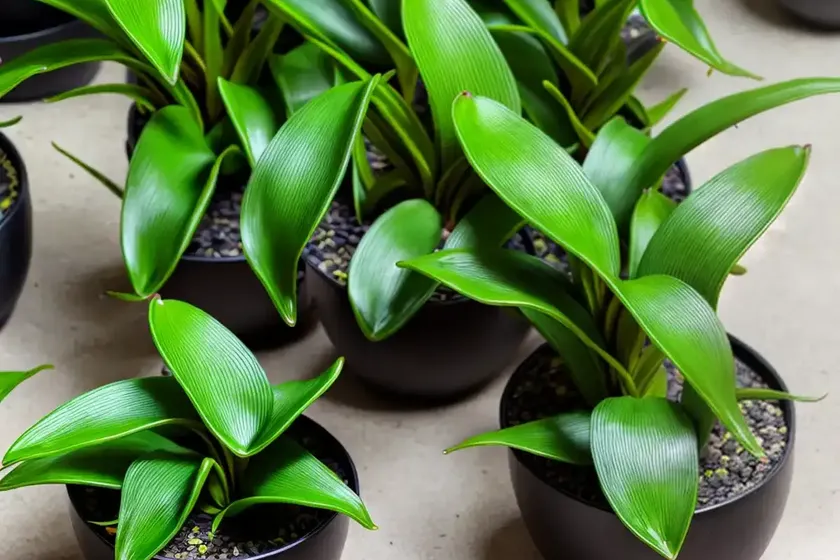
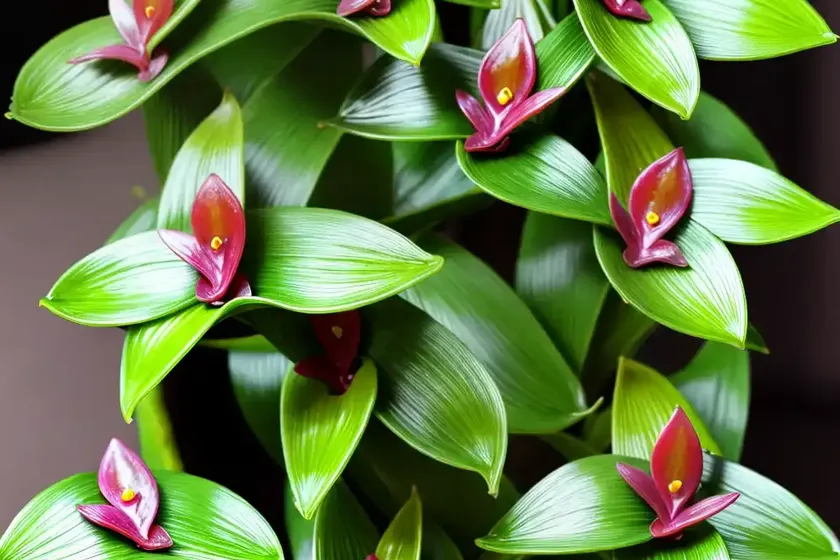
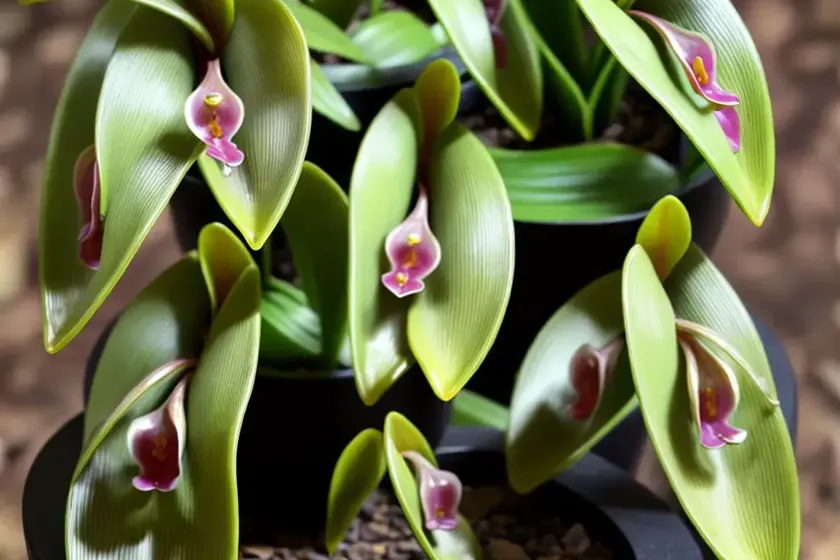
Pleurothallis teaguei, commonly known as Teague’s pleurothallis, is a remarkable species native to Ecuador. As an epiphytic orchid, it typically grows on trees and rocks, displaying its graceful foliage and stunning flowers. The plant is recognized for its diminutive size, exquisite flowers, and unique growth habits. Pleurothallis teaguei is a delightful addition to any plant collection, showcasing elegance and charm in compact form.
Key Takeaways – Pleurothallis teaguei
Before embarking on the detailed exploration of Pleurothallis teaguei, let’s explore some key aspects of this captivating orchid.
- Scientific Name: Pleurothallis teaguei
- Common Name: Teague’s pleurothallis
- Family: Orchidaceae
- Genus: Pleurothallis
- Native Habitat: Ecuador
- Plant Type: Epiphytic orchid
- Foliage: Succulent, leathery leaves
- Flowers: Small, intricate, and colorful blooms
Now, let’s delve into the intricate world of Pleurothallis teaguei, exploring its cultivation, care requirements, and fascinating characteristics.
Culture
Uses
Pleurothallis teaguei is primarily cultivated for ornamental purposes due to its enchanting flowers and captivating foliage. It is a popular choice for collectors and enthusiasts who appreciate its unique and intricate beauty.
Water
Caring for Pleurothallis teaguei requires attention to its water requirements. As an epiphytic orchid, it has adapted to receive moisture from the air and occasional rainfall. Therefore, it is crucial to maintain a consistent level of humidity around the plant. This can be achieved through regular misting and providing a humid environment, especially in drier climates. When watering, it is essential to avoid water accumulation in the center of the plant, as this can lead to rot and fungal issues.
Sunlight
In its natural habitat, Pleurothallis teaguei thrives in filtered or dappled sunlight. When cultivated indoors, it is essential to replicate this lighting condition by providing bright, indirect light. Direct exposure to intense sunlight can lead to leaf burn and adverse effects on the plant’s health. Therefore, placing the orchid near a window with sheer curtains or providing supplemental grow lights can ensure optimal growth and flowering.
Fertilizer
Proper fertilization is essential for the healthy growth and flowering of Pleurothallis teaguei. During the growing season, which typically spans from spring to fall, a balanced orchid fertilizer can be applied at a dilute concentration. It is essential to follow the recommended dosage to avoid fertilizer burn and potential damage to the delicate root system. As the plant enters its dormant phase in winter, fertilizer applications should be reduced or suspended, allowing the orchid to rest and prepare for the next growing season.
Soil
Given its epiphytic nature, Pleurothallis teaguei does not grow in traditional soil. When cultivated, it thrives in a well-draining and aerated orchid mix that mimics its natural growing environment. Orchid bark, sphagnum moss, perlite, and charcoal are commonly used components in an orchid mix, providing the necessary structural support and moisture retention for the plant’s roots.
Pruning
Pruning is an essential aspect of Pleurothallis teaguei’s care, allowing for the removal of spent flowers, damaged foliage, and potential pests. By trimming the orchid with sterile tools, the overall appearance of the plant can be enhanced, and its health can be maintained. Care should be taken to avoid excessive pruning, especially regarding the aerial roots that play a vital role in the plant’s nutrient uptake and stability.
Propagation
Propagating Pleurothallis teaguei can be achieved through division or through the cultivation of its seeds. Division involves separating the plant into smaller sections, each containing at least one pseudobulb and a portion of the root system. The divided sections can then be potted in a suitable orchid mix, providing the ideal conditions for the development of new growth. Cultivating Pleurothallis teaguei from seeds requires meticulous care and attention, as orchid seeds are notably small and require specific conditions for germination and growth.
Container
When selecting a container for Pleurothallis teaguei, it is essential to choose a pot that allows for proper drainage and aeration. Orchid pots with ample ventilation, such as those with slotted sides or bottom, are ideal for promoting healthy root growth. Furthermore, the selected container should be appropriately sized, allowing for the orchid’s growth and stabilizing its position without excessive movement.
Popularity
Pleurothallis teaguei has gained popularity among orchid enthusiasts and collectors due to its captivating appearance and manageable size. Its intriguing flowers and unique growth habits make it an attractive addition to orchid collections and indoor garden displays. While it may not be as widely known as some of its counterparts, Pleurothallis teaguei continues to captivate individuals with an appreciation for rare and distinctive orchid species.
Common Diseases
Disease Diagnosis
Like all plants, Pleurothallis teaguei is susceptible to certain diseases and ailments that can affect its overall health. Common issues that may arise include fungal infections, such as root rot, and bacterial diseases. Additionally, improper watering practices and environmental conditions can lead to problems like leaf spotting and wilting. It is essential to monitor the plant closely for any signs of discoloration, lesions, or unusual growth, as this can indicate a potential disease or stress-related issue.
Common Pests
Pests that can affect Pleurothallis teaguei include scale insects, mealybugs, spider mites, and aphids. These pests can pose a threat to the plant’s health by feeding on its foliage and sap, leading to damage and potential transmission of diseases. Regular inspection of the plant, particularly the undersides of leaves and along the stems, can help in early pest detection, allowing for prompt action to mitigate the infestation and protect the orchid’s overall well-being.
Botanist’s Tips
- Ensure proper ventilation and airflow around Pleurothallis teaguei to prevent the buildup of excess moisture, which can lead to fungal issues.
- Monitor the plant’s water needs closely, adjusting the frequency and volume of watering based on its specific requirements and environmental conditions.
- Avoid sudden temperature fluctuations, as Pleurothallis teaguei thrives in stable and moderate temperatures. Rapid changes can induce stress and impact the plant’s growth and flowering.
Fun Facts
- Pleurothallis teaguei is named after the renowned orchid botanist, Charles Samuel Teague, who made significant contributions to orchidology.
- The small size of Pleurothallis teaguei makes it a suitable choice for compact growing spaces, such as terrariums and miniature garden displays.
- In its natural habitat, Pleurothallis teaguei is often found growing in the cool, misty cloud forests of Ecuador, showcasing its adaptability to diverse environmental conditions.
Now that we have explored the intricate world of Pleurothallis teaguei, it’s time to provide valuable resources for further learning and reference.
Links to External Resources
- American Orchid Society
- Royal Horticultural Society – Orchid Care
- Orchid Board
- Smithsonian Gardens – Orchid Collection
In conclusion, Pleurothallis teaguei stands as a captivating orchid species, attracting plant enthusiasts with its intricate beauty and charming presence. Whether admired for its delicate flowers, graceful foliage, or unique growth habits, this extraordinary orchid continues to captivate individuals with a passion for rare and remarkable plants.
Keywords: Pleurothallis teaguei care, Pleurothallis teaguei cultivation, Pleurothallis teaguei care guide, Pleurothallis teaguei plant profile, Pleurothallis teaguei species, Pleurothallis teaguei characteristics, Pleurothallis teaguei habitat, Pleurothallis teaguei growth, Pleurothallis teaguei maintenance, Pleurothallis teaguei propagation, Pleurothallis teaguei requirements, Pleurothallis teaguei watering, Pleurothallis teaguei sunlight, Pleurothallis teaguei temperature, Pleurothallis teaguei fertilization, Pleurothallis teaguei pests, Pleurothallis teaguei diseases, Pleurothallis teaguei health, Pleurothallis teaguei flowering, Pleurothallis teaguei blooming, Pleurothallis teaguei potting, Pleurothallis teaguei repotting, Pleurothallis teaguei indoor gardening, Pleurothallis teaguei outdoor gardening, Pleurothallis teaguei container gardening, Pleurothallis teaguei landscape, Pleurothallis teaguei companion plants, Pleurothallis teaguei soil, Pleurothallis teaguei fertilizer, Pleurothallis teaguei pruning, Pleurothallis teaguei feeding, Pleurothallis teaguei root system, Pleurothallis teaguei pot size, Pleurothallis teaguei humidity, Pleurothallis teaguei airflow, Pleurothallis teaguei lighting, Pleurothallis teaguei variegation, Pleurothallis teaguei toxicity, Pleurothallis teaguei pet-friendly, Pleurothallis teaguei benefits, Pleurothallis teaguei symbolism, Pleurothallis teaguei therapy, Pleurothallis teaguei history, Pleurothallis teaguei myths, Pleurothallis teaguei folklore, Pleurothallis teaguei aesthetic, Pleurothallis teaguei leaf shape, Pleurothallis teaguei flower color, Pleurothallis teaguei natural habitat, Pleurothallis teaguei species diversity


