Platano (Musa X Paradisiaca)
As plant enthusiasts, we are often captivated by the diverse and beautiful world of plant species. The Plantain, scientifically known as Musa x.
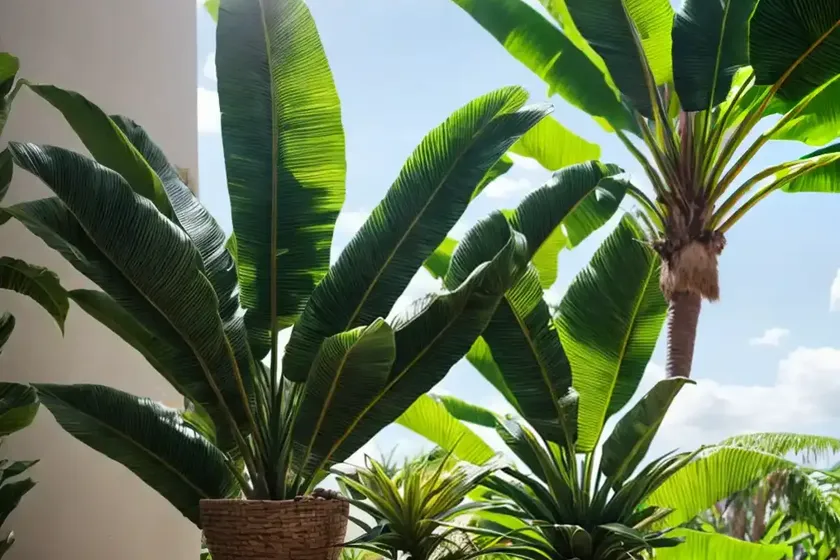
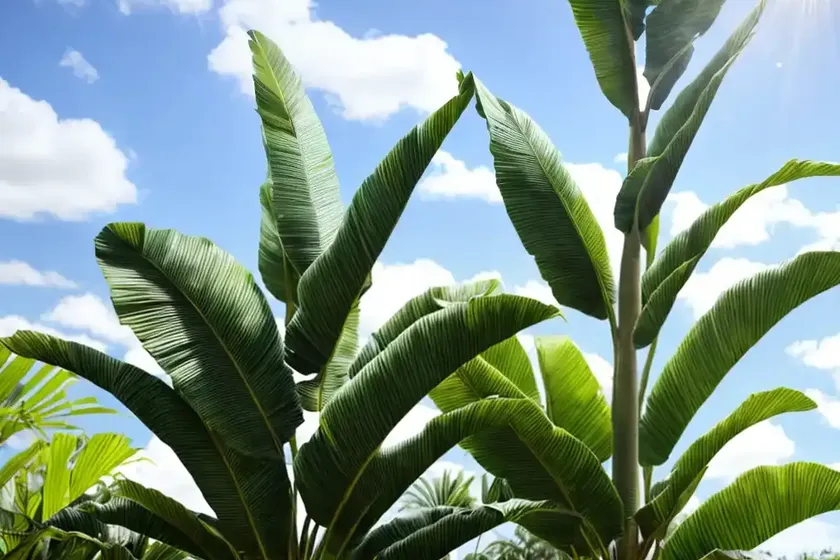
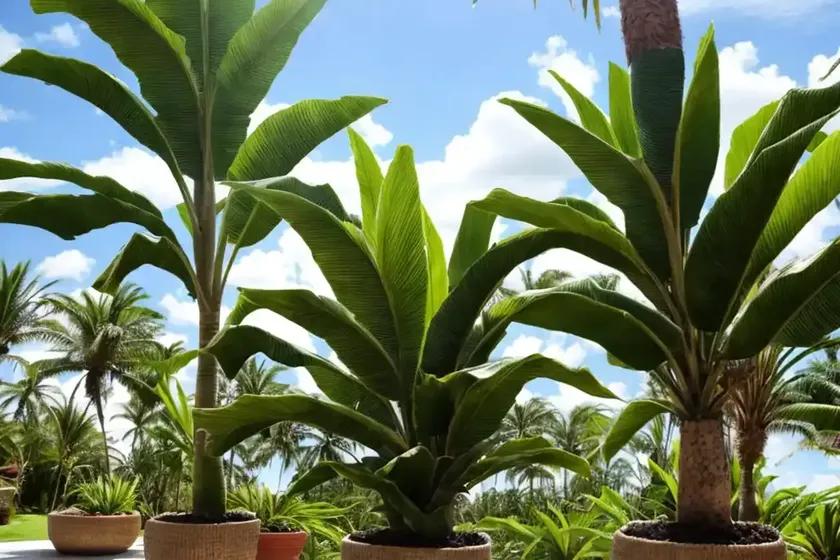
As plant enthusiasts, we are often captivated by the diverse and beautiful world of plant species. The Plantain, scientifically known as Musa x Paradisiaca, is an intriguing plant that has captivated cultures and cuisines around the globe. In this comprehensive guide, we will explore the cultural significance, cultivation techniques, and the myriad benefits of cultivating the Plantain. Whether you are an avid gardener, a culinary enthusiast, or simply intrigued by the wonders of nature, this guide will provide valuable insights into the captivating world of Musa x Paradisiaca.
What is Plantain (Musa x Paradisiaca)?
Musa x Paradisiaca, commonly referred to as Plantain, is a hybrid plant that belongs to the Musaceae family. This herbaceous flowering plant is known for its large, elongated fruits that are often used in culinary applications. The Plantain is believed to have originated in Southeast Asia and has since been cultivated in tropical and subtropical regions worldwide. Its resilient nature and rich cultural history have made it an integral part of various cuisines and traditional practices.
Key Takeaways – Plantain (Musa x Paradisiaca)
Before delving into the cultivation and care of Musa x Paradisiaca, let’s explore some key takeaways and essential aspects related to this remarkable plant.
- Common Name: Plantain
- Scientific Name: Musa x Paradisiaca
- Family: Musaceae
- Cultural Significance: The Plantain holds significant cultural and culinary value in various tropical regions, where it is used in traditional dishes and ceremonies.
- Cultivation: It thrives in tropical and subtropical climates, requiring adequate sunlight, well-draining soil, and regular watering.
- Culinary Uses: The fruits of Musa x Paradisiaca are utilized in a wide range of culinary applications, including savory and sweet dishes.
Now that we have gained a brief understanding of the Plantain, let’s embark on a comprehensive journey into the various aspects of its cultivation, care, and utilization.
Culture
Indigenous Origins and Cultural Significance
The history of Musa x Paradisiaca is deeply intertwined with the culinary and cultural traditions of the regions where it is cultivated. It has been a staple food in many tropical countries for centuries, and its cultural importance extends beyond its culinary uses. The Plantain is often celebrated and incorporated into traditional ceremonies, symbolizing abundance and prosperity.
In various African and Caribbean cultures, the Plantain holds significant symbolic value and is an essential component of traditional cuisines, where it is used in dishes ranging from stews to desserts. The diversity of uses and cultural significance of Musa x Paradisiaca underscores its integral role in the daily lives of many communities.
Culinary Uses and Traditional Recipes
The culinary versatility of the Plantain is truly remarkable, as it can be used at different stages of ripeness to create an array of delightful dishes. From savory plantain chips to sweet fried plantains, the culinary applications of Musa x Paradisiaca are both diverse and delectable. Furthermore, the Plantain is often used in traditional recipes to create mouth-watering delicacies that have been passed down through generations.
In addition to its uses in local cuisines, the Plantain has also found its way into international culinary scenes, adding its unique flavor and texture to a variety of dishes. The fruit’s ability to be integrated into both savory and sweet recipes has contributed to its widespread popularity and appeal.
Symbolism and Traditional Practices
Beyond its culinary applications, the Plantain holds symbolic significance in many cultures. It is often associated with abundance, fertility, and prosperity, and is incorporated into various rituals and ceremonies. The plant’s robust and resilient nature further enhances its symbolic value, representing endurance and strength in the face of adversity.
The multifaceted role of Plantain in traditional practices and symbolism underscores its enduring importance in the cultural fabric of tropical regions.
Uses
Culinary Applications
The culinary versatility of Musa x Paradisiaca is one of its most defining features. The fruit can be utilized at different stages of ripeness, offering a spectrum of flavors and textures. Whether it’s used to create savory dishes or incorporated into desserts, the Plantain adds a unique and delightful dimension to culinary creations.
Some popular culinary applications of the Plantain include:
- Fried Plantains: Ripe plantains are commonly sliced and fried to create a delectable side dish or snack that boasts a delightful balance of sweetness and savory notes.
- Plantain Chips: Thinly sliced unripe plantains are often deep-fried or roasted, resulting in crispy and flavorful chips that are consumed as a crunchy snack.
- Plantain Puree: Mashed ripe plantains are used to create creamy, flavorful purees that can be incorporated into various recipes, adding a rich and distinctive taste.
Medicinal and Nutritional Uses
In addition to its culinary uses, Musa x Paradisiaca offers various medicinal and nutritional benefits. The fruit is a good source of essential vitamins, minerals, and dietary fiber, making it a valuable addition to a balanced diet. Furthermore, certain traditional medicinal practices utilize different parts of the Plantain, such as the leaves, for their potential healing properties.
The nutritional value of the Plantain includes:
- Vitamins: Rich in vitamins A, C, and B6, contributing to overall health and immune function.
- Minerals: Contains essential minerals such as potassium and magnesium, which are vital for various physiological processes.
- Dietary Fiber: Provides dietary fiber, aiding in digestion and promoting gut health.
The multifaceted uses of Musa x Paradisiaca in culinary, medicinal, and nutritional contexts highlight its importance as a versatile and valuable plant species.
Cultivation
Water
Proper watering is essential for the healthy growth and development of Musa x Paradisiaca. Adequate moisture is particularly crucial during the plant’s active growing phases and fruiting periods. However, it is essential to maintain a balanced approach to watering, ensuring that the soil does not become waterlogged, which can lead to root rot and other issues.
Watering Tips for Plantain (Musa x Paradisiaca)
- Consistent Moisture: Aim to keep the soil consistently moist but not waterlogged. Regularly check the soil moisture levels, particularly during periods of heat or dry weather.
- Optimal Drainage: Ensure that the planting site or containers have proper drainage to prevent water accumulation around the Plantain’s root system.
- Mulching: Applying a layer of organic mulch around the base of the plant can help retain soil moisture and regulate water absorption, especially in areas with fluctuating weather conditions.
Sunlight
Musa x Paradisiaca thrives in environments with ample sunlight, as it is essential for its growth and fruit production. When selecting a planting site or positioning Plantain in containers, it is important to consider its sunlight requirements to ensure optimal development.
Sunlight Requirements for Plantain (Musa x Paradisiaca)
- Full Sun: Ideally, Plantain should be situated in a location that receives full sunlight for the majority of the day. A minimum of 6 to 8 hours of direct sunlight is recommended for robust growth and fruiting.
- Partial Shade: While Plantain prefers full sun, it can tolerate some degree of partial shade, particularly in hotter climates where partial shade can offer protection from intense midday sun.
Fertilizer
Providing appropriate nutrients to Musa x Paradisiaca is vital for sustaining healthy growth and promoting fruitful yields. A balanced fertilizer regimen tailored to the plant’s specific nutritional needs can significantly enhance its overall vigor and productivity.
Fertilizing Guidelines for Plantain (Musa x Paradisiaca)
- Slow-Release Fertilizer: Consider using a slow-release fertilizer that provides a steady and consistent supply of nutrients over an extended period, supporting the plant’s long-term health.
- Potassium-Rich Fertilizer: Given Plantain’s high potassium requirements, applying a fertilizer with a balanced ratio of nutrients, emphasizing potassium, can benefit fruit development and overall plant vitality.
- Application Frequency: Depending on the specific fertilizer product, aim to apply fertilizer every 6 to 8 weeks during the growing season, adjusting the frequency based on the plant’s response and nutrient requirements.
Soil
The quality and composition of the soil directly impact the growth and overall health of Musa x Paradisiaca. As a tropical plant, Plantain thrives in well-draining, nutrient-rich soil that provides an ideal foundation for its root development and nutrient uptake.
Soil Requirements for Plantain (Musa x Paradisiaca)
- Well-Draining Soil: Choose soil that offers good drainage to prevent waterlogging and minimize the risk of root-related issues. Sandy loam or loamy soils with good drainage properties are well-suited for Plantain cultivation.
- Nutrient-Rich Soil: Incorporate organic matter such as compost or well-rotted manure into the soil to enhance its fertility and nutrient content. This provides essential elements for robust plant growth and fruit production.
- Soil pH: Plantain thrives in slightly acidic to neutral soil with a pH range of 5.5 to 7.0. Conduct a soil pH test and make any necessary adjustments to ensure an optimal growing environment.
Pruning
Pruning can play a valuable role in maintaining the health, aesthetics, and productivity of Musa x Paradisiaca. By removing spent foliage, managing plant size, and enhancing airflow, pruning serves as a proactive measure for promoting optimal growth and fruit development.
Pruning Guidelines for Plantain (Musa x Paradisiaca)
- Removing Spent Leaves: Regularly remove older, yellowing leaves to maintain a neat appearance and prevent potential disease issues associated with decaying foliage.
- Managing Suckers: As Musa x Paradisiaca is known to produce suckers or offsets, it is recommended to selectively thin out excess shoots to direct the plant’s energy towards fruit production and the development of healthy, robust plants.
- Sterilization: When conducting pruning activities, it is advisable to use sterilized pruning tools to minimize the risk of transmitting diseases or pathogens to the plant.
Propagation
The propagation of Musa x Paradisiaca can be achieved through various methods, including division, rhizome cuttings, and tissue culture. Each approach offers unique advantages and considerations, enabling enthusiasts and cultivators to expand their Plantain populations through effective propagation techniques.
Propagation Methods for Plantain (Musa x Paradisiaca)
- Rhizome Cuttings: Propagating Plantain through rhizome cuttings involves selecting healthy rhizome sections and establishing them in a conducive growing medium, facilitating the development of new plantlets.
- Division: Dividing mature plants into separate sections, ensuring that each division possesses sufficient root structure and shoot growth to thrive as an independent plant.
- Tissue Culture: Leveraging tissue culture techniques to propagate Musa x Paradisiaca in a controlled environment, promoting rapid multiplication of plantlets under sterile conditions.
Container Popularity
The versatility of Plantain cultivation extends to container gardening, where enthusiasts can grow this remarkable plant in a confined space, whether it’s on a patio, balcony, or indoors. Container planting enables individuals to harness the beauty and productivity of Musa x Paradisiaca within smaller urban or suburban settings.
Advantages of Container Planting for Plantain (Musa x Paradisiaca)
- Space-Efficient: Container gardening allows for the cultivation of Plantain in areas with limited space, making it accessible to a broad spectrum of gardening enthusiasts.
- Portability: Containers offer the flexibility to relocate the Plantain based on sunlight availability, climatic conditions, and aesthetic considerations.
- Controlled Environment: By growing Musa x Paradisiaca in containers, individuals can regulate factors such as soil composition, drainage, and microclimate, thereby optimizing the plant’s growing conditions.
Common Diseases
Plantain (Musa x Paradisiaca) is susceptible to certain diseases and pests that can affect its overall health and productivity. Understanding the common diseases and their associated symptoms is pivotal in implementing timely preventive measures and targeted management strategies.
Disease Diagnosis and Management
- Sigatoka Leaf Spot: This fungal disease, caused by various species of the Mycosphaerella pathogen, results in the formation of distinctive spots on the plant’s leaves. Implementing appropriate fungicidal sprays and maintaining good airflow around the plant can help manage this disease.
- Banana Bunchy Top Virus (BBTV): BBTV is a viral disease that affects the growth of the plant and can lead to stunted and distorted fruit production. Preventive measures, such as controlling aphid populations and promptly removing infected plants, are critical in managing BBTV.
Implementing sound cultural practices, such as regular sanitation, proper irrigation, and effective pest management, can mitigate the risk of diseases and promote the overall well-being of Musa x Paradisiaca.
Common Pests
In addition to diseases, various pests can pose a threat to the health and vitality of Musa x Paradisiaca. By identifying and implementing targeted pest control measures, enthusiasts can safeguard their Plantain plants from potential infestations and minimize the risk of pest-related damage.
Pest Control for Plantain (Musa x Paradisiaca) Plants
- Banana Aphids: These sap-sucking insects can inflict damage by depleting the plant’s resources and transmitting viral diseases. Employing natural predators, insecticidal soaps, or horticultural oils can effectively manage aphid populations.
- Banana Weevils: Larvae of the banana weevil burrow into the plant’s pseudostem and corm, causing structural damage and compromising the plant’s resilience. Implementing consistent monitoring and utilizing targeted insecticide treatments can help manage weevil populations.
Maintaining a vigilant approach to pest observation and implementing integrated pest management strategies can aid in preserving the health and vitality of Musa x Paradisiaca plants.
Botanist’s Tips
Key Considerations for Successful Plantain (Musa x Paradisiaca) Cultivation
- Climate Compatibility: Ensure that the climate of the chosen cultivation area aligns with the tropical or subtropical requirements of Musa x Paradisiaca, providing the necessary warmth and humidity for robust growth.
- Healthy Soil Conditions: Prioritize the use of well-draining, nutrient-rich soil that supports optimal root development and nutrient uptake, contributing to overall plant health.
- Regular Maintenance: Conduct regular inspections and maintenance activities, including pruning, fertilization, and pest management, to uphold the vitality and productivity of Plantain plants.
By adhering to these key considerations and consistently monitoring the plant’s progress, cultivation enthusiasts can maximize the success of growing and maintaining Musa x Paradisiaca.
Fun Facts
- The scientific name Musa x Paradisiaca reflects the hybrid nature of the Plantain, arising from the interplay of different Musa species.
- Plantain leaves serve as eco-friendly and sustainable packaging materials in various cultures, demonstrating the plant’s versatile applications.
- In certain traditions, Plantain is believed to possess ceremonial and spiritual significance, enhancing its cultural and symbolic relevance.
Links to External Resources
For further exploration and in-depth insights into Plantain (Musa x Paradisiaca) cultivation and applications, the following external resources are valuable references:
-
International Network for Edible Aroids (INEA): INEA provides comprehensive information on diverse edible aroids, including Musa x Paradisiaca, and their cultural significance.
-
National Center for Biotechnology Information (NCBI): Explore scientific publications and research articles on the genetic and phylogenetic aspects of Musa x Paradisiaca.
-
Food and Agriculture Organization of the United Nations (FAO): Delve into FAO’s resources on sustainable agriculture and tropical plant cultivation, including insights on Plantain production and management.
-
Botanical Gardens and Ethnobotany Research Centers: Botanical gardens and ethnobotany research centers offer valuable resources on the cultural and botanical significance of Musa x Paradisiaca in diverse regions.
Conclusion
The captivating journey through the world of Plantain (Musa x Paradisiaca) has unveiled its rich cultural heritage, multifaceted uses, and essential cultivation practices. As we appreciate the Plantain’s culinary contributions, cultural symbolism, and ecological significance, we are reminded of the remarkable diversity and resilience of plant species. Whether it’s thriving in a tropical garden, adding vibrancy to a culinary creation, or standing as a symbol of prosperity, Musa x Paradisiaca continues to enchant and inspire plant enthusiasts globally.
With an array of cultural and culinary applications, a symbiotic relationship with the environments in which it grows, and its enduring presence in traditions, Plantain (Musa x Paradisiaca) exemplifies the profound interconnectedness between plants and human societies. As we continue to explore and celebrate the botanical wonders of the natural world, the legacy of Musa x Paradisiaca shines brightly as a testament to the enduring relationship between humans and plants.
As we conclude this in-depth exploration of Plantain (Musa x Paradisiaca), may the insights gained serve as a source of inspiration for embracing and cherishing the invaluable contributions of plants to our lives and cultures.
This article aims to provide comprehensive insights into the cultivation, care, and significance of Plantain (Musa x Paradisiaca), offering valuable guidance and knowledge for enthusiasts and cultivators. By delving into the multifaceted aspects of this remarkable plant species, we strive to enhance the understanding and appreciation of its role in diverse cultural, culinary, and ecological contexts.


