Plantain Lily (Hosta Plantaginea)
Plantain Lily, scientifically known as Hosta plantaginea, is a perennial plant that is cherished for its lush foliage and beautiful flowers. Belonging to.
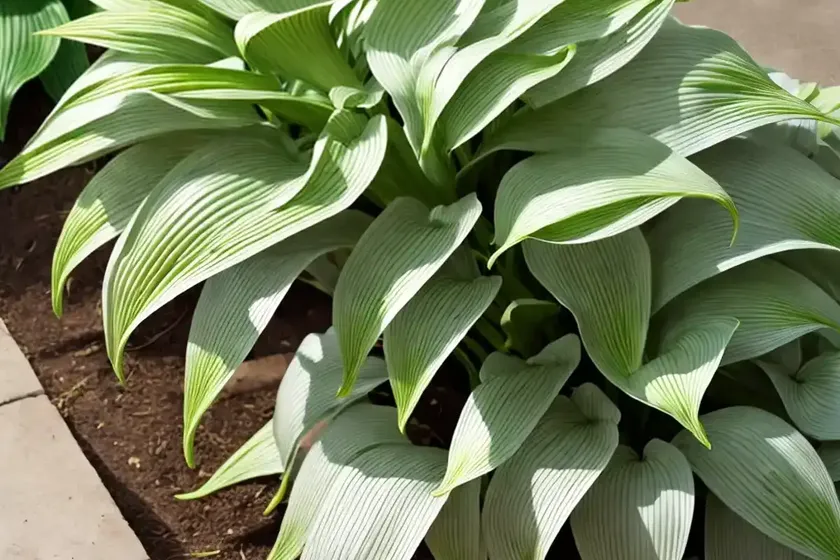
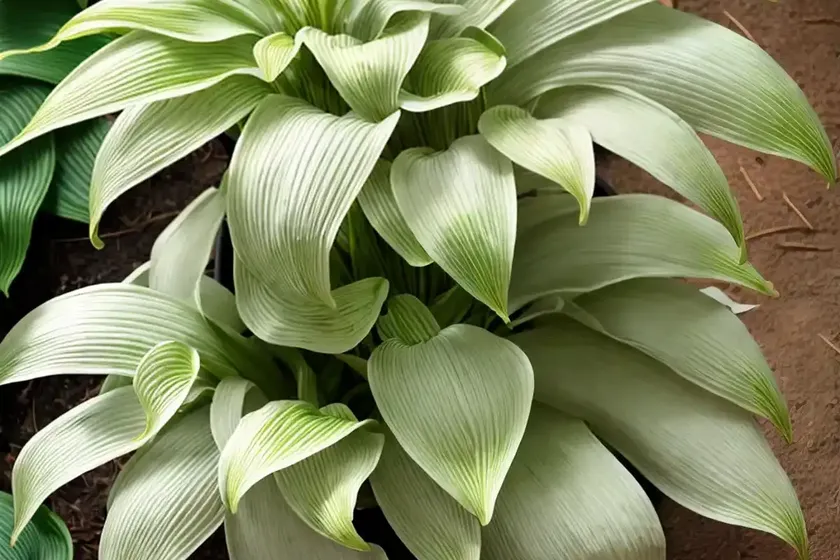
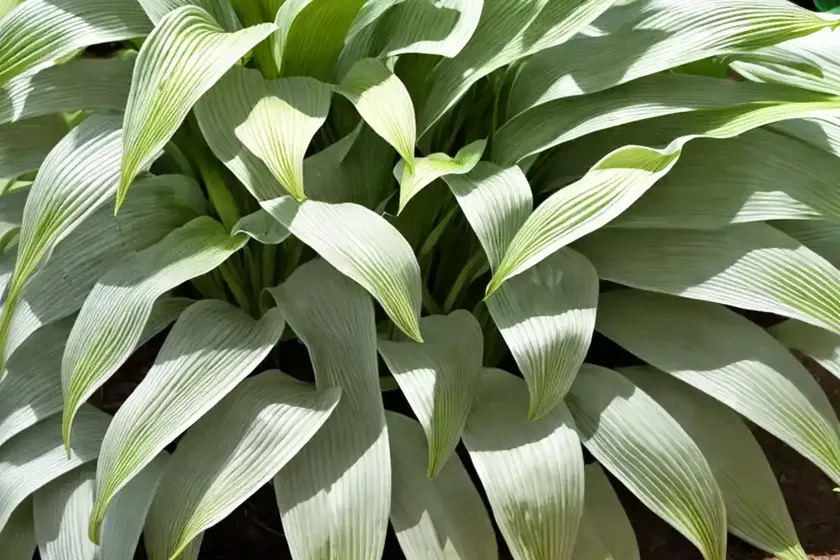
Plantain Lily, scientifically known as Hosta plantaginea, is a perennial plant that is cherished for its lush foliage and beautiful flowers. Belonging to the family Asparagaceae, this plant is native to China and has gained popularity among gardeners around the world. In this comprehensive guide, we’ll dive into the culture, uses, care requirements, propagation, common diseases, and interesting facts about the Plantain Lily.
What is Plantain Lily (Hosta plantaginea)?
The Plantain Lily, or Hosta plantaginea, is a herbaceous perennial plant that is highly esteemed for its attractive foliage and fragrant blossoms. It is characterized by its large, lush leaves and delicate, trumpet-shaped flowers that bloom in the summer.
Key Takeaways – Plantain Lily (Hosta plantaginea)
Before delving into the details, here are some key takeaways about the Plantain Lily:
- Botanical Name: Hosta plantaginea
- Family: Asparagaceae
- Native to: China
- Common Names: Hosta Lily, Plantain Lily
- Notable Features: Lush foliage, fragrant flowers
- Ideal Growing Conditions: Shade-loving, well-draining soil
- Uses: Ornamental plant in gardens and landscapes
Culture
Uses
The Plantain Lily is a versatile plant that serves various purposes in landscaping and gardening. Some of its prominent uses include:
- Ornamental Plant: Its lush foliage and beautiful flowers make it an excellent choice for ornamental plantings in gardens, borders, and woodland settings.
- Shade Garden: Due to its preference for shade, the Plantain Lily is a popular choice for shade gardens and areas with limited sunlight.
- Ground Cover: In areas with moist, shaded conditions, Plantain Lily can serve as an attractive ground cover, creating a lush carpet of foliage.
Water
Proper watering is crucial for the health and vitality of Hosta plantaginea. Here are some key points to consider regarding its water requirements:
- Consistent Moisture: Plantain Lily thrives in consistently moist soil, especially during the growing season. Regular watering is essential, particularly in hot and dry weather.
- Avoid Waterlogging: While it appreciates moisture, it is important to ensure that the soil is well-draining to prevent waterlogged conditions, which can lead to root rot.
Sunlight
Hosta plantaginea is renowned for its preference for shade. When considering its sunlight requirements, keep the following in mind:
- Shade-loving: Plantain Lily thrives in partial to full shade. It is important to protect it from direct sunlight, especially during the hottest part of the day.
- Morning Sun: While it prefers shade, it can tolerate some morning sun, especially in cooler climates.
Fertilizer
Proper fertilization contributes to the overall health and vigor of the Plantain Lily. Consider the following when fertilizing:
- Balanced Fertilizer: Apply a balanced, slow-release fertilizer in the spring as new growth emerges. This will provide the plant with essential nutrients for healthy foliage and flower production.
- Avoid Over-fertilization: While fertilization is important, avoid overdoing it, as excessive fertilizer can lead to lush foliage but reduced flowering.
Soil
The right soil conditions are essential for the optimal growth of Hosta plantaginea. Here’s what to keep in mind about its soil preferences:
- Well-draining Soil: Plantain Lily thrives in well-draining, humus-rich soil. Amending the soil with organic matter such as compost can improve its texture and fertility.
- Moisture Retention: While it requires well-draining soil, it is important to ensure that the soil retains sufficient moisture, especially in drier conditions.
Pruning
Pruning is an important aspect of Plantain Lily care, helping to maintain its shape and promote healthy growth:
- Removing Spent Flower Stalks: Once the flowers have faded, promptly remove the spent flower stalks to encourage the plant to focus its energy on foliage growth.
- Trimming Dead Leaves: Regularly remove any yellowing or dead leaves to improve the overall appearance of the plant and prevent the spread of disease.
Propagation
Hosta plantaginea can be propagated through various methods, allowing gardeners to expand their plantings or share the beauty of this species with others:
- Division: The most common method of propagation is through division. In the spring or fall, divide mature clumps of the Plantain Lily, ensuring each division has several rhizomes and healthy roots.
- Seed Propagation: While less commonly practiced, Plantain Lily can also be grown from seeds. Keep in mind that seed-grown plants may not retain the exact characteristics of the parent plant.
Container Popularity
Plantain Lily has also gained popularity as a container plant, offering an attractive and low-maintenance option for container gardening:
- Compact Varieties: Select compact Hosta plantaginea varieties that are well-suited for containers, such as ‘Blue Mouse Ears’ or ‘Patriot.’
- Shade Containers: Use Plantain Lily to add lush greenery and texture to shaded patio containers or balcony gardens.
- Container Care: Ensure that containers have adequate drainage and water as needed, considering the potential for faster drying out in containers compared to garden soil.
Common Diseases
Managing and preventing diseases is crucial for maintaining healthy Plantain Lily plants. Here are some common diseases and their management:
- Fungal Diseases: Hosta plantaginea may be susceptible to fungal diseases such as powdery mildew and crown rot. Provide proper air circulation and avoid overhead watering to minimize the risk of fungal infections.
- Slug Damage: While not a disease, slugs can cause significant damage to the foliage of Plantain Lily. Implement slug control measures such as organic slug pellets or diatomaceous earth to protect the plants.
Disease Diagnosis
When identifying and addressing potential diseases, it is important to closely monitor the plant and take appropriate action:
- Visual Symptoms: Look for signs of discoloration, wilting, or unusual spots on the leaves, which may indicate fungal or bacterial issues.
- Consultation: If unsure about a particular disease or issue affecting the Plantain Lily, seek advice from local gardening experts or cooperative extension services for accurate diagnosis and treatment recommendations.
Common Pests
In addition to diseases, certain pests can pose a threat to Hosta plantaginea. Vigilance and early intervention are key in pest management:
- Slugs and Snails: These common pests can cause significant damage to the foliage of Plantain Lily. Implement organic control methods, such as traps or barriers, to protect the plants.
- Deer Feeding: In areas with deer populations, consider the potential for deer damage and take appropriate measures to deter browsing, such as using deer repellents or physical barriers.
Botanist’s Tips
Drawing from scientific insights and practical experience, here are some valuable tips for successful cultivation of Plantain Lily:
- Mulching: Apply a layer of organic mulch around the base of the Plantain Lily to conserve moisture, suppress weeds, and provide insulation for the roots.
- Companion Planting: Pair Hosta plantaginea with companion plants that complement its foliage and thrive in similar shady conditions, such as ferns, astilbe, and heuchera.
- Adequate Air Circulation: To minimize the risk of fungal diseases, ensure that Plantain Lily plantings have sufficient air circulation, especially in humid climates.
Fun Facts
In addition to its horticultural attributes, Plantain Lily boasts interesting and noteworthy characteristics:
- Edible Shoots: While not widely consumed, the young shoots of Hosta plantaginea are edible and are traditionally used in certain Chinese cuisines.
- Fragrant Flowers: Unlike many other Hosta varieties, the flowers of Plantain Lily are highly fragrant, emitting a delightful aroma especially in the evening.
Links to External Resources
For additional information and resources on Plantain Lily (Hosta plantaginea), consider exploring the following links:
As you can see, Plantain Lily (Hosta plantaginea) is a captivating and versatile plant that offers unique value in gardens and landscapes. By understanding its cultural requirements, propagation methods, and common care practices, gardeners can cultivate and enjoy the beauty of this shade-loving perennial. Whether used as a focal point in a shady garden or as a charming addition to a woodland landscape, the Plantain Lily stands out as an exceptional choice for plant enthusiasts.