Pistachio (Pistacia Vera)
Pistachio (Pistacia Vera) is a remarkable tree that is valued not only for its delicious nuts but also for its ornamental appeal and adaptability to.
Pistachio (Pistacia Vera) is a remarkable tree that is valued not only for its delicious nuts but also for its ornamental appeal and adaptability to various climates. In this comprehensive guide, we will delve into the world of Pistacia Vera, exploring its culture, uses, growing conditions, common pests and diseases, as well as propagation methods. Additionally, we will uncover the history, health benefits, and interesting facts about this fascinating plant. Whether you are an avid gardener, a commercial grower, or simply a pistachio enthusiast, this guide aims to provide you with valuable insights into the cultivation and care of the Pistacia Vera tree.
What is Pistachio (Pistacia Vera)?
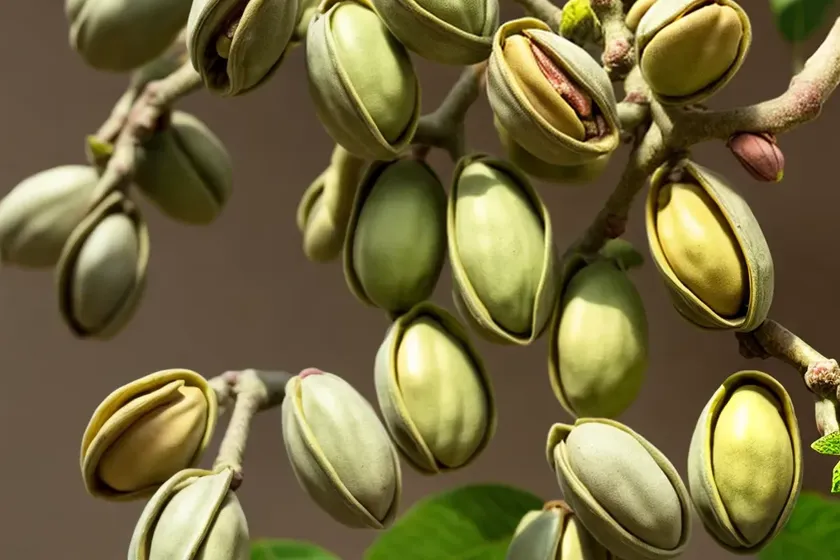
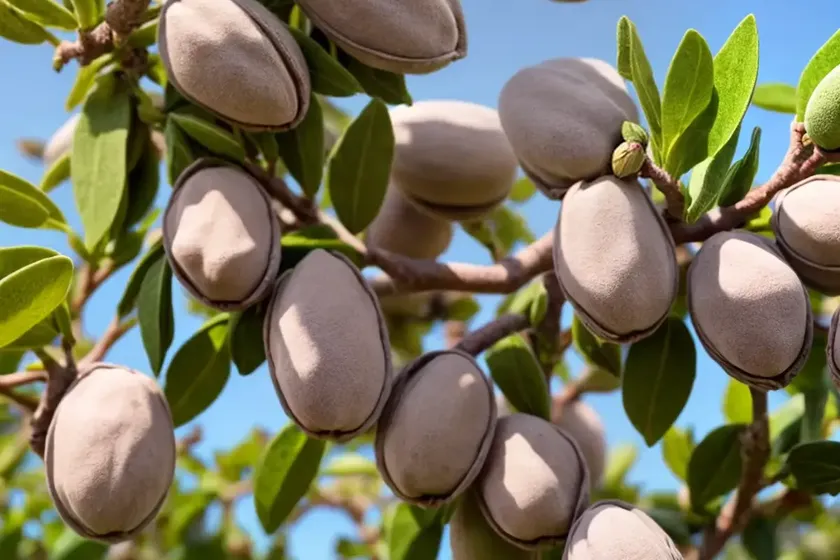
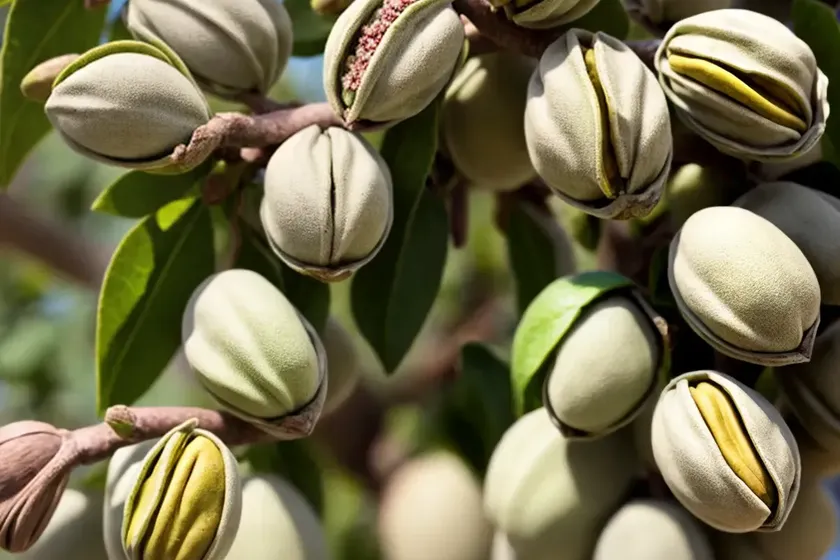
Pistachio (Pistacia Vera), also known as the “green nut,” is a small deciduous tree belonging to the Anacardiaceae family. Originating from Central Asia, particularly Iran and Afghanistan, the pistachio tree has been cultivated for thousands of years for its flavorful and nutritious nuts. Besides its culinary significance, the pistachio tree is esteemed for its attractive appearance, featuring clusters of compound pinnate leaves and distinctively hued nuts encased in beige shells that split open upon maturity, revealing the vibrant green edible kernels.
Pistacia Vera is notably renowned for its resilience in arid and semi-arid regions, making it a valuable crop in areas with challenging environmental conditions. The tree’s ability to thrive in diverse climates, coupled with the increasing demand for its nutritious nuts, has led to the global expansion of pistachio cultivation, with major production centers including the United States, Iran, Turkey, and Syria.
Key Takeaways – Pistachio (Pistacia Vera)
Before delving into the intricate details of cultivating and caring for Pistacia Vera, let’s explore the key takeaways associated with this remarkable plant:
- Pistachio Tree: A small deciduous tree with compound pinnate leaves and clusters of edible nuts.
- Pistachio Nut: The flavorful and nutritious nut harvested from the pistachio tree, encased in beige shells.
- Pistachio Cultivation: Pistachio cultivation is a significant agricultural activity in various countries, characterized by its adaptability to arid and semi-arid climates.
- Pistachio Varieties: Different pistachio varieties exist, each displaying unique characteristics and flavor profiles.
- Pistachio Health Benefits: The pistachio nut is celebrated for its numerous health benefits, including heart-healthy fats, proteins, and vital nutrients.
- Pistachio Tree Care: Proper care and maintenance are essential for the successful cultivation of pistachio trees, ensuring optimal growth and nut production.
- Pistachio Recipes: Pistachios are a versatile ingredient in culinary applications, featuring in a wide range of savory and sweet dishes.
- Pistachio Harvesting: Timely and efficient harvesting techniques are crucial for obtaining high-quality pistachio nuts.
- Pistachio Propagation: Understanding the methods of pistachio propagation is fundamental for growers seeking to expand their orchards.
- Pistachio Growing Conditions: The ideal growing conditions for pistachio trees encompass specific requirements related to water, sunlight, soil, and climate.
By exploring these key takeaways, you will gain a comprehensive understanding of the pistachio tree and its associated cultivation practices, culinary uses, and health benefits.
Culture
The cultural significance of Pistacia Vera extends beyond its role as a valuable food crop. With its deep roots in ancient traditions, the pistachio tree holds symbolic and ritualistic importance in various cultures. In the context of cultivation, the culture of pistachio trees encompasses the traditional practices, environmental adaptations, and historical relevance associated with this distinctive plant.
Uses
Culinary Uses
One of the primary uses of Pistacia Vera lies in its culinary applications. The delectable pistachio nut, characterized by its unique flavor and vibrant green hue, serves as a versatile ingredient in numerous dishes. From savory recipes such as pistachio-crusted salmon to sweet indulgences like pistachio ice cream and baklava, the pistachio nut adds a delightful crunch and rich flavor to a wide array of culinary creations. Additionally, pistachios are often incorporated into confectionery, pastries, and desserts, contributing to their visual appeal and taste.
Pistachio Recipes
Here are a few popular pistachio recipes to explore:
- Pistachio Baklava: A traditional Middle Eastern dessert featuring layers of flaky pastry filled with a mixture of ground pistachios, honey, and spices.
- Pistachio-Crusted Chicken: Tender chicken breast coated with a flavorful pistachio crust, offering a satisfying crunch and nutty essence.
- Pistachio Cardamom Cake: A moist and aromatic cake infused with the delicate flavors of pistachios and fragrant cardamom.
- Pistachio Rosewater Ice Cream: Creamy rosewater-infused ice cream studded with chopped pistachios, offering a delightful blend of floral and nutty notes.
Other Uses
Beyond its culinary allure, pistachio shells are utilized in horticultural practices as a mulching material, contributing to soil moisture retention and weed suppression. Additionally, the shells can be repurposed as a biofuel or incorporated into sustainable construction materials, highlighting the versatility and resourcefulness of pistachio by-products.
Water
Watering Requirements
Efficient water management is crucial for the successful cultivation of Pistacia Vera, particularly in regions prone to drought or water scarcity. While the pistachio tree exhibits a remarkable tolerance to arid conditions, it is essential to provide adequate irrigation during the critical stages of growth, nut development, and fruit maturation. Optimal soil moisture levels contribute to robust tree vigor, enhanced nut quality, and improved overall yields.
Irrigation Strategies
- Drip Irrigation: Utilizing drip irrigation systems ensures targeted water delivery directly to the root zone, minimizing water wastage and promoting efficient resource utilization.
- Soil Moisture Monitoring: Regular monitoring of soil moisture levels enables growers to adjust irrigation schedules based on the tree’s requirements, climatic conditions, and soil characteristics.
Sunlight
Sunlight Requirements
Pistachio trees thrive in full sunlight, displaying a preference for well-lit environments that promote vigorous growth and abundant nut production. Adequate exposure to sunlight facilitates photosynthesis, enabling the tree to harness solar energy and convert it into essential nutrients vital for its development and reproductive processes.
Sunlight Optimization
- Site Selection: Choosing a site with ample sunlight exposure and minimal shading ensures optimal growing conditions for pistachio trees, maximizing their photosynthetic efficiency and metabolic activities.
- Pruning Practices: Pruning strategies aimed at maintaining an open canopy structure facilitate uniform sunlight penetration, reducing overcrowding and promoting balanced growth across the tree’s canopy.
Fertilizer
Nutrient Considerations
Fertilization plays a pivotal role in supporting the nutritional requirements of pistachio trees, supplying essential macro and micronutrients vital for their growth, productivity, and overall health. Understanding the specific nutrient needs of Pistacia Vera is fundamental for implementing targeted fertilization regimes that address the tree’s dynamic demands across different developmental stages.
Fertilizer Application
- Nitrogen: Balancing nitrogen application to avoid excessive vegetative growth and ensure optimal nut development.
- Phosphorus and Potassium: Providing adequate levels of phosphorus and potassium for promoting root development, stress tolerance, and fruit quality.
- Micronutrient Supplements: Addressing potential deficiencies of micronutrients such as zinc, manganese, and boron through precision application of appropriate supplements.
Soil
Soil Composition
The ideal soil conditions for pistachio cultivation encompass well-draining, moderately alkaline soils with good aeration, adequate fertility, and minimal salinity. Pistacia Vera demonstrates adaptability to diverse soil types, ranging from sandy loams to clay soils, as long as they exhibit sufficient permeability and a pH range of 7.0 to 8.0.
Soil Amendment Practices
- Organic Matter Addition: Incorporating organic amendments enhances soil structure, nutrient retention, and biological activity, contributing to overall soil health and fertility.
- Alkalinity Management: Monitoring soil pH levels and implementing appropriate amelioration measures to mitigate potential issues associated with excessive alkalinity.
Pruning
Pruning Techniques
Pruning represents a fundamental component of pistachio tree care, encompassing strategic practices aimed at optimizing tree structure, light exposure, and airflow within the canopy. Well-executed pruning techniques contribute to the removal of dead or diseased wood, maintenance of balanced branching, and facilitation of proper fruit set and maturation.
Pruning Objectives
- Canopy Thinning: Thinning out excessive growth within the canopy to enhance light penetration and air circulation, reducing the risk of disease development and promoting uniform nut development.
- Suckering Control: Managing and removing suckers to prevent competitive growth and redirect the tree’s resources towards productive shoots and branches.
- Size Control: Controlling the size and shape of the tree through selective pruning, facilitating ease of management and harvesting operations.
Propagation
Propagation Methods
The propagation of Pistacia Vera involves various techniques, including both sexual and asexual methods aimed at generating new trees with desirable genetic traits. Understanding the intricacies of pistachio propagation is fundamental for growers seeking to expand their orchards, rejuvenate aging trees, or preserve specific cultivars.
Propagation Approaches
- Seed Propagation: Seed germination techniques for generating pistachio seedlings, often utilized for rootstock production and genetic diversity.
- Grafting: Grafting represents a common method for vegetative propagation, involving the union of selected scion varieties onto compatible rootstocks to perpetuate desirable traits and ensure genetic consistency.
- Micropropagation: Tissue culture methodologies for mass multiplication of elite pistachio genotypes, offering rapid production of disease-free planting material and uniform trees.
Container Popularity
Pistacia Vera exhibits an increasing popularity as a container-grown plant, particularly in urban and suburban settings where space limitations or climatic constraints may necessitate alternative cultivation methods. The compact size and ornamental foliage of the pistachio tree render it well-suited for container cultivation, allowing enthusiasts to enjoy the beauty and bounty of this remarkable plant in diverse environments.
Container Common Diseases
Disease Diagnosis
When cultivating pistachio trees in containers, it is essential to remain vigilant for potential diseases that may impact the tree’s health and productivity. Common container diseases affecting Pistacia Vera encompass fungal infections, bacterial diseases, and environmental stress-related ailments that necessitate prompt identification and targeted management strategies.
Diagnostic Considerations
- Leaf Spot: Observation of circular or irregular lesions on leaves, often associated with fungal pathogens such as Alternaria or Botrytis.
- Root Rot: Signs of root decay, reduced vigor, and wilting foliage indicating potential issues with soil-borne pathogens or overwatering.
- Bacterial Blight: Development of necrotic lesions on leaves, cankers, or dieback symptoms associated with Xanthomonas or Pseudomonas infections.
Disease Management
Effective disease management practices for container-grown pistachio trees involve proactive measures aimed at minimizing disease pressure, promoting plant vigor, and ensuring optimal growing conditions conducive to resilience and disease resistance.
Management Strategies
- Cultural Practices: Implementation of proper watering, soil drainage, and sanitation practices to reduce disease susceptibility and limit pathogen proliferation.
- Fungicidal Applications: Targeted application of fungicides to control fungal diseases and prevent spore dissemination, particularly during periods favorable for disease development.
- Nutritional Support: Providing balanced nutrition and micronutrient supplementation to bolster plant immunity and mitigate stress-related vulnerabilities.
Common Pests
Pest Identification
Pistachio trees in container cultivation are susceptible to various pests that may compromise their vitality and nut production. Identifying common pests and their associated damage symptoms is pivotal for implementing timely pest control measures and preserving the health of containerized pistachio trees.
Pest Profiles
- Aphids: Small, sap-feeding insects causing leaf curling, honeydew deposition, and potential virus transmission, particularly under crowded growing conditions.
- Spider Mites: Tiny arachnids that induce stippling, webbing, and leaf discoloration, thriving in dry and warm environments characteristic of containers.
- Scale Insects: Immobile pests that infest stems and leaves, leading to chlorotic spots, weakening of the plant, and honeydew secretion.
Pest Management
Strategic pest management practices are vital for safeguarding container-grown pistachio trees from infestations and minimizing pest-induced damage through integrated approaches that encompass biological, cultural, and chemical control strategies.
Integrated Control Measures
- Biological Control: Utilization of beneficial predators and parasitoids to regulate pest populations and maintain ecological balance within the containerized pistachio environment.
- Cultural Manipulation: Adoption of cultural practices such as pruning, cleanliness, and adequate spacing to reduce pest pressure and create unfavorable conditions for infestation.
- Selective Pesticide Use: Application of selective pesticides targeting specific pests while minimizing non-target impacts, adhering to safety guidelines and environmental considerations.
Botanist’s Tips
As a plant scientist specializing in Pistacia Vera, I have compiled a set of insightful tips and recommendations to aid enthusiasts and growers in the successful cultivation and care of the pistachio tree.
Growth Optimization
- Environmental Adaptability: Select pistachio varieties tailored to your climatic zone and site-specific conditions, ensuring optimal growth and yield potential.
- Root Health: Prioritize root system development through proper irrigation, soil aeration, and root zone management, fostering a robust foundation for tree vigor and nutrient uptake.
- Canopy Management: Employ strategic pruning and training techniques to shape the tree’s architecture, facilitate light penetration, and control vegetative growth for balanced productivity.
Nutrient Management
- Soil Analysis: Conduct regular soil tests to assess nutrient availability, composition, and pH levels, guiding customized fertilization regimens tailored to the specific needs of Pistacia Vera.
- Balanced Nutrition: Provide a well-rounded supply of macro and micronutrients to support the tree’s growth, flowering, and nut development, addressing seasonal demands and soil deficiencies.
Disease and Pest Vigilance
- Early Detection: Monitor pistachio trees for any signs of disease symptoms, pest activity, or environmental stress, intervening promptly to prevent escalation and mitigate potential damage.
- Integrated Pest Management: Embrace an integrated pest management approach that integrates cultural, biological, and chemical strategies to sustainably manage pest and disease pressures.
Propagation Insights
- Genetic Diversity: Embrace the diversity of pistachio genotypes through prudent selection of propagules, grafting choices, and preservation of unique cultivars, promoting genetic resilience and diversity within orchards.
- Propagation Hygiene: Adhere to strict hygiene standards and sterile practices during propagation activities to mitigate disease transmission, safeguard plant health, and ensure the production of vibrant, disease-free trees.
Nut Harvesting Considerations
- Harvest Timing: Monitor nut maturity closely, coordinating timely harvesting operations to secure high-quality pistachio nuts with optimal taste, color, and nutrient content.
- Post-Harvest Handling: Implement proper post-harvest protocols to ensure the drying, processing, and storage of pistachio nuts in optimized conditions, preserving their flavor and market value.
Fun Facts
Pistacia Vera, beyond its agricultural and culinary importance, harbors an array of intriguing and captivating facts that offer insights into the rich history, cultural significance, and biological marvels associated with this remarkable plant.
- Historical Origins: Pistachio trees have a storied history dating back thousands of years, with references to their cultivation in ancient Persia and Assyria, underscoring their enduring legacy.
- Healthful Attributes: Pistachio nuts are celebrated for their stellar nutritional profile, comprising heart-healthy fats, proteins, dietary fiber, and an assortment of essential vitamins and minerals.
- Color Transformation: The vibrant green hue of pistachio kernels is attributed to their chlorophyll content, with specialized harvesting and processing techniques preserving their natural coloration.
- International Symbolism: Emblematic of prosperity and good fortune, pistachios have been revered in various cultures as tokens of abundance and auspiciousness, often incorporated into ceremonial and celebratory traditions.
By delving into these captivating facts, one can appreciate the multifaceted allure of Pistacia Vera, transcending its agricultural and gastronomic significance to encompass elements of history, folklore, and botanical marvel.
Links to External Resources
To further enrich your understanding of Pistacia Vera and explore additional insights into pistachio cultivation, uses, and culinary inspirations, consider these informative external resources:
- The University of California Integrated Pest Management Program – Pistachio
- International Society for Horticultural Science – Pistachio and Almonds Research and Development
- United States Department of Agriculture National Agricultural Library – Pistachio Production and Marketing
- American Pistachio Growers
- University of Arizona Cooperative Extension – Growing Pistachios in Arizona
By engaging with these valuable resources, you can amplify your knowledge of Pistacia Vera, benefit from industry insights, and discover innovative practices relevant to the cultivation, utilization, and appreciation of pistachio trees and their delectable nuts.
In conclusion, Pistachio (Pistacia Vera) stands as a botanical treasure, acclaimed for its culinary allure, cultivation adaptability, and profound historical and cultural importance. Whether grown for its luscious nuts, ornamental charm, or nutritional prowess, the pistachio tree continues to captivate enthusiasts and industry professionals alike, embodying the enduring appeal of nature’s bountiful offerings.
So let’s take a moment to appreciate the remarkable Pistacia Vera and the diverse array of wonder it brings to our world.