Pinus rigida (Pitch Pine): Understanding and Cultivating a Remarkable Species
Introduction
Plants are more than just greenery that beautifies the environment; they play a crucial role in the ecosystem, providing oxygen, food, and habitat for various organisms. In this blog post, we are going to delve into the fascinating world of Pinus rigida, commonly referred to as Pitch Pine. We will explore its characteristics, ecological significance, medicinal uses, cultivation techniques, and much more. By the end of this comprehensive discussion, you will have a deeper understanding and appreciation for this remarkable species.
What is Pinus rigida (Pitch Pine)?
Pinus rigida, or Pitch Pine, is a species of pine native to eastern North America, from central Maine south to Georgia, and as far west as Kentucky. It is a medium-sized tree, typically reaching heights of 50-80 feet and a trunk diameter of 1-2 feet. The name “Pitch Pine” is derived from the high resin content in the wood, which produces a strong, dark, and durable timber.
Key Takeaways – Pinus rigida (Pitch Pine)
Before we delve into the specifics of cultivating Pitch Pine, let’s take a quick look at the key takeaways that we will be discussing in this blog post:
- Characteristics of Pinus rigida
- Cultivation and habitat
- Medicinal uses and ecological significance
- Common diseases and pests
- Conservation status and restoration techniques
Now that we have an overview of the topics we will cover, let’s dive right into the details.
Characteristics of Pinus rigida
Understanding the characteristics of Pinus rigida is essential for successful cultivation and appreciating its ecological role. Let’s examine some key aspects of this remarkable species.
Taxonomy and Description
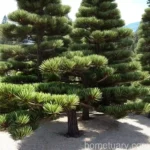
Pinus rigida belongs to the genus Pinus and the family Pinaceae. It is characterized by its distinct needles, cones, and bark. The needle-like leaves are arranged in bundles of three and persist for 2-3 years before shedding. The cones are ovoid to cylindrical, typically 2-3 inches long, and bear sharp, inwardly-pointing prickles. The bark of mature trees is thick, deeply furrowed, and often has a reddish-brown hue.
Habitat and Distribution
Pitch Pine is well-adapted to a variety of habitats, including dry, acidic, sandy soils. It is commonly found in open woodlands, along rocky slopes, and in coastal areas. Its distribution ranges from central Maine to Georgia and as far west as Kentucky, with isolated populations occurring in southern Quebec and Ontario.
Growth Rate and Adaptations
Pinus rigida exhibits moderate to slow growth, especially in its early years. This is an adaptation to harsh environmental conditions, such as poor soil quality and frequent wildfires. The tree demonstrates remarkable resilience to disturbances, including fire, thanks to its thick bark and the ability to resprout from the base.
Wood Properties and Uses
The wood of Pinus rigida is highly valued for its strength, durability, and high resin content. It is commonly used in construction, shipbuilding, and as fuelwood. The resin has historical and contemporary applications in the production of varnishes, adhesives, and medicinal products.
Cultivation of Pinus rigida
Cultivating Pinus rigida, whether for landscaping or conservation purposes, requires a comprehensive understanding of its cultural requirements and propagation techniques. Let’s explore the key factors involved in successfully growing Pitch Pine.
Water
Pinus rigida displays a moderate tolerance to drought once established. However, during the initial establishment phase, young trees should be watered regularly to ensure healthy root development. It is crucial to strike a balance, as excessive watering can lead to root rot.
Sunlight
Pitch Pine thrives in full sunlight and is well-suited to open, sunny environments. When selecting a planting site, ensure that it receives ample sunlight throughout the day to promote healthy growth and coniferous vigor.
Soil
Pinus rigida has a preference for acidic, well-drained soils. Sandy or gravelly soils are suitable, as the species is well-adapted to poor soil conditions. Soil that retains water should be avoided to prevent waterlogging, which can be detrimental to the tree’s health.
Fertilizer
When it comes to fertilization, Pitch Pine generally does not require regular feeding if planted in its preferred habitat. However, in urban landscapes or other sites with nutrient-poor soils, a slow-release, acidic fertilizer can be applied in the early spring to support healthy growth.
Pruning
Pruning is generally unnecessary for mature Pitch Pine trees. However, to shape young trees or remove dead or diseased branches, pruning may be performed in late winter or early spring. It is important to use sterile and sharp pruning tools to prevent the spread of diseases.
Propagation
Pinus rigida can be propagated from seeds, which are contained within the cones. To ensure successful germination, the seeds should be stratified for 30-60 days and sown in well-drained, acidic soil. Alternatively, propagation can be achieved through softwood cuttings in early summer.
Container Cultivation
Cultivating Pinus rigida in containers can be a rewarding practice for urban gardens, patios, and other confined spaces. Select a large container with adequate drainage, and use a well-draining, acidic potting mix. Regular watering and occasional fertilization are essential for container-grown Pitch Pine.
Popularity in Cultivation
Due to its adaptability and unique aesthetic, Pinus rigida is a popular choice for landscaping in regions where it is native. Its rugged appearance, tall stature, and unusual cones make it an attractive addition to gardens, parks, and naturalistic landscapes.
Uses of Pinus rigida
Aside from its ornamental value in landscaping, Pinus rigida holds significance for various practical and ecological purposes. Let’s explore some of its diverse uses and ecological contributions.
Landscape and Ecosystem Uses
Pinus rigida is valued for its ornamental features in landscaping, particularly in areas with acidic, infertile soils where few other trees thrive. It provides habitat and food for various wildlife, including birds and small mammals. Additionally, the species plays a vital role in stabilizing soils and preventing erosion.
Medicinal Uses
Historically, various parts of the Pitch Pine tree have been used for medicinal purposes. The resin has been utilized for its antiseptic properties, and the inner bark was employed in traditional medicine to treat respiratory ailments. While modern medicine has evolved, the historical uses of Pitch Pine highlight its cultural and medicinal significance.
Ecological Significance
Pinus rigida contributes to ecosystem resilience, particularly in fire-prone areas. The tree’s adaptation to fire, high resin content, and ability to resprout after wildfires are integral to maintaining the ecological balance in fire-adapted ecosystems.
Common Diseases and Pests
Though Pinus rigida is a resilient species, it is not immune to diseases and pests. Understanding and identifying common ailments is crucial for effective management and maintenance.
Disease Diagnosis
Pitch Pine is susceptible to various diseases, including needle blight, root rot, and pine wilt disease. Symptoms such as browning or yellowing of needles, dieback of branches, and resin exudation may indicate a disease. Proper diagnosis by a plant pathologist is essential for accurate management.
Common Pests
Several insect pests, such as pine sawflies, bark beetles, and caterpillars, can infest Pinus rigida. Regular monitoring for signs of infestation, such as chewed foliage, resinous pitch tubes, or browning needles, can aid in early detection and intervention.
Botanist’s Tips for Growing Pinus rigida
To ensure the successful cultivation and long-term health of Pinus rigida, it is valuable to heed the advice of experienced botanists and arborists. Here are some expert tips for nurturing Pitch Pine:
- Selecting the Right Site: Choose a planting location with well-drained, acidic soil and ample sunlight.
- Avoiding Overwatering: Once established, Pitch Pine is relatively drought-tolerant, and overwatering can lead to root problems.
- Monitoring for Pests and Diseases: Regular inspections can help identify and address issues before they escalate.
- Respecting Fire Ecology: Recognize the tree’s adaptation to fire and its ecological role in fire-adapted ecosystems.
Fun Facts about Pinus rigida
To wrap up our exploration of Pinus rigida, let’s delve into some intriguing and little-known facts about this remarkable species:
- The resin of Pitch Pine was historically used to waterproof the hulls of ships, contributing to its significant role in maritime history.
- Pinus rigida forests play an essential role in supporting biodiversity and providing critical habitat for various species.
- The extreme resinous nature of Pitch Pine contributes to its distinctive aroma, which is often associated with the great outdoors.
Links to External Resources
To further enrich your understanding and appreciation of Pinus rigida, consider exploring the following resources:
In conclusion, Pinus rigida, or Pitch Pine, embodies resilience, ecological significance, and practical utility. By understanding its characteristics, cultivation methods, and ecological role, we can cultivate a deeper appreciation for this iconic species and its contributions to the natural world. Whether as a striking addition to the landscape or a symbol of ecological resilience, Pinus rigida continues to captivate and inspire admirers of nature worldwide.
Note: This blog post was written with a focus on the natural, ecological, and horticultural aspects of Pinus rigida (Pitch Pine). The information provided is meant for educational and informational purposes and should not be considered as professional cultivation or medical advice. For specific cultivation guidance and potential medicinal uses, it is recommended to consult with knowledgeable horticulturists and medical professionals.