Paeonia lactiflora ‘Laura Dessert’ (Peony) – The Queen of the Garden
Peonies, known for their exquisite beauty and captivating fragrance, are beloved by gardeners and horticulturists worldwide. Among the diverse array of peony varieties, one stands out for its exceptional charm and allure – Paeonia lactiflora ‘Laura Dessert’. In this detailed guide, we will delve into the captivating world of ‘Laura Dessert’ Peony, exploring its characteristics, care tips, cultivation, landscape uses, and much more.

What is Plant: Paeonia lactiflora ‘Laura Dessert’ (Peony)?
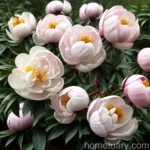
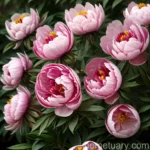
Paeonia lactiflora ‘Laura Dessert’, commonly known as ‘Laura Dessert’ Peony, is a stunning herbaceous perennial that belongs to the family Paeoniaceae. This beautiful cultivar is renowned for its large, fragrant, and double blooms, making it a highly sought-after addition to gardens, landscapes, and floral arrangements.
Key Takeaways – Paeonia lactiflora ‘Laura Dessert’
Before we delve deeper into the world of ‘Laura Dessert’ Peony, let’s take a look at some key takeaways, highlighting the main areas of focus in this comprehensive guide.
- Botanical Name: Paeonia lactiflora ‘Laura Dessert’
- Common Name: ‘Laura Dessert’ Peony
- Family: Paeoniaceae
- Type: Herbaceous Perennial
- Characteristics: Large, Double, Fragrant Blooms
- Growth Habit: Upright, Clump-forming
- Hardiness Zones: 3-8
- Sunlight: Full Sun to Partial Shade
- Soil: Well-draining, Fertile
- Watering: Moderate
- Uses: Garden Beds, Borders, Cut Flowers
- Pests: Susceptible to Aphids, Botrytis Blight
- Diseases: Vulnerable to Powdery Mildew
- Pruning: Cut back foliage in fall
- Propagation: Division, Seeds
- Container Gardening: Suitable for large containers
- Popularity: Highly popular in gardens and floral industry
Now that we have gained an overview of the ‘Laura Dessert’ Peony, let’s explore its cultural requirements, uses, and the art of nurturing this enchanting plant to its fullest potential.
Culture
Cultivating a thriving ‘Laura Dessert’ Peony entails understanding and fulfilling its specific cultural requirements. By providing the right conditions and care, you can enjoy bountiful blooms and ensure the plant’s overall health and vigor.
Uses
The ‘Laura Dessert’ Peony is prized for its multifaceted uses, making it a versatile and valuable addition to any garden or landscape setting. Some of its primary uses include:
- Garden Beds: Enhances the aesthetic appeal of garden beds with its captivating blooms and lush foliage.
- Borders: Adds elegance and charm to borders and edgings, creating a captivating focal point.
- Cut Flowers: Serves as an exquisite cut flower, perfect for creating stunning floral arrangements and bouquets.
Water
Proper watering is essential for nurturing healthy and vibrant ‘Laura Dessert’ Peonies. While these plants are relatively drought-tolerant once established, they benefit from regular moisture, especially during the growing season and blooming period.
- Watering Frequency: Provide regular, moderate watering, ensuring that the soil remains consistently moist but not waterlogged.
- Deep Watering: Water deeply, allowing the soil to absorb the moisture and promoting robust root development.
- Mulching: Apply a layer of organic mulch around the base of the plant to conserve moisture and maintain an even soil temperature.
Sunlight
Adequate sunlight is crucial for the growth and blooming of ‘Laura Dessert’ Peonies. Understanding the plant’s sunlight requirements is essential for selecting the ideal planting location and ensuring optimal performance.
- Sun Exposure: Plant ‘Laura Dessert’ Peonies in locations with full sun to partial shade, typically receiving at least 6 hours of sunlight daily.
- Morning Sun: Morning sun exposure is particularly beneficial, as it aids in drying the foliage and minimizing the risk of diseases.
Fertilizer
Fertilization plays a pivotal role in promoting vigorous growth, abundant blooms, and overall plant health. By providing the appropriate nutrients, you can support the ‘Laura Dessert’ Peony’s growth and blooming potential.
- Fertilizer Type: Apply a balanced, slow-release fertilizer for perennial flowering plants in early spring or late fall.
- Application Method: Sprinkle the fertilizer evenly around the base of the plant, ensuring that it does not come into direct contact with the foliage.
- Avoid Excess Nitrogen: Refrain from excessive nitrogen fertilization, as it can promote lush foliage at the expense of blooms.
Soil
The soil composition and quality significantly impact the performance and health of ‘Laura Dessert’ Peonies. Understanding the ideal soil requirements is crucial for establishing an optimal growing environment for this captivating perennial.
- Well-Draining Soil: Plant ‘Laura Dessert’ Peonies in well-draining, fertile soil to prevent waterlogging and root rot.
- pH Level: The ideal soil pH for Peonies ranges from slightly acidic to neutral, typically between 6.0 to 7.0.
- Soil Amendments: Incorporate organic matter such as compost or well-rotted manure to enhance soil fertility and structure.
Pruning
Pruning is an essential aspect of ‘Laura Dessert’ Peony care, contributing to the plant’s overall health, aesthetics, and blooming performance. By implementing the correct pruning techniques, you can maintain a tidy appearance and encourage prolific blooms.
- Fall Pruning: Cut back the foliage to ground level in the fall after the first frost, removing any remaining foliage and debris to prevent disease and pest issues.
- Non-Blooming Stems: Remove non-blooming stems at ground level to redirect the plant’s energy towards developing robust blooms.
Propagation
Propagation allows you to expand your collection of ‘Laura Dessert’ Peonies and share the beauty of this exceptional cultivar with fellow gardening enthusiasts. Understanding the propagation techniques is essential for successfully propagating new plants.
- Division: Divide mature clumps in early fall, ensuring that each division retains healthy roots and multiple growing points.
- Seeds: Collect and sow ripe Peony seeds in a well-prepared seedbed, providing the right conditions for germination and early growth.
Container Popularity
The allure of ‘Laura Dessert’ Peony extends to container gardening, offering an enchanting and portable way to showcase its beauty. When growing ‘Laura Dessert’ Peonies in containers, there are specific considerations to keep in mind to ensure their successful growth and performance.
- Container Size: Select a large, sturdy container with adequate drainage holes, allowing ample space for the plant’s roots to spread and develop.
- Well-Draining Media: Use a well-draining potting mix with added organic matter to promote healthy root growth and moisture retention.
- Sun Exposure: Position the containers in locations with full sun to partial shade, providing the required sunlight for blooming.
Common Diseases and Disease Diagnosis
Despite their resilience, ‘Laura Dessert’ Peonies are susceptible to certain diseases that can impact their health and appearance. Being vigilant about disease symptoms and implementing appropriate measures is essential for protecting the plants from potential threats.
Common Diseases
- Powdery Mildew: Characterized by a powdery white coating on the foliage, powdery mildew can weaken the plant and affect its overall vigor.
- Botrytis Blight: This fungal disease causes gray mold to develop on the buds, flowers, and foliage, posing a threat to the plant’s health and blooming potential.
Disease Diagnosis
- Visual Symptoms: Regularly inspect the foliage, stems, and blooms for any signs of discoloration, spots, or abnormal growth.
- Consulting Experts: If you notice any concerning symptoms, seek advice from local horticulturists, extension services, or plant clinics for accurate diagnosis and treatment recommendations.
Common Pests
While ‘Laura Dessert’ Peonies are relatively resistant to pests, certain insects can pose a threat to their health and blooming performance. Being aware of common pests and implementing preventative measures can help safeguard the plants from potential infestations.
- Aphids: These small, sap-sucking insects can gather on the underside of leaves, causing distortion and discoloration of the foliage.
- Spider Mites: In hot, dry conditions, spider mites can infest Peonies, leading to stippled and discolored leaves.
Botanist’s Tips
As a plant scientist, I highly recommend the following tips to ensure the successful cultivation and care of ‘Laura Dessert’ Peonies, harnessing their full potential and beauty.
- Mulching: Apply a layer of organic mulch around the base of the plant to conserve moisture, suppress weeds, and insulate the soil.
- Staking: Provide support for tall, blooming stems using discreet stakes or peony rings, preventing them from bending or breaking under the weight of the flowers.
- Grooming: Remove spent blooms and faded foliage promptly to maintain a tidy appearance and redirect the plant’s energy towards new growth.
Fun Facts
Unveiling intriguing and lesser-known facts about ‘Laura Dessert’ Peonies adds a delightful layer to the allure and appreciation of these captivating plants.
- Symbolism: Peonies are often associated with prosperity, good fortune, and compassion, symbolizing wealth, honor, and happiness.
- Longevity: Established Peony plants can thrive for decades, with some specimens enduring for over a century, becoming cherished heirlooms in gardens.
Links to External Resources
For comprehensive information and valuable insights on ‘Laura Dessert’ Peonies, I recommend exploring the following external resources:
- American Peony Society
- The Royal Horticultural Society – Growing Peonies
- University of Minnesota Extension – Peonies for Minnesota Gardens
- The Spruce – Growing Peonies in Containers
With its exquisite beauty, captivating fragrance, and timeless allure, ‘Laura Dessert’ Peony stands as a true queen of the garden, captivating hearts and minds with its grace and charm. By understanding its cultural requirements, care tips, and inherent charm, you can cultivate a flourishing garden adorned with the enchanting splendor of ‘Laura Dessert’ Peonies.
Conclusion
In this comprehensive guide, we have embarked on a captivating journey into the enchanting world of ‘Laura Dessert’ Peony, celebrating its distinctive beauty, cultural requirements, and multifaceted uses. By embracing the art of cultivating and nurturing this exceptional plant, we can cherish its unparalleled blooms and timeless allure, creating captivating landscapes and enriching our gardening experiences. As we continue to explore the diverse realm of plants and their profound impact on our lives, ‘Laura Dessert’ Peony shines as a beacon of natural beauty and enduring elegance, inspiring gardeners and plant enthusiasts with its timeless grace and charm.