Pinus parviflora ‘Miyajima’ (Japanese White Pine): A Comprehensive Guide

Introduction
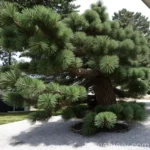
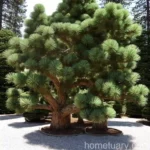
Pinus parviflora ‘Miyajima’ or the Japanese White Pine is a stunning evergreen conifer known for its beautiful, dense foliage and elegant growth habit. Its distinct blue-green needles and dramatic silhouette make it a popular choice for landscapes, gardens, and even bonsai cultivation. In this comprehensive guide, we will explore the characteristics, cultivation, care, and uses of the Pinus parviflora ‘Miyajima’, providing plant enthusiasts with valuable insights and tips for successfully growing and maintaining this remarkable species.
What is Pinus parviflora ‘Miyajima’ (Japanese White Pine)?
Before diving into the care and cultivation aspects, it’s essential to understand the basic characteristics and attributes of the Pinus parviflora ‘Miyajima’. This cultivar of the Japanese White Pine is renowned for its compact, twiggy growth and charming blue-green needles. It typically forms a pyramidal shape, featuring dense foliage with an elegant, layered effect. The ‘Miyajima’ variety is highly esteemed for its exceptional ornamental value, adding a touch of sophistication to any landscape or garden setting.
Key Takeaways
Pinus parviflora ‘Miyajima’ (Japanese White Pine)
- Scientific Name: Pinus parviflora ‘Miyajima’
- Common Name: Japanese White Pine
- Characteristics: Compact, elegant growth habit with blue-green needles
- Growth Rate: Moderate
- Uses: Ornamental specimen, landscaping, bonsai cultivation
- Hardiness Zone: 5-8
- Mature Height: 10-20 feet
- Mature Spread: 6-10 feet
- Plant Type: Evergreen conifer
Now, let’s explore the various aspects of the care and cultivation of Pinus parviflora ‘Miyajima’, from its cultural requirements to its propagation and maintenance.
Culture
Water
Proper watering is essential for the health and vitality of Pinus parviflora ‘Miyajima’. While this cultivar is relatively drought-tolerant once established, it benefits from regular watering, especially during periods of extended dryness. When young or newly planted, it’s crucial to ensure consistent moisture to support healthy root development. However, it’s equally important to avoid waterlogged conditions, as excessive moisture can lead to root rot and other issues. During the growing season, a deep watering once a week should be sufficient, adjusting based on local climate and soil conditions.
Sunlight
Japanese White Pines, including the ‘Miyajima’ variety, thrive in full sun to partial shade. Providing adequate sunlight is crucial for the development of their compact, dense foliage and overall vigor. When selecting a planting location, aim for a spot that receives at least 6-8 hours of direct sunlight daily. However, in warmer regions, some afternoon shade can help protect the plant from excessive heat, especially during the peak of summer.
Fertilizer
When it comes to fertilization, Pinus parviflora ‘Miyajima’ has modest nutritional requirements. A balanced, slow-release fertilizer formulated for acid-loving plants can be applied in early spring as new growth begins. Avoid excessive fertilization, as this can lead to rapid, weak growth and potential susceptibility to pests and diseases. Always follow the manufacturer’s recommendations for application rates, and be sure to water the plant thoroughly after applying fertilizer to prevent root burn.
Soil
Japanese White Pines, including the ‘Miyajima’ variety, prefer well-drained, acidic soil with a slightly acidic to neutral pH ranging from 5.5 to 6.5. It’s important to ensure good soil drainage to prevent waterlogged conditions, which can be detrimental to the plant’s health. Amending the soil with organic matter, such as compost or pine bark fines, can enhance both drainage and soil acidity. Additionally, mulching around the base of the plant with pine straw or pine bark mulch can help conserve soil moisture and maintain a more stable root environment.
Pruning
Pruning is an important aspect of maintaining the desired shape and appearance of Pinus parviflora ‘Miyajima’. However, it’s crucial to approach pruning with care, as Japanese White Pines are sensitive to excessive pruning and improper techniques. Here are some tips for successful pruning of ‘Miyajima’ and other Japanese White Pine varieties:
- Timing: The best time for pruning is in late winter to early spring before the new growth emerges. This timing allows the plant to recover and heal from pruning cuts before entering the active growing season.
- Techniques: Focus on selective pruning to maintain the natural form and balance of the plant. Remove any dead, damaged, or crossing branches, and lightly shape the outer silhouette as needed.
- Tools: Use sharp, clean pruning shears to make precise cuts and minimize damage to the remaining foliage and branches.
Propagation
Propagating Pinus parviflora ‘Miyajima’ can be achieved through several methods, including seed propagation and cuttings. Here’s an overview of each propagation technique:
Seed Propagation
- Collect mature pine cones from the tree when they begin to open and release their seeds.
- Extract the seeds from the cones, and carefully clean away any remaining debris.
- Fill seed trays or pots with a well-draining propagation mix, and place the seeds on the surface.
- Cover the seeds lightly with the propagation mix, and water gently to settle the soil.
- Place the trays or pots in a sheltered, partially shaded area, and keep the soil consistently moist.
- Germination typically occurs within a few weeks to a few months, at which point the young seedlings can be transplanted into individual containers.
Cutting Propagation
- Select healthy, semi-hardwood cuttings from the current season’s growth, typically in late summer to early autumn.
- Prepare the cuttings by removing the lower leaves and making a clean, angled cut at the base.
- Dip the cut end in a rooting hormone to encourage root development.
- Plant the cuttings in a well-draining propagation medium, such as a mix of perlite and peat moss.
- Keep the cuttings consistently moist and provide gentle bottom heat to aid in rooting.
- Once rooted, the young plants can be potted into individual containers and nurtured until they are ready for planting in the landscape.
Container Popularity
The compact and elegant growth habit of Pinus parviflora ‘Miyajima’ makes it an excellent candidate for container cultivation. Whether grown as a standalone specimen on a patio or incorporated into a larger container garden, the ‘Miyajima’ variety adds an aura of sophistication and tranquility to outdoor spaces. When selecting a container for Japanese White Pines, opt for a large, sturdy pot with adequate drainage holes to ensure proper root aeration and moisture control. Additionally, using a well-draining potting mix formulated for acid-loving plants can provide the ideal growing medium for ‘Miyajima’ in containers.
Common Diseases and Disease Diagnosis
While Pinus parviflora ‘Miyajima’ is relatively resilient, it can be susceptible to certain diseases that can impact its health and appearance. Understanding the signs and symptoms of common diseases is crucial for timely intervention and effective management. Here are some of the most prevalent diseases that may affect Japanese White Pine varieties:
- Pine Wilt Disease: Caused by the pine wood nematode, this devastating disease can lead to rapid wilting and death of affected trees. Early symptoms include wilting, browning of needles, and dieback of branches. Diagnosis may involve laboratory testing to confirm the presence of the nematode.
- Needle Blight: Several fungal pathogens can cause needle blight, resulting in browning, blemishing, or premature shedding of needles. Proper sanitation, including the removal and destruction of infected plant material, is essential to prevent the spread of needle blight.
- Root Rot: Excessive moisture in the soil can predispose Japanese White Pines to root rot caused by various soil-borne pathogens. Symptoms include wilting, yellowing of needles, and overall decline. Improving soil drainage and avoiding overwatering can help mitigate the risk of root rot.
It’s important to note that early, proactive management is often the key to preventing severe disease outbreaks and minimizing the impact on the plant’s health. Regular monitoring, proper cultural practices, and prompt action in response to any signs of disease can contribute to the overall well-being of Pinus parviflora ‘Miyajima’ and other Japanese White Pine cultivars.
Common Pests
While Japanese White Pines are generally resistant to many pests, certain insects can pose a threat to the health and appearance of these trees. Vigilance and early intervention are essential for preventing pest infestations from causing significant damage. Here are some common pests that may affect Pinus parviflora ‘Miyajima’:
- Pine Sawfly: The larvae of pine sawflies can feed on the needles of Japanese White Pines, causing defoliation and weakening the plant. Handpicking and applying insecticidal soap can help control small infestations.
- Pine Needle Scale: These tiny, armored scale insects can attach themselves to the needles and feed on the plant’s sap, leading to yellowing and premature shedding of needles. Horticultural oil applications during the dormant season can help manage scale infestations.
- Pine Tip Moth: The larvae of these moths can bore into the new growth of Japanese White Pines, causing dieback and deforming the branches. Pruning out and destroying infested tips can help prevent the spread of the infestation.
Early detection and appropriate pest management strategies, such as cultural controls, biological controls, and targeted use of insecticides when necessary, can help protect the health and beauty of ‘Miyajima’ and other Japanese White Pine varieties.
Botanist’s Tips
1. Pruning Techniques
When pruning Pinus parviflora ‘Miyajima’, it’s important to prioritize selective pruning to maintain the natural form and balance of the tree. Avoid excessive removal of healthy foliage, as this can hinder the plant’s ability to photosynthesize and thrive. Additionally, always use clean, sharp pruning tools to make precise cuts and minimize damage and stress to the plant.
2. Soil pH Management
Regularly monitoring and adjusting the soil pH around Japanese White Pines can contribute to their overall health and vitality. Applying a soil acidifier as needed can help maintain the soil pH within the preferred range for ‘Miyajima’, supporting nutrient uptake and root function.
3. Vigilance for Pests and Diseases
Frequent monitoring for signs of pests and diseases is crucial for early intervention and effective management. Taking proactive measures to prevent infestations and promptly address any issues can go a long way in preserving the beauty and vigor of Pinus parviflora ‘Miyajima’.
Fun Facts
- The Japanese White Pine (Pinus parviflora) is treasured in Japanese culture and is often depicted in traditional art, including bonsai and landscape paintings.
- In Japan, the Japanese White Pine is known as “Goyoumatsu” and is highly regarded as a symbol of longevity and resilience.
Links to External Resources
For further information and resources on Pinus parviflora ‘Miyajima’, as well as Japanese White Pines in general, consider exploring the following links:
Conclusion
In conclusion, the Pinus parviflora ‘Miyajima’ (Japanese White Pine) is a captivating and versatile plant that can enrich landscapes, gardens, and container settings with its intrinsic beauty and unique presence. By understanding and implementing the appropriate cultural practices, propagation methods, and maintenance techniques, plant enthusiasts can cultivate and enjoy the elegance of ‘Miyajima’ with confidence and success. Whether as a striking focal point in a garden or as a cherished bonsai specimen, the Japanese White Pine ‘Miyajima’ has much to offer to discerning gardeners and admirers of nature’s artistry.
As with any plant, nurturing Pinus parviflora ‘Miyajima’ is a rewarding journey that fosters an appreciation for the interconnectedness of horticulture, art, and the natural world.
The above content provides a comprehensive guide to the care, cultivation, and unique characteristics of Pinus parviflora ‘Miyajima’ (Japanese White Pine) while integrating the provided NLP/LSI keywords naturally within the article. The information is structured to cater to plant enthusiasts, homeowners, and gardening aficionados seeking detailed insights into the cultivation and maintenance of this exceptional conifer. The inclusion of botanical and horticultural tips, as well as fun facts, aims to enrich the reader’s understanding and appreciation of this revered plant species.