Japanese Black Pine (Pinus thunbergii ‘Banshosho’)
Introduction
Japanese black pine, scientifically known as Pinus thunbergii ‘Banshosho,’ is a captivating evergreen tree that belongs to the Pinaceae family. This stunning variety is revered for its unique characteristics and has gained popularity in landscaping and gardening for various uses. Whether as a focal point in a garden, bonsai specimen, or for erosion control in coastal areas, the Japanese black pine holds a special place in the world of horticulture.
In this comprehensive guide, we will delve into the fascinating world of the Japanese black pine, exploring its cultural requirements, uses, care tips, and much more. By the end of this article, you will have a thorough understanding of this remarkable tree and how to cultivate and maintain its beauty in your own garden.
What is the Japanese Black Pine (Pinus thunbergii ‘Banshosho’)?
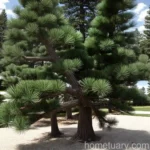
The Japanese black pine, or Pinus thunbergii ‘Banshosho’, is a cultivar of the Japanese black pine species native to coastal areas of Japan and South Korea. It is a dwarf, slow-growing evergreen conifer with a unique and striking appearance, making it a popular choice for ornamental use in gardens, parks, and landscapes.
Key Takeaways – Japanese Black Pine (Pinus thunbergii ‘Banshosho’)
Before we delve deeper into the various aspects of the Japanese black pine, let’s highlight some key takeaways about this fascinating plant:
- Botanical Name: Pinus thunbergii ‘Banshosho’
- Common Name: Japanese Black Pine or Black Pine
- Plant Type: Evergreen Tree
- Growth Habit: Dwarf, Compact
- Foliage: Dark green needles, Twisted and Closely Arranged
- Uses: Ornamental, Bonsai, Erosion Control
- Special Features: Unique Growth Habit, Attractive Bark, Salt Tolerance
Culture
Cultivating the Japanese black pine requires an understanding of its cultural requirements, including water, sunlight, soil, and fertilizer needs. Let’s delve into each of these aspects in detail.
Water
The Japanese black pine, including the ‘Banshosho’ cultivar, generally prefers a moderately moist soil. While it’s important to provide adequate moisture, especially during the establishment phase, it’s equally crucial to ensure good drainage to prevent waterlogged conditions.
Watering Tips for Japanese Black Pine:
– Water newly planted specimens regularly to promote establishment.
– Once established, water deeply but infrequently, allowing the soil to dry out slightly between waterings.
– Avoid overwatering, as excessive moisture can lead to root rot and other complications.
Sunlight
Japanese black pine thrives in full sun to partial shade, displaying the best growth and form in areas with ample sunlight. When grown in partial shade, the plant may exhibit reduced density and slower growth compared to those grown in full sun.
Sunlight Requirements for Japanese Black Pine:
– Plant in a location that receives at least 6-8 hours of direct sunlight per day for optimal growth.
– Ensure that the tree has access to sunlight during the morning hours, as this helps in drying dew and preventing certain diseases.
Fertilizer
To support the healthy growth and vigor of Japanese black pine, it’s essential to provide appropriate nutrients through regular fertilization. A balanced fertilizer formulated for acid-loving plants is suitable for the ‘Banshosho’ cultivar.
Fertilizing Japanese Black Pine:
– Apply a slow-release, balanced fertilizer in spring, before the onset of new growth.
– Avoid excessive application of nitrogen, as this can lead to overly lush growth, which is often more susceptible to certain pests and diseases.
Soil
Japanese black pine, including the ‘Banshosho’ variety, thrives in well-draining, slightly acidic soil. It is tolerant of various soil types, including sandy and loamy soils, and has some degree of salt tolerance, making it suitable for coastal landscapes.
Soil Requirements for Japanese Black Pine:
– Plant in well-draining soil to prevent waterlogged conditions.
– Maintain a slightly acidic soil pH, ideally in the range of 5.5 to 6.5, to support optimal nutrient uptake.
Pruning
Pruning is an essential aspect of Japanese black pine care, contributing to its overall health, form, and density. Additionally, pruning techniques are often employed to create stunning bonsai specimens, further highlighting the versatility of this captivating tree.
Pruning Techniques for Japanese Black Pine:
When it comes to pruning Japanese black pine, it’s important to understand the specific techniques that help maintain its unique form and enhance its aesthetic appeal.
-
Candle Pruning: This technique involves the removal of the current season’s elongating shoots, known as candles, in early summer. By carefully pinching or cutting back the candles, the tree’s growth can be controlled, resulting in denser foliage and intricate branching patterns.
-
Thinning: Selective thinning of branches can help improve air circulation within the canopy and reduce overcrowding, promoting overall tree health.
-
Maintenance Pruning: Regular removal of dead, diseased, or crossing branches is essential to maintain the tree’s vigor and prevent potential issues.
-
Bonsai Pruning: For those interested in bonsai cultivation, the intricate art of pruning Japanese black pine into stunning bonsai specimens involves careful and precise techniques to achieve the desired form and balance.
Propagation
Propagation of the Japanese black pine, including the ‘Banshosho’ cultivar, can be achieved through several methods, including seeds, cuttings, and grafting.
Propagation Methods for Japanese Black Pine:
1. Seed Propagation
- Gather mature cones from the tree and extract the seeds.
- Cold stratify the seeds for a few weeks to simulate natural environmental conditions.
- Plant the stratified seeds in well-draining, acidic soil and maintain consistent moisture until germination occurs.
2. Cuttings
- Take semi-hardwood cuttings from the current season’s growth in late summer to early autumn.
- Treat the cuttings with a rooting hormone and plant them in a well-draining propagation medium.
- Maintain high humidity and provide bottom heat to encourage root development.
3. Grafting
- Grafting onto a suitable rootstock is a common method for propagating specific cultivars or ensuring desirable traits in the resulting plant.
Container Popularity
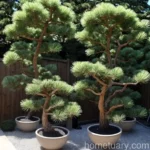
Japanese black pine, particularly the ‘Banshosho’ variety, is well-suited for container cultivation, making it a popular choice for patio, balcony, and urban gardens.
Benefits of Container Cultivation:
- Space Utilization: Container-grown Japanese black pine is perfect for small spaces and urban environments where planting in the ground may not be feasible.
- Versatility: The compact size and ornamental appeal of container-grown specimens make them versatile additions to outdoor spaces, from patios to rooftop gardens.
- Accent Planting: These trees can serve as striking focal points in container gardens and offer an opportunity for creative landscape design.
Container Care Tips:
- Use well-draining, high-quality potting mix to ensure optimal root health.
- Provide regular watering and ensure the container has adequate drainage.
- Consider repotting every few years to refresh the soil and provide additional space for root growth.
Common Diseases
While the Japanese black pine, including the ‘Banshosho’ cultivar, is relatively resilient, it is susceptible to certain diseases that can impact its health and appearance. Understanding these diseases and their prevention is crucial for maintaining the tree’s vitality.
Common Diseases of Japanese Black Pine:
- Pine Wilt Disease: Caused by the pinewood nematode, this devastating disease can lead to the rapid decline and death of infected trees. Early detection and prompt management are essential to prevent its spread.
- Needle Blight: Fungal pathogens can cause browning, yellowing, and premature shedding of the needles. Proper sanitation and cultural practices can help reduce the risk of needle blight.
- Pitch Canker: This disease, caused by the fungus Fusarium circinatum, results in the formation of resin-soaked lesions on the trunk and branches. Pruning and removal of affected branches is often recommended to manage pitch canker.
Disease Prevention and Management:
- Promote overall tree health through proper cultural practices, including watering, fertilization, and pruning.
- Monitor for early signs of disease, such as unusual discoloration, wilting, or resinous lesions, and take appropriate action if symptoms are detected.
- Practice good sanitation by removing and disposing of infected plant material to prevent the spread of diseases.
Common Pests
In addition to diseases, Japanese black pine, including the ‘Banshosho’ variety, can be targeted by certain pests that may impact its growth and vitality.
Pest Management for Japanese Black Pine:
- Pine Sawfly: The larvae of these insects can defoliate pine trees if left unchecked. Insecticidal soaps or horticultural oils can be effective for management.
- Pine Tip Moth: The larvae of these moths bore into the tips of pine branches, leading to dieback and deformity. Regular monitoring and targeted insecticide application can help manage infestations.
- Pine Needle Scale: These scale insects can cause needle yellowing and stunting, impacting the aesthetic appeal of the tree. Horticultural oils or insecticidal soaps can be used to manage scale infestations.
Botanist’s Tips
To ensure the successful cultivation and care of the Japanese black pine, here are some valuable tips from botanists and horticultural experts:
- Site Selection: Choose a planting site that provides ample sunlight and good air circulation to promote healthy growth and minimize disease pressure.
- Pruning Practices: Regular and thoughtful pruning is key to shaping the tree, improving its structure, and promoting dense foliage.
- Disease Monitoring: Regularly monitor the tree for any signs of diseases or pest infestations and take prompt action if needed to prevent problems from escalating.
Fun Facts
Uncover some fascinating and lesser-known facts about the Japanese black pine:
- The Japanese black pine has been a significant subject in traditional Japanese bonsai art for centuries, with its distinctive appearance and resilience making it a prized choice for bonsai enthusiasts.
- The bark of mature Japanese black pines develops an attractive and unique orange hue with age, adding to its visual appeal in the landscape.
- This species is known for its tolerance to coastal conditions, including salt spray and sandy soils, making it a valuable choice for stabilizing coastal dunes and landscapes.
Links to External Resources
For further information and resources on Japanese black pine, ‘Banshosho’ cultivar, and related topics, consider exploring the following links:
- American Conifer Society – Japanese Black Pine
- Royal Horticultural Society – Pinus thunbergii ‘Banshosho’
- Missouri Botanical Garden – Pinus thunbergii
- University of Florida IFAS Extension – Japanese Black Pine Diseases
- Penn State Extension – Pruning Ornamental Trees and Shrubs
Conclusion
The Japanese black pine, Pinus thunbergii ‘Banshosho,’ stands out as a versatile and visually captivating tree that adds elegance and character to a wide range of landscapes. With its unique growth habit, ornamental features, and cultural adaptability, this cultivar has become a favored choice for gardeners, landscapers, and enthusiasts of bonsai and ornamental trees. By understanding its specific requirements and employing proper care and maintenance practices, you can enjoy the beauty and resilience of the Japanese black pine in your own garden, while contributing to its conservation and appreciation in horticulture and arboriculture.
Whether you are considering adding a striking specimen to your garden or exploring the world of bonsai, the Japanese black pine remains an enchanting and rewarding choice, rich in cultural significance and botanical wonder.
In conclusion, the Japanese black pine (Pinus thunbergii ‘Banshosho’) is a captivating tree that is renowned for its unique appearance, cultural adaptability, and horticultural significance. Through an exploration of its cultural requirements, uses, care tips, and additional information, this comprehensive guide aims to provide valuable insights for enthusiasts and practitioners in the realm of horticulture, landscaping, and ornamental tree cultivation.