What is Pinus nigra ‘Komet’ (Austrian Pine)?
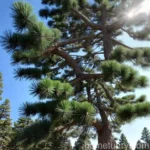
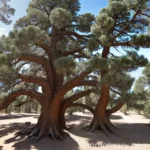
Pinus nigra ‘Komet,’ commonly known as Austrian Pine, is a cultivar of the Pinus nigra species, which belongs to the Pinaceae family. This evergreen tree is characterized by its dark green needles, rugged bark, and conical form, making it a popular choice for landscaping and forestry purposes. The ‘Komet’ variety is particularly valued for its ornamental and functional qualities, thriving in various environmental conditions and providing numerous benefits to its surroundings.
Key Takeaways – Pinus nigra ‘Komet’ (Austrian Pine)
Characteristics
- Dark green needles
- Conical form
- Rugged bark
Benefits
- Ornamental value
- Adaptability to various environmental conditions
- Provides habitat and food for wildlife
Uses
- Landscaping
- Windbreaks
- Privacy screens
- Erosion control
- Forestry
Culture
Plant Name: Pinus nigra ‘Komet’ (Austrian Pine)
Water
- Moderately drought-tolerant once established
- Requires regular watering, particularly during the establishment period
- Ensure well-drained soil to prevent waterlogging
Sunlight
- Thrives in full sun to partial shade
- Prefers at least 6-8 hours of direct sunlight per day for optimal growth
Fertilizer
- Fertilize in early spring with a balanced slow-release fertilizer
- Avoid excessive nitrogen to prevent excessive foliage at the expense of root and stem growth
Soil
- Adaptable to various soil types, including sandy, loamy, and clay soils
- Requires well-drained soil to prevent root rot
Pruning
- Minimal pruning required, primarily for shaping and removing dead or damaged branches
- Prune in late winter or early spring before new growth emerges
Propagation
Methods
- Seeds
- Softwood cuttings
Considerations
- Propagate from seeds collected from the cones in late summer to early fall
- Softwood cuttings taken in early summer and treated with rooting hormone
Container Popularity
- Widely used in container gardening for its ornamental value and adaptability to limited space
- Suitable for urban landscaping and small gardens
Container Common Diseases
- Root rot (caused by waterlogged soil)
- Needle blight (fungal disease)
Disease Diagnosis
Symptoms
- Discoloration or wilting of needles
- Stunted growth
- Reduced vigor
Treatment
- Improve drainage to prevent root rot
- Apply fungicides for needle blight, following manufacturer’s instructions
Common Pests
- Pine sawfly
- Pine needle scale
- Pine tip moth
Control
- Prune and remove infested branches
- Use insecticidal soaps or horticultural oils to control infestations
Botanist’s Tips
- Plant in well-drained soil to prevent waterlogging and root rot.
- Avoid excessive nitrogen fertilizer to promote balanced growth.
- Monitor for pests and diseases regularly for early intervention.
- Consider the ornamental and functional aspects of Austrian Pine in landscaping.
Fun Facts
- The bark of Austrian Pine becomes deeply furrowed as the tree matures, adding to its visual appeal.
- The tree’s dense foliage provides shelter and nesting sites for birds.
- Austrian Pine wood is utilized in construction, flooring, and furniture production.
Links to External Resources
- University of Florida IFAS Extension
- The Morton Arboretum – Plant Clinic
- USDA Forest Service – Silvics of North America
- Royal Horticultural Society – Austrian Pine
In conclusion, Pinus nigra ‘Komet’ (Austrian Pine) is a versatile and resilient tree that offers both aesthetic and environmental benefits. Its adaptability to various cultural conditions, minimal maintenance requirements, and significant contributions to wildlife habitat make it a valuable addition to landscapes and natural settings. By understanding its characteristics and implementing proper care practices, individuals can harness the full potential of this exceptional cultivar in their outdoor environments. Whether used as a specimen tree, windbreak, or urban landscape element, the Austrian Pine ‘Komet’ stands as a testament to the enduring appeal and utility of ornamental conifers in horticulture and forestry.
Note: The information provided in this article is based on general principles of plant care and may need to be adjusted based on specific regional or site conditions.