Nymphaea ‘Denver’ (Hardy Water Lily) – The Ultimate Guide
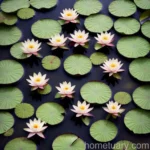
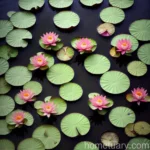
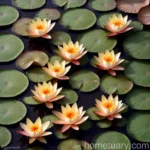
Nymphaea ‘Denver’, commonly known as Hardy Water Lily, is a stunning aquatic plant that graces ponds and water gardens with its breathtaking beauty. This resilient plant is much-loved by horticulturists and pond enthusiasts for its hardiness and remarkable ornamental value.
In this comprehensive guide, we will delve into the fascinating world of Nymphaea ‘Denver’, exploring its cultural requirements, uses, maintenance, and much more. Whether you are a seasoned gardener or a novice pond enthusiast, this article will equip you with a wealth of information to cultivate and appreciate this exquisite water lily.
What is Nymphaea ‘Denver’?
Nymphaea ‘Denver’ is a hardy water lily renowned for its captivating appearance and adaptability to various aquatic settings. This perennial aquatic plant belongs to the Nymphaeaceae family and is cherished for its radiant, floating blooms and elegant foliage. Recognized for its resilience, Nymphaea ‘Denver’ is a popular choice for both experienced gardeners and beginners seeking to enhance the aesthetic appeal of their water features.
Key Takeaways – Nymphaea ‘Denver’ (Hardy Water Lily)
Before delving into the specifics of caring for Nymphaea ‘Denver’, let’s explore some key takeaways about this remarkable water lily, encompassing its cultural requirements, uses, and other essential aspects.
Culture
- Common Name: Nymphaea ‘Denver’ (Hardy Water Lily)
- Plant Type: Aquatic / Perennial
- Native Habitat: Cultivated hybrid, native to North America
- Hardiness Zone: 3-11
- Mature Size: 4-6 feet in spread
- Bloom Time: Summer to early autumn
Uses
- Ornamental Pond Plant: Nymphaea ‘Denver’ is primarily utilized for its ornamental value, gracing ponds and water gardens with its striking blooms and foliage.
- Habitat Enhancement: Additionally, this hardy water lily contributes to the ecological balance of aquatic habitats, offering shelter and food for various aquatic organisms.
Now that we have a general overview, let’s dive deeper into the specific factors that contribute to the successful cultivation of Nymphaea ‘Denver’.
Water
Water is the lifeblood of a water lily, and providing the ideal aquatic environment is crucial for the thriving growth of Nymphaea ‘Denver’. Whether it’s a garden pond, container, or natural water feature, understanding the water requirements of this hardy water lily is fundamental.
Sunlight
Sunlight serves as a vital energy source for the photosynthetic processes of Nymphaea ‘Denver’. Adequate exposure to sunlight is essential for the plant’s overall well-being and blooming potential. Here are key considerations regarding sunlight requirements:
- Optimal Sunlight: Nymphaea ‘Denver’ flourishes in full sun, necessitating at least 6 hours of direct sunlight per day for vigorous growth and prolific blooming.
- Shading: While the plant thrives in sunlight, some shading during the hottest part of the day may be beneficial in exceptionally warm climates, preventing excessive heat and potential sunburn on the foliage.
Fertilizer
Fertilizing practices play a pivotal role in promoting the robust growth and blooming of Nymphaea ‘Denver’. Proper fertilization is essential to provide the plant with vital nutrients for sustained health and vibrant blooms. Here’s a guide to fertilizing Nymphaea ‘Denver’:
- Fertilization Schedule: During the active growing season, it is advisable to employ a balanced aquatic plant fertilizer monthly. Opt for specialized fertilizers designed for water lilies and follow the manufacturer’s instructions for application rates.
- Fertilizer Placement: Pellet or tablet fertilizers specifically formulated for aquatic plants may be strategically placed in the root zone of Nymphaea ‘Denver’ to ensure the plant directly benefits from the nutrients.
Soil
While Nymphaea ‘Denver’ primarily thrives in aquatic settings, the composition of the planting substrate significantly impacts the plant’s growth and development. Proper understanding of the soil or planting medium is essential for the successful cultivation of this hardy water lily:
- Aquatic Planting Medium: Nymphaea ‘Denver’ excels when planted in a specialized aquatic planting medium or loamy soil enriched with organic matter. The planting medium should be nutrient-rich and well-draining to facilitate optimal root development and nutrient uptake.
- Container Plantings: When cultivating Nymphaea ‘Denver’ in containers, select spacious aquatic plant pots or containers with adequate drainage to ensure healthy root growth and unrestricted development.
Pruning
Pruning is a fundamental aspect of Nymphaea ‘Denver’ maintenance, contributing to the control of excessive growth, enhanced aesthetics, and sustained vigor. Proper pruning practices are imperative for the long-term well-being of this hardy water lily:
- Leaf Removal: Periodic removal of spent or yellowing leaves is essential to maintain a tidy appearance and prevent the accumulation of decaying foliage in the water.
- Deadheading Blooms: After the blooming cycle, promptly deadhead faded blooms to channel the plant’s energy into the production of new blooms and prevent the formation of seeds, fostering prolonged flowering.
Propagation
Nymphaea ‘Denver’ has the potential to be propagated through various methods, including division and seed propagation. The propagation of this hardy water lily enables gardeners to expand their collection and share the beauty of Nymphaea ‘Denver’ with others. Here’s an overview of propagation techniques:
- Division: Dividing established clumps of Nymphaea ‘Denver’ facilitates the creation of new plants. This method is typically conducted during the active growing season, ensuring the division segments are equipped with vigorous roots for successful establishment.
- Seed Propagation: While less commonly practiced, Nymphaea ‘Denver’ can be propagated from seeds. However, seed propagation requires patience and careful attention to provide the optimal environmental conditions for germination and early growth.
Container Popularity
The appeal of cultivating water lilies in containers has gained substantial popularity among gardeners, especially those with limited outdoor space or those seeking to orchestrate striking aquatic displays. Nymphaea ‘Denver’ thrives in containers, exhibiting exquisite blooms and foliage in a confined aquatic environment, offering versatility and charm to patios, balconies, and other outdoor spaces.
Container Common Diseases
While Nymphaea ‘Denver’ is relatively resilient, certain diseases may affect the plant when cultivated in containers. Understanding the common diseases and their potential management strategies is crucial for safeguarding the health of your container-grown Hardy Water Lily:
- Fungal Diseases: Container-grown water lilies may be susceptible to fungal diseases, such as leaf spot and powdery mildew. Maintaining adequate air circulation, avoiding overhead watering, and employing appropriate fungicidal treatments can aid in preventing and managing fungal diseases.
- Root Rot: Overly damp conditions in container plantings can predispose Nymphaea ‘Denver’ to root rot. Utilizing well-draining planting mediums and implementing proper watering practices is essential to mitigate the risk of root rot in container plantings.
Disease Diagnosis
While Nymphaea ‘Denver’ exhibits commendable resistance to many diseases, occasional susceptibility to certain ailments may arise. Prompt diagnosis and intervention are pivotal for effectively addressing diseases that may impact the health and aesthetics of this hardy water lily:
- Symptoms and Signs: Vigilance in observing the plant for symptoms such as leaf discoloration, abnormal growth, or spotting is crucial for early disease detection. Promptly addressing these signs may aid in preventing the spread of diseases.
- Professional Consultation: In instances of uncertain diagnosis or severe disease progression, consulting with horticultural professionals or plant pathologists is advisable to accurately diagnose the issue and develop a targeted treatment approach.
Common Pests
Nymphaea ‘Denver’ is relatively resistant to pest infestations; however, occasional encounters with certain pests may occur, necessitating vigilant monitoring and management. Understanding the common pests and their control measures is pivotal for preserving the plant’s health and ornamental allure:
- Aphids: These tiny, sap-sucking insects may occasionally target water lilies, including Nymphaea ‘Denver’. Employing natural predators, such as ladybugs, or utilizing insecticidal soap may aid in controlling aphid populations without adversely impacting the plant or surrounding aquatic ecosystem.
- Rust Mites: Rust mites can infest the foliage of Nymphaea ‘Denver’, causing stippling and discoloration. Gentle rinsing of the foliage and the application of horticultural oils can help manage rust mite infestations effectively.
Botanist’s Tips
As a plant scientist passionate about the cultivation of water lilies, I have compiled a set of expert tips and recommendations to help enthusiasts cultivate and appreciate Nymphaea ‘Denver’ to its fullest potential:
- Adequate Spacing: When planting Nymphaea ‘Denver’, ensure ample spacing between individual plants to prevent overcrowding, allowing each water lily to showcase its full splendor while promoting optimal air circulation.
- Regular Assessment: Conduct routine assessments of the water lily’s foliage and blooms to promptly identify and address any emerging issues, ensuring the sustained health and beauty of Nymphaea ‘Denver’.
Fun Facts
Nymphaea ‘Denver’ boasts an array of fascinating attributes and historical significance that contribute to its allure as a prized ornamental plant. Here are some captivating fun facts about this captivating water lily:
- Symbolism: In various cultures, water lilies, including Nymphaea ‘Denver’, symbolize purity, enlightenment, and spiritual awakening, affirming their esteemed status throughout history.
- Habitat Importance: Water lilies play a pivotal role in aquatic ecosystems, providing shelter for aquatic organisms, contributing to water filtration, and enhancing the ecological balance of wetland habitats.
Links to External Resources
For additional insights and valuable resources on Nymphaea ‘Denver’ and water lily cultivation, explore the following links:
- The American Water Lily Society: A reputable organization dedicated to promoting the appreciation and cultivation of water lilies, offering a wealth of information and resources for water lily enthusiasts.
- Royal Horticultural Society – Growing Water Lilies: The Royal Horticultural Society provides comprehensive guidelines on growing and caring for water lilies, encompassing essential tips and insights for successful cultivation.
- University of Florida IFAS Extension – Aquatic and Wetland Plants: A valuable resource featuring in-depth information on various aquatic plants, including Nymphaea species, offering insights into their characteristics, uses, and cultivation requirements.
In conclusion, Nymphaea ‘Denver’ stands as a captivating emblem of beauty and resilience, enriching aquatic settings with its radiant blooms and graceful presence. Whether adorning a tranquil pond or a container garden, this hardy water lily captivates the hearts of all who encounter its ethereal charm. With the knowledge and insights shared in this guide, enthusiasts can embark on a rewarding journey of cultivating and appreciating the timeless allure of Nymphaea ‘Denver’, the beloved Hardy Water Lily.
As we celebrate the enduring allure of Nymphaea ‘Denver’, let us continue to cherish and preserve the natural beauty that graces our water landscapes, nurturing a harmonious coexistence with the captivating flora that embellishes our world.
By dedicating our knowledge, passion, and appreciation to the cultivation of Nymphaea ‘Denver’, we honor the timeless elegance and ecological significance of this beloved hardy water lily, fostering a deeper connection with the natural world and its timeless wonders.